
Introduction
Italy has long been a powerhouse in the world of motorcycle manufacturing. The country is renowned for its craftsmanship, engineering, and design. iconic motorcycles from Italy embody a spirit of innovation and style that sets them apart in a crowded global marketplace.
Various Italian motorcycle brands, including Ducati, Aprilia, and Moto Guzzi, have made significant contributions to the industry. Each company has its own unique character, carving out a niche that appeals to riders everywhere. Other noteworthy names include Benelli, Ferrari motorcycles, MV Agusta, Piaggio, Laverda, Cagiva, and Bimota. These brands have all helped establish Italy as a leader in both performance and aesthetics.
The rich history of motorcycle design in Italy is fascinating. For decades, Italian engineers and designers have pushed the boundaries of what is possible. Their inventive approaches to both performance and style have influenced countless manufacturers worldwide. This innovative spirit continues to inspire new generations of riders and engineers.
In summary, the world of Italian Motorcycles is vibrant and dynamic. Its brands are not just manufacturers; they are part of a cultural legacy. With their unique combination of design and technology, these iconic motorcycles represent the best of what Italy has to offer.
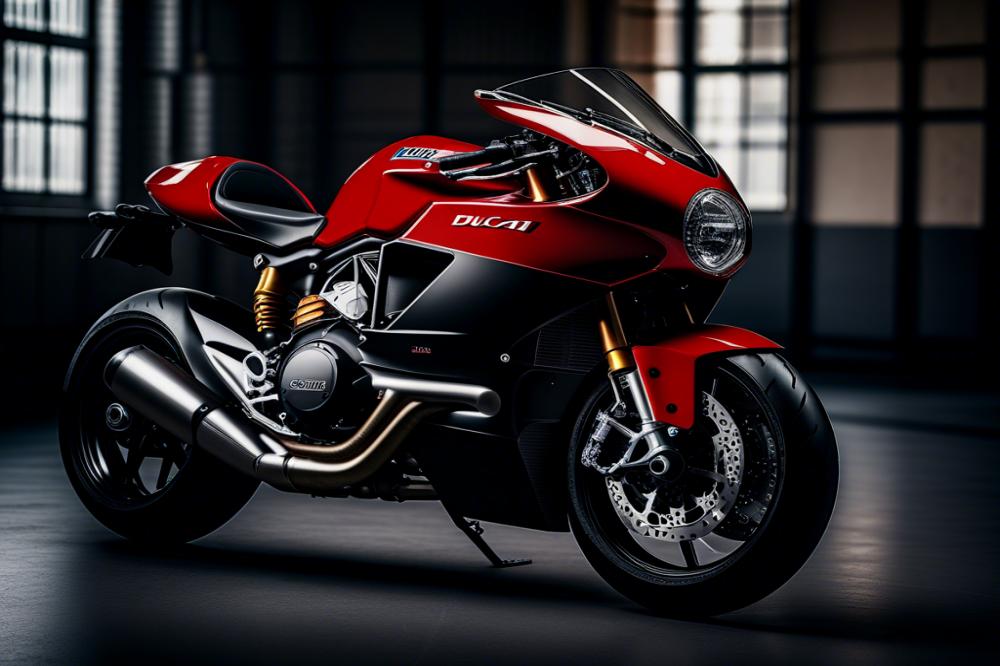
The Legacy of Ducati
Founding and History of Ducati
Ducati began its journey in 1926. Founded in Bologna, it started as a manufacturer of radio components. The company quickly evolved. By the 1930s, Ducati was producing its first motorcycles, driven by a passion for engineering. World War II halted production, but Ducati bounced back. In the post-war years, the focus shifted toward small, economical bikes. These models gained popularity in Italy and beyond. By the 1960s, Ducati became known for its innovative designs and advanced technology.
Iconic Models and Their Impact on Motorcycle Culture
Ducati’s Sport 100 and 250cc models became symbols of Italian flair. Later, the Ducati 750 Super Sport changed everything. It inspired a generation of riders. The distinctive “L-twin” engine gave their motorcycles a signature sound and performance. Models like the 916 and Monster solidified Ducati’s reputation in the biking world. These bikes weren’t just machines; they represented a lifestyle. Many riders saw Ducati as a statement of freedom and rebellion. The brand’s influence extended beyond the roads and into popular culture. Films and magazines celebrated the speed and beauty of Ducati motorcycles.
Ducati’s Contribution to Performance and Racing
Performance is at the heart of Ducati’s identity. The brand has a storied history in racing, with remarkable successes in various competitions. Ducati’s involvement in MotoGP and World Superbike Championship showcased their engineering brilliance. Riders like Troy Bayliss and Casey Stoner achieved legendary status on these machines. The powerful Desmosedici and Panigale models demonstrate Ducati’s commitment to speed. By focusing on performance, they attracted fans and competitors alike. Innovations like the trellis frame streamlined handling and improved agility. Ducati’s legacy is not just about speed; it is about pushing the boundaries of motorcycle technology.
The Rise of Aprilia
Origins and growth of Aprilia
Founded in 1945 in Noale, Italy, Aprilia began as a manufacturer of bicycles. It wasn’t long before they ventured into the world of motorcycles. The first motorized model, a small dirt bike in the 1960s, marked the company’s initial step into the motorcycle industry. Over the years, production expanded and Aprilia gained a reputation for creating reliable and innovative bikes. In the 1980s, the brand began to carve out a niche in the sportbike segment. Their machines combined reputable engineering with an Italian flair that caught the attention of riders everywhere.
Key innovations and models over the years
April is well-known for developing several groundbreaking technologies. Their use of lightweight materials helped enhance performance and handling. The RSV series, introduced in the 1990s, showcased a new level of power and agility. Another landmark was the introduction of the Tuono, a naked bike that brought a fresh perspective to street riding. In recent years, the RS 660 demonstrated how Aprilia continues to blend cutting-edge design with user-friendly features. These standout bikes created lasting impressions among enthusiasts, further solidifying the brand’s legacy.
April’s notable success in racing
Racing has always been part of Aprilia’s DNA. The brand has a rich history in competitions, from motocross to road racing. Notably, they have claimed numerous championships in the World Superbike Championship and MotoGP. Their commitment to performance can be seen in their successful racing teams, which have consistently pushed the limits. Aprilia’s engineers work closely with riders to refine every aspect of their machines. In addition to factory race teams, privateers often choose Aprilia for its competitive edge. Brands like Ducati and MV Agusta have also faced tough competition from Aprilia on the track. An impressive record in racing continues to drive interest in this iconic manufacturer, keeping it at the forefront of riders’ minds.
The Enduring Appeal of Moto Guzzi
History of Moto Guzzi and its Unique Heritage
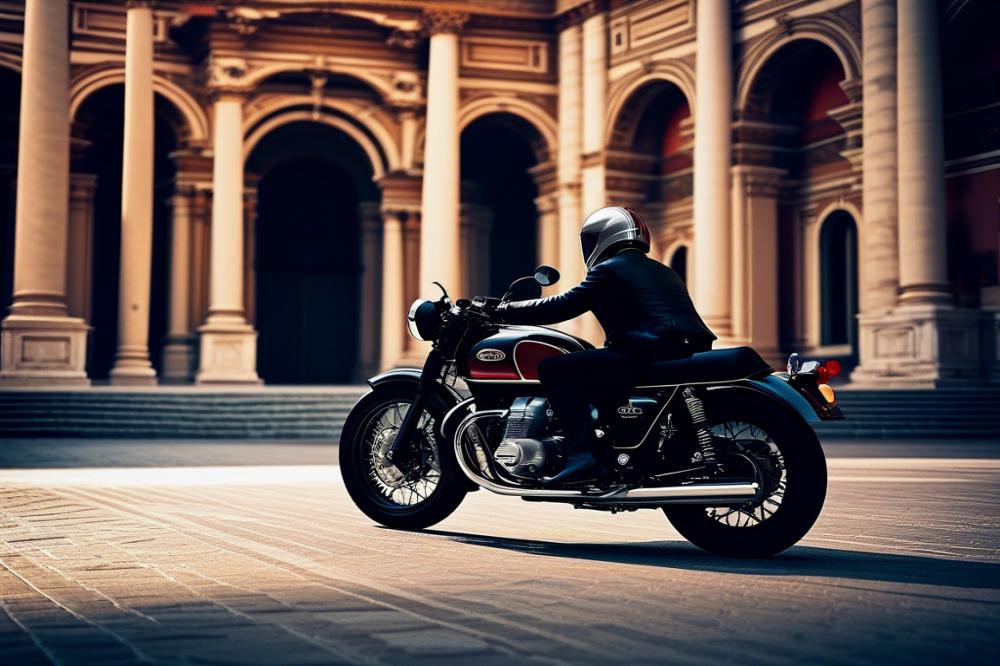
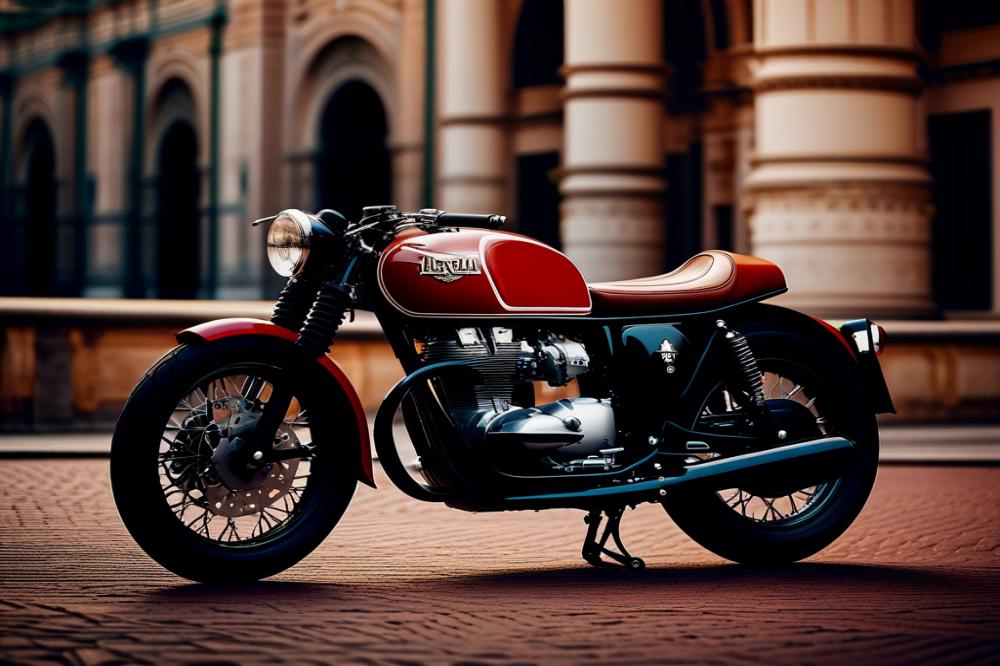
Founded in 1921, Moto Guzzi stands as one of the oldest motorcycle manufacturers in Italy. The brand began in Mandello del Lario, nestled by Lake Como. Early on, it gained fame for its robust machines and innovative designs. A focus on distinctive features helped set it apart from competitors like Ducati and Aprilia. Throughout the decades, the brand developed a loyal following due to its commitment to craftsmanship and performance. The history of Moto Guzzi is marked by a blend of engineering excellence and Italian flair. It has earned a reputation for resilience, often bringing unique designs that captured the imagination of riders.
Signature Features and Classic Models
Moto Guzzi motorcycles often feature a transverse V-twin engine, a hallmark of their design. This unique layout not only enhances the bike’s character but also impacts handling. Models such as the V7 and California have become iconic over the years. Each bike tells a story, with a blend of classic aesthetics and modern technology. The V7, for instance, has undergone several updates while retaining its vintage charm. Riders appreciate the combination of style and performance that these bikes offer. Enthusiasts might also mention the California series, known for its cruiserlike comfort and distinctive looks.
Role in Italian Motorcycling Culture
Moto Guzzi occupies a significant place in the tapestry of Italian motorcycling culture. Enthusiasts often recognize its models as symbols of freedom and adventure. Events like motorcycle rallies often showcase Moto Guzzi bikes, celebrating their legacy. The brand has influenced many riders over the years, inspiring a sense of community. As one gravitates through the world of Italian Motorcycles, the name Moto Guzzi consistently arises. Its spirit resonates with both veterans and newcomers alike. While other brands like MV Agusta and Benelli offer their unique spins, Moto Guzzi maintains a special allure.
Benelli and Its Distinct Identity
Origins of Benelli and its evolution
Benelli’s story began in 1911 in Pesaro, Italy. Five Benelli brothers decided to start a motorcycle company. They began by making small 98cc bikes. Over the years, they expanded their offerings and gained popularity. During the 1920s and 1930s, they raced bikes and built a strong reputation. World War II caused disruptions, but after the conflict, the brand managed to bounce back. By the 1960s, Benelli was producing larger and more powerful motorcycles. Their models gained a loyal following among riders.
Notable models through the decades
In the 1970s, the Benelli 750 Sei stood out. This model was one of the first motorcycles to feature a six-cylinder engine. Riders loved its smooth performance and innovative design. Then came the Benelli Tornado in the 1980s. This bike had a striking look and showcased impressive technology. As decades passed, models like the Benelli Tre and Leoncino captured attention. These bikes combined style with power, appealing to a wide audience. Although the company faced financial struggles, its legacy lingered. Iconic designs and powerful engines still attract enthusiasts.
Current status and revival efforts
Today, Benelli is undergoing a revival. It is now part of the Chinese group Qianjiang. This partnership has infused new life into the brand. Modern models combine Italian craftsmanship with Chinese production capabilities. The new Benelli 502C and the Leoncino 500 have rekindled old love among fans. These contemporary machines offer performance and affordability. The company’s dedication to heritage remains strong, as they continue to honor their rich past. Meanwhile, competitors like Ducati and Aprilia set a high bar in the motorcycle market. Yet, Benelli aims to carve its niche by appealing to both seasoned riders and newcomers. The brand’s journey is a testament to resilience and innovation.
Ferrari Motorcycles: A Unique Collaboration
Ferrari, known for its fast cars and rich racing history, made a surprising move into motorcycle manufacturing. This venture was not about cranking out bikes for the masses. Instead, it focused on high-performance motorcycles that showcased Ferrari’s engineering expertise. The passion for speed and precision continued in this new arena.
Several special edition models emerged through collaborations with other well-known bike makers. These partnerships included brands like Ducati and MV Agusta. Enthusiasts eagerly anticipated these limited releases, which often featured striking designs and powerful engines. Some models showcased Ferrari’s signature red color and iconic horse logo, making them true collector’s items.
The crossover between automobiles and motorcycles enhanced Ferrari’s brand image significantly. This unique collaboration allowed them to reach a wider audience, particularly among fans of both cars and bikes. Iconic brands such as Aprilia and Moto Guzzi also benefited from this relationship. Together, they bridged the gap between two distinct worlds in the automotive industry.
Additionally, Ferrari’s involvement in motorcycle design fostered innovative ideas among manufacturers. For instance, technology and design concepts from the car side were adapted for two-wheelers. This exchange promoted creativity and pushed boundaries for brands like Piaggio and Benelli. Understanding this dynamic shows how interconnected the automotive world can be.
Through these ventures, Ferrari motorcycles became a symbol of luxury and speed. The collaborations emphasized quality and precision that Ferrari is famous for. Although their motorcycle line was not extensive, each model was impactful. They captured the essence of what makes a Ferrari special while exploring new territory in the motorcycle world.
The Elegance of MV Agusta
History of MV Agusta and Its Design Philosophy
MV Agusta, founded in 1945, quickly became renowned for elegance and performance. Initially starting as an aircraft manufacturer, they shifted to motorcycles after World War II. Design plays a crucial role in their identity. Each model reflects a blend of engineering brilliance and aesthetic flair. The signature red and silver colors are instantly recognizable. Craftsmanship is paramount; every detail is meticulously considered. Quality materials are used to enhance both beauty and durability. This focus sets MV Agusta apart from others like Ducati and Aprilia.
Iconic Models and Racing Pedigree
Several models stand out in MV Agusta’s rich history. The F4, with its striking design, captures attention on and off the track. Another classic, the MV Agusta 750 S, took the motorcycle world by storm in the 1970s. Racing success is part of its legacy. MV Agusta has won championship titles across the globe, showcasing outstanding engineering and rider skill. Motorcycle enthusiasts admire the lineage that birthed champions in MotoGP. This impressive heritage has influenced models from other brands like Benelli and Laverda, promoting competition and innovation.
MV Agusta’s Influence on the Premium Motorcycle Market
The brand’s presence has significantly shaped the premium segment. MV Agusta elevated standards for luxury motorcycles. Competing with giants like Ferrari motorcycles has pushed innovation forward. Their unique blend of performance, design, and exclusivity attracts affluent buyers. Furthermore, this appeal extends beyond just the motorcycles. Collectors often view MV Agusta as a piece of art, appreciating the rich history behind each machine. Other brands, such as Cagiva and Bimota, have taken notes from MV Agusta’s success. In this way, they continue to inspire and elevate the entire motorcycle industry.
Piaggio: A Legacy of Innovation
Founding and growth of Piaggio
Piaggio was established in 1884, originally as a company that focused on making wooden boats and airplanes. Over the decades, it shifted gears and began producing motorcycles. World War II significantly impacted production, pushing the company to innovate in response to changing needs. By 1946, Piaggio introduced the iconic Vespa scooter, revolutionizing urban transportation. This model was designed to provide affordable and efficient mobility. The Vespa quickly gained popularity in post-war Italy. Its unique style caught the eye of many, leading to a global craze.
Impact on motor scooters and urban mobility
The Vespa scooter was more than just a vehicle; it became a symbol of freedom and style. Urban areas benefited greatly from this innovation. Commuters found it to be a practical solution for navigating busy streets. Other brands took note, with companies like Aprilia and Benelli trying to capture a piece of the scooter market. Piaggio’s influence extended beyond the Vespa. The company also developed the Ape, a three-wheeled vehicle that became popular for commercial use. Many small businesses relied on it for deliveries, enhancing local economies.
Piaggio’s role in the broader motorcycle landscape
While Piaggio is best known for its scooters, its impact on motorcycles deserves recognition. It created partnerships with several brands, including MV Agusta and Moto Guzzi. These collaborations fostered a culture of innovation that resonated throughout the industry. Additionally, Piaggio acquired several companies, including Laverda and Cagiva, strengthening its footprint in the motorcycle sector. This growth helped diversify its offerings and attract a wider customer base. The rise of brands like Ducati and Bimota showcased that Italian manufacturing thrived in both performance and style, with Piaggio at the helm driving much of this innovation.
Laverda and the Appeal of Performance
History and establishment of Laverda
Founded in 1949, Laverda began its journey in a small workshop in Breganze, Italy. Its founders, Francesco Laverda and his brothers, initially built agricultural machinery. Motorcycle production started shortly after, marking a shift for the company. Laverda quickly gained attention with standout models like the 75cc. By the 1960s, the brand was competing against giants like Ducati and Moto Guzzi.
Noteworthy models and engineering feats
One of Laverda’s most remarkable bikes is the Jota, launched in 1976. This iconic model featured a powerful triple engine, pushing the limits of performance at the time. The Jota was not only fast but also gained notoriety on racing circuits. In addition, the Laverda 1000 was recognized for its innovative design and engineering excellence. The company focused on building bikes that delivered not just speed but also reliability.
Legacy and collectors’ market
Today, Laverda holds a special place in the hearts of motorcycle enthusiasts and collectors. Finding original models can be a challenge, making them quite valuable. Vintage Laverda bikes often attract interest during auctions. Enthusiasts appreciate the unique blend of Italian craftsmanship and performance that Laverda represents. Additionally, models like the Jota have a dedicated following, ensuring their legacy endures in modern motorcycle culture. Even as brands like MV Agusta and Benelli gain popularity, Laverda remains a respected name in the motorcycle community.
Cagiva: Missing Links in History
Founding of Cagiva and its Innovative Spirit
Cagiva emerged in 1978, founded by Giovanni Castiglioni in Italy. This brand aimed to create motorcycles that blended style with performance. Early models captured the attention of enthusiasts and showcased innovative engineering. The combination of Italian craftsmanship and modern design set new standards in the motorcycle world. Cagiva quickly became known for its daring spirit and willingness to push boundaries.
Notable Collaborations and Motorcycle Lines
Cagiva had impressive collaborations throughout its history. One standout partnership was with Ducati, which produced bikes that dazzled riders with power and agility. Another famous collaboration involved the creation of designs that would later influence brands like MV Agusta and Bimota. Over the years, iconic models like the Cagiva Elefant and Mito emerged, each with its distinctive character. Riders appreciated features like lightweight frames and high-performance engines. The presence of Cagiva in the racing scene further solidified its reputation as a serious contender among brands such as Aprilia and Moto Guzzi.
Influence on the Italian Motorcycle Scene
Cagiva’s impact extends beyond its own models. The brand played a crucial role in shaping the trajectory of Italian motorcycles. Companies like Benelli and Laverda benefited from the innovative trends Cagiva helped establish. The spirit of competition ran deep within its DNA, inspiring other manufacturers to ramp up their game. Even brands like Piaggio looked to Cagiva’s designs and technology as a benchmark for excellence. Many riders remember the thrill of riding a Cagiva, recalling its blend of adventurous spirit and Italian flair. Such memories contribute to the lasting legacy of this remarkable brand.
Bimota: The Art of Customization
Bimota, an esteemed name in the motorcycle world, stands out for its focus on bespoke motorcycles. Founded in the late 1970s, the brand quickly gained recognition for combining Italian design flair with high-performance engineering. This dedication to customizing bikes is what makes Bimota notable. Each model is crafted with precision, catering to a rider’s personal preferences and needs.
Several iconic models have emerged from the Bimota workshop. The DB series, including the DB5 and DB6, showcases the harmonious blend of advanced technology and aesthetic appeal. Collaborations with renowned manufacturers like Ducati have elevated their status. Models like the Bimota DB3 Mantra, which utilizes Ducati engines, highlight the collaboration between the two brands. This partnership has propelled Bimota into the elite ranks of motorcycle makers.
Bimota’s significance extends beyond the machines themselves. It represents a cultural touchstone within the motorcycle community. Enthusiasts appreciate its artistry and craftsmanship, which reflect a passion for performance. It draws comparisons to other iconic brands like MV Agusta and Aprilia, both known for their stylish designs and race-ready bikes. Enthusiasts often regard Bimota motorcycles as pieces of art on wheels.
The customization aspect resonates deeply with riders seeking individuality. Owners cherish the chance to personalize their machines, often showcasing them at events and motorcycle shows. Bimota’s impact can be observed across the globe, as fans gather to celebrate this unique brand. They also embody a sense of pride that comes from owning a truly rare motorcycle.
In the realm of Italian motorcycles, Bimota holds a special place. It stands alongside giants such as Moto Guzzi, Benelli, and Ferrari motorcycles. This standing reflects the brand’s commitment to delivering high-quality, customizable motorcycles. Bimota’s legacy continues to inspire passion and admiration in riders, ensuring its spot among the most respected names in the industry.
Reflecting on Italian Motorcycle Excellence
Italian motorcycle brands have made significant contributions to the biking world. Their designs are often recognized for aesthetics, innovation, and performance. Icons like Ducati and Aprilia showcase the essence of what makes these brands special. From the sleek lines of a sportbike to the rugged charm of a cruiser, there’s something for everyone.
These companies have shaped the motorcycle industry over many decades. They pushed the limits of engineering and design. This pursuit of excellence resulted in many beloved models that continue to inspire riders today. Future generations will undoubtedly feel the impact of Italian craftsmanship as they embrace new technologies and styles.
Passion for motorcycles runs deep in Italy. It’s not just about the machines; it reflects a culture. Every bike tells a story—a testament to the skill and dedication of its creators. Riders cherish the thrill of each ride, celebrating the combination of performance and beauty.
The legacy of these brands remains influential. As new models are introduced, they retain the spirit of their predecessors. Both designers and enthusiasts learn from the past. They strive to maintain the balance between tradition and innovation.
In summary, Italian motorcycles will always hold a special place in the hearts of their fans. The blend of history, craftsmanship, and passion creates a unique experience. Riders around the world continue to appreciate and admire these remarkable machines, ensuring that the love for these iconic brands endures for years to come.

