
Exploring Italy’s ancient wonders
Italy is a country rich in history. Known for its stunning landscapes, it is also home to some of the most remarkable remnants of ancient civilization. The significance of these sites goes beyond mere bricks and mortar. They tell stories about life, culture, and the evolution of society. Among the many relics of the past, the Roman Ruins stand out as symbols of a mighty empire that once ruled much of the Mediterranean.
Venturing into these historical sites allows travelers to connect with a bygone era. Each location speaks volumes about the innovations and artistry of ancient architecture. Exploring places like the Colosseum, where gladiators once fought, or the Roman Forum, the heart of public life in ancient Rome, is an experience like no other. These archaeological tours are not just about seeing; they are about understanding how these marvels shape our modern culture.
This two-week Italy Itinerary offers an intimate glimpse into Italy’s breathtaking ancient wonders. Starting in the bustling heart of Rome, it guides you through key sites. From the grandeur of the Colosseum to the remnants of Herculaneum and the tranquility of Villa Adriana, each stop reveals fascinating narratives. You will journey through Pompeii’s frozen moments and wander the ruins that have stood the test of time. This adventure promises to unveil the layers of history nestled within this beautiful country.
Exploring Rome: The Heart of Roman Ruins
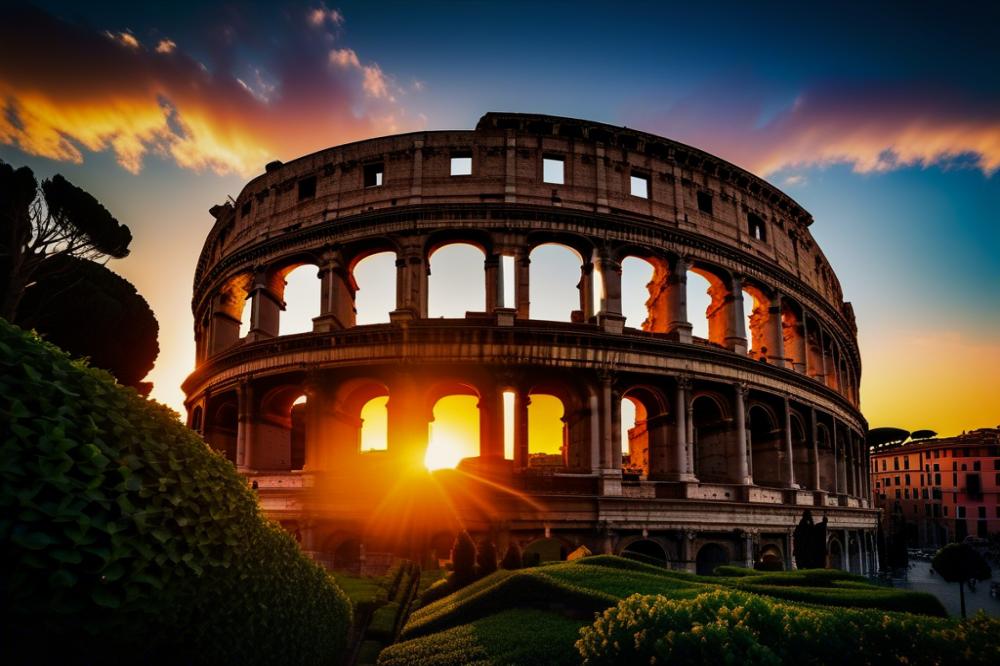
Rome stands as a testament to ancient wonders, showcasing some of the most impressive architectural feats in history. The city’s rich history captivates visitors, drawing them into a world where emperors once ruled and the populace gathered in grand public spaces. There’s no better place to start this journey than at the iconic Colosseum, a structure that embodies the spirit of Ancient Rome.
Visit to the Colosseum
The Colosseum, with its towering arches and enduring presence, was once filled with the roars of thousands. It served as a venue for gladiatorial contests and public spectacles. Entering its grand structure allows one to imagine the excitement of the crowd and the drama that unfolded within its stone walls. Guided tours offer fascinating insights into its history, revealing how this amphitheater showcased the power and cruelty of the Roman Empire.
Tour of the Roman Forum
Just a short walk from the Colosseum lies the Roman Forum, a sprawling complex of ruins that were the heart of public life in ancient times. Here, visitors can explore temples, basilicas, and marketplaces that once buzzed with activity. Taking a tour through this historical site helps to illuminate the social and political dynamics that shaped Rome. The Vestal Virgins’ temple and the Senate House stand as reminders of the city’s storied past.
Exploration of Palatine Hill
Rising majestically above the forum is Palatine Hill. Known to be one of the most ancient parts of the city, it offers breathtaking views and significant historical context. Legend says that Romulus founded Rome on this hill. As you stroll through the ruins of imperial palaces, history comes alive. Scattered among the remnants are lush gardens, showcasing a different side of ancient architecture.
Insider Tips for Archaeological Tours and Historical Insights
When exploring Rome, consider joining archaeological tours led by knowledgeable guides. These experts can provide fascinating details that might otherwise go unnoticed. Early morning visits often mean smaller crowds and a more immersive experience. It’s also wise to book tickets in advance for popular sites, including Villa Adriana, to avoid long waits. Keep a map handy, as wandering the ancient streets can often lead to unexpected discoveries.
Don’t forget to bring water and wear comfortable shoes; there’s much ground to cover. While you’re traveling, you might also consider adding trips to Pompeii or Herculaneum. These locations offer additional layers to your understanding of Roman life. Engaging with history in such memorable surroundings helps create a deeper appreciation for this ancient civilization.
Venturing into the Bay of Naples: Pompeii and Herculaneum
Introduction to the Ancient Cities Buried by Vesuvius
The Bay of Naples is home to some of Italy’s most fascinating historical sites. Two ancient wonders lie beneath the ash from Mount Vesuvius: Pompeii and Herculaneum. These cities were vibrant in Roman times, filled with life and culture until disaster struck in AD 79. When Vesuvius erupted, it covered both towns in layers of volcanic material. This dramatic event preserved them for centuries, offering a glimpse into the daily lives of ancient Romans. Explorers today can witness the echoes of a civilization frozen in time.
In-Depth Visit to Pompeii: Highlights and Must-See Sites
Pompeii holds a treasure trove of archaeological wonders waiting to be discovered. Streets lined with ancient architecture transport visitors back to another era. The Forum serves as the heart of public life, surrounded by temples, shops, and civic buildings. A visit wouldn’t be complete without seeing the amphitheater where citizens gathered for events. Remarkably, some frescoes and mosaics still display vibrant colors. Then, climb to the Villa of the Mysteries for its stunning wall paintings depicting mysterious rituals. Rich with history, Pompeii offers an unmissable experience.
Exploration of Herculaneum and Its Unique Preservation
Herculaneum, while less famous, showcases an aspect of Roman life that complements what is seen in Pompeii. Smaller and better preserved, it offers a different perspective. Visitors can wander through narrow streets where wooden beams still stand, a rarity compared to Pompeii. The ancient houses reveal exquisite plasterwork and intricate mosaics that survived the eruption. These elements give insights into the luxuries enjoyed by wealthy families. A boat dock discovered in the ruins adds to the intrigue, hinting at Herculaneum’s connection to trade.
Comparison of the Two Sites and Their Historical Importance
While both sites offer incredible insights, their stories differ greatly. Pompeii is larger and more renowned, drawing millions of tourists each year. Herculaneum provides a more intimate look at the everyday lives of its citizens. The level of preservation in Herculaneum is often considered superior due to the nature of the volcanic material. Scholars find that the contrast between the two enhances the understanding of Roman society. Exploring these sites on archaeological tours reveals the grandeur and tragedy of their shared history. A journey through Pompeii and Herculaneum is essential for any history buff visiting the region.
The Grandeur of Villa Adriana and Beyond
Villa Adriana stands as one of the most striking ancient wonders in Italy. Located in Tivoli, this vast estate was commissioned by the Roman Emperor Hadrian in the 2nd century AD. It is a remarkable blend of art, architecture, and landscape that reflects the lavish lifestyle of the emperor. Visiting this site provides a unique glimpse into the past, showcasing the ambitions of one of Rome’s most celebrated leaders.
Detailed Tour of the Site and Its Architectural Significance
The ruins of Villa Adriana cover an expansive area, demonstrating advanced design and engineering for their time. Visitors often begin their exploration at the impressive entrance, which showcases classical elements in its layout. As you stroll through the grounds, you will encounter a series of magnificent structures. The Canopus, a long rectangular pool, is particularly captivating. Framed by tall columns, this area is reminiscent of the Nile River, reflecting Hadrian’s travels.
Walking through the Hall of the Philosophers, one can sense the ideals of beauty and thought that were revered in ancient Rome. Each building tells a story, revealing how Hadrian sought to recreate the essence of various cultural influences. The intricate mosaics, the grand libraries, and the elaborate fountains all highlight the sophistication of ancient architecture.
Overview of Nearby Historical Sites: Tivoli and Other Villas
While Villa Adriana is a must-see, Tivoli offers additional historical sites worth exploring. Nearby, you can find the stunning Villa d’Este, famed for its beautiful gardens and fountains. This Renaissance site showcases the creativity of Italian landscape design. Exploring both villas in one day gives a fuller sense of Tivoli’s rich history.
Other options like the ruins of Herculaneum and the more widely known Pompeii also connect to Italy’s ancient heritage. Although slightly further from Tivoli, they paint a vivid picture of life in ancient Rome. The Colosseum and the Roman Forum in the heart of Rome further illustrate the grandeur and complexity of Roman society.
Recommendations for a Day Trip from Rome
A day trip from Rome to Villa Adriana is quite manageable and highly recommended. Start early to make the most of your visit. Trains from the city to Tivoli run regularly, making travel convenient. Upon arrival, you can either walk to the villa or grab a taxi if you prefer.
Guided archaeological tours often offer the best insights while exploring. These tours bring not only the history to life but also connect the various sites you intend to visit. Take time to appreciate the surrounding landscape as well—it adds to the experience. Enjoy lunch in Tivoli to savor local cuisine before continuing your adventure.
This unique journey into ancient history will deepen your understanding of Rome’s glorious past and its lasting impact on modern culture.
Discovering Lesser-Known Roman Ruins
Italy is synonymous with ancient wonders, yet many of its historical sites fly under the radar. While places like the Colosseum and the Roman Forum amaze tourists daily, you can find equally spectacular ruins in less crowded cities. This journey beckons travelers to explore beyond Rome, revealing treasures in locations like Pompeii and Herculaneum.
Begin your adventure at Villa Adriana in Tivoli. This sprawling estate was home to Emperor Hadrian and boasts a blend of awe-inspiring architecture and lush gardens. Visitors can wander through the remnants of ancient baths and intricate temples, losing themselves in history. Nearby, the ruins of Ostia Antica offer a glimpse of life as it was in ancient Rome. Once a bustling port town, its well-preserved streets and mosaics transport you back in time.
In the south, Herculaneum presents a striking contrast to its more famous neighbor, Pompeii. It reveals a different side of Roman life, with its wooden structures remarkably intact due to the volcanic debris. This site is often less crowded, allowing for a more intimate connection with the past. Walking through its narrow streets, one can almost picture daily life during the Roman Empire.
Another hidden gem is the Roman theater in Verona. This ancient structure is still used for performances today, blending history with modern culture. Located in a city famous for its romance, the theater often hosts artistic events against the backdrop of its historic stone. Exploring this site offers a unique experience, combining ancient architecture with Italy’s rich artistic heritage.
Scouting for local archaeological tours also enhances your journey. These guided experiences can reveal stories that often go unnoticed. Knowledgeable guides add depth, explaining the significance of each ruin and its role in the broader narrative of ancient Rome. To find these guides, consider checking regional tourism websites or asking locals for recommendations.
Connecting with history can sometimes take effort, but the rewards are plentiful. Small towns like Spoleto or Sorrento often boast local ruins that tell stories of grandeur and decay. Engaging with the local community can also improve your experience. Asking questions and participating in local events will deepen your appreciation for the ancient wonders that surround you.
Practical Tips for Your Itinerary
Transportation and Accommodations
Traveling through Italy can be a delight. Use trains for quick and comfortable travel between cities like Rome and Pompeii. In Rome itself, the metro system connects many historical sites effectively. Buses are also available for more local travel. When selecting accommodations, prioritize staying near central locations. This choice allows you to walk to several ancient wonders and saves time. Consider booking hotels or hostels with good reviews on travel sites.
Best Times to Visit Each Site for Optimal Experience
Timing can greatly enhance your trip. Early mornings offer fewer crowds at the Colosseum and Roman Forum, allowing for better photographs and reflection. Visiting Pompeii in the late afternoon provides a cooler atmosphere as you explore the roads of this ancient city. Weekdays tend to draw smaller crowds. Off-peak seasons, such as late spring and early autumn, yield pleasant weather and an enjoyable atmosphere at all historical sites.
Safety Tips and Preparing for Archaeological Tours
Safety should always be a priority. Keep your belongings close to you, especially in crowded areas. It’s wise to wear comfortable shoes, as many archaeological tours involve walking on uneven surfaces. Always bring a water bottle to stay hydrated, especially during the summer months. When planning your visits, consider booking guided tours for in-depth knowledge and context. This approach can enrich your experience, as guides often share fascinating details about ancient architecture and local history. Lastly, familiarize yourself with the local customs to ease your interactions with others.
Final Reflections on Italy’s Ancient Wonders
This journey through Italy’s breathtaking ruins has been nothing short of extraordinary. Each site offers a glimpse into a past filled with innovation and awe. From the majestic Colosseum to the haunting charm of Pompeii, the remnants of history resonate deeply. Exploring ancient wonders is not just about seeing; it’s about feeling the essence of a time that shaped civilization as we know it.
Visiting these historical sites allows travelers to connect with the stories of those who walked these paths long ago. Their triumphs, struggles, and everyday lives echo in the fallen stones and crumbling arches. Every ruin invites reflection on humanity’s shared journey, weaving a tapestry of collective memory.
Engaging with these locations inspires a responsibility to protect them. Preserving history and cultural heritage is crucial for future generations. It enables us to understand our roots and appreciate the accomplishments of those who came before us. Travelers should take time to delve into the narratives behind these ancient structures. There is much to learn and experience.
As you plan your own exploration of Italy’s remarkable remains, remember that each step can deepen your appreciation for the past. Embrace the opportunity to see, learn, and respect these treasures. The stories of the ancient world await your discovery, ready to enrich your travels and ignite your imagination.

