
Introduction
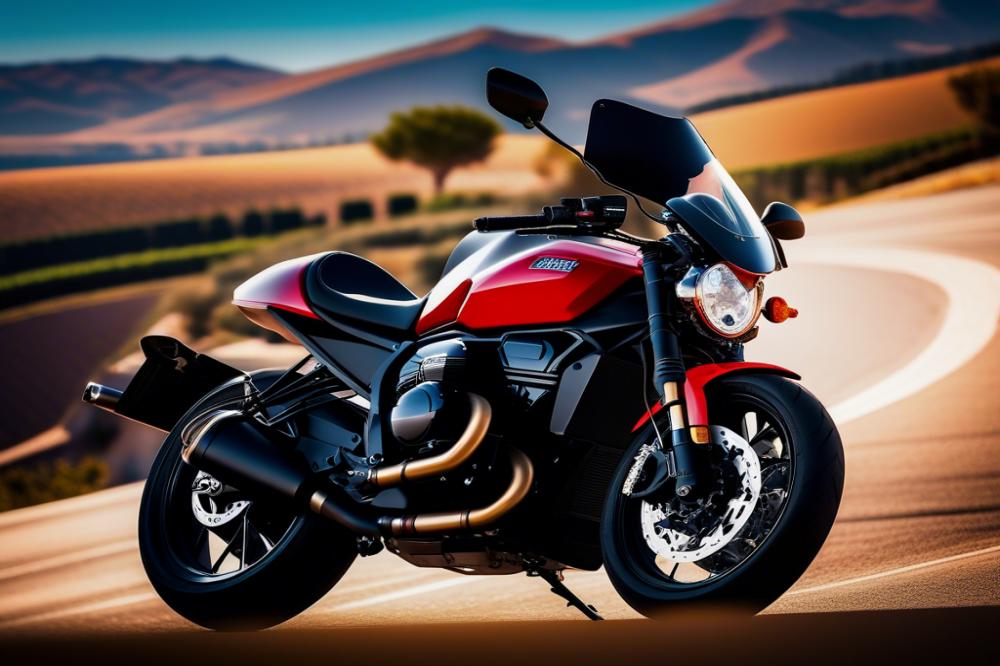
The motorcycle manufacturing landscape in Italy is vibrant and dynamic. It is home to some of the most renowned brands in the world. Companies like Ducati, Piaggio, and Aprilia are celebrated not just for their products but also for their racing heritage. speed has become synonymous with Italian Motorcycles. These machines are crafted with a passion that reflects the culture surrounding them.
In Italy, motorsports are more than a pastime; they are a way of life. Racing events draw large crowds, inspiring the next generation of engineers and designers. This enthusiasm for speed fuels innovation in motorcycle development. Italian engineers push the boundaries of performance, always seeking what can be done better. They focus on advanced technology and unparalleled design, making every motorcycle a piece of art on wheels.
The commitment to engineering excellence is evident in the design of each bike. Sleek lines, powerful engines, and attention to detail contribute to their allure. Motorcycle enthusiasts often speak of the thrill they feel when riding these machines. It is this blend of speed, passion, and performance that sets Italy apart in the global motorcycle market. Icons of racing and style have emerged from this unique culture, leaving a lasting impact on riders everywhere.
Italy’s Racing Heritage
Motorcycle racing has deep roots in Italian culture. From the early 20th century, this country became a hub for speed enthusiasts. Events like the Mille Miglia and the Targa Florio showcase the thrill of competition. These legendary races have not only captivated audiences but have also pushed the limits of engineering and design.
Success on the racetrack drives performance in the industry. Manufacturers learn from the challenges of racing. Innovations made for speed often translate to commercial models. As a result, many brands continuously evolve their products to stay competitive. The racing spirit fuels a cycle of improvement that benefits all riders.
Notable racers have played significant roles in shaping brands. Figures such as Giacomo Agostini and Valentino Rossi are more than athletes; they are icons. Their victories inspire designers and engineers to think creatively and push boundaries. The passion for speed shown by such racers influences countless innovations across various motorcycle types.
A rich heritage has created a unique synergy between passion and performance. Workshops and factories often use racing insights to refine their designs. Collaborations happen between teams and manufacturers, fostering breakthroughs in motorcycle technology. While racers battle on circuits, engineers work tirelessly in the background to keep up with evolving demands.
With every race, a new chapter unfolds in motorcycle history. This environment not only celebrates speed but also the artistry behind each bike. Dedication to performance has placed Italy at the forefront of motorcycle development. The ongoing interplay of culture, innovation, and competition ensures that the passion for speed remains alive.
Engineering Excellence
Italian engineering plays a crucial role in shaping motorcycle performance. This country has a long history of designing machines that not only function well but also look stunning. Passion for speed is embedded in the culture, driving brands to innovate constantly. Companies like Ducati and MV Agusta showcase heritage that blends tradition with modern technology.
Advanced Technologies in Manufacturing
Integration of advanced technologies defines the motorcycle industry today. From lightweight materials to electronic systems, these innovations boost performance significantly. Engineers experiment with components like traction control and ABS to enhance safety and speed. Each improvement aims to deliver a better experience for riders. Plus, cutting-edge manufacturing processes redefine production standards.
Collaboration Between Designers and Engineers
Teamwork is essential for creating motorcycles that thrill. Designers and engineers engage in a continuous dialogue, exchanging ideas to find innovative solutions. This collaborative effort leads to unique designs that meet high-performance demands. Every detail, from aerodynamics to ergonomics, is considered. As a result, high-speed machines are born out of this partnership.
Design and Aesthetics
Importance of design in Italian motorcycle brands
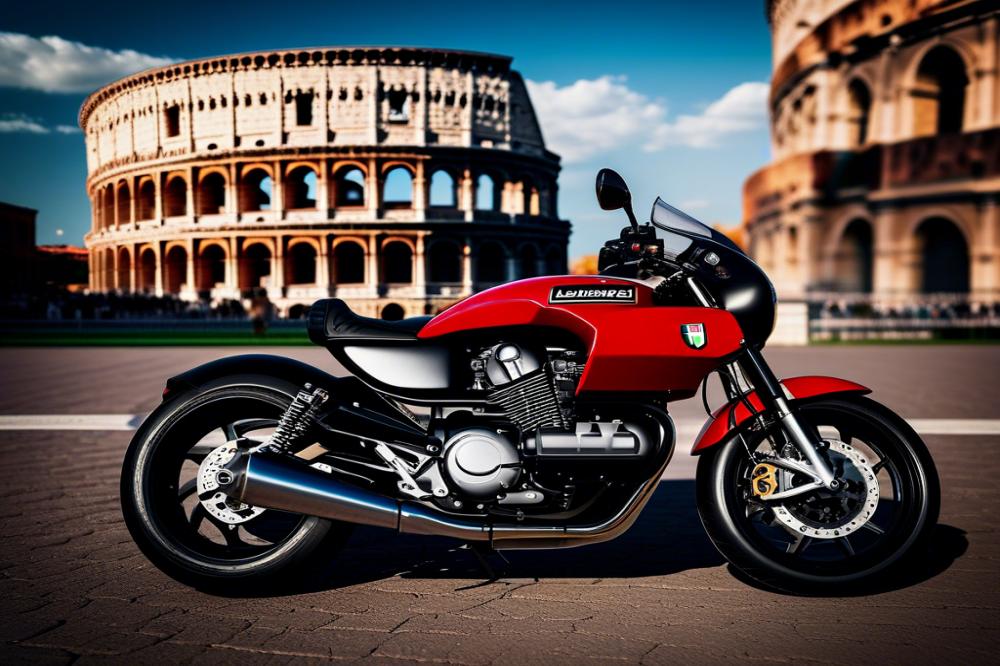
Design plays a crucial role in Italian motorcycle brands. Speed and aesthetics go hand in hand. A striking appearance can attract buyers as much as performance specs can. Every curve and line is crafted to evoke passion and excitement. Manufacturers understand that bikers care about visuals just as much as they do about engineering. Quality design can reflect the heritage and values of a brand, creating a lasting connection with fans.
Influence of Italian culture and art on motorcycle aesthetics
Italian culture is rich in art and creativity. This cultural abundance impacts motorcycle design. Influences can be seen in color choices, shapes, and styles. Artists and designers work together to create bikes that are visually compelling. Racing is deeply woven into the culture, infusing a sense of speed into the designs. An appreciation for beauty drives innovation in these machines.
Case studies of iconic designs from leading manufacturers
Ducati stands as an example of excellence in design. Their Panigale series blends performance with stunning looks. Aerodynamics meet art in each model. Another noteworthy mention is the MV Agusta F4. This motorcycle showcases sleek lines and vibrant colors, making it a true work of art. Yamaha’s designs also reflect the passion for racing and performance, emphasizing boldness.
Each of these brands has cultivated a unique identity through design. They push boundaries while honoring tradition. Observing the details reveals how deeply culture shapes motorcycle aesthetics. Every masterpiece tells a story, resonating with enthusiasts everywhere.
Brands that Define Italian Motorcycles
Overview of Major Motorcycle Brands
Many motorcycle brands originate from this country. Companies like Ducati, Aprilia, and Moto Guzzi stand out. Each has a distinctive approach to speed and performance. The rich culture of racing fuels their strategies. Ducati excels in sport bikes, focusing on cutting-edge engineering. Aprilia balances performance with day-to-day usability. Moto Guzzi emphasizes classic design and a unique riding experience.
Each Brand’s Unique Approach to Speed and Performance
Ducati’s passion for speed is evident in its race-ready models. Its designs often include aerodynamic features to enhance performance. This brand has won numerous championships, showcasing its commitment to excellence. Aprilia captures attention with its innovative technology. Its bikes often include advanced features like ride-by-wire throttle systems. Moto Guzzi, however, takes a different path. Emphasizing reliability, it combines comfort with solid engineering. Each brand tells a story through their machines, reflecting their own vision of performance.
Analysis of Brand Heritage and Its Impact on Consumer Perception
Heritage plays a vital role in how consumers view these brands. Ducati’s racing history creates a strong sense of prestige. Riders associate it with high-octane thrills and elite performance. Aprilia’s background in racing also enhances its appeal. Many enthusiasts appreciate its blend of speed and practicality. Moto Guzzi connects emotionally with fans, showcasing a timeless, classic look. This connection transforms consumers into loyal supporters. Brands that honor their history often inspire deep trust and admiration. Overall, much of their reputation stems from their ongoing commitment to innovation and design. Each brand, influenced by Italy’s unique culture, contributes to a passionate motorcycle landscape.
Innovation Trends in Motorcycle Development
Emerging technologies and their adoption in Italian motorcycles
Advanced technologies are transforming the motorcycle industry. Italian brands are at the forefront, embracing innovations like electronic safety systems and connectivity features. Many new models come equipped with traction control, anti-lock braking systems, and rider aids designed to enhance safety and performance. Moreover, the integration of smartphones into bike systems allows for navigation and performance tracking. This push towards modernization reflects a deep-rooted passion for speed that drives manufacturers to explore cutting-edge engineering.
Sustainability in design and engineering
Sustainability is becoming increasingly essential in motorcycle design. Manufacturers are now focusing on eco-friendly materials and production processes. Using lightweight composites reduces carbon emissions during manufacture. Additionally, electric motorcycles are gaining traction in the market. These models not only offer high performance but also align closely with modern environmental standards. This shift meets a growing demand for responsible consumer choices, blending the heritage of racing with contemporary values.
Future trends in performance and speed
Performance is key in the world of motorcycles, and future trends point toward even greater advancements. Enhanced aerodynamics and lighter frames promise to boost speed significantly. Innovations like adaptive ride height systems can also change how riders experience the road. As electric bikes improve in their range and speed, traditional gas-powered models will face stiffer competition. Racing culture is set to influence these developments as brands seek to maintain their edge. The dynamics of the industry will continue evolving, fueled by the unwavering passion for speed and the thrill of the ride.
Final Reflections on Italy’s Influence in Motorcycle Development
Italy’s deep-rooted enthusiasm for speed significantly shapes how motorcycles are designed and built. This passion goes beyond mere thrill; it fosters innovation. Manufacturers constantly push boundaries, striving to create models that are not just functional, but also exhilarating to ride. Emphasis on aesthetics adds another layer to Italian motorcycles. The curves and contours of these machines are just as important as their engine performance.
The lasting impact of Italian motorcycles can be clearly seen across global markets. Brands like Ducati, Aprilia, and MV Agusta are symbols of excellence in the industry. Their presence not only inspires local riders but also attracts enthusiasts from around the world. These motorcycles represent a blend of tradition and modernity, making them desirable across different cultures. It’s not just about riding; it’s about joining a community that prizes artistry in motion.
Looking ahead, the future of motorcycle manufacturing in Italy appears bright. Emerging technologies, such as electric engines and smart features, are already being explored. As the industry evolves, traditional manufacturers will need to adapt to stay relevant. The commitment to quality, style, and performance must remain a top priority. By embracing change while honoring heritage, Italy can continue to lead the way in motorcycle innovation.

