
Introduction
The world of Italian motorcycle manufacturing is a blend of tradition and cutting-edge technology. Renowned brands like Ducati, Aprilia, and Moto Guzzi showcase the rich heritage of this country. These manufacturers have successfully combined their historic craftsmanship with the need for modern innovation. This unique mix helps them stand at the forefront of the motorcycle industry.
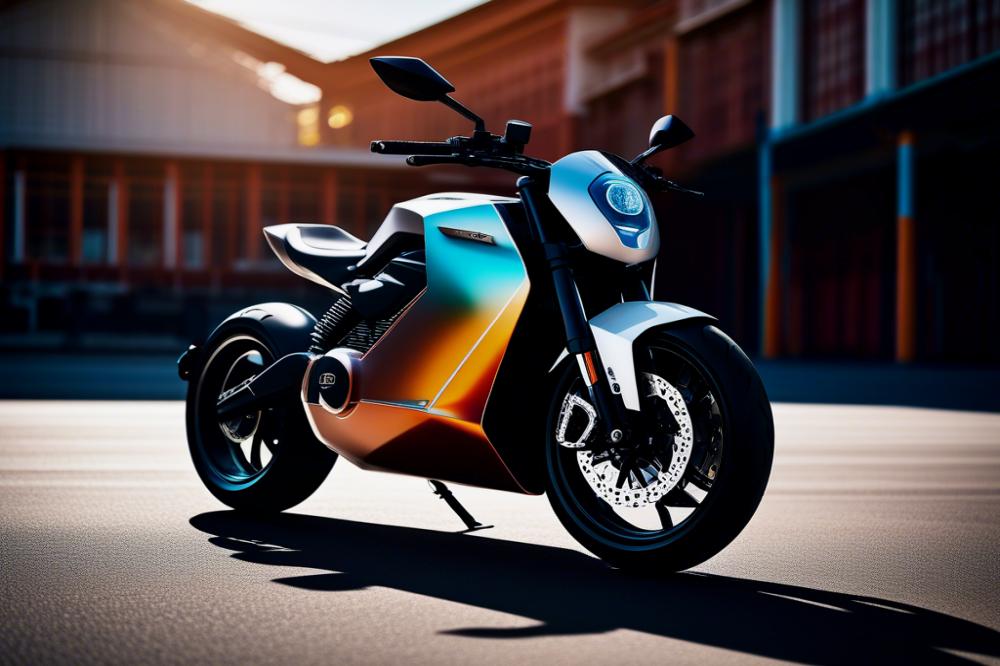
Innovation plays a crucial role in today’s fast-changing marketplace. As consumers seek performance enhancements and eco-friendly options, electric motorcycles are gaining traction. The move towards sustainable manufacturing practices reflects a growing awareness of environmental issues. These shifts signal a time when manufacturers are prioritizing a greener future while maintaining high performance.
Courses in advanced materials have opened doors for new possibilities in design innovation. Companies are exploring lightweight yet durable options, which enhance speed and agility. The integration of smart technology in motorcycles is setting a new standard. Features like connected motorcycles allow for real-time data sharing, providing riders with enhanced control and information.
Furthermore, the rise of industry 4.0 is transforming how motorcycles are produced. Automation and digital systems streamline production, making it efficient and precise. Heritage brands benefit from their established identities while adapting to motorcycle manufacturing trends. Customization also remains a favorite among riders, allowing everyone to express their individuality.
In conclusion, the future of Italian motorcycle innovation is promising. Manufacturers are balancing their storied past with a visionary approach to the present and future. As trends evolve, the industry must embrace new technologies and sustainability. This journey will redefine what it means to ride a motorcycle in Italy and beyond.
Italian motorcycle innovation
Innovation is the process of developing new ideas and improving existing products. In motorcycle manufacturing, it plays a crucial role. This evolution helps brands stay relevant and competitive in a fast-changing market. Manufacturers must adapt to new technologies and customer preferences. Italian motorcycle makers have a long history of innovation that significantly shapes the industry.
Key Historical Innovations in Italian Motorcycle Manufacturing
Italy has produced remarkable motorcycles since the early 20th century. Brands like Ducati and Moto Guzzi revolutionized performance with their powerful engines. In the 1960s, Vespa introduced the scooter trend, making two-wheeled transport accessible to many. These heritage brands laid the foundation for a culture of creativity and engineering excellence. More recently, advancements in electric motorcycle technology have emerged. This shift reflects a growing focus on sustainability and environmental concerns.
Impact of Italian Design and Engineering on Global Markets
Italian craftsmanship is synonymous with style and performance. The emphasis on design innovation sets the standard for motorcycles worldwide. Advanced materials enhance the durability and efficiency of these machines. By incorporating smart technology, Italian manufacturers offer features that enhance rider experience. Connected motorcycles provide real-time data and connectivity for riders. This intersection of style and technology defines modern Italian bikes.
Customization options also play a vital role in appealing to consumers. Riders desire vehicles that reflect their individual styles. Italian companies often offer tailored modifications, allowing each bike to be a personal statement. In an era defined by Industry 4.0, these developments signify a blending of tradition with the future. With each new trend, Italy remains a leader on the global motorcycle stage, paving the way for future advancements in the industry.
electric motorcycles
Rise of Electric Motorcycle Models in Italy
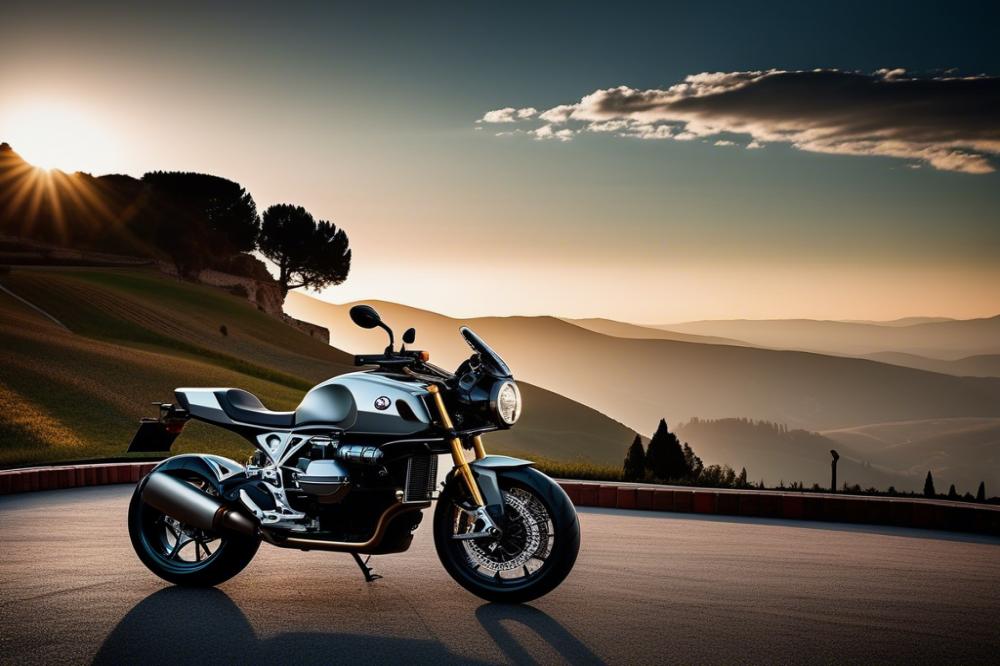
Electric motorcycles are gaining traction in Italy. Riders are starting to prefer cleaner alternatives to traditional gas-powered bikes. Local manufacturers are responding to this shift in the market. More models feature modern designs and eco-friendly approaches. The demand for sustainable manufacturing practices continues to grow. Italian consumers are increasingly environmentally conscious. They favor brands that contribute positively to the planet. This change in mindset is driving innovations in the industry.
Major Italian Brands Entering the Electric Market
Prominent heritage brands are now diving into the electric sector. Ducati and Vespa have recently unveiled their electric models. These companies leverage decades of experience while adapting to new trends. This mix of tradition and innovation appeals to many riders. Notable startups are also emerging, showcasing fresh ideas. They offer vibrant designs and advanced materials that attract younger audiences. The electric motorcycle market is becoming diverse and competitive. Each brand is searching for ways to stand out.
Technology Developments in Battery Systems and Performance
Battery technology is advancing rapidly in the world of electric motorcycles. New systems promise longer ranges and quicker charging times. Performance enhancements are becoming commonplace, rivaling traditional motorcycles. Smart technology integration is changing how riders interact with their bikes. Connected motorcycles provide real-time data and navigation. This type of innovation introduces a more engaged riding experience. Customization options also enhance personal expression for riders. The blend of cutting-edge technology and unique designs is reshaping the landscape. Industry 4.0 principles are at play, pushing efficiency and creativity further. With the focus on electric models, the future of Italian motorcycle manufacturing looks promising and full of potential.
Sustainable Manufacturing Practices
Environmental consciousness shapes the future of Italian motorcycle manufacturing. Companies increasingly focus on ecological sustainability in production processes. Commitment to reducing waste drives innovation. Many manufacturers are exploring cleaner production methods and minimizing their carbon footprints.
Electric motorcycles are gaining traction, providing a glimpse into a greener future. With advancements in smart technology, performance enhancements are possible without heavy reliance on fossil fuels. These innovations are not just about environmental responsibility—they also appeal to a growing consumer base that values sustainability.
Using recycled materials presents a practical solution. Advanced materials like lightweight alloys and sustainable composites are emerging in motorcycle designs. Such materials help manufacturers create products that are not only lighter and stronger but also less harmful to the planet.
Industry standards and regulatory influences encourage this shift toward sustainable practices. Compliance with new regulations pushes companies to adapt and innovate. Many heritage brands realize that embracing sustainability is vital for their longevity.
Customization is becoming mainstream. Riders now expect more personalized options, fueling demand for unique designs. Connected motorcycles integrate smart technology, enhancing user experience while maintaining an eco-friendly approach.
Industry 4.0 plays a significant role, as smart factories become the norm. Automation and data analytics enable manufacturers to optimize production processes and reduce waste. This modern approach fosters a more sustainable future, aligning with global standards for production.
Advanced Materials and Performance Enhancements
The motorcycle industry in Italy is witnessing a shift with the emergence of lightweight materials in design. Brands are now utilizing advanced composites and alloys to reduce weight without compromising strength. This focus on lighter bikes enhances speed and fuel efficiency, a key desire among riders.
Innovations in safety and performance technologies are becoming the norm. Advanced braking systems and traction control play significant roles in enhancing rider safety. Electric motorcycles are also benefiting, incorporating smart technology that connects to riders’ mobile devices. This feature adds a layer of security and convenience.
Collaboration with materials science is taking durability to new heights. Engineers work closely with scientists to discover materials that resist wear and tear. Heritage brands are keen to explore sustainability, ensuring their production methods align with the goals of eco-friendly consumers. Sustainable manufacturing processes are being integrated, showcasing a commitment to the environment.
Customization options are expanding thanks to advancements in design innovation. Riders can now personalize their motorcycles, reflecting their unique tastes and styles. Connected motorcycles are emerging, transforming how riders interact with their machines. They allow for a smarter riding experience by tracking performance metrics and providing real-time data.
Performance enhancements are not just about speed. The integration of industry 4.0 principles is redefining production and operation processes. Manufacturers are adopting automated systems and data analytics to improve efficiency. As a result, the future looks bright for Italian motorcycle innovation.
Smart Technology and Connected Motorcycles
Integration of IoT and Connectivity Features
Smart technology is changing how riders interact with motorcycles. The Internet of Things (IoT) is at the core of these changes. Riders can now monitor their bike’s performance in real-time. Sensors embedded in the motorcycles collect data about speed, fuel efficiency, and engine health. This information is transmitted to smartphones and other devices. Riders can receive alerts about maintenance needs or potential problems. Connectivity features are making it easier for riders to stay informed about their vehicles.
Benefits of Smart Technology for Riders and Manufacturers
Benefits of these technologies extend beyond convenience. Safety enhancements are becoming more common, as smart features can offer collision warnings. Customization options also play a role, allowing riders to tailor their bikes to their personal preferences. For manufacturers, these innovations mean better data can improve product development. Advanced materials can be combined with smart technology to create lighter, stronger motorcycles. Sustainability is a priority, and intelligent systems can help monitor the environmental impact of production.
Future Trends in Digital Enhancements for Motorcycles
Looking ahead, digital enhancements will likely evolve significantly. Industry 4.0 is reshaping manufacturing processes. Expect progress in electric motorcycles that come equipped with state-of-the-art connectivity. Design innovation will take center stage, providing more engaging user experiences. Heritage brands are also beginning to adopt these trends while staying true to their roots. Performance enhancements will integrate with smart features, leading to a blend of power and intelligence. Overall, the future holds endless possibilities for connected motorcycles, transforming how riders experience the open road.
Industry 4.0 and Manufacturing Innovations
The future of Italian motorcycle manufacturing is being reshaped by Industry 4.0. Automation and artificial intelligence (AI) are entering production lines. This shift enhances efficiencies and reduces costs. Manufacturers now rely on smart technology to streamline processes. Robotics play a crucial role, taking over repetitive tasks and allowing skilled workers to focus on creativity.
In Italy, several motorcycle factories have embraced these advancements. For instance, brands are using connected motorcycles to provide real-time data on performance. This allows for quick adjustments in production. Additionally, factories use advanced materials to make bikes lighter yet stronger. These innovations lead to noteworthy performance enhancements.
Sustainable manufacturing practices are gaining traction. The emphasis on electric motorcycles aligns with global environmental goals. By reducing emissions, these companies contribute to a greener future. Meanwhile, heritage brands are integrating modern tech, preserving their rich history while looking forward.
Customization has become a key trend as well. Riders increasingly seek personalized options for their bikes. Manufacturers are responding with tailored solutions that reflect individual styles. Advanced design innovation makes this possible, allowing for unique creations that stand out in the market.
Looking ahead, the trend towards digitization is expected to accelerate. Manufacturers will continue to invest in smart factories. These facilities will maximize efficiency through data analytics and automation. The goal is to meet the rising demand for high-quality motorcycles while maintaining competitive pricing.
As these changes unfold, the Italian motorcycle industry will likely redefine its legacy. The blend of tradition and modernity paves the way for exciting opportunities. Indeed, the future looks promising for those embracing these manufacturing trends.
Heritage Brands and Customization Trends
Role of heritage brands in Italian motorcycle culture
Heritage brands have a deep-rooted presence in Italian motorcycle culture. They symbolize tradition and craftsmanship, telling stories that connect riders with history. Brands such as Ducati and Moto Guzzi hold significant status, reflecting the country’s passion for two-wheeled machines. These companies often emphasize their long legacy in design and engineering. Enthusiasts cherish the charm of models that have stood the test of time. Often, these motorcycles are seen as more than vehicles; they’re pieces of art steeped in nostalgia. Riders feel a bond with the legacy that heritage brands represent. This emotional connection plays an essential role in maintaining their popularity.
Rise of customization and personalization in motorcycles
Customization is reshaping the motorcycle landscape. Many riders seek to personalize their machines to reflect individuality. From paint jobs to performance enhancements, the options are endless. The rise of online communities allows enthusiasts to share their ideas and creations. Many new motorcycle owners want their bikes to stand out, making each ride a personal statement. Custom shops are popping up everywhere, offering unique modifications tailored to client desires. Some manufacturers even embrace this trend by providing customizable options right from the factory. As a result, riders can blend their needs with the artistry of craftsmanship.
Balancing tradition with modern innovation in design
Finding a balance between tradition and contemporary design is vital. Italian motorcycle innovation is at the forefront of this challenge. New technologies, like smart technology and connected motorcycles, push the boundaries. Sustainability is increasingly important, with many brands moving towards sustainable manufacturing practices. Advanced materials are being utilized, offering lighter, stronger bikes. However, the aesthetic rooted in Italian heritage remains crucial. The art of designing motorcycles is still about capturing the essence of Italian style. By integrating design innovation with advanced engineering, manufacturers maintain nostalgic features while enhancing performance. Riders appreciate the blend of old and new, ensuring that tradition thrives in an evolving market.
Final Reflections on the Future of Italian Motorcycle Manufacturing
Summary of Trends and Innovations Shaping the Future
The landscape of motorcycle manufacturing in Italy is changing. New technologies are entering the scene, shaping the way motorcycles are designed and produced. Electric motorcycles are gaining traction, showcasing an industry keen on embracing the future. Moreover, innovations in materials and production processes are leading to lighter, more efficient bikes. The shift towards sustainable manufacturing is becoming more significant as companies seek to reduce their environmental impact. All these trends point to a dynamic shift that reflects society’s growing demand for greener options.
The Ongoing Legacy of Italian Motorcycle Manufacturing
Italian manufacturers have a rich history in motorcycle production. Companies like Ducati and Moto Guzzi have long set standards with their unique designs and advanced engineering. This legacy provides a strong foundation. As new challenges arise, the industry is likely to rely on its past achievements while venturing into new territory. Balancing tradition with modern creativity will be essential for maintaining relevance. The passion for riding and craftsmanship remains alive, inspiring new generations of engineers and bikers alike.
Final Thoughts on the Potential of Italian Innovation in the Industry
Italian innovation holds great promise for the motorcycle industry. With a focus on electric models and eco-friendly practices, the future looks bright. Enthusiasts can expect exciting developments that continue to blend style with performance. The commitment to progress indicates that Italian manufacturers are ready to adapt and lead. They have the potential to set trends that others will follow. As the industry evolves, it’s clear that Italian motorcycle manufacturing will remain influential. Embracing change while honoring their legacy is a path forward that will resonate with riders around the world.

