
The Role of Italian motorcycle manufacturing in the global market
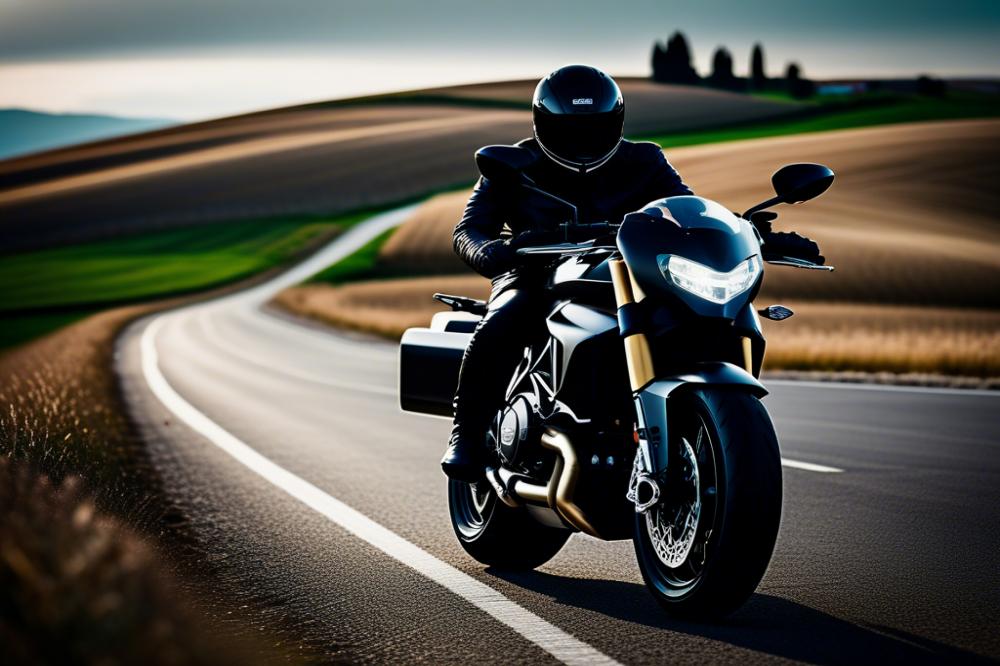
Italian motorcycle manufacturing is a vibrant sector within the larger automotive industry. It plays a significant role in shaping global market trends. Known for their distinct style and performance, Italian brands have carved out an esteemed reputation. Manufacturers like Ducati, Piaggio, and MV Agusta stand at the forefront of this reputation, captivating enthusiasts around the world.
Ducati is renowned for its high-performance sports bikes. These machines are not only powerful but also a symbol of Italian engineering excellence. Piaggio, on the other hand, offers a range of scooters and touring motorcycles that appeal to a diverse audience. MV Agusta excels in creating well-crafted bikes that resemble works of art on two wheels. Each manufacturer brings something unique to the table, showcasing Italy’s rich heritage in motorcycle design.
Craftsmanship and innovation are cornerstones of the industry. Skilled artisans pour their expertise into every bike, ensuring quality and attention to detail. This dedication to excellence elevates products beyond mere transportation. Innovations in technology have also led to lighter frames, advanced safety features, and enhanced performance. Each new model often reflects a blend of tradition and modern advancements.
This dedication to quality and progressive development is pivotal for remaining competitive in the global market. Trends shift rapidly, but Italian motorcycle brands adapt. They find ways to meet changing consumer desires, whether for speed, comfort, or sustainability. Such adaptability guarantees that Italian manufacturers maintain their status in the ever-evolving motorcycle landscape.
The History of Italian Motorcycles
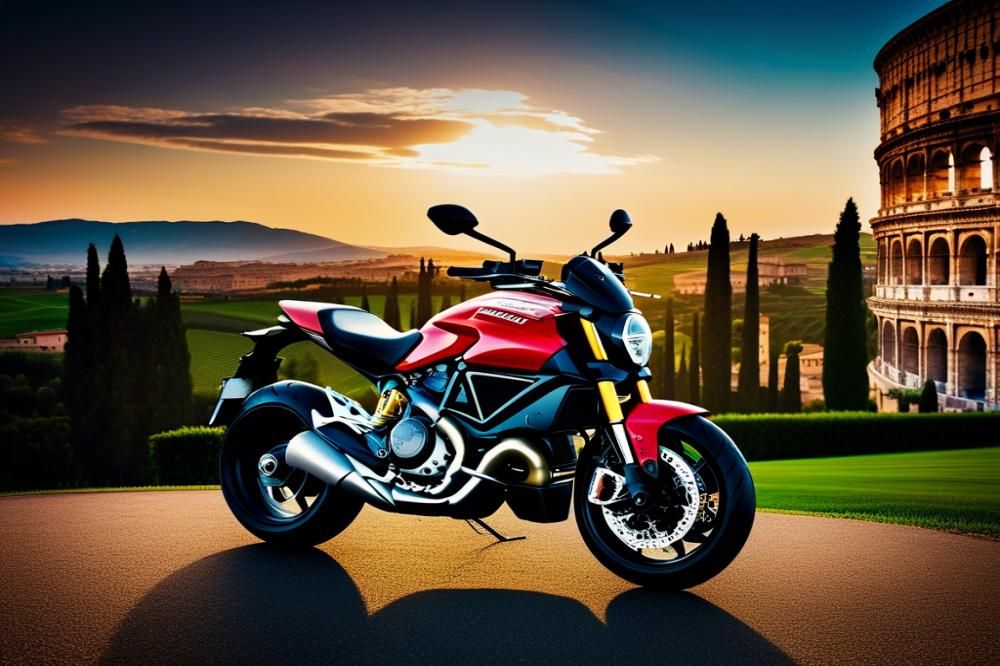
Motorcycle manufacturing in Italy has a rich history that dates back to the early 20th century. As the country began to industrialize, various companies started to emerge. These businesses capitalized on the growing demand for personal transportation. It didn’t take long for Italian brands to gain recognition.
During the 1920s and 1930s, many iconic brands began to make their mark. Ducati started in 1926, initially producing radio components, but soon shifted to motorcycles. Pistons and cylinders were among their key innovations. The quality of their craftsmanship laid the groundwork for future success.
Post-World War II marked a significant turning point. The automotive industry faced a demand for affordable and reliable transportation. Companies like Piaggio released models that catered to this need. The Vespa, launched in 1946, became a symbol of freedom and style. This success inspired many small manufacturers to enter the market.
The 1960s and 1970s saw a rise in sports bikes. MV Agusta emerged as a leader, showcasing high-performance bikes. Their designs emphasized speed and agility. This era popularized racing culture, which influenced motorcycle design and performance worldwide.
As decades passed, innovation continued to drive the industry. Brands adapted to changing market trends. Touring motorcycles gained popularity, providing comfort for longer journeys. The blend of practicality and design drew in more customers, both locally and internationally.
In recent years, Italian brands have maintained their prominence in the global market. Companies like Ducati have not only survived but thrived. They introduced models that appeal to a diverse audience. Enthusiasts and casual riders alike appreciate the dedication to performance and style.
The unique contributions of these manufacturers have strengthened the reputation of Italian Motorcycles. The focus on craftsmanship and innovation helped establish enduring legacies. Key players like Piaggio and MV Agusta continue to shape the future of the automotive industry.
Iconic Brands and Their Influence
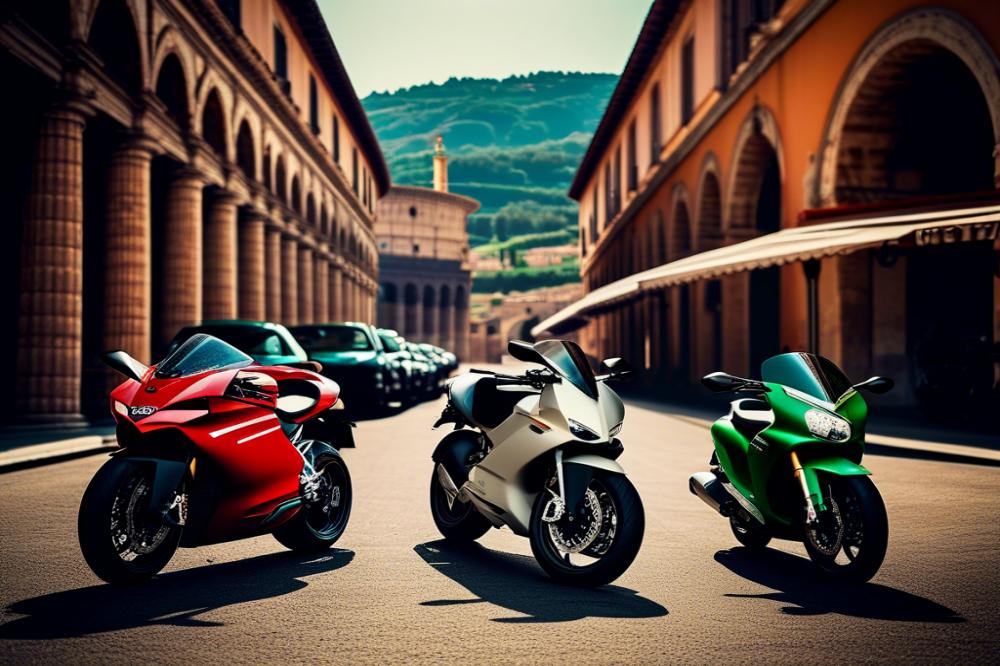
The Italian motorcycle industry is home to some of the most iconic brands in the world. Each has its own story and a unique place in the global market. Let’s explore three major players: Ducati, Piaggio, and MV Agusta.
Ducati: Innovation in Sports Bikes and Technological Advancements
Ducati stands out for its thrilling sports bikes. This brand is known for pushing the boundaries of performance and innovation. Riders adore their high-speed models that dominate racetracks around the globe. Ducati constantly develops advanced technology, ensuring that their motorcycles remain competitive. Features like traction control and cornering ABS set them apart. These innovations attract a dedicated following and drive trends in the automotive industry.
Piaggio: Leading the Scooter Market and Its Impact on Urban Mobility
Piaggio is the king of scooters. Their Vespa model has become a symbol of style and practicality. This brand plays a crucial role in urban mobility. With cities becoming more congested, Piaggio scooters offer a smart solution for commuting. They are not just vehicles; they represent a lifestyle choice for many. As urban areas continue to grow, Piaggio adapts its offerings to meet changing market trends. Their focus on eco-friendly technology also attracts a new generation of riders.
MV Agusta: High-End Craftsmanship and Design in Motorcycles
MV Agusta is synonymous with luxury in the motorcycle world. Their bikes showcase stunning design and impeccable craftsmanship. Each motorcycle is a work of art, turning heads everywhere. This brand targets enthusiasts who appreciate the finer details. With a lineup of powerful touring motorcycles and sporty models, MV Agusta creates a unique experience for riders. Their limited production runs make owning one even more special. It’s about more than just riding; it’s about prestige and passion.
In summary, these brands highlight the rich tapestry of the Italian motorcycle segment. Ducati leads with technology and speed, while Piaggio revolutionizes city travel. MV Agusta, with its exquisite craftsmanship, defines luxury in riding. Together, they shape the global market and influence trends in the automotive industry like no others.
Craftsmanship and Innovation
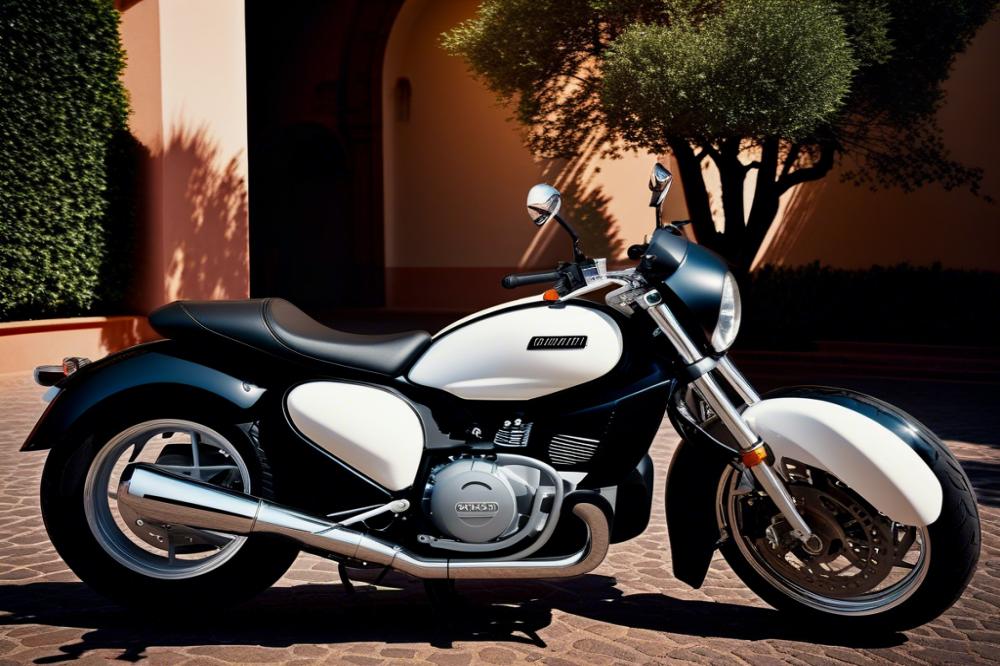
Italian motorcycle manufacturing is known for its deep roots in traditional craftsmanship. This artistry has been honed over generations, with skilled artisans taking great pride in every aspect of production. From the very beginning, attention to detail sets these bikes apart. Ducati and MV Agusta are prime examples of brands that fuse this timeless craftsmanship with modern technology.
Innovation plays a crucial role in the industry’s success. It pushes the boundaries of what motorcycling can be. Companies like Piaggio have embraced new materials and processes to create lighter, more efficient engines. This commitment to technology helps Italian manufacturers stand out in the global market. Whether it’s advanced fuel-injection systems or cutting-edge aerodynamics, innovation drives progress in design and performance.
The diverse range of motorcycles produced showcases the balance of tradition and new ideas. Sports bikes often feature aggressive styling and powerful engines. Touring motorcycles, on the other hand, focus on comfort and long-distance capabilities. Both categories benefit from breakthroughs in technology, appealing to different segments of riders worldwide.
Current market trends indicate a growing desire for environmentally friendly options. Manufacturers are increasingly exploring electric motorcycles. This shift not only meets demand but also reflects a spirit of innovation that is ever-present in the automotive industry. As companies adapt to these changes, they continue to emphasize their heritage of craftsmanship while paving the way for the future.
Collaboration with tech firms further enhances motorcycle design. The integration of smart technology, like connectivity and advanced safety features, speaks to modern riders. It’s about more than just speed; it’s about offering a comprehensive riding experience. As such, the Italian approach to innovation ensures that each model resonates with enthusiasts around the world.
Market Trends and Challenges
The global market for motorcycles is evolving rapidly. Recent trends show a strong preference for both sports bikes and touring motorcycles. Consumers are searching for speed and comfort. Italian manufacturers like Ducati, Piaggio, and MV Agusta are closely monitoring these shifts. They adapt their models to suit changing desires. By focusing on performance and long-distance riding, these brands tailor their offerings.
Innovation plays a key role in this industry. Each Italian company weaves craftsmanship into its products. Stunning designs and advanced technology attract enthusiasts worldwide. Riders today demand more than just functionality; they seek style and character in their bikes. Ducati’s exquisite engineering showcases this desire beautifully. Meanwhile, Piaggio has positioned itself well with urban scooters that cater to city dwellers.
However, challenges abound for the Italian motorcycle industry. The competitive environment is fierce. Many global players vie for market share. Economic fluctuations impact consumer purchasing power. Additionally, the rise of electric motorcycles poses a significant threat. Traditional manufacturers must adapt to these changes swiftly. An investment in sustainable technology is crucial for future growth.
Consumer preferences also shift toward eco-friendly options. Many riders are more conscious of their carbon footprints. Thus, Italian brands are exploring electric models while maintaining their heritage. Striking a balance between innovation and tradition is not easy. Flexibility in product lines can help manufacturers remain relevant. The industry’s landscape is constantly transforming, and adaptability is key.
International sales continue to grow, yet navigating regulations can be complex. Different countries have unique rules regarding emissions and safety. Italian businesses must comply or risk losing market access. Maintaining a competitive edge requires not only agility but also keen insight into market trends. As consumers look for more variety, the demand for differentiated products also rises.
The Future of Italian Motorcycles
Looking ahead, the Italian motorcycle manufacturers are poised for a significant role in the global market. Companies like Ducati, Piaggio, and MV Agusta continue to set trends that resonate worldwide. These brands are not just known for their quality; they are icons of automotive innovation.
Predictions and Growth Areas
Market trends show a rising demand for sports bikes and touring motorcycles. This could lead to new opportunities for Italian brands. They are likely to expand their reach by appealing to younger riders. Innovative designs and cutting-edge technology will drive this shift. By investing in electric vehicles, manufacturers can attract environmentally conscious consumers. The growing emphasis on performance and efficiency opens doors to exciting developments.
New Technologies on the Horizon
New technologies are already emerging in the industry. Advanced electronics, including smart connectivity features, will enhance the riding experience. Manufacturers are also exploring lightweight materials for better fuel efficiency. Embracing these technologies can create a competitive edge. With a focus on safety, features like anti-lock braking systems are becoming standard.
Sustainability and Environmental Considerations
Environmental responsibility is a key focus for many manufacturers. As consumer awareness increases, so does the need for sustainable practices. Companies are beginning to prioritize renewable materials and eco-friendly production methods. This shift not only helps the planet but appeals to buyers seeking ethical choices. Striving for sustainability is essential for the future of the motorcycle industry.
Craftsmanship remains a hallmark of Italian brands. Their commitment to detail and quality continues to attract enthusiasts. The blend of artistry and performance defines what sets these motorcycles apart. These traditions, combined with modern innovation, can shape a remarkable future.
Final Thoughts
Italian motorcycles have made a significant mark on the global market. Their influence is not just about performance; it’s about style, history, and tradition. Craftsmanship defines these machines, with each model showcasing an artisan’s touch. This dedication to detail pays homage to Italy’s rich heritage in design and engineering.
Innovation plays a crucial role as well. Companies continuously push boundaries, integrating modern technology with classic designs. This fusion attracts enthusiasts and casual riders alike. As a result, Italian brands earn a reputation for reliability while still delivering excitement. The ever-growing demand for unique riding experiences keeps these manufacturers striving for excellence.
Looking ahead, the future seems promising. With a focus on sustainability, many manufacturers are exploring electric options. This transition could help reshape the motorcycle landscape while maintaining their iconic attributes. Furthermore, a renewed interest in outdoor activities and travel may drive sales. Riders are seeking freedom on two wheels, and these brands are ready to meet that need.
The automotive industry will inevitably feel the ripple effects of these innovations. As Italian manufacturers adapt to shifting consumer preferences, they will continue to lead the way in motorcycle manufacturing. Overall, the legacy they build today will influence generations to come, ensuring that motorcycling remains not just a hobby, but a lifestyle.

