
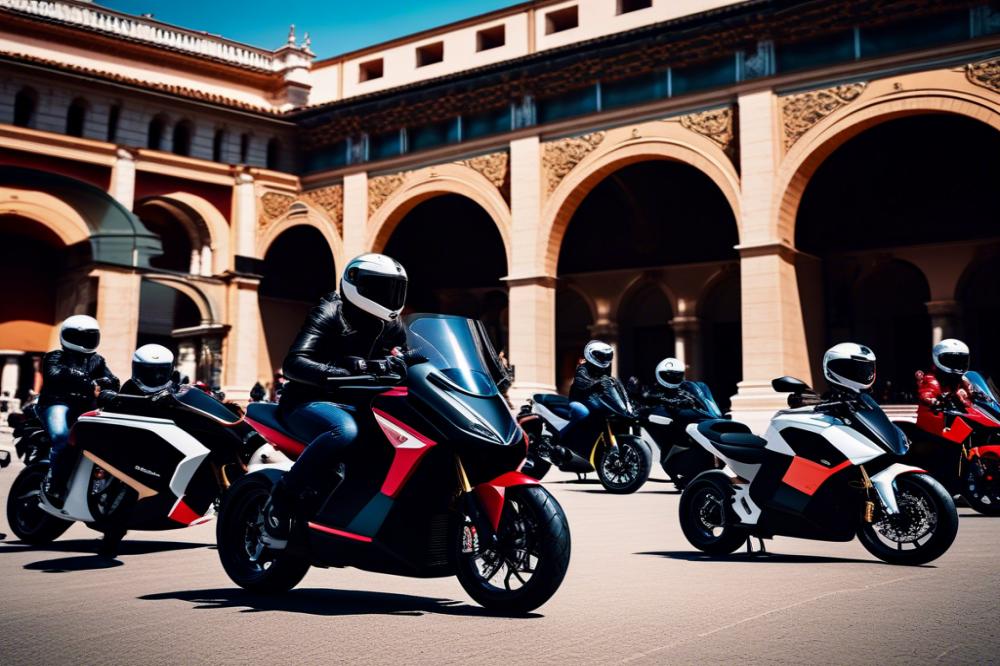
How Italy is Adapting to the Electric Motorcycle Revolution
Overview of the Electric Motorcycle Revolution
A shift toward clean energy is reshaping the ways people travel. Among the driving forces of this change is the electric motorcycle revolution. As gasoline prices rise and pollution concerns grow, consumers are looking for alternatives. These vehicles promise not only lower emissions but also a fun way to navigate through city streets. With ongoing advancements in battery technology, Electric Motorcycles are becoming more accessible and practical.
Importance of Italy in the Motorcycle Industry
Italy holds a special place in the motorcycle industry. Known for its rich history and craftsmanship, the nation has produced some of the world’s most iconic brands. Companies like Ducati and Piaggio set high standards not just for design but also for performance. With the electric movement gaining momentum, Italian manufacturers are stepping up to the challenge. New models featuring electric options are beginning to hit the market. This allows Italy to remain at the forefront of global motorcycle trends.
Impact on urban mobility and sustainability
Urban mobility is undergoing a transformation. Cities are becoming more congested, leading to increased demand for efficient transportation. Electric vehicles are emerging as a solution to this problem. Many locations in Italy are now focusing on enhancing their infrastructure to support these new modes of transport. Government incentives help make purchasing electric options more attractive. These initiatives not only boost sales but also promote sustainability throughout the urban landscape.
The environmental impact of these changes cannot be ignored. By reducing reliance on fossil fuels, cities can improve air quality and reduce noise pollution. This shift offers a cleaner future, aligning with many nations’ goals for sustainability. Italian urban environments stand to benefit greatly from these developments. The embrace of Electric Motorcycles is further proof that Italy is adapting to the revolution in transportation.
The Current State of Electric Motorcycles in Italy
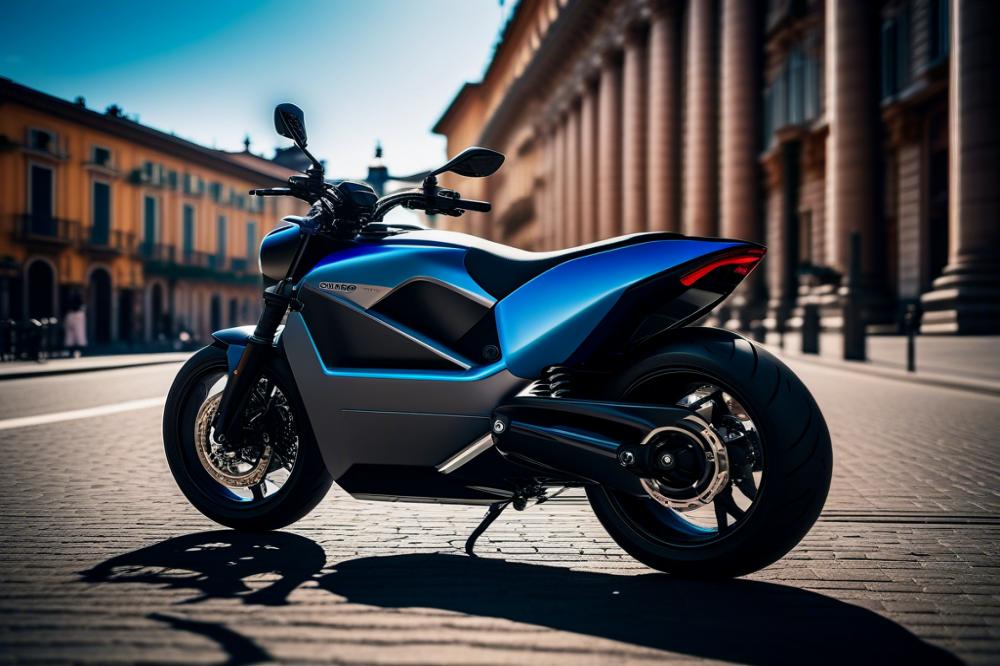
The motorcycle industry in Italy is undergoing a significant transformation. Growing awareness of environmental issues has driven many consumers to seek sustainable options. As a result, the trend for electric motorcycles has started to gain traction. Traditional combustion engines are being increasingly scrutinized due to their negative environmental impact. urban mobility solutions now prominently feature electric vehicles. This shift reflects a broader commitment to clean energy across Europe.
Market Trends in Electric Motorcycles
Recent market trends indicate a steady increase in the demand for electric motorcycles. Sales have surged in metropolitan areas as people consider eco-friendly alternatives. Major cities like Milan and Rome are emerging as hotspots for this new form of transportation. Furthermore, the popularity of e-scooters has paved the way for more interest in electric two-wheelers. Many consumers aim for greater efficiency and lower running costs when evaluating options.
Leading Manufacturers and New Entrants in the Electric Motorcycle Sector
Several manufacturers are now vying for a slice of the electric motorcycle market. Established brands like Piaggio and Ducati are expanding their offerings to include electric models. They recognize the need to adapt to changing consumer preferences and competition. Additionally, new entrants are popping up, challenged to innovate with fresh designs and technology. Startups focus on advanced battery technology to help differentiate their products. Many are also considering partnerships with tech companies to enhance connectivity features.
Comparison with Traditional Motorcycles
When comparing models, electric motorcycles often feature different performance characteristics. While traditional motorcycles excel in speed and range, electric alternatives are benefiting from rapid advancements. Instant torque and lower maintenance costs appeal to many riders. Gasoline-powered bikes, however, still enjoy some advantages, such as longer long-distance travel capabilities. Infrastructure for charging is improving but remains incomplete in many areas, impacting the appeal. Government incentives play a vital role in driving adoption as urban dwellers seek cleaner modes of transport.
Technological Advances in Battery Technology
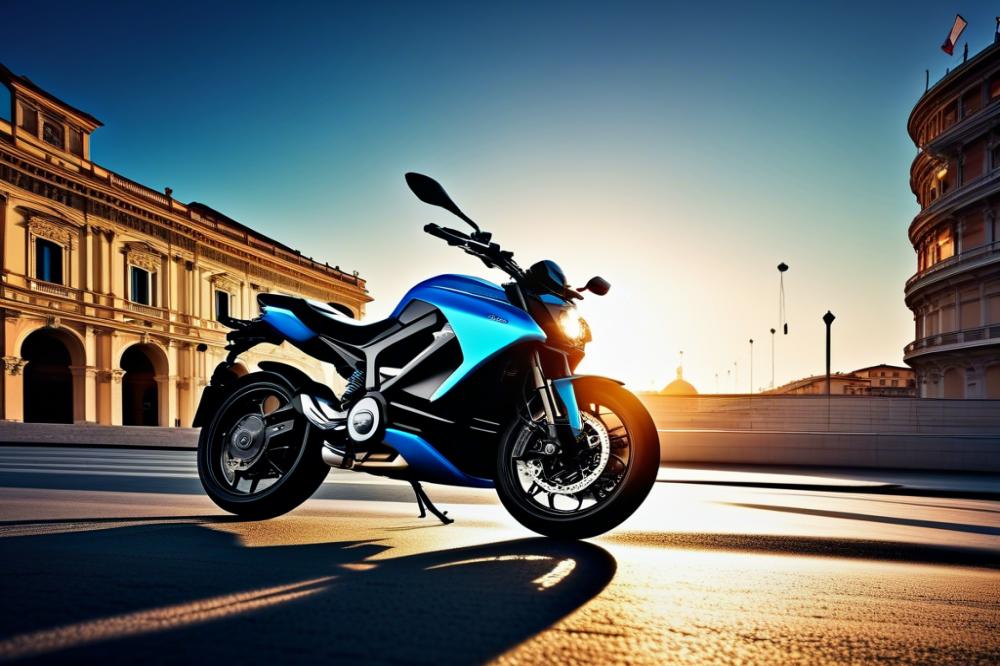
Recent innovations in battery design are changing how we think about electric mobility. Companies focus on improving energy density, which allows more power storage in smaller packages. Advanced materials, such as lithium-silicon, could lead to batteries that charge faster and last longer. These breakthroughs have a direct impact on performance and range. Riders want to go farther with fewer stops, and new battery technology is making that dream possible.
Offering vehicles with increased range supports sustainability. As cities become more populated, they are embracing cleaner transportation options. Electric vehicles are key players in this effort. When battery packs are more efficient, it translates to better urban mobility solutions. Motorists will find it easier to navigate busy streets without the fear of running out of power.
Challenges and Opportunities in Battery Production
Despite progress, challenges remain in the production of batteries. Raw materials, such as lithium and cobalt, are often hard to source sustainably. Supply chain issues can hinder the growth of the motorcycle industry. Addressing these problems can open doors for innovative recycling methods. By reusing materials, manufacturers can reduce their environmental impact. This is crucial for the ongoing success of electric vehicles and the surrounding infrastructure.
The government plays a vital role in these developments. Incentives can encourage companies to invest in cleaner technologies. As market trends shift toward electric models, policy support is essential. Technologies must not only be advanced but also accessible and affordable for all consumers. A concerted effort will help promote broader adoption within society.
Infrastructure Development for Electric Motorcycles
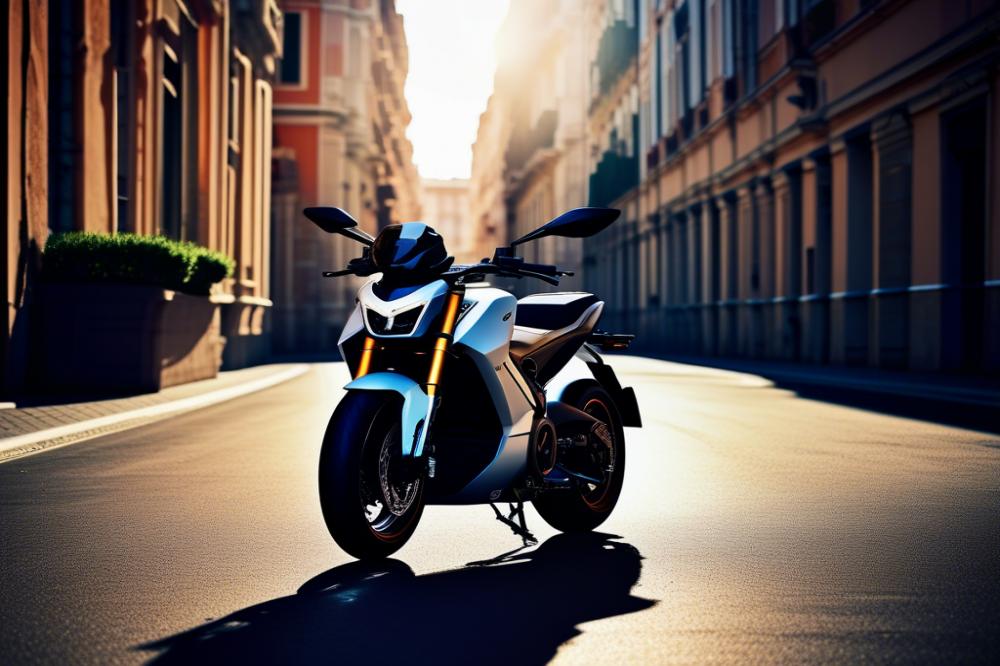
The growth of electric motorcycles in Italy calls for robust infrastructure development. Expansion of charging networks is already underway across the nation. Cities like Milan and Rome are leading the way with plans for more charging stations. As more people become interested in sustainable transport, the demand for these facilities increases. The goal is to make charging as accessible as traditional gasoline stations.
Integration with existing transportation infrastructure is crucial. Adding charging points to traffic hotspots makes sense for urban mobility. Local governments are collaborating with private companies to spot optimal locations. This collaboration often leads to better resource use, benefiting both users and the motorcycle industry. Making these changes not only promotes electric vehicles but also encourages businesses to invest more in this market.
Government initiatives play a vital role in supporting infrastructure development. Some of these include financial incentives for companies building charging stations. Programs designed to enhance battery technology are also part of these efforts. By addressing the environmental impact, these initiatives align with Italy’s goals for a cleaner future. This approach not only aids the transition to electric models but also transforms the motorcycle landscape.
Market trends indicate a rapidly changing landscape. Many people are keen to see how the charging network expands, especially in rural areas. Increased awareness of clean energy options is essential for widespread acceptance. As Italy adapts, the country is setting an example for others. Building a comprehensive infrastructure will be key for encouraging more riders to switch to electric alternatives.
Government Incentives and Regulations
Overview of Italian Government Policies on Electric Vehicles
Italy has been proactive in shaping policies that support the shift to electric vehicles. The government recognizes the necessity of transitioning to cleaner modes of transport. This shift aligns with global movements toward sustainability. In cities where air pollution is a major concern, encouraging electric transportation becomes crucial. Regulations are designed to boost urban mobility and promote cleaner air.
Incentives for Consumers and Manufacturers
Various incentives are available for both buyers and manufacturers. Consumers can benefit from substantial tax reductions when purchasing electric motorcycles. Additionally, rebates help lower the upfront cost, making these vehicles more accessible. Manufacturers are also encouraged through subsidies for research and development. Innovations in battery technology receive special attention. Such investments aim to enhance the efficiency and performance of electric models while supporting the motorcycle industry.
Impact of Regulations on the Motorcycle Industry
Changes in regulations have a noticeable effect on the motorcycle industry in Italy. Stricter emissions standards push companies to adapt quickly. This alteration not only improves environmental impact but also changes market trends. Businesses must adopt clean energy solutions or face penalties. The growing demand for electric vehicles creates new opportunities for entrepreneurs. Furthermore, developing infrastructure, such as charging stations, is essential for supporting this transformation. It’s a crucial step for potential buyers who might worry about range and accessibility.
Environmental Impact of Electric Motorcycles
The shift toward electric motorcycles represents a significant step in reducing emissions. Traditional motorcycles emit greenhouse gases that contribute to climate change. In contrast, electric options produce no tailpipe emissions, making them a cleaner choice for the environment. This change is critical for cities aiming to meet environmental targets and promote clean energy sources.
Reduction of Emissions and Contribution to Clean Energy
Switching to electric vehicles can lead to a notable decrease in air pollution. Fewer harmful gases result in healthier urban areas and lower public health risks. In addition, the use of renewable energy to charge these bikes can enhance their environmental benefits. Governments are also investing in more solar and wind energy, supporting a cleaner grid. By aligning electricity sources with sustainability goals, Italy can boost its reputation as a leader in eco-friendly transportation.
Lifecycle Analysis of Electric Motorcycles Versus Traditional Motorcycles
Evaluating the lifecycle of both types of motorcycles reveals important differences. Manufacturing electric models generally requires more energy initially due to battery technology. However, their operational efficiency often leads to lower overall energy use over time. Moreover, when considering long-term emissions, electric motorcycles tend to have a smaller carbon footprint. This comprehensive view highlights the potential benefits of making the switch.
Role in Promoting Sustainability in Urban Environments
Electric motorcycles have the power to reshape urban mobility. Their compact size and quiet operation make them ideal for congested city streets. As cities grow denser, finding ways to manage traffic while minimizing pollution becomes crucial. Government incentives play a key role here, encouraging more people to adopt electric options through subsidies and tax breaks. Additionally, improved charging infrastructure will make it easier for riders to transition to these vehicles.
Market trends suggest a shift in consumer preferences towards more sustainable options. As awareness of environmental impact grows, many are seeking ways to reduce their carbon footprint. The motorcycle industry is responding with a wider range of electric models to meet increasing demand. This evolution not only helps the planet but also creates new jobs and opportunities in a green economy.
Future Outlook for Electric Motorcycles in Italy
Predictions suggest that the market for electric motorcycles in Italy will see significant growth over the coming years. Many experts believe this upward trend will be driven by increased consumer interest in sustainability and cleaner transportation options. Urban mobility is changing, with more riders seeking alternatives to traditional gasoline-powered vehicles. As battery technology continues to improve, these bikes will become more accessible and efficient.
Potential challenges linger on the horizon. The motorcycle industry must address the shortcomings in charging infrastructure across the nation. Many riders express concern over the availability of charging stations, especially in rural areas. Additionally, while government incentives can promote adoption, they may not reach every potential customer. The initial cost of electric vehicles can still deter some buyers, which poses a hurdle for widespread acceptance.
Italian manufacturers play a critical role in shaping global trends in electric vehicle technology. With a rich history in motorcycle design and production, these companies are well-positioned to innovate and lead. Their expertise in performance and style can attract buyers, even in a crowded market. Collaborations with technology firms may accelerate advancements in clean energy systems, while enhancing the overall riding experience.
The environmental impact of electric motorcycles presents a compelling case for their adoption. Riders concerned about climate change appreciate the reduction of emissions. As urban areas become more congested, lightweight electric options can help ease traffic and reduce pollution. The motorcycle industry is evolving, and Italy’s response may well influence the worldwide shift toward electric transportation.
Final Thoughts on Italy’s Electric Motorcycle Journey
Italy’s adaptation to the electric motorcycle revolution highlights a significant shift in the way the country approaches transportation. Major motorcycle manufacturers are investing heavily in electric technology, showcasing a commitment to sustainability. By embracing this trend, Italy not only contributes to reducing emissions but also positions itself as a leader in eco-friendly urban mobility.
As traditional combustion engines face increasing restrictions, the need for sustainable practices becomes ever more crucial. Motorbike enthusiasts and the manufacturing sector are gradually recognizing this necessity. It is heartening to see that companies are developing innovative solutions, such as energy-efficient models and smarter charging systems. These efforts aim to meet the demands of a changing market while preserving Italy’s rich motorcycling heritage.
Looking ahead, the future of electric motorcycles in Italy appears promising. New advancements in battery technology and design are on the horizon, making electric options more attractive than ever. Consumers are likely to see more stylish, powerful models that do not compromise on performance. Integrating these advancements into urban infrastructure will play a key role in ensuring successful adoption.
In conclusion, the strides Italy is making in this sector reflect a broader global shift towards sustainability. As the motorcycle industry evolves, it will be essential for manufacturers and consumers alike to embrace these changes fully. With continued innovation and a commitment to greener practices, Italy has the potential to redefine urban mobility for generations to come.

