
Overview of Italian motorcycle brands
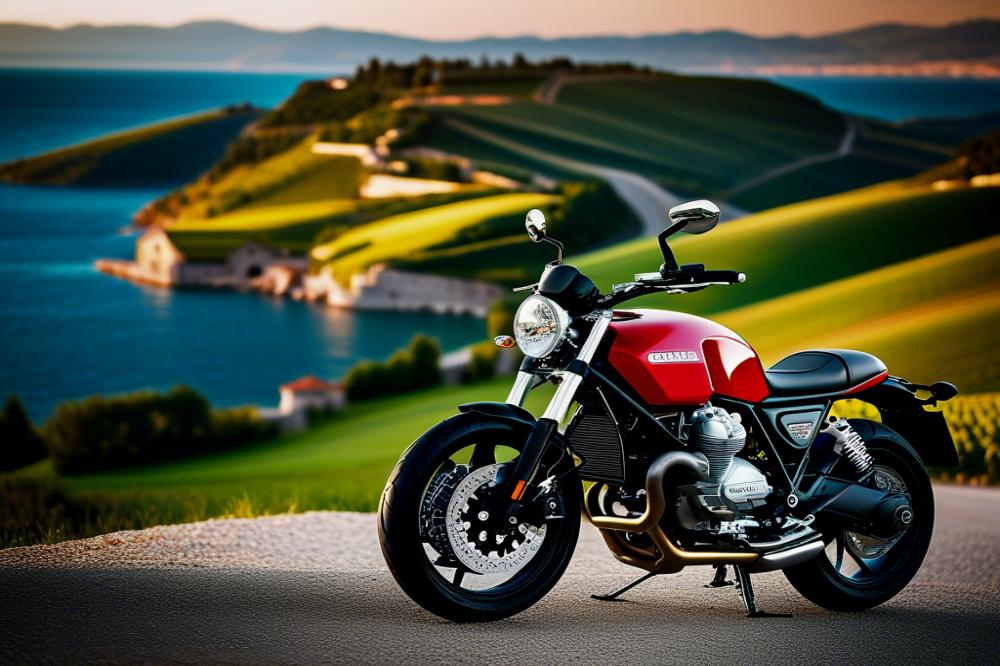
Italian motorcycle brands like Ducati and Moto Guzzi hold a significant place in the global market. Their rich history and distinct design set them apart from other manufacturers. These companies have built a legacy rooted in performance and innovation, attracting riders who appreciate not just speed but also artistry in engineering. While they may not dominate the market share like their Japanese and American counterparts, their impact is undeniable.
Competition in the motorcycle industry is fierce. Japanese manufacturers such as Honda and Yamaha lead with their reliability and cutting-edge technology. American manufacturers, including Harley-Davidson, offer a strong sense of identity and cultural heritage. In contrast, Italian brands focus on creating an experience that combines racing spirit with daily usability. The rivalry between these groups creates a dynamic landscape where consumer preferences often dictate trends and shifts in the market.
Design plays a crucial role in this context. A motorcycle from Italy often evokes passion and style. Riders find themselves drawn to the sleek lines and vibrant colors that define these machines. This contrasts sharply with the practical aesthetics of many Japanese bikes. Performance is another critical factor. Customers value speed and handling, and Italian bikes are built with these aspects in mind.
Heritage significantly influences consumer choices as well. Enthusiasts often seek out brands with a storied past. Ducati, for instance, has a racing pedigree that appeals to sportbike lovers worldwide. Similarly, Moto Guzzi’s charm lies in its unique history and craftsmanship. Recognizing these elements helps Italian manufacturers craft effective market strategies to remain relevant against their Japanese and American rivals.
Facing the challenges posed by larger companies and changing consumer preferences requires adaptation. These brands continuously innovate to stay competitive. By focusing on their strengths—performance, design, and heritage—Italian motorcycle brands strive to keep their unique place in the motorcycle competition.
The Legacy of Italian Motorcycle Brands
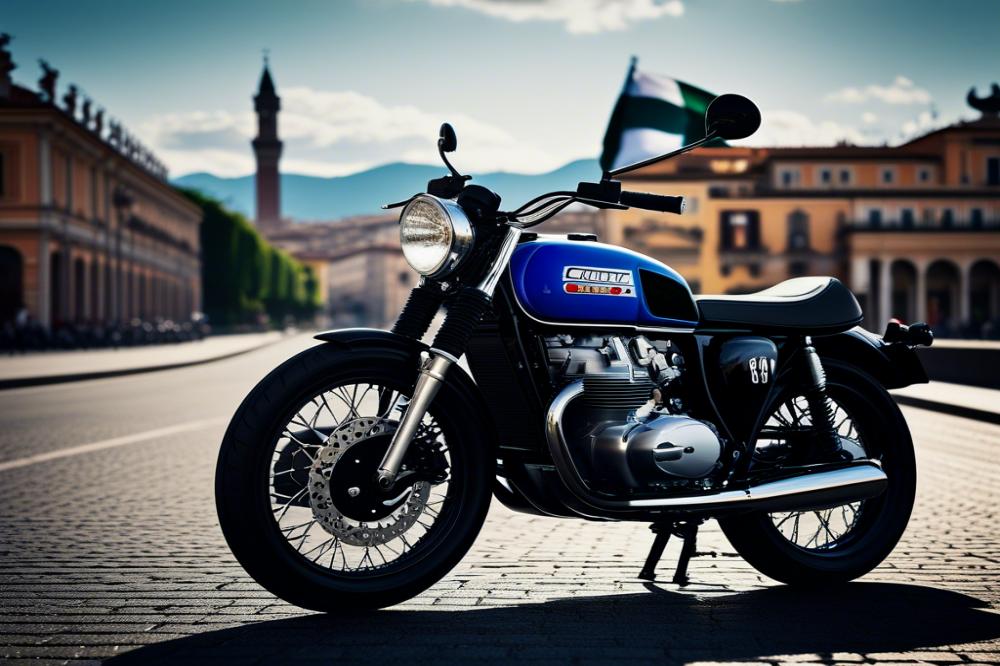
Italian motorcycle brands like Ducati and Moto Guzzi carry a rich heritage. Founded in the early 20th century, these companies have become symbols of style and performance. Ducati, known for its sleek design and powerful engines, exemplifies the perfect blend of tradition and innovation. Moto Guzzi, with its iconic V-twin engine, has a distinct character that sets it apart from competitors.
Craftsmanship plays a significant role in shaping the identity of these brands. Every motorcycle is a result of meticulous attention to detail. The artisans involved take pride in their work, creating machines that are not just functional but also artistic. This dedication to quality attracts riders who appreciate both form and function.
History shapes a brand’s identity in profound ways. Both Ducati and Moto Guzzi have deep roots in racing, which influences their market strategy. They emphasize performance and engineering excellence, traits that resonate with many enthusiasts. These brands often draw on their past successes to inspire new models that honor their legacy while appealing to modern consumer preferences.
Innovation is a crucial aspect of maintaining relevance. Even with a strong heritage, both Ducati and Moto Guzzi continue to evolve. They integrate cutting-edge technology with classic designs. This approach helps them compete effectively against Japanese manufacturers and American manufacturers, who also focus heavily on performance and reliability.
Overall, the allure of these Italian brands lies in their unique blend of heritage and modernity. Riders are drawn to the stories behind each model. This connection to history, combined with artistic design and high performance, helps these brands stand out. As they navigate the challenging motorcycle market, they leverage their past while embracing new ideas.
Performance and Innovation
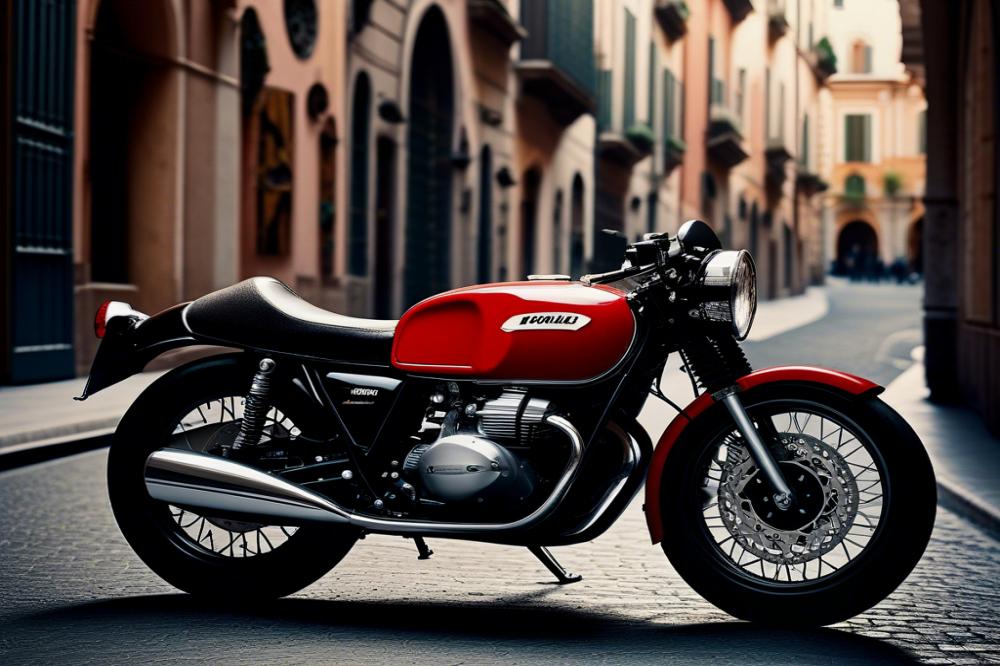
Italian motorcycle brands place a strong emphasis on performance and innovation. Striving to stand out in a competitive market, they focus on technical advancements that appeal to riders. When compared to Japanese manufacturers, the engineering of brands like Ducati and Moto Guzzi reveals a different approach. Italian bikes combine performance with rich design and heritage, targeting enthusiasts who prioritize both speed and style.
Ducati, for example, has been at the forefront of motorcycle technology. Their Panigale V4 showcases impressive engineering, featuring a sophisticated chassis and advanced aerodynamics. This bike is designed not just for straight-line speed but also for handling in corners. Japanese manufacturers, known for reliability, often emphasize user-friendly technology over raw performance. In contrast, Ducati aims to create machines that are thrilling and engaging for serious riders.
Innovation is also evident in Moto Guzzi’s approach. They have introduced new models that incorporate modern technology while respecting their longstanding traditions. The use of their unique transverse V-twin engine offers both power and distinct character. American manufacturers focus primarily on cruising comfort and rugged styles, yet Italian brands seek to captivate those looking for excitement and adventure.
Market strategy plays a significant role in how these companies appeal to consumer preferences. Italian brands target riders who are often searching for more than just a mode of transport. They want a motorcycle that delivers passion and thrills. Features like traction control and ride modes are becoming standard in Ducati’s offerings, showing their commitment to cutting-edge technology. Meanwhile, Moto Guzzi embraces personalization, allowing riders to modify their bikes to reflect individual tastes.
Both Ducati and Moto Guzzi exhibit a blend of performance and innovation that continues to captivate the motorcycle industry. They balance advancements with a sense of history, ensuring that each model tells a story. As these brands push forward, their experience and creativity set them apart from their Japanese and American counterparts who may dominate in other areas.
Design Philosophy and Aesthetic Appeal
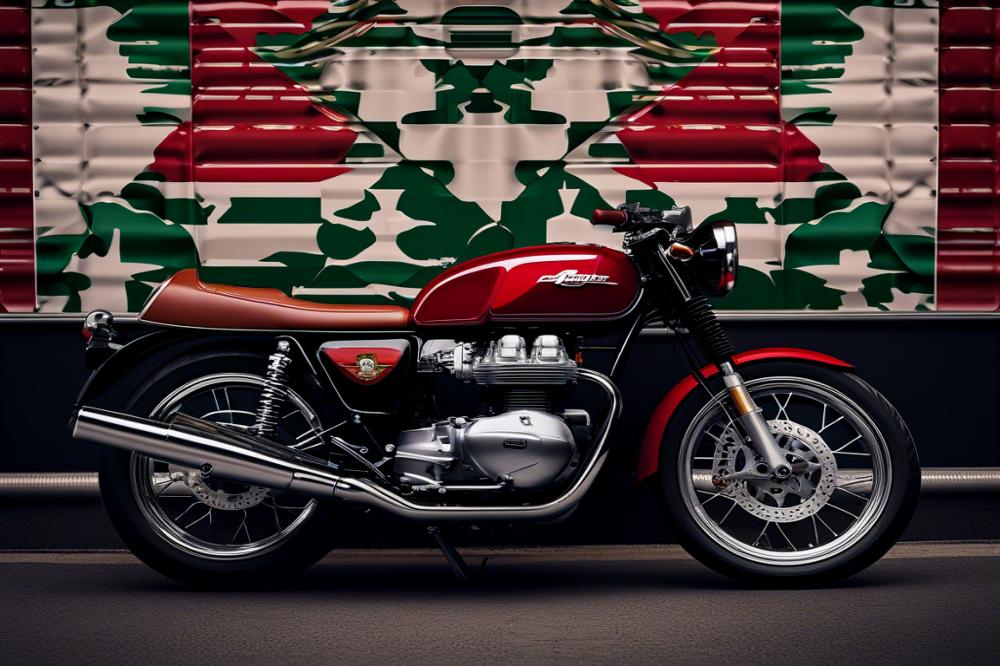
Italian brands like Ducati and Moto Guzzi focus heavily on design. They blend art and engineering seamlessly. Their motorcycles often stand out with stylish curves and vibrant colors. This aesthetic appeal helps attract consumers who value beauty as much as performance.
Japanese manufacturers take a different route. Their designs are often functional and ergonomic. Efficiency tends to be their priority, aiming for practicality over flair. This approach appeals to those looking primarily for durable machines that serve a specific purpose.
American manufacturers, on the other hand, emphasize ruggedness and nostalgia. Harley-Davidson is a prime example of this blend of heritage and individuality. Many riders are drawn to these models for the sense of freedom they represent. A bike that looks powerful often attracts a particular consumer base.
The significance of aesthetics cannot be overstated. When a motorcycle looks good, it creates a strong first impression. Buyers often view a beautiful bike as a reflection of their own lifestyle and values. This aspect plays a critical role in the market strategy of Italian manufacturers. They capitalize on consumer preferences for stylish designs while integrating innovation and performance.
Comparing these philosophies highlights diverse approaches. Italian bikes often incorporate rich histories into their designs. They celebrate their long-standing traditions while pushing towards the future. Meanwhile, Japanese and American brands may rely more on technical specifications and reliability in their marketing. Each brand works hard to resonate with its target audience.
Ultimately, design is more than just appearance. It shapes the overall riding experience. Riders engage emotionally with their motorcycles. That connection can stem directly from how a bike looks and feels on the road. This emotional bond can drive brand loyalty as much as performance. Understanding these design philosophies helps consumers make informed choices.
Market Strategy and Consumer Preferences
Italian motorcycle brands, like Ducati and Moto Guzzi, carve out their niche in a crowded market. They often focus on performance and design, appealing to riders who appreciate style as much as speed. When competing against Japanese and American manufacturers, these brands leverage their rich heritage. This history resonates with consumers looking for authenticity.
Each region has its own consumer preferences. In Europe, riders often prioritize aesthetics and emotional connections to brands. Meanwhile, American manufacturers emphasize power and cruising comfort. Japanese manufacturers usually focus on reliability and advanced technology. Such variances guide how Italian brands market their motorcycles.
Innovation plays a significant role in the strategies of these Italian brands. They continuously refine their offerings to include the latest features. This adaptability allows them to remain competitive. Riders also want models that reflect their identities. Thus, Italian brands often create limited editions or special models to attract specific buyer segments.
Regional differences matter too. For instance, in urban areas, compact and agile bikes are popular. Conversely, in more rural regions, larger touring motorcycles gain favor. Manufacturers must analyze these trends closely, tailoring their market strategies accordingly.
Consumer loyalty is another critical factor. Many riders feel a deep connection to their chosen brand. This emotional attachment helps Italian brands retain customers even when facing fierce competition. Engaging marketing campaigns showcase their heritage and craftsmanship, reinforcing this loyalty.
Ultimately, adapting to competition requires a multifaceted approach. Italian motorcycle brands study market trends while maintaining a commitment to quality. They blend heritage with modern innovation, creating motorcycles that appeal across diverse consumer bases. Through careful planning, these brands continue to thrive amidst challenges from Japanese and American manufacturers.
Challenges and Opportunities
Italian motorcycle brands face several challenges in a competitive market. Japanese manufacturers dominate with their impressive production scale and technological advantages. Performance and reliability are often hailed as their trademarks. On the other hand, American manufacturers appeal to motorcycle enthusiasts through their deep-rooted heritage and robust design. This creates a fierce battlefield where every brand must fight for its share.
Brands like Ducati and Moto Guzzi have a rich history, yet they must adapt to changing consumer preferences. Today’s riders look for more than just a beautiful machine. They seek innovation and sustainability, pushing companies to develop new technologies. Investing in electric bikes and hybrid models could help them keep pace with evolving trends.
Emerging markets present unique opportunities for expansion. Countries in Asia and South America show an increasing appetite for two-wheeled vehicles. Capturing these markets requires smart strategies. Understanding local tastes and preferences becomes crucial. Offering affordable models without sacrificing style can attract new buyers.
The competition also prompts Italian brands to innovate consistently. Focusing on distinctive design allows them to stand out. Artistic choices can capture the essence of Italian culture, which many admire. Unique styling can speak to a consumer’s desire for individuality. However, balancing beauty with performance remains a challenge.
Market strategy must evolve to appeal to millennials and Gen Z. These younger consumers prioritize experience and brand activism over traditional values. They favor brands that align with their lifestyle choices. Social media marketing is essential in making connections with this demographic. Expanding digital presence can harness the power of storytelling to draw in potential customers.
In summary, Italian motorcycle brands must navigate tough competition while seizing new chances. Adapting to global trends offers pathways for success in a fast-paced industry. With the right mix of heritage, design, and innovation, there is potential for growth despite the challenges ahead.
Final Thoughts on Italian Motorcycle Brands and Their Competition
Italian motorcycle brands have established a solid reputation. They compete fiercely against Japanese manufacturers and American manufacturers. Their strength lies in a rich heritage that resonates with many riders. At the same time, these brands embrace modern technology and design. This balance creates machines that appeal to both traditionalists and newcomers alike.
Craftsmanship sets them apart. The attention to detail and artistry are evident in every bike. Riders appreciate the uniqueness offered by Italian makers. Yet, they also recognize the need for innovation. Integrating modern features helps these brands stay relevant in a crowded market.
Future outlook suggests bright possibilities for Italian motorcycle manufacturing. As electric vehicles gain popularity, some brands are exploring this avenue. Diversifying product lines may attract a broader audience. Sustainable practices could also enhance their appeal, aligning with global trends towards eco-friendliness.
Maintaining a strong identity is essential. Italian brands can thrive by preserving their distinctive character while adapting to customer needs. Emphasizing performance and style will likely continue to resonate with enthusiasts. The road ahead is promising for those who blend the best of both worlds.

