
The Role of Italian Motorcycles in MotoGP Racing
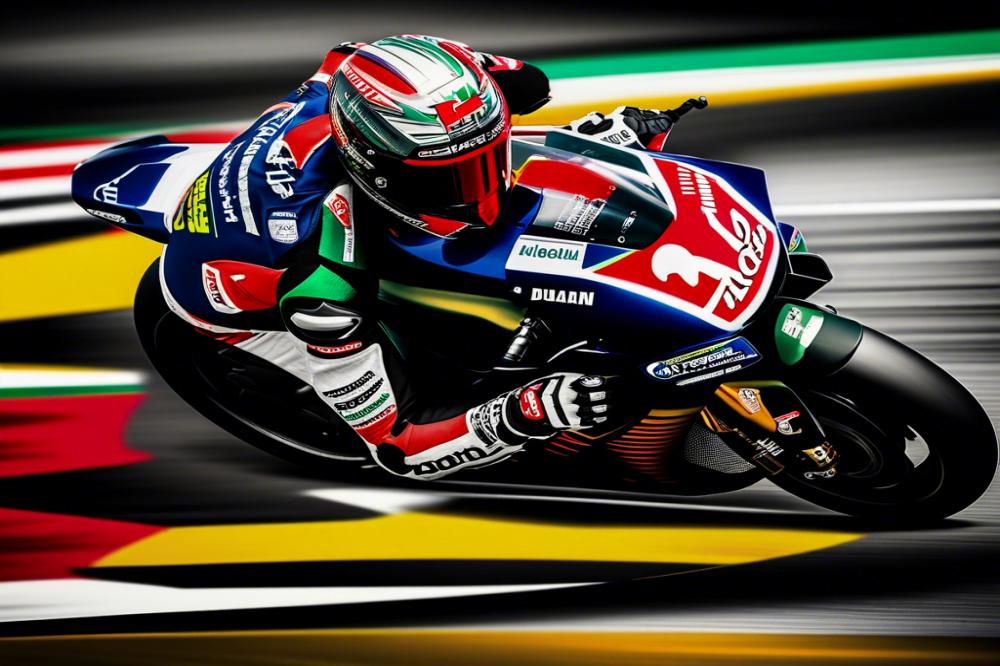
In the thrilling world of MotoGP Racing, the impact of Italian Motorcycles is impossible to overlook. Brands like Ducati and Aprilia have become vital players in the championships, influencing the sport’s development and direction. Their contributions to racing technology and motorcycle performance are often seen in the precision and speed exhibited on circuits around the globe.
Ducati, famed for its powerful engines and stunning design, has a rich history in MotoGP. The brand has not only won numerous world championships but has also set benchmarks in innovation. Riders on Ducati machines often push the limits of what is achievable on two wheels. They benefit from advances in aerodynamics and electronics that boost performance.
Similarly, Aprilia has made significant strides in the racing scene. This brand has carved out its niche with a focus on rider development and bespoke engineering. The Aprilia racing teams have competed fiercely, showcasing machines that blend speed with cutting-edge technology. Track success has only enhanced its reputation, leading to a loyal fanbase.
The allure of Italian design cannot be understated. Sleek lines and vibrant colors capture the essence of style and passion in MotoGP. More than just aesthetics, these motorcycles deliver top-tier performance on racetracks, contributing to exciting races. Each manufacturer continually strives to outdo the other, fueling motorsport innovation and creating a competitive spirit.
In sum, the significance of Italian motorcycles in MotoGP racing is profound. Brands like Ducati and Aprilia have not only shaped the history of the sport but have also redefined what is possible in motorcycle performance. The dedication to excellence and speed continues to resonate, promising thrilling competitions for fans around the world.
The Legacy of Italian Motorcycles in MotoGP
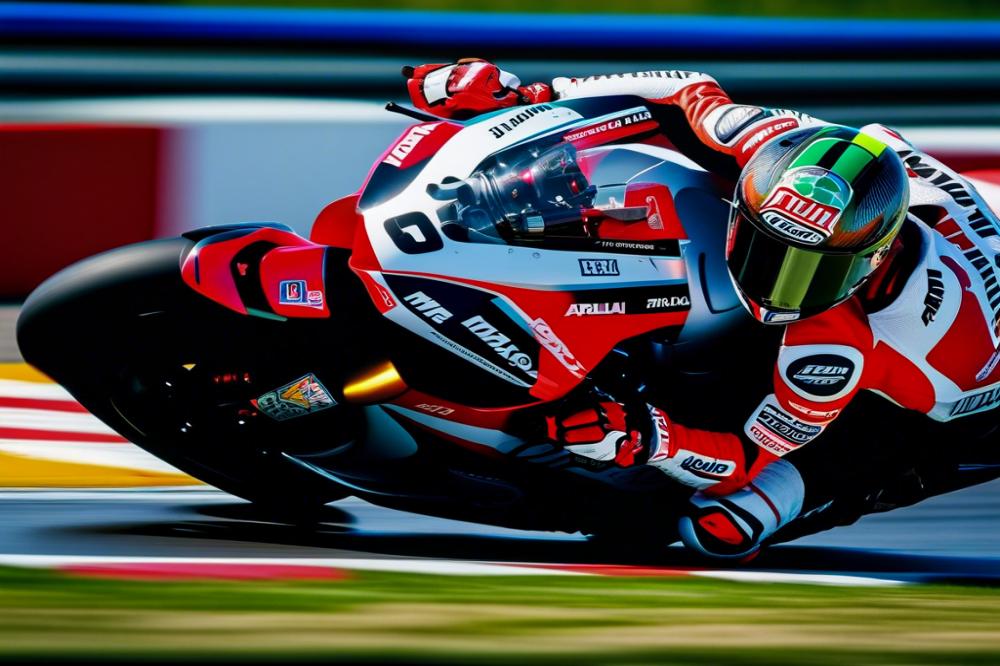
Italian manufacturers have played a vital role in MotoGP history. Their influence stretches back to the early days of the championship, showcasing remarkable speed and performance. Teams like Ducati and Aprilia have paved the way for innovation and competition.
Ducati’s Impact
Ducati first entered the premier class of motorcycle racing in the 2003 season. From its debut, the team introduced groundbreaking racing technology. The Desmosedici GP model quickly became known for its powerful engine and advanced aerodynamics. This machine helped Ducati secure its first championship title in 2007, led by the skilled rider, Casey Stoner. He pushed the limits of motorcycle performance with his exceptional talent and daring riding style.
Aprilial’s Contributions
Aprilia joined the ranks and made its mark with tenacity and flair. The brand showcased its racing prowess with impressive achievements in the lower classes before reaching the top tier. When Aprilia made its full-time entry into MotoGP in 2002, it brought unique engineering and Italian design to the forefront. The RS-GP motorcycle has seen the likes of riders such as Aleix Espargaró, who have showcased incredible skills and pushed for podium finishes.
Notable Riders and Their Achievements
Several riders have made their names synonymous with Italian bikes. Lorenzo Lanzi, a lesser-known figure, showcased his talent riding for Ducati in 2006. His performances paved the way for future stars. Another prominent name is Andrea Dovizioso, who found considerable success with Ducati across many seasons. His strategic riding and deep understanding of motorcycle dynamics led him to multiple podiums and fierce rivalries.
On the Aprilia front, riders like Max Biaggi carved out paths to success. Biaggi’s time with Aprilia resulted in multiple world championships in the 250cc category long before making his MotoGP debut. His legacy in the sport is a testament to the brand’s potential for rider development.
The Evolution of the Sport
The presence of these Italian teams has greatly impacted the evolution of MotoGP. From technical innovations to stylistic changes, they have brought forward new ideas in racing technology. Ducati’s use of the V4 engine changed the landscape of high-performance motorcycles. Moreover, Aprilia’s development of the RSV4 model influenced other manufacturers to embrace a similar approach. The competition has never been more intense as teams strive to match or exceed what Italian manufacturers have achieved.
As we look at the ongoing advancements in MotoGP, it’s clear that Italian motorcycles have become synonymous with excellence. They continue to inspire a new generation of riders, engineers, and fans. The stories of victories and challenges echo throughout the championship, leaving a lasting remembrance of their legacy.
Technological Advancements and Racing Innovation
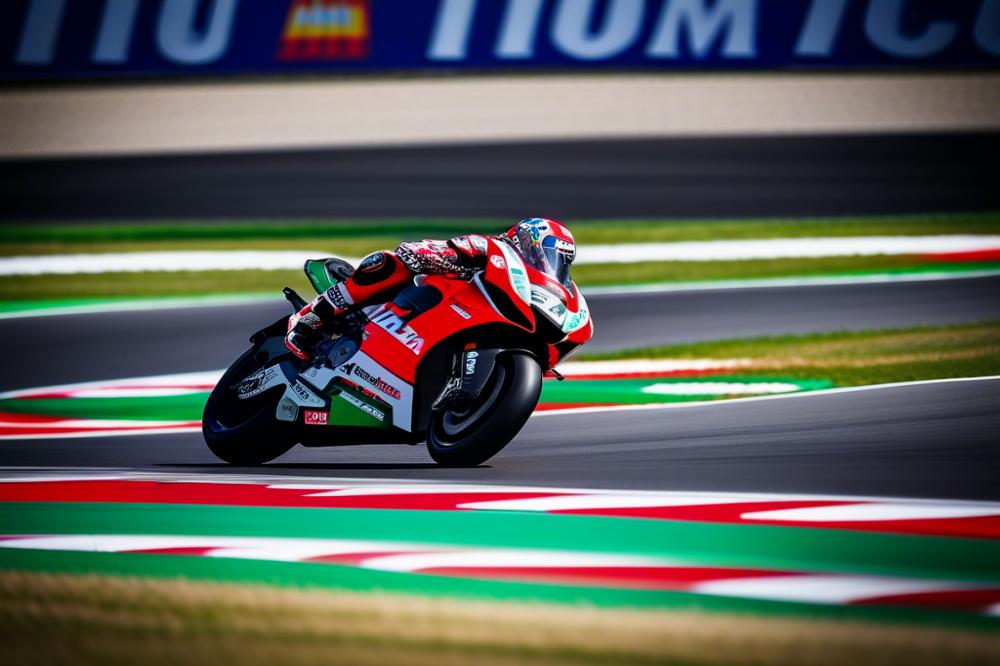
Motorcycle performance in MotoGP is heavily influenced by racing technology. Italian brands like Ducati and Aprilia lead the charge in this arena, constantly pushing the limits of what is possible. Their commitment to innovation is evident in every model released, showcasing a blend of speed, agility, and precision.
One prominent aspect of racing technology is the use of advanced materials. Carbon fiber components, for instance, might seem simple but significantly reduce weight while maintaining strength. This allows motorcycles to reach remarkable speeds on the track. Riders can maneuver more fluidly, which is crucial in a competition where milliseconds can mean the difference between victory and defeat.
Research and development play a vital role in this competitive landscape. Engineers understand that each season presents new challenges. Thus, they continually refine aerodynamics to improve stability and control at high velocities. Innovations in electronic systems, like traction control and anti-lock braking, have changed how riders interact with their machines. Such features provide riders with better control, allowing them to push their limits on the track.
Italian design is also a driving force behind these advancements. The aesthetics are not just for show; they often contribute to the bike’s performance. For instance, streamlined fairings reduce drag, enhancing speed. This blend of form and function sets Italian manufacturers apart in MotoGP history.
Another example of technological advancement is the development of seamless shift gearboxes. Ducati was one of the first to implement this feature, allowing riders to shift gears without losing power. Such innovations keep riders at their peak performance throughout the race by minimizing interruptions in acceleration. This feature has become a standard in many modern MotoGP teams.
Moreover, software plays a critical part in maximizing motorcycle capabilities. Data analytics allows teams to monitor countless parameters during races. This data is invaluable for rider development, helping to fine-tune performance based on conditions and feedback.
These features and innovations highlight the relentless pursuit of excellence in the world of motorcycle racing. The quest for improved performance is constant, ensuring that Italian manufacturers remain at the forefront of the sport.
Italian Design Philosophy and Its Impact on Racing
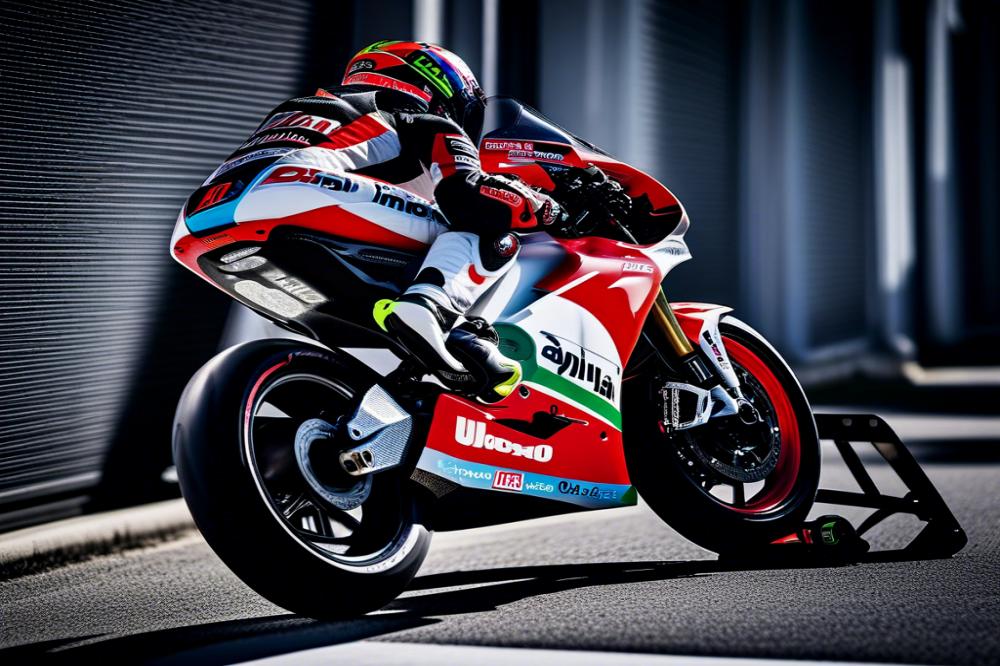
Italian motorcycles are renowned for their striking design and engineering prowess. Companies like Ducati and Aprilia exemplify this tradition. Their machines are not just built for speed; they embody a philosophy where aesthetics align with enhanced performance. Each curve and edge is thoughtfully crafted, shaping the bike’s overall appearance while optimizing its functionality.
The influence of Italian design is profound in the realm of MotoGP. It goes beyond mere visual appeal. Riders benefit from aerodynamics that reduce drag and improve handling. This performance is critical during races where fractions of a second can decide victory. Ducati’s recent innovations focus on lightweight materials, which lead to better acceleration and agility.
Interestingly, the symbiosis between style and functionality plays a significant role in rider development. A bike that feels good to ride often instills confidence. This confidence can translate into better performance on the circuit. MotoGP teams invest heavily in design and technology to create machines that not only look good but also excel in competition.
Every aspect of a motorcycle’s exterior can enhance its racing capabilities. For instance, the placement of components affects weight distribution, impacting cornering speed. Italian engineering teams constantly evaluate and refine these elements, participating in a legacy of motorsport innovation. They strive to push boundaries, aiming for world championships time and again.
MotoGP history has seen legendary bikes that stand out thanks to their design. Each model tells a story of evolution and ingenuity. Riders often note how the feel of a motorcycle influences their approach on the track. The blend of technology and classic Italian design makes these bikes not just machines but artistic creations.
The Current Landscape of MotoGP Teams and Italian Participation
In the world of MotoGP, teams that ride on Italian motorcycles are making significant waves. Ducati and Aprilia stand out prominently among the competitors this season. These race teams not only bring speed but also a rich history of Italian design and motorsport innovation.
Current standings show Ducati performing quite well in the championship. Fans of the sport see them as a serious contender, given their advanced racing technology. Aprilia, on the other hand, has made great strides. Their focus on rider development has improved overall motorcycle performance. These two manufacturers engage in a thrilling competition, each pushing the other to new heights.
When it comes to the MotoGP teams, teamwork plays a crucial role. Riders and engineers must collaborate closely to achieve optimal results. Ongoing communication helps in addressing any technical issues with the bikes. Moreover, the team dynamics can greatly influence a rider’s growth and confidence on the track.
Ducati has a long history of success in world championships. Their use of innovative engineering has often set trends in the sport. Aprilia, while newer to the top tier, is catching up fast. Their commitment to continuous improvement showcases how serious they are about competing with established teams.
Competition between these manufacturers also motivates other teams in the sport. With each advancement, rival teams must rethink their strategies. Ultimately, this rivalry drives everyone to improve their racing technology.
Rider development is a key factor in achieving success. Each team invests time and resources to train their athletes. This holistic approach not only prepares riders physically but also strengthens their mental resilience. A well-rounded rider can usually navigate the motorcycle dynamics more effectively than others.
MotoGP history illustrates how Italian teams have consistently impacted this thrilling sport. Their presence ensures that innovation continues to flourish. With each race, the excitement grows, especially when watching how these teams respond to challenges on the racetrack.
Contributions to World Championships and Future Directions
Ducati and Aprilia have a rich history in MotoGP racing. They have consistently challenged for podiums and titles. Their performance on the track reflects centuries of Italian design and engineering. Over the years, these manufacturers have secured multiple world championships. Ducati, in particular, has honed its racing technology to compete at the highest levels.
Looking forward, Italian manufacturers face both challenges and opportunities in MotoGP. The competition is fierce, not just from traditional rivals, but also from new entrants in the racing world. There are hopes that advancements in motorcycle performance will play a crucial role in future competitions. Emphasis on innovation means that Ducati and Aprilia must continue to invest in research and development. This could lead to even faster bikes and improved handling.
Rider development is another significant aspect of future success. Teams are focusing on training young talent who can contribute to their goals. Experienced riders also bring wisdom and skill to the table, enhancing the overall capability of the MotoGP teams. Partnerships with advanced technology firms can further boost performance. Innovations in aerodynamics and electronics could change the landscape of racing.
Italian motorcycles have long been at the forefront of motorsport innovation. This heritage inspires a drive to redefine what is possible on the racetrack. Discussions about weight reduction and engine efficiency are ongoing. As electric motorcycles rise in popularity, the race for sustainable technology is becoming more relevant.
The world of MotoGP continues to evolve. Manufacturers must adapt to changing regulations and rider expectations. Collaboration with engineers and designers can lead to cutting-edge solutions. The pursuit of excellence in motorcycle performance is relentless, drawing on Italy’s storied racing legacy. Each race season presents a new opportunity to push boundaries and strive for greatness. Italian teams are determined to remain central to the exciting future of MotoGP.
The Enduring Legacy of Italian Motorcycles in MotoGP Racing
The significance of Italian motorcycles in MotoGP racing cannot be understated. Brands like Ducati and Aprilia have been at the forefront of this thrilling sport, showcasing their remarkable engineering and design. Their contributions have not only raised the standards for motorcycle performance but have influenced competitors worldwide.
Innovation drives the MotoGP landscape. Italian manufacturers consistently push boundaries with cutting-edge technology. This spirit has shaped the racing scene, creating machines that excel in speed, handling, and overall performance. As a result, the competition has become fierce, compelling other teams to raise their game.
Looking towards the future, Italian motorcycles will likely continue their pivotal role. The blend of tradition and advancement keeps the excitement alive. New technologies may emerge, further enhancing the racing experience. With each passing season, the legacy of Italian design shines through the thrilling battles witnessed on track.
In summary, Italian motorcycles have imprinted an indelible mark on MotoGP racing. Their commitment to excellence fuels the passion of fans and racers alike. The journey ahead promises to be as exciting as the history that has brought us here. As we watch this sport evolve, one thing remains clear: the impact of these iconic machines is simply remarkable.

