
The Importance of motorcycles-in-motogp-racing”>Italian motorcycle exports to the global market
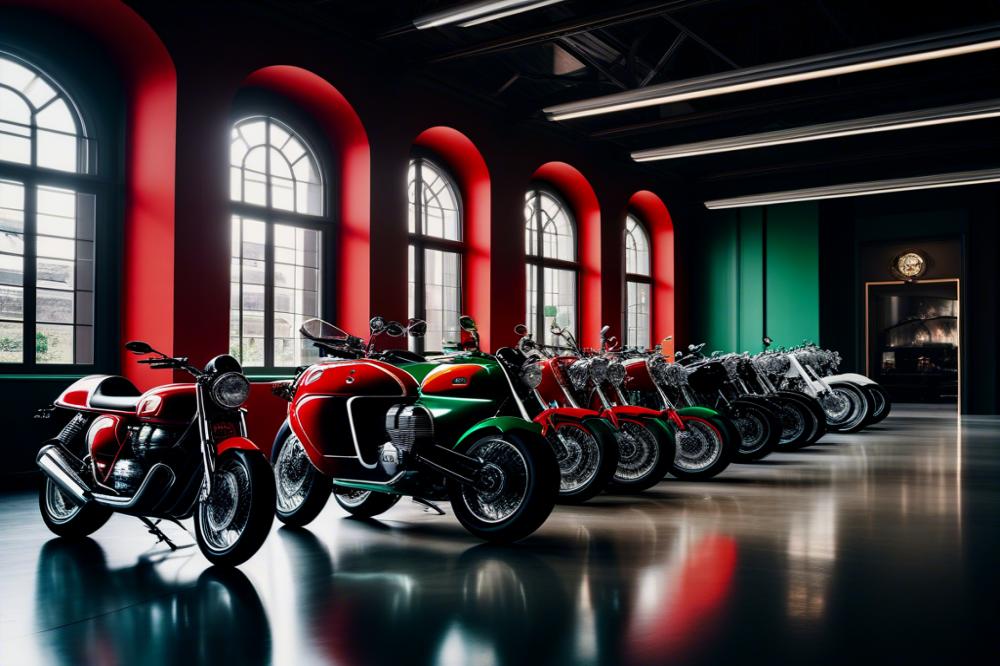
Italy stands out in the world of motorcycle manufacturing. Known for its rich heritage, the country has a long history of producing high-quality bikes that combine style with performance. This craftsmanship has shaped the preferences of many riders worldwide. As a strong player in the automotive industry, Italy produces motorcycles that reflect innovation and design excellence.
The impact of Italian motorcycle manufacturers on the global market is significant. They have effectively driven market trends and influenced consumer tastes across various regions. Many enthusiasts seek out Italian brands for their distinct character and reliability. This reputation continues to enhance the global appeal of motorcycles produced in Italy.
Exports play a vital role in the Italian economy. They contribute not only to financial growth but also to job creation in several sectors. Motorcycle exports connect Italy to international trade networks, symbolizing the country’s ability to meet global demand. As other nations look for quality and performance, they turn to Italy’s offerings.
From classic designs to cutting-edge technology, Italian Motorcycles embody the spirit of adventure. Manufacturers in this region have continually adapted to changing market preferences while maintaining their unique identity. Through this blend of tradition and innovation, Italy has secured a prominent position in the motorcycle industry.
Historical Context of Motorcycle Manufacturing in Italy
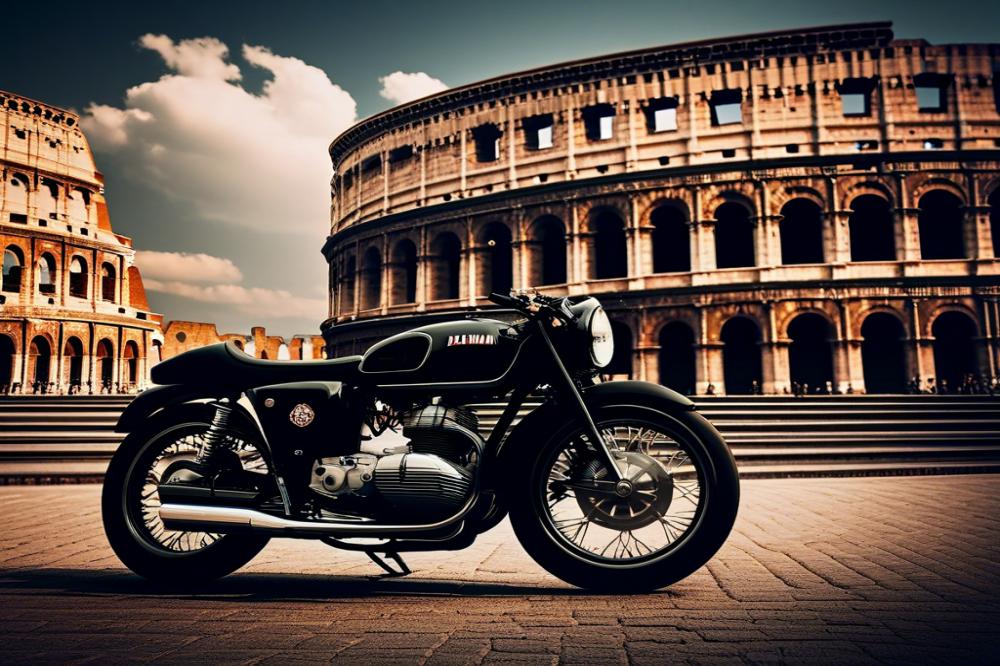
The story of motorcycle manufacturing in Italy dates back to the early 20th century. In 1901, the first Italian motorcycle, built by the company Itala, hit the roads. This marked the beginning of a blossoming industry that would influence the global motorcycle market. Over the years, numerous brands emerged. Moto Guzzi, founded in 1921, became known for its V-twin engines. Triumph and Ducati soon followed, further establishing Italy’s presence in the automotive industry.
Italian craftsmanship played a significant role in shaping the motorcycles produced in the country. Builders paid close attention to detail, ensuring each bike was not only functional but also a work of art. This dedication to quality created a reputation that extended far beyond national borders. Bike enthusiasts around the world began to view Italian Motorcycles as symbols of luxury and performance.
Innovation has always been a strong focus for Italian manufacturers. The introduction of lightweight materials and high-performance engineering has often set trends within the global market. For example, Ducati pioneered the use of desmodromic valves, enhancing engine efficiency and performance. This type of creativity has kept the industry dynamic and constantly evolving.
As these brands established themselves, they also contributed to the Italian economy. With increasing sales, the impact of motorcycle exports became more apparent. Countries around the world sought after Italian bikes for their design and technology. This trend not only boosted domestic production but also helped position Italy as a key player in international trade.
Over time, iconic models emerged, marking milestones in motorcycle history. The Vespa scooter, introduced in 1946, revolutionized personal transport. Its design appealed to a broad audience, leading to widespread adoption. This paved the way for other scooters and motorcycles, anchoring Italy’s place in automotive storytelling.
The influence of Italian design extended into various aspects of motorcycle culture. From custom builds to racing, the aesthetic sensibilities of Italian manufacturers shaped how people view riding. This has cultivated a loyal following and fostered a community that values both artistry and performance.
In summary, the historical development of motorcycle manufacturing in Italy paints a picture of innovation and craftsmanship. Key milestones demonstrate the global impact that such brands have had. The combination of rich history, unique culture, and commitment to quality continues to influence motorcycle manufacturers around the world today.
Major Italian Motorcycle Manufacturers and Their Contributions
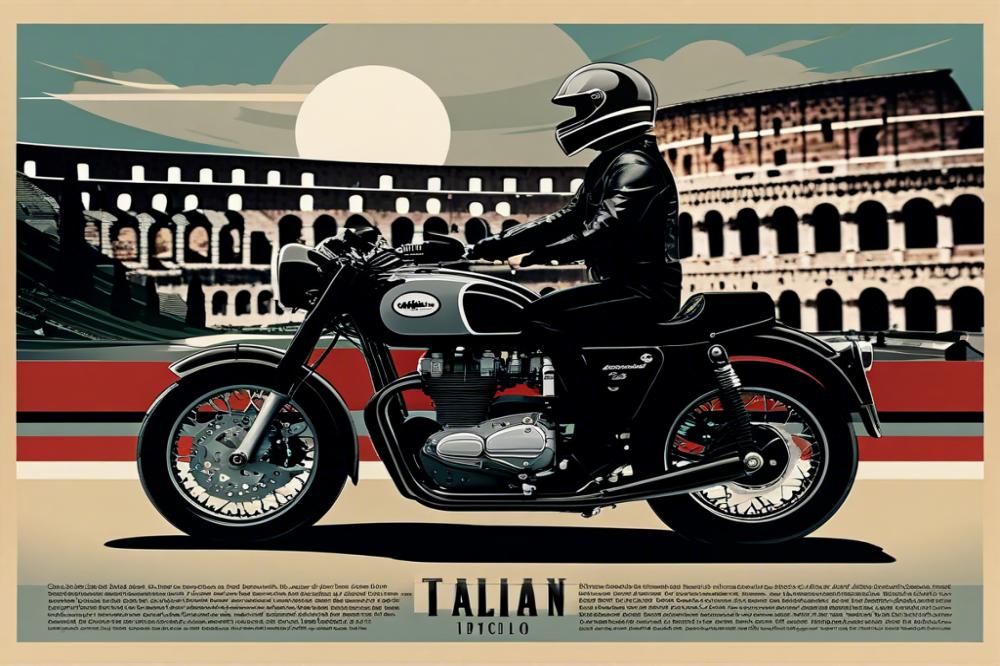
Italy is home to several leading motorcycle manufacturers that play a vital role in the global market. Companies like Ducati, Piaggio, and Aprilia stand out for their innovative designs and commitment to quality. Each of these manufacturers not only represents a brand but also the spirit of Italian craftsmanship.
Ducati is perhaps the most famous. With its signature red bikes, Ducati has become synonymous with performance. Their focus on cutting-edge technology and speed has set benchmarks in the automotive industry. Notably, the Panigale series showcases extreme engineering, marrying innovation with sleek aesthetics.
Piaggio, on the other hand, brings a different flavor. Known for their scooters, they emphasize urban mobility and practicality. The Vespa, one of their most iconic models, revolutionized personal transport in Italy after World War II. By prioritizing style and functionality, Piaggio has influenced market trends globally.
Another key player is Aprilia. This brand is recognized for its racing pedigree. Its motorcycles, like the Tuono and RSV4, have made significant contributions to racing circuits worldwide. Aprilia’s dedication to high-performance bikes reflects their understanding of both craftsmanship and speed.
These manufacturers shape the perception of Italian motorcycles. They provide a blend of tradition and modernity that appeals to riders everywhere. Each brand has its distinct characteristics, appealing to different segments of consumers. Their motorcycles are not merely machines; they represent freedom and adventure.
International trade benefits significantly from these companies. The exports drive economic growth and showcase Italy’s expertise in motorcycle production. The innovations from these brands often set trends that others follow, creating a ripple effect in the global market.
Italy’s motorcycle manufacturers highlight a rich legacy of design and technology. They continually push the boundaries, fostering a culture of innovation. This dynamic presence in the global arena makes Italian motorcycles not just popular, but also highly respected.
Economic Impact of Italian motorcycle exports
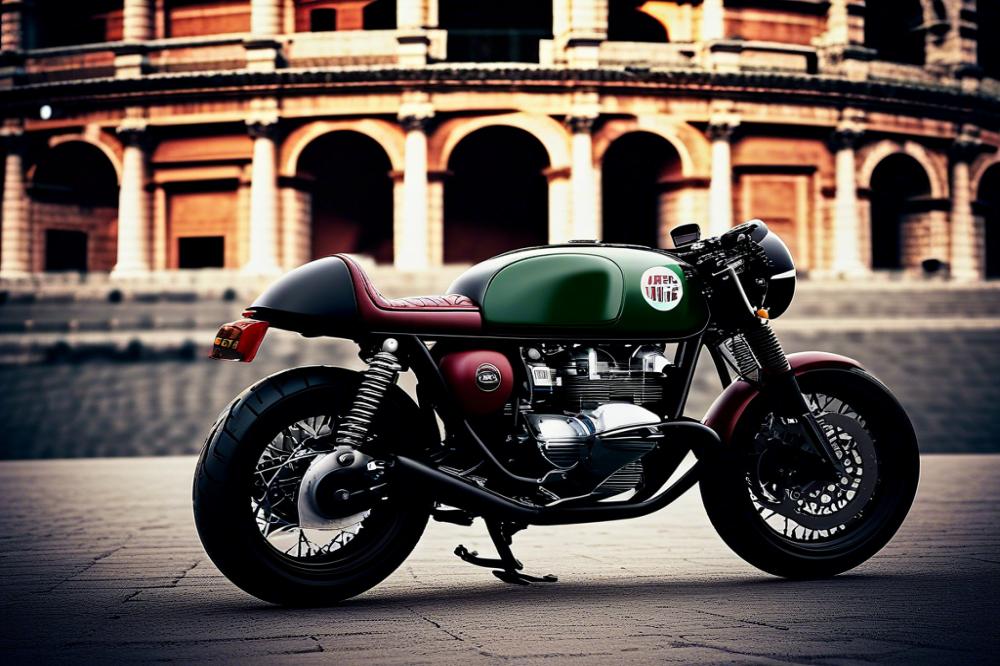
The motorcycle sector plays a significant role in Italy’s economy. Exports are vital for growth in this area. In recent years, Italy has seen a boost in job creation thanks to motorcycle manufacturers. This industry’s need for skilled workers supports not only employment but also local economies across the country.
Many Italian firms pride themselves on their craftsmanship and innovation. These motorcycle makers produce high-quality vehicles that appeal to consumers worldwide. This strong reputation helps them compete in a crowded international market. They are continuously adapting to market trends, which keeps them relevant and desirable.
As these companies grow, they help other businesses flourish. Supply chains for the automotive industry expand, creating more jobs in related fields, such as parts manufacturing and design services. This interconnectedness strengthens the overall economy.
Italy’s position in international trade is noteworthy. The country is recognized as a leader in motorcycle exports, establishing itself as a powerhouse in the sector. Italian motorcycles are often seen as symbols of style and performance, reinforcing their appeal abroad. This success translates into favorable trade balances that positively impact the nation’s financial health.
Furthermore, with increasing global demand for motorcycles, Italian manufacturers must stay ahead of the competition. They focus on sustainable production and technological advancements. This commitment not only enhances their product offerings but also aligns with global trends for eco-friendliness. Such innovation ensures that Italian brands remain at the forefront of the industry.
Market Trends Influencing Italian Motorcycle Exports
Current market trends shape the future of the motorcycle industry in profound ways. Consumer preferences drive manufacturers to rethink their strategies. Many buyers now prefer eco-friendly models, focusing on sustainability. This shift pushes companies to innovate in their designs and production methods. In addition, the rise of electric motorcycles reflects this growing trend.
The global economy affects how Italian motorcycle manufacturers approach international trade. Economic growth in various countries creates new opportunities for exports. Manufacturers are eager to capture emerging markets. As a result, they study regional preferences closely. Understanding local tastes helps producers tailor their offerings effectively.
Italian craftsmanship remains a hallmark of the country’s automotive industry. Many consumers appreciate the attention to detail in every motorcycle. This reputation for quality helps Italian brands stand out from competitors. Motorcycle manufacturers emphasize this unique selling point to attract buyers worldwide. They highlight their heritage while also embracing modern technology.
Innovation plays a pivotal role in adapting to ever-changing market demands. Companies invest in research and development to create cutting-edge models. Features like smart technology and advanced safety systems enhance the riding experience. As a result, Italian motorcycles appeal to a broader audience. Riders are increasingly looking for functionality combined with style.
Shifts in societal attitudes also influence sales. Many young riders seek not just transportation but an experience. The thrill of riding is part of the appeal. Therefore, manufacturers design motorcycles that cater to this adventurous spirit. They want to create products that resonate with the lifestyle of their customers.
Overall, the interplay of these trends is reshaping the landscape for Italian motorcycle exports. As the industry evolves, so do the strategies of manufacturers. Adapting to global demands remains essential for success. Italy’s motorcycle brands look to the future while honoring their storied past, ensuring they remain relevant in a competitive market.
The Role of Craftsmanship and Innovation in Italian Motorcycle Exports
Craftsmanship and innovation are at the heart of Italy’s motorcycle industry. Skilled artisans create motorcycles that not only perform well but also look stunning. Each bike reflects a blend of tradition and modern technology, making Italian models stand out in a crowded market.
Manufacturers in Italy have a long history of dedication to quality. They pay attention to details that others might overlook. This level of craftsmanship helps create a loyal customer base that appreciates what Italian brands offer. Many consumers are willing to pay a premium for motorcycles that embody style and performance.
Innovation plays a crucial role as well. Italian motorcycle manufacturers frequently lead the way in adopting new technologies. They integrate innovative features like advanced braking systems and lightweight materials to enhance performance. For instance, Ducati introduced the Panigale V4, which boasts a cutting-edge engine and aerodynamics designed for speed. This type of forward-thinking keeps brands relevant and competitive.
In the global market, staying ahead of trends is essential. Italian companies are known for their ability to adapt quickly. When market trends shift, they often respond with new designs and concepts. This flexibility not only benefits the manufacturers but also contributes to the wider automotive industry. Italy’s focus on research and development ensures that its exports remain attractive to international buyers.
Another example of innovation is the use of electric technology. Brands like Piaggio have embraced eco-friendly models, aiming to appeal to a growing number of environmentally-conscious consumers. This shift indicates a broader understanding of market needs. It reflects how Italian manufacturers can lead the way while meeting global expectations.
Ultimately, the combination of craftsmanship and innovation distinguishes Italian motorcycles in international trade. These qualities help Italian brands maintain a competitive edge. As they continue to evolve and adapt, the impact on both the economy and the global motorcycle market will remain significant.
Challenges Facing Italian Motorcycle Exports
The international market for motorcycles presents several challenges for manufacturers in Italy. Competition has intensified from countries like Japan and the United States. These regions produce high-quality bikes often at lower prices. Price sensitivity among consumers also contributes to this fierce competition.
Shifts in consumer behavior are noticeable. Many buyers now lean toward electric vehicles, valuing sustainability and innovation. This trend puts pressure on traditional motorcycle makers to adapt. The growing importance of eco-friendly options cannot be overlooked. Moreover, the demand for unique designs complicates matters further.
Strategies are evolving as Italian motorcycle manufacturers respond to these challenges. Some companies enhance their focus on craftsmanship. By spotlighting artisanal techniques, they can create standout products. Others invest heavily in research and development. Innovation is crucial for staying relevant in a fast-changing industry.
Adjusting to market trends is essential for maintaining global competitiveness. Building strong relationships in international trade can open new doors. Collaborating with overseas partners allows for better access to diverse markets. Additionally, leveraging Italy’s rich motorcycle heritage can attract buyers who appreciate quality and design.
Training programs for workforce development are also being implemented. A highly skilled labor force is vital for sustaining quality production. Without it, the economy could suffer as production costs rise. These challenges may be significant, but resilience is a hallmark of Italian manufacturers. They are determined to carve out their place in the global motorcycle market.
Final Thoughts on Italian Motorcycle Exports
Italy has a long and rich history in motorcycle manufacturing. This legacy provides a solid foundation for current and future successes in the global market. Craftsmanship is a hallmark of Italian design. Skilled artisans take great pride in building motorcycles that are not only functional but also works of art. This dedication to quality makes Italian bikes appealing worldwide.
Innovation plays a crucial role as well. Italian manufacturers are often at the forefront of technological advancements. They adapt to changing consumer needs and preferences. This flexibility helps maintain relevance in an ever-evolving market landscape.
As we reflect on the impact of Italian motorcycles on the global stage, it becomes clear that a blend of tradition and creativity positions Italy as a leader in the industry. Other countries look to Italy for inspiration, and this influence continues to shape motorcycle trends.
Looking ahead, potential trends could shift towards greener technologies. Electric motorcycles are gaining traction, and Italian manufacturers are beginning to invest in sustainable practices. Consumer demand for eco-friendly options will likely drive further innovation.
In summary, Italian motorcycle exports hold significant importance in the worldwide market. With a rich history, a focus on craftsmanship, and a commitment to innovation, Italy stands out as a powerhouse in motorcycle manufacturing. The journey ahead promises exciting developments that will continue to shape the industry.

