
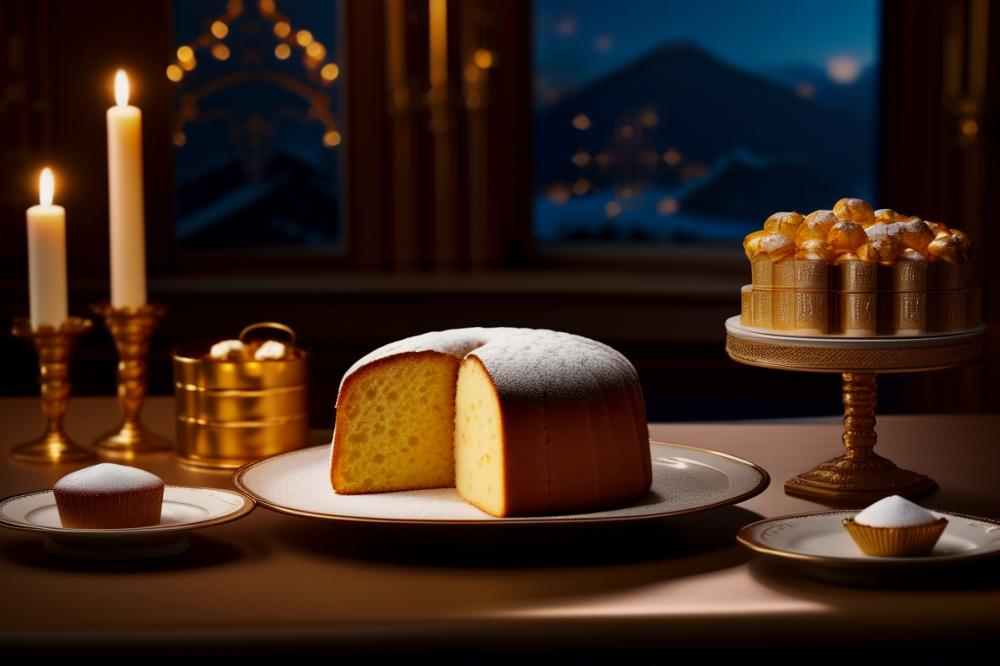
Connection Between Italian confectionery and Chocolate-production”>festive celebrations
Italy is known for its rich culture and remarkable traditions. One important aspect of this heritage is the delightful array of sweets and pastries. These treats are more than just food; they have deep cultural significance, especially during holidays and family gatherings. Throughout the country, Italian confectionery varies from region to region. In each area, local specialties come to life, showcasing flavors and techniques passed down through generations.
During Chocolate-production”>festive celebrations, desserts play a central role. They often accompany meals and create an atmosphere of joy and togetherness. Families gather to enjoy these seasonal treats, sharing stories and laughter. pastries may hold symbolic meanings, representing good fortune or prosperity. Every bite tells a story, reflecting the values and customs of the people.
For instance, the famous panettone is a staple during Christmas in the northern regions. This sweet bread has become a symbol of the season herself. In contrast, the southern regions indulge in struffoli, honey-soaked pastries that sweeten the New Year’s festivities. Such diversity highlights the importance of food in celebrating our connections and traditions.
In essence, sweets and pastries bring people together, reinforcing bonds among family members and friends. During significant occasions, these treats often become the centerpiece of gatherings, evoking memories of shared moments. The flavors remind everyone of their roots and cultural history. Italian confectionery is not just about enjoyment; it’s about community and celebration.
Historical Context of Italian Confectionery
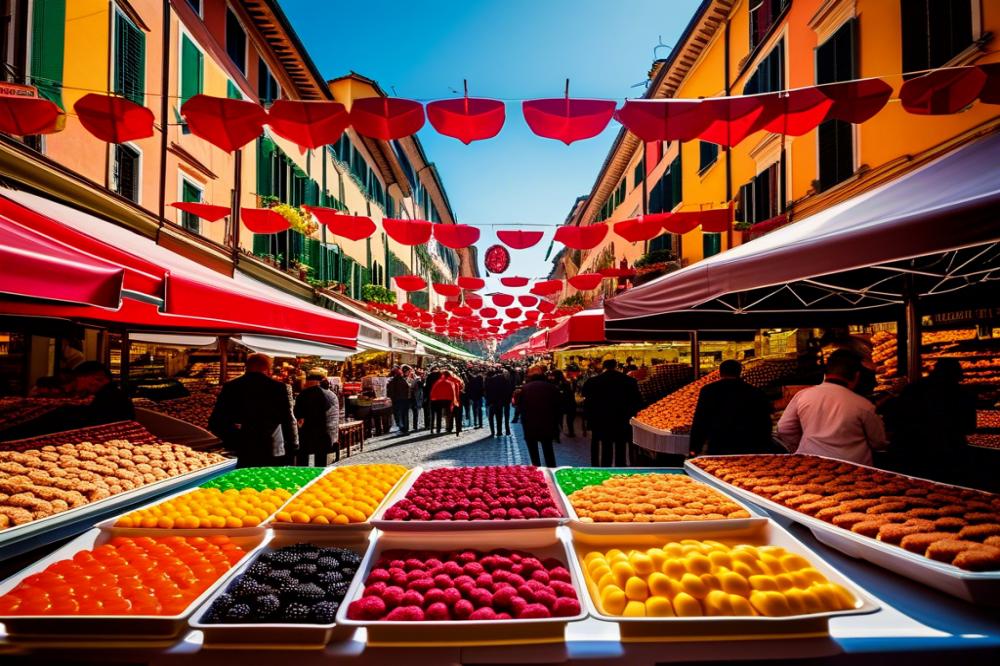
The origins of traditional Italian sweets can be traced back through centuries of rich culture and tradition. Ancient Romans enjoyed honey and nuts, forming the basis for many modern desserts. As time passed, regional specialties emerged, each area of Italy contributing its own unique flavors and techniques. Local ingredients shaped these treats, often reflecting the agricultural bounty of specific regions.
Historical events played a pivotal role in the evolution of these pastries. The influence of trade routes introduced spices and new cooking methods, enriching the variety of sweets available. Confectionery thrived during festive times, with families preparing seasonal treats for holidays and special occasions. This practice turned sweets into symbols of celebration and togetherness.
Family gatherings often feature an array of desserts, showcasing the craftsmanship passed down through generations. Recipes are frequently shared among relatives, ensuring that these cherished treats remain a vital part of festive celebrations. Each bite of a dessert like panettone or struffoli carries stories of love and tradition that connect the present to the past.
During Easter, for example, the production of colomba symbolizes rebirth and renewal. Each region in Italy boasts its own twist on these seasonal delicacies, highlighting the cultural significance of sweets in celebrations. Holidays are not just about the food but also about the moments shared while enjoying these treats with loved ones.
Furthermore, Italian confectionery transcends mere indulgence. These sweets embody a sense of identity and connection to one’s heritage. The art of making pastries is often a collective family affair, where stories, laughter, and memories are woven into every batch. This connection to the past fuels the ongoing passion for dessert-making across Italy.
Italian Pastries and Seasonal Treats
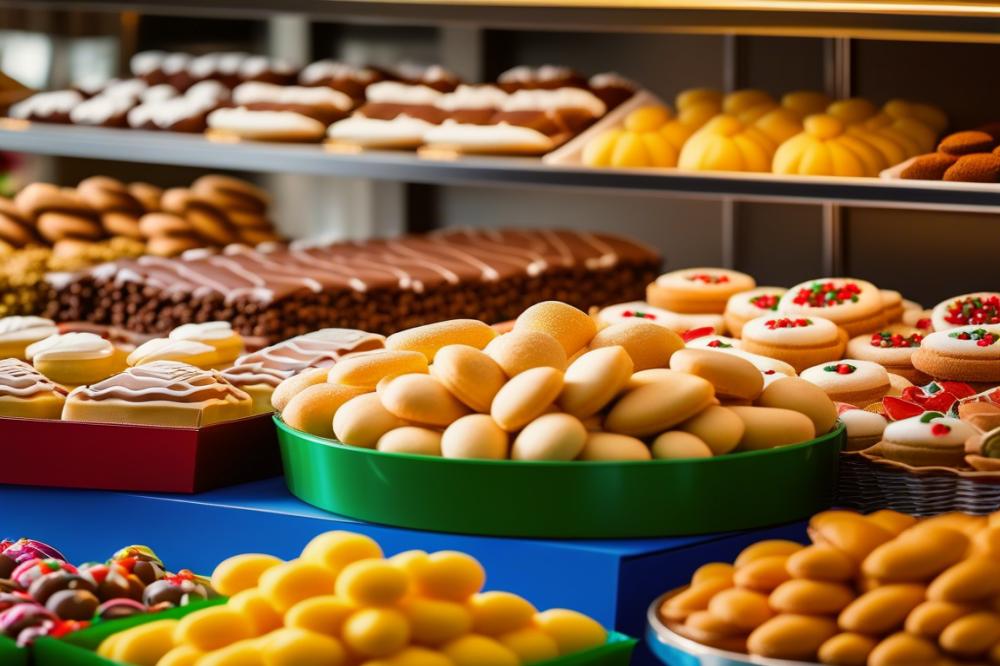
Italian holiday celebrations wouldn’t be complete without the delightful presence of pastries and sweets. Famous desserts like Panettone, Pandoro, and Colomba play a significant role during festive occasions. These pastries bring warmth to family gatherings and create lasting memories. Each one carries a piece of Italy’s rich tradition, making them more than just treats—they are symbols of celebration.
Panettone is a tall, dome-shaped bread characterized by its fluffy texture and enchanting aroma. Often studded with candied fruits and raisins, this delightful bread first appeared in Milan. During Christmas, many households fill their tables with slices of Panettone. Sharing this sweet loaf becomes a cherished ritual amidst laughter and joy.
Pandoro, on the other hand, hails from Verona and stands out as a star of Christmas festivities. Its golden color and soft, buttery taste make it irresistible. Traditionally dusted with powdered sugar, this dessert resembles a snowy mountain, perfectly capturing the essence of the season. Families often serve it with warm drinks, creating unforgettable moments together.
Colomba is another gem in the realm of Italian desserts, especially during Easter. Shaped like a dove, Colomba symbolizes peace and renewal. Its gentle sweetness, often enhanced with almonds and sugar, brings a festive touch to Easter brunches. People across the country eagerly await the arrival of this seasonal treat, reflecting its cultural significance.
In addition to these staples, Italy boasts a variety of regional specialties that enrich festive celebrations. Different areas produce their own unique seasonal treats, each with flavors and traditions that reflect local culture. From Sicilian Cassata to Neapolitan Sfogliatelle, these sweets highlight the diversity of Italian confectionery. Every bite tells a story, connecting people to their roots.
As holidays approach, tables become adorned with colorful desserts that enhance the festive spirit. The act of preparing these pastries often involves families coming together, reinforcing bonds through shared recipes and culinary traditions. Each pastry is not merely food; it is a celebration of heritage that nurtures connections between generations.
Indulging in these Italian desserts adds a special touch to any gathering. They serve as a reminder of joy, unity, and the importance of tradition. The rich flavors and beautiful presentations delight not only the palate but also the heart. During Christmas, Easter, and other significant holidays, these pastries remain indispensable, elevating the experience of each celebration.
Cultural Significance of Italian Sweets
Italian sweets play a vital role in the fabric of family traditions across the country. Each region boasts its specialties, contributing to a rich variety that reflects local customs. During holidays, these desserts are not just food; they symbolize love, festivity, and togetherness.
Consider Christmas in Italy, where panettone and pandoro fill tables at family gatherings. These pastries carry with them stories of generations. People reminisce about baking together, sharing laughter and joy as they prepare these seasonal treats. Such moments create emotional connections that last a lifetime.
Moreover, Easter celebrations are incomplete without traditional sweets like colomba pasquale. This dove-shaped cake represents peace and rebirth. Sharing it with loved ones adds deeper meaning to the holiday. Sweets can stir emotions, reminding individuals of their childhood or a beloved family member.
Here, traditions bridge the gap between past and present. The act of preparing and enjoying these desserts transcends mere eating. It enhances bonds among families and friends. Celebrations are not solely secular; they also hold significant religious meaning in many contexts. For example, cakes and pastries featured at weddings or religious feasts signify blessings and hope for the future.
Regional specialties play a crucial role in this cultural tapestry, as different areas showcase distinct desserts. In Sicily, cannoli with ricotta filling are a must during festive occasions. Conversely, in Naples, you might find a rich sfogliatella gracing special table spreads. These variations illustrate how diverse and vibrant Italian culture can be.
People often create traditions based around their favorite sweets, ensuring these cherished items remain integral year after year. Curious individuals who travel throughout Italy frequently share stories of how these festive desserts have enriched their experiences. Even outside Italy, the flavors evoke cherished memories among those who grew up enjoying these delights.
With each bite of these confections, a connection to culture, family, and celebration is forged. It’s not just about taste; it’s about the memories and emotions they carry. The importance of desserts during holidays resonates far and wide. They embody joy, nostalgia, and unity, ensuring that Italy’s culinary treasures are celebrated for generations to come.
Celebratory Confectionery in Family Gatherings
Sweets play a vital role in family gatherings across Italy. Every holiday brings a chance to share delightful pastries and traditional desserts. These treats are more than just food; they represent love and unity within families. During special occasions, it’s common for relatives to bring homemade goodies to share with one another.
Throughout Italy, regional specialties shine during festive events. In Sicily, vibrant cannoli filled with sweet ricotta are a must-have for celebrations. Northern regions might offer panettone, a rich cake studded with fruits and nuts, particularly during Christmas. Each area adds its own spin with seasonal treats, making the experience distinct and enjoyable.
When communities come together, sweets often steal the show. Festivals celebrate local culinary talent, highlighting how cultural significance shapes dessert creation. In towns, it’s not unusual to see large families gathered around tables, passing around trays of assorted confections. This act of sharing isn’t just about the flavors; it’s a powerful symbol of togetherness that binds families.
Desserts also mark milestones and religious holidays, from weddings to baptisms. Each occasion invites the preparation of special recipes that have been passed down through generations. These traditional sweets create a sense of continuity and belonging, reminding everyone of their roots.
Engaging in the act of consuming these delights fosters connections among friends and families. The joy of sharing a beautiful cake during a birthday or cupcakes at a family reunion amplifies the festive spirit. Such moments become cherished memories, as every bite carries a piece of history, tradition, and connection.
Creating these sweets involves more than just ingredients; it’s about crafting experiences. Families often involve children in the process, teaching them beloved recipes and the value of patience. This educational aspect ensures that future generations continue the legacy of crafting and sharing desserts.
Regional variations further enhance the experience, making every gathering feel special. A feast in one part of Italy might include rich tiramisu, while another might favor delicate panforte. With each festive gathering, a vast array of flavors and textures comes alive, contributing to the rich tapestry of Italian culture.
Celebrating Life Through Sweetness
The bond between Italian sweets and festive occasions is truly remarkable. Each celebration in Italy often comes with a table adorned with delicious pastries. Family and friends gather around, sharing not just food, but joy and laughter.
Cakes, cookies, and sugary delights serve as a bridge connecting generations. Many customs involve crafting specific treats that hold deep meanings. For instance, towering Panettone lights up Christmas, while the vibrant Colomba graces Easter tables. These unique creations are more than mere desserts; they symbolize love and togetherness.
Cultural heritage plays a vital role in this connection. Tradition influences the way celebrations are experienced. Through recipes passed down, the essence of Italian life flourishes. Sweets embody more than taste. They include memories, stories, and the very heart of Italian culture.
Festivals showcase the joy of sharing these delightful confections. Each nibble represents a moment to cherish. It reminds us that life is worth celebrating. As we savor each bite, we unite in our appreciation for the simple pleasures.
Ultimately, the enduring legacy of sweets remains significant in Italian society. They are more than just food; they are a means of expression. In every celebration, whether big or small, these confections bring people closer. Enjoying life’s moments together becomes sweeter with each treat shared.

