
Introduction
Italian confectionery is known for its delightful range of flavors and textures. From rich tiramisu to airy meringues, each dessert tells a story of tradition and passion. Among these delicious treats, cream-truffle”>Panna Cotta stands out as a classic Italian dessert that captivates with its elegance and simplicity. Its charm lies in the balance of creamy goodness and delicate sweetness, making it a favorite at many tables.
Perfecting this no-bake dessert requires some attention to detail. Mastery of a well-crafted recipe can transform basic ingredients into an unforgettable experience. Combining cream, milk, and sugar, paired with a hint of vanilla, creates a foundation for the smooth texture that defines this treat. Utilizing gelatin is key to achieving that coveted firmness without sacrifice.
Learning essential tips can elevate your Panna Cotta to restaurant-quality status. Many people underestimate the impact of dessert garnishing, which can add visual appeal and enhance flavors. When done right, this dessert can impress guests and family alike. The ultimate goal is to create a memorable dish that showcases the beauty of Italian cuisine.
The Essentials of Panna Cotta
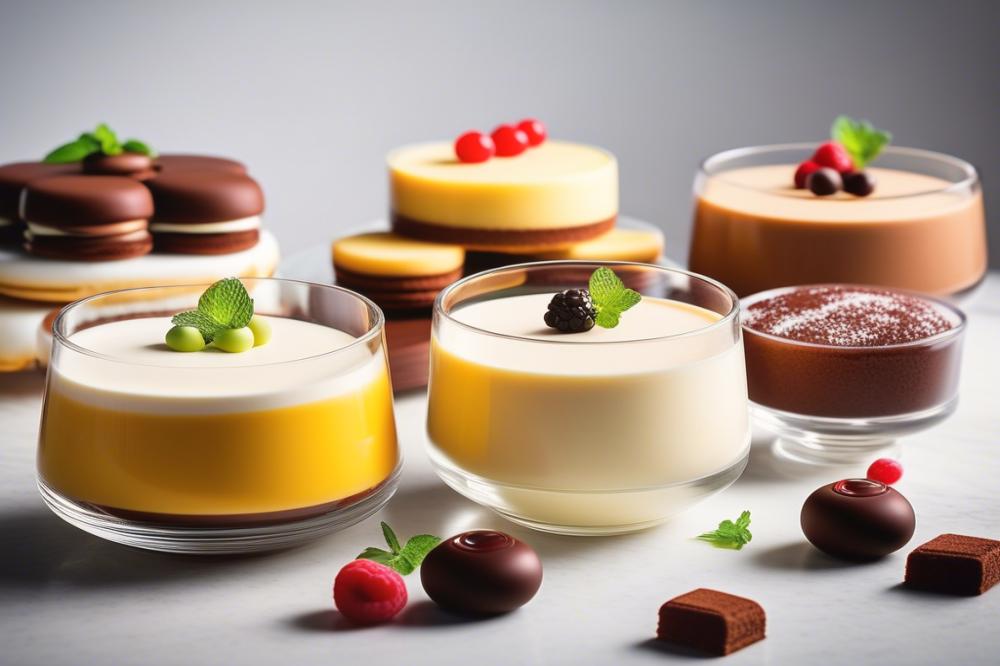
The key ingredients in a classic panna cotta are cream, milk, sugar, gelatin, and vanilla. Each plays a vital role in crafting this beloved no-bake dessert. Cream forms the rich, silky base. It brings richness that creates a luxurious mouthfeel. Milk, on the other hand, balances the heaviness of the cream. It lightens the mixture while keeping the texture smooth.
Sugar adds sweetness, of course. Without it, the final product would taste bland. It also helps in creating that glossy finish that looks appealing. Let’s not forget about gelatin. This ingredient is essential for setting the mixture. When properly dissolved, it provides that gentle wobble that is so satisfying. Vanilla adds a depth of flavor that elevates the entire dish, making it aromatic and inviting.
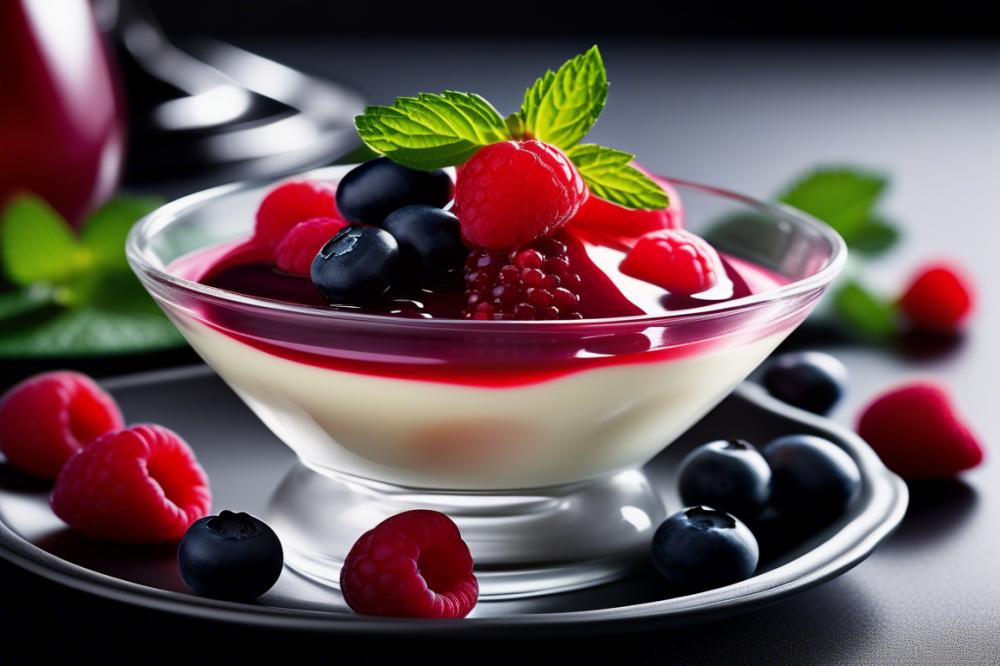
Traditional panna cotta sticks closely to these five ingredients. Modern variations often explore unique tastes or textures. Some chefs might add fruit purées or liqueurs. These changes can provide a refreshing twist and surprise the palate. For example, a berry-infused panna cotta offers bright acidity. Chocolate panna cotta introduces a rich indulgence. These adaptations make panna cotta versatile while remaining true to its roots.
Pay attention to the proportions. The right amount of gelatin is critical for achieving perfect consistency. Too little will not set the mixture, while too much can create a rubbery texture. This is a common mistake for beginners. Following a trusted recipe helps avoid pitfalls. Also, consider dessert garnishing. Fresh berries, mint leaves, or even a drizzling of caramel can enhance both appearance and flavor.
Ultimately, understanding the role of each ingredient is key. This knowledge helps anyone achieve that desired smooth texture. The perfect panna cotta is not just about following instructions; it’s about mastering the balance of flavors and ingredients.
Step-by-Step Panna Cotta Recipe
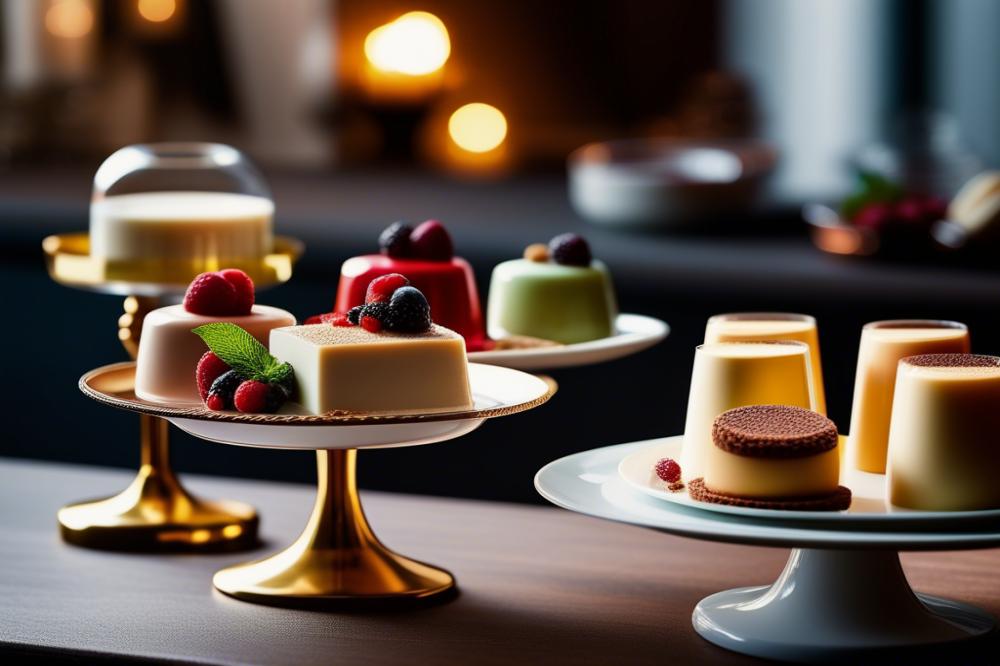
Making the perfect panna cotta can be simple yet incredibly rewarding. To start, gather your ingredients: heavy cream, milk, sugar, gelatin, and vanilla extract. This no-bake dessert is all about balance, and the right proportions will help you achieve that smooth texture.
Detailed Instructions for Making Panna Cotta
Begin by pouring the heavy cream and milk into a saucepan. Add sugar and then gently heat the mixture over medium heat. It’s crucial to stir frequently to dissolve the sugar fully. Once the mixture is warm, don’t bring it to a boil. This prevents the cream from curdling.
While the cream heats, take your gelatin. Sprinkle it over a small bowl of cold water and let it bloom for about five minutes. This step hydrates the gelatin, which is essential for achieving that creamy consistency. After blooming, whisk the gelatin into the warm cream mixture until fully dissolved.
Tips for Preparing Gelatin Correctly
Choosing the right gelatin is important. Use high-quality powdered gelatin for the best results. Additionally, avoid adding gelatin directly to hot liquids without blooming it first. That could lead to lumps. Keep in mind that the temperature of your mixture should not exceed 180°F; otherwise, the gelatin loses its thickening properties.
Importance of Temperature Control During Preparation
Temperature control plays a significant role in crafting this dessert. Heat too much, and your panna cotta will become grainy. Allow the creamy mixture to cool slightly before pouring it into molds. Using a thermometer can be beneficial for monitoring the heat. Aim for around 120°F before pouring.
Suggestions for Flavor Variations and Substitutions
The beauty of panna cotta lies in its versatility. You can infuse flavors like coffee, citrus zest, or even herbs. For a Chocolate version, melt dark chocolate into the hot cream. Consider swapping vanilla extract for almond or coconut for a twist. Adjust the sugar level according to your taste.
For dessert garnishing, fresh berries, caramel sauce, or a sprinkle of chopped nuts can elevate your dish. Explore using fresh fruits or a drizzle of honey to enhance the flavor profile. Remember, the right garnish not only adds beauty but complements the overall taste.
Techniques for Perfecting Your Panna Cotta
Techniques for Achieving the Perfect Smooth Texture
Creating a velvety texture is the key to a successful panna cotta. Start by combining cream and milk properly. Use a saucepan and heat them gently. Boiling should be avoided, as it can ruin the consistency. Incorporate sugar and stir until it dissolves completely. For flavor, consider adding vanilla bean or extract. Adding these ingredients at the right temperature helps achieve a luxurious feel. Gelatin must also be treated with care. Bloom it in cold water before adding it to the warm cream mixture. This step is crucial for preventing lumps.
Common Mistakes to Avoid in the Preparation
Many people underestimate the importance of measuring ingredients accurately. Too much gelatin can lead to a rubbery texture. On the other hand, too little may cause it to remain liquid. Be cautious when mixing the gelatin with the warm cream. If the cream is too hot, it can negatively affect the gelatin’s ability to set. Another common error is not straining the mixture before pouring it into molds. Straining removes any small lumps or bubbles that could impact the finish. Remember, a smooth and flawless panna cotta is the goal.
Importance of Chilling Time for Setting
Chilling is essential in the process of creating this delightful no-bake dessert. After pouring into molds, refrigerate for at least four hours. This gives the gelatin time to work its magic. Evenly chilled panna cotta results in a firmer texture, making it easier to unmold. Patience is valuable here! If you rush this step, the dessert may fall apart. Furthermore, slower chilling results in a better flavor development. A well-chilled panna cotta can stand up to various dessert garnishing, making it visually appealing too.
Creative Dessert Garnishing Ideas
Creating a stunning presentation for your panna cotta can make it even more delightful. Any dessert can feel extra special with the right garnishes. Focus on fresh ingredients to enhance both look and taste.
Enhancing Presentation
Consider using edible flowers or vibrant herbs. They bring color and a touch of elegance. A sprig of mint on top can add a refreshing look. You might also sprinkle crushed pistachios or almonds for extra texture. This not only looks appealing but also contrasts nicely with the smooth texture of the panna cotta.
Complementary Sauces and Toppings
Adding a drizzle of raspberry or strawberry sauce can elevate the entire dish. These fruity sauces balance the creaminess perfectly. Chocolate sauce is another excellent choice, especially for chocolate lovers. It creates a rich contrast to the vanilla flavor. Caramel or toffee sauce may also provide that sweet kick you desire. Do not forget about a dash of sea salt to bring out all the flavors.
Seasonal Variations
Fruits can greatly influence your dessert garnishing. During summer, fresh berries work wonders. Think blueberries, strawberries, or blackberries. In fall, roasted sliced peaches or poached pears add warmth. Use rosemary or thyme for a unique flavor twist. If winter brings citrus season, think of blood oranges or tangy grapefruit sections.
Always remember that your panna cotta should shine. Simple garnishes often speak volumes. The right topping or sauce can transform a no-bake dessert into a shining centerpiece. With these tips, you’re on your way to creating a gorgeous and delectable treat!
Wrapping Up the Art of Panna Cotta
Perfecting this silky Italian dessert requires just a few key elements. Start with premium cream and quality gelatin for the best results. Balancing these ingredients with the right sweetness will elevate your panna cotta to mouthwatering levels. Remember to allow it ample time to set in the fridge for a luxuriously smooth texture.
Don’t hesitate to explore different flavor combinations. Think beyond the classic vanilla; adding fruit purees, coffee, or even floral notes can create something special. Each variation opens the door to a unique experience, making it an adventure rather than a chore. Be playful with garnishes too—fresh berries, nuts, or a drizzle of caramel can add delightful surprises to every bite.
Share the joy of creating this classic dessert with family and friends. It’s an easy way to impress guests without needing to bake. Laughter and conversation often flow better when everyone can indulge in something sweet. Enjoy the process and savor the moments that follow. Panna cotta brings people together, making it more than just a treat; it’s a way to create memories.

