

The Role of Citrus Fruits in Traditional Italian Desserts
Italian desserts hold a special place in the hearts of many. From rich tiramisu to delicate panna cotta, these sweet creations often tell stories of tradition and family. Their flavors are inspired by a landscape full of vibrant ingredients. Among the many elements that shape these desserts, one stands out: citrus fruits.
In Italian cuisine, these fruits offer bright, refreshing notes that elevate even the simplest of dishes. Lemons, oranges, and grapefruits infuse desserts with their zesty character. This incorporation of citrus creates a balance that contrasts with heavier elements like cream or Chocolate. Their presence not only enhances flavor but also adds a refreshing quality that delights the palate.
The main focus of this article is to explore the essential role that citrus fruits play in traditional Italian desserts. These fruits are not just ingredients; they symbolize the regions from which they hail. For instance, the Amalfi lemon is renowned for its size and intense flavor. Such specific varieties contribute depth and personality to various recipes.
Exploring this topic reveals the fascinating relationship between citrus and Italian sweets. Illustrating how these fruits influence culinary practices sparks curiosity and appreciation for Italian culture. The boldness of citrus flavors brings an element of surprise, harmonizing beautifully with the textures and tastes in classic dishes. Understanding this connection enriches our overall experience of Italian sweets.
In conclusion, the diversity of flavors within traditional Italian desserts owes much to the use of citrus fruits. They serve as a vital link, representing broader patterns in cooking and regional identity. For those keen on sampling these delicacies, a journey through Italy’s sweets is incomplete without recognizing the contribution of citrus. Explore the vibrant world of these creations, and you just might find a new favorite.
For more traditional recipes featuring citrus fruits, visit #anchor_text_1#. If you’re interested in the history behind these desserts, check out #anchor_text_2#.
The Importance of Citrus Fruits in Italian Culinary Tradition

Citrus fruits hold a vital place in Italy’s culinary history. They arrived in the country centuries ago, influenced by trade routes and cultural exchanges. The warm Mediterranean climate allowed these fruits to flourish. Over time, they became essential in various dishes, particularly desserts. Not only do they bring rich flavors, but they also symbolize the zest of Italian cuisine.
Historical Significance of Citrus Fruits in Italy
The history of citrus in Italy is as vibrant as the fruits themselves. Introduced by Arab traders, citrus trees took root in southern regions like Calabria and Sicily. These areas became famous for their fertile lands. Lemon and orange blossoms decorated gardens and orchards. They also influenced recipes passed through generations. Traditional desserts like sorbetto originated from these influences, showcasing the sweet, tangy nature of these fruits.
Regional Varieties of Citrus Fruits and Their Uses
Different parts of Italy boast their own special types of citrus. For instance, Sicilian lemons are renowned for their intense aroma and flavor. These lemons play a key role in dishes like the famous lemon sorbet. In contrast, the blood oranges from Sicily present a delightful combination of sweetness and tartness. Such varieties are often featured in Italian pastries and cakes. The rich diversity enhances the regional identity, making each dessert stand out with distinct flavors.
How Citrus Fruits Enhance Flavor and Freshness in Desserts
Citrus fruits noticeably elevate the taste of desserts. Their brightness cuts through the heaviness of cream and Chocolate. A touch of lemon zest in a cake can turn a simple recipe into something extraordinary. Likewise, oranges can brighten up a fruit tart. When used in baking, they bring a desirable freshness that is hard to replicate. Many Italian chefs masterfully incorporate citrus into their sweets, highlighting the balance between sweetness and acidity.
Popular Traditional Italian Desserts Featuring Citrus Fruits
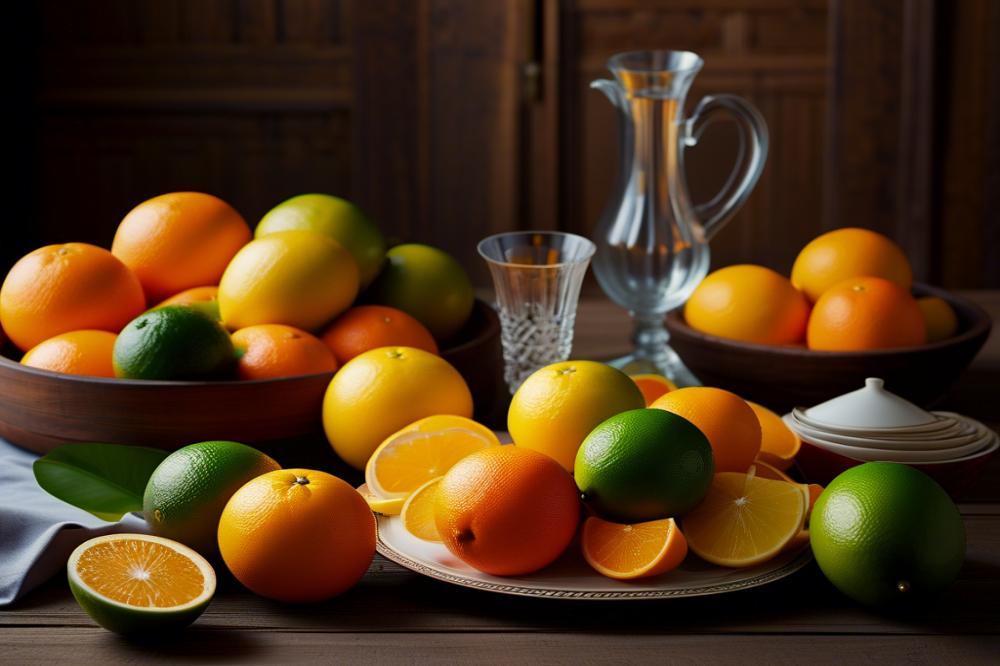
Italian desserts often shine with the bright flavors of citrus fruits. Classic desserts such as Lemon Sorbetto represent the perfect blend of sweetness and acidity. This frozen delight offers a refreshing taste, making it a favorite during hot summer months. Another well-loved dessert, Orange Torta, showcases the rich, tangy essence of oranges combined with cake. Its fluffy texture captivates anyone who takes a bite.
In the realm of pastries, citrus fruits have a remarkable impact. For instance, Citrus Ricotta Cake highlights how a creamy texture pairs well with zesty notes. This cake is moist, thanks to ricotta cheese, and its citrus notes bring a delightful contrast. Recipes often incorporate orange or lemon zest into the batter, ensuring each slice bursts with flavor.
The use of citrus zest and juice plays an essential role in desserts. Zest adds an aromatic quality that elevates the dish. Sweet treats often benefit significantly from this technique. The juice, on the other hand, infuses moistness and tanginess, enticing those who enjoy a little kick in their dessert. Unique combinations of zest and juice create a well-rounded flavor profile that gives Italian cuisine its charm.
Whether it’s a simple lemon tart or an elaborate orange cake, citrus fruits bring joy to every dessert. Families often pass down recipes featuring these ingredients, creating treasured memories around the table. The vibrant flavors also enhance celebrations, making any gathering feel more special.
The Influence of Citrus on Contemporary Italian Confectionery
Evolution of citrus in modern Italian desserts
Citrus fruits have transformed how dessert is prepared in Italy. In the past, traditional recipes highlighted flavors that were rich but often heavy. Nowadays, lighter, fresher tastes find their way into modern creations. Chefs craft dishes that highlight the brightness of lemons, oranges, and grapefruits. This evolution has allowed for a balance between sweetness and acidity, giving desserts a revitalizing quality. Classic recipes like tiramisu and panna cotta are reimagined, now showcasing zesty orange zest or a hint of tangy lemon. These changes reflect a growing desire for freshness in sweets.
Innovative uses of citrus by contemporary chefs
Creative minds in the culinary world play with citrus in unexpected ways. Many chefs incorporate these fruits into ice creams, sorbets, and mousses, blending textures and tastes. Some elevate cakes with citrus-infused syrups or creams, producing a delightful kick. Others experiment by pairing citrus with herbs or spices, creating unexpected yet delightful flavors. Fermentation is another trendy technique, with chefs crafting citrus-based condiments that add depth to desserts. These innovative applications breathe new life into the culinary scene, encouraging diners to savor familiar flavors in novel forms.
Citrus fruits in fusion desserts and new trends
Citrus fruits shine brightly in the world of fusion desserts. Chefs blend Italian traditions with flavors from around the globe, breaking barriers of taste. Think of a limoncello cheesecake with a hint of matcha or an orange ricotta tart topped with Thai basil. These combinations often surprise the palate, presenting new experiences. Social media has also amplified this trend, where unique dessert ideas quickly capture attention. Exciting takes on gelato may feature exotic fruits paired with citrus, attracting young food enthusiasts eager to try something different. Innovation continues to shape the dessert landscape, all thanks to the versatility of citrus.
Health Benefits of Citrus Fruits in Desserts
Citrus fruits are not just delicious; they also offer impressive nutritional value. Rich in vitamin C, they play a crucial role in boosting the immune system. They also contain other vitamins and minerals, such as potassium and folate, which are essential for overall health. Antioxidants found in citrus can help fight free radicals in the body, promoting wellness.
Incorporating citrus into traditional desserts does more than add fresh flavors. It can enhance the nutritional profile of sweets while maintaining enjoyment. For instance, a classic lemon tart not only delights the taste buds but also packs a healthy punch. Using orange zest in cakes adds a burst of flavor while contributing dietary fiber. These small changes can lead to healthier dessert options that still feel indulgent.
The balance between health and indulgence is key in traditional recipes. Many Italian desserts are rich and sweet, but adding citrus can lighten them. A slice of orange-infused panna cotta is a perfect example. It offers creaminess and a refreshing tang, making it feel more satisfying. Citrus can transform heavy dishes into something refreshing while still celebrating tradition. Experimenting with flavors can create desserts that don’t compromise health for sweetness.
The Sweet Essence of Citrus in Italian Desserts
Citrus fruits play a vital role in enhancing traditional Italian desserts. Their bright flavors lift even the simplest recipes to new heights. With their zesty notes, they offer a delightful contrast to rich and sweet elements. Throughout Italy, these fruits have become essential components in many beloved treats. From vibrant lemon tarts to the decadent orange-infused panna cotta, the influence of citrus is undeniable.
Enduring popularity characterizes these citrus-infused creations. Generations of families have baked and shared these confections, perpetuating rich traditions along the way. Visitors to Italy often find themselves drawn to bakeries filled with the fragrant aroma of citrus desserts. The combination of flavors evokes nostalgia and joy, uniting people through shared experiences. Eating such treats often ignites memories related to special times and celebrations.
Exploring the diverse world of traditional Italian confectionery products featuring citrus fruits is truly rewarding. Each bite tells a story of regional variation and culinary history. Be it a sweet lemon sorbetto on a hot summer day or fluffy tiramisù with a hint of orange, there is something for everyone to enjoy. So, why not discover these fantastic desserts? Take the chance to tempt your taste buds with something new, but rooted in tradition.
To sum up, citrus fruits are more than just an ingredient. They embody a love for food and the artistry of Italian cooking. They represent a bridge between the past and the present. As you indulge in these delights, remember that each dessert carries with it a slice of Italy’s rich culture. Embrace this delicious journey and savor the distinct flavors that only citrus can bring to the table. #anchor_text_3# and #anchor_text_4# await you in this sweet exploration.

