
Aosta Valley: Italy’s Least Populated and Most tranquil Region
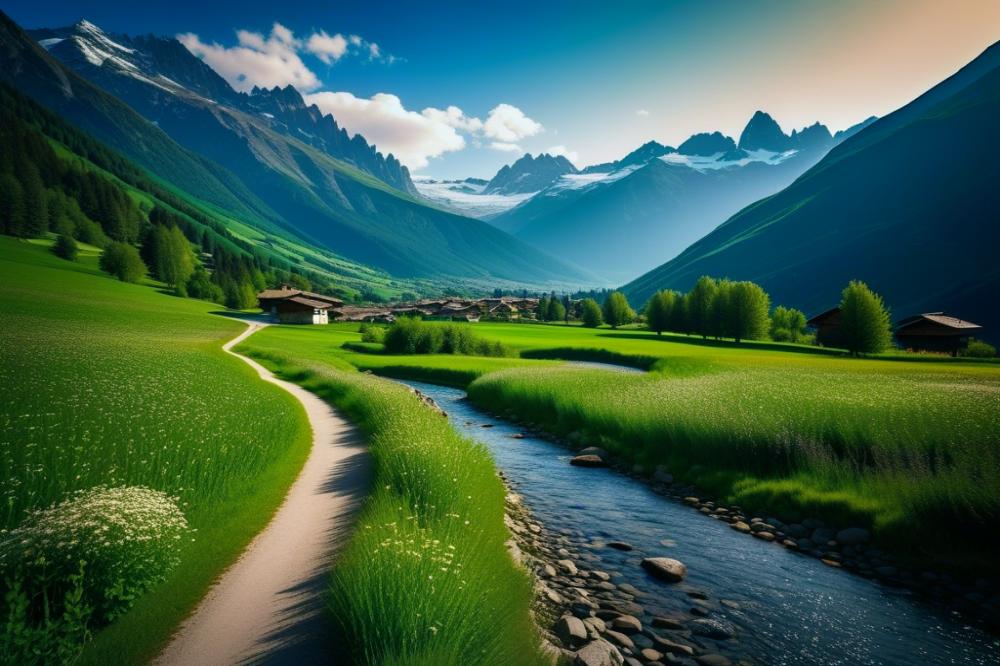
Nestled in the heart of the Italian Alps, Aosta Valley stands out as the least populated region of Italy. Low population density means fewer crowds, making this area a haven for those seeking peace and quiet. Here, tranquility reigns supreme, providing a welcome escape from the hustle and bustle of modern life. The safety and cleanliness of this region add to its charm, creating an inviting atmosphere for visitors and residents alike.
The landscape is remarkably stunning, with majestic mountains and lush valleys. Nature plays a vital role in defining Aosta Valley’s character. Those who enjoy outdoor activities will find plenty of opportunities for hiking in the summer and skiing in the winter. Breathtaking views accompany every adventure, enhancing the overall experience. Historical sites are also abundant, offering a glimpse into the rich heritage of this enchanting place.
Local cuisine delights the senses, featuring fresh, regional ingredients that reflect the area’s culture. Travelers can savor the flavors while enjoying the serene surroundings. Nature enthusiasts can explore diverse trails and discover hidden gems throughout the valleys. In a world often filled with noise, Aosta Valley provides an oasis of calm, where time seems to stand still.
Aosta Valley: A Gem of Tranquility
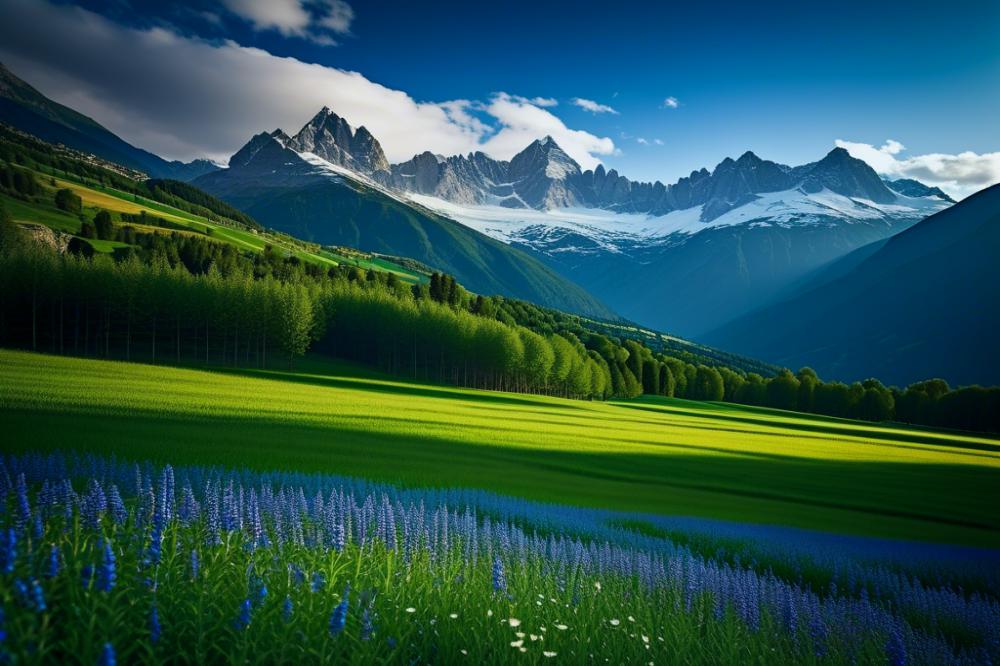
Nestled in the heart of the Alps, this region captures the essence of Italy’s natural beauty. Majestic mountains rise sharply against the skyline, while picturesque valleys weave through the landscape. Lush forests and clear rivers enhance the area’s charm, making it a paradise for nature enthusiasts. The scenery transforms with the seasons, offering unique vistas year-round. Snow-capped peaks signal winter, while vibrant green meadows bring spring to life.
Population density here is remarkably low. This aspect contributes significantly to the tranquil atmosphere. With fewer people per square mile, residents and visitors alike enjoy a peaceful experience. The lack of crowded urban areas allows for genuine contact with nature. Outdoor activities flourish, from hiking in summer to skiing in winter. Quiet trails invite exploration, and untouched slopes provide exhilarating adventures. Historic towns introduce travelers to familiar Italian culture, yet retain their calm essence.
When comparing this gem with other Italian regions, Aosta Valley stands out for serenity. Busy tourist spots in Tuscany or Naples often teem with activity. In contrast, this tranquil locale offers a subdued experience that emphasizes relaxation. Visitors can relish local cuisine crafted from fresh ingredients, enhancing their culinary journey without haste. Wildlife thrives here, and birdsong fills the air, creating a soothing background that enhances every adventure.
Hiking trails lead through the mountains, offering breathtaking views and moments of solitude. Ancient castles dot the landscape, echoing centuries of history. Each step along these paths brings a sense of connection to the past and the environment. In winter, resorts cater to skiing enthusiasts, yet still manage to maintain a peaceful vibe. Tranquility prevails, even during the peak season.
Outdoor Activities in Aosta Valley
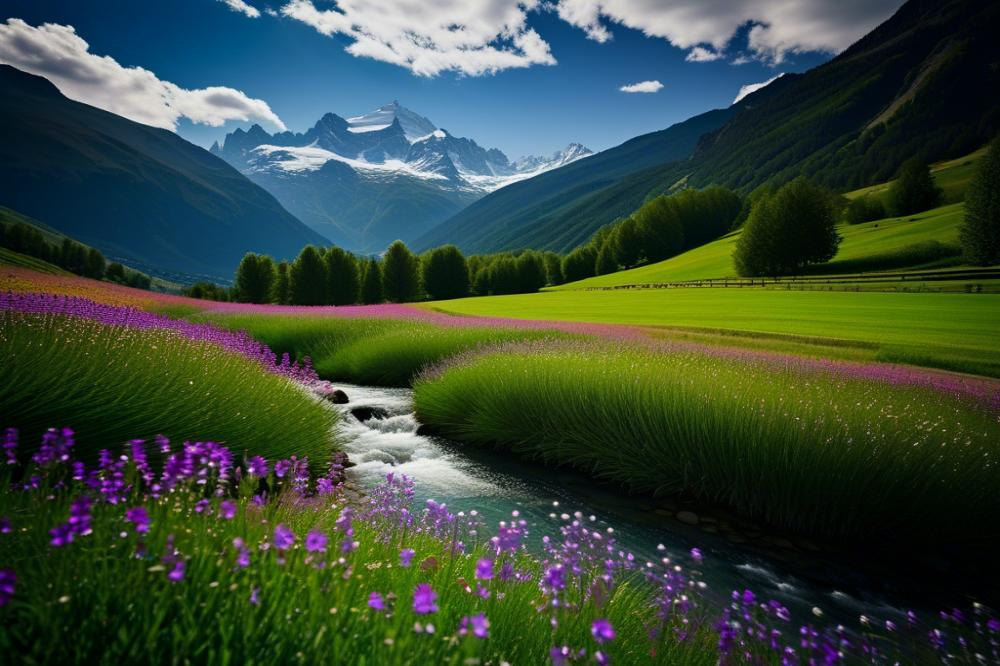
Outdoor activities in Aosta Valley attract visitors looking to explore the great outdoors. This region is a haven for hiking and skiing enthusiasts. Each season brings its own charm, transforming the landscape and offering various pursuits. In winter, ski resorts thrive, drawing both beginners and experts to their slopes.
The mountainous terrain presents a diverse range of trails. Hikers of all skill levels can find a path suited to them. From leisurely walks in the valleys to more challenging climbs, there is something for everyone. Explore ancient paths that wind through stunning vistas, showcasing Italy’s natural beauty.
In warmer months, the focus shifts to hiking. Nature trails lead adventurers past picturesque scenery filled with wildflowers and towering peaks. These trails also offer glimpses of local wildlife. Travelers often stop to enjoy picnics featuring local cuisine. This experience connects visitors with the region’s culture amidst the tranquility of the outdoors.
Beyond hiking and skiing, ample opportunities exist for other outdoor pursuits. Mountain biking has grown popular, with many dedicated paths. Rafting and kayaking can be enjoyed on the region’s rivers during summer months. Every activity is set against a backdrop of stunning mountains and serene valleys.
Year-round tourism thrives here. Winter sports attract snow lovers, while summer activities welcome hikers and families. Spring and fall provide stunning landscapes perfect for photography and exploration. Many visitors find joy in returning to this tranquil region, discovering new adventures each time they visit.
Historical Sites and Cultural Heritage
Visitors to the Aosta Valley often find themselves walking through history. Italy’s most tranquil region is packed with historical sites that tell fascinating stories. Roman ruins and medieval castles stand as testaments to its rich past. Each stone and archway holds a piece of the valley’s heritage, waiting to be discovered.
Ancient Roman Ruins and Medieval Castles
The Romans played a significant role in shaping this area. They built roads, bridges, and fortifications, some of which remain intact today. The Arch of Augustus, a grand triumphal arch, marks the ancient entrance to Aosta. Nearby, the well-preserved Roman theater offers insights into the entertainment and culture of that time. Visitors can also explore the remains of ancient city walls, which serve as a reminder of the area’s strategic importance.
Beyond the Roman influence, the valley is dotted with medieval castles. These structures, often perched on hilltops, offer stunning views of the encompassing mountains and valleys. Castles like Fenis and Issogne showcase remarkable architecture. Their painted façades and ornate interiors provide a glimpse into the luxurious lifestyle of the past. Each castle has its own story to tell, often involving battles, noble families, and sometimes, ghostly legends.
Local Traditions and Festivals
Aosta Valley’s cultural landscape is vibrant, enriched by local traditions. Festivals occur throughout the year, celebrating everything from ancient customs to modern-day activities. The Vin Brulé festival warms cold winter nights, offering mulled wine and local treats. Another highlight is the Fête de la Saint-Vincent, a celebration of wine, music, and community. During this event, locals and visitors come together to toast the region’s rich agricultural heritage.
Traditional crafts play a vital role in the area’s identity, with artisans preserving skills passed down through generations. Handcrafted items are often available at local markets. In addition to crafts, local cuisine reflects the valley’s history and geography. From hearty mountain dishes to artisan cheeses, flavors tell stories of the land and its people. Exploring these culinary delights can be as rewarding as hiking the scenic trails.
Outdoor activities abound in this peaceful region. Hiking trails weave through breathtaking landscapes, while picturesque slopes attract skiing enthusiasts in winter. Immersing in the natural beauty allows visitors to connect with the traditions and history surrounding them. Experience the harmony of nature, culture, and adventure in every corner of Aosta Valley.
Local Cuisine of Aosta Valley
The Aosta Valley features a local cuisine that reflects its rich traditions and mountainside location. Many traditional dishes here are hearty and flavorful, designed to sustain those engaged in outdoor activities like hiking and skiing. You will find many meals made with local ingredients that are unique to this tranquil region.
Insight into Traditional Dishes and Local Ingredients
Polenta is a staple, often served with various toppings such as melted cheese or savory meats. Another popular dish is the famous Fondue Valdostana, which combines local cheeses like Fontina, paired with bread for dipping. For those who prefer meat, Jambon de Bosses is a cured ham that captures the essence of the mountains. Local vegetables, like potatoes and pumpkins, often accompany these dishes. These ingredients are fresh and celebrate the agricultural bounty of the valleys.
The Influence of Geographic Location on the Cuisine
The Aosta Valley’s geographic location has shaped its flavor profile. Mountains dominate the landscape, providing a unique climate that enhances the growth of distinct herbs and vegetables. The valleys, rich in tradition, give life to recipes passed down through generations. The isolation of this region has also helped to preserve culinary techniques that define its cuisine.
Suggestions for Local Restaurants and Food Experiences
Nature Conservation and Sustainability
In Aosta Valley, preservation of natural landscapes is a priority. This region boasts stunning mountains and lush valleys, ideal for outdoor activities. Maintaining these environments is crucial for both locals and visitors. Initiatives are in place to promote sustainable tourism. These measures aim to protect the region’s unique wildlife and habitats.
Local authorities actively engage communities to support environmental protection. They encourage residents and tourists to respect nature. Efforts focus on keeping hiking trails and skiing areas clean. Clear signage and educational programs help raise awareness about responsible behavior in these beautiful settings. Enjoying local cuisine is often combined with appreciation for the natural world.
The importance of maintaining cleanliness cannot be overstated. A tidy environment enhances the tranquil experience visitors seek. People tend to feel more connected to nature when it is well-kept. Efforts to control waste and recycle materials play a vital role in safeguarding this idyllic area. Collaborations with eco-friendly businesses also contribute to these goals.
As you explore historical sites, it’s clear that nature and culture are intertwined. Visitors have the chance to witness how humans have coexisted with their surroundings throughout history. Hiking and skiing are not just recreational; they are ways to appreciate the stunning geography around us. Preserving these experiences for future generations is essential.
A Final Reflection on Aosta Valley’s Charm
The Aosta Valley captures the essence of tranquility and safety in a way few places can. Its vast landscapes, serene towns, and welcoming atmosphere make it a perfect getaway for anyone seeking peace. Nature lovers will find a haven here, where the mountains stand tall and rivers flow freely. Outdoor enthusiasts can hike, ski, or simply wander through the breathtaking scenery without the distractions common in busier locales.
Exploring this hidden gem offers a chance to connect with both nature and oneself. Visitors can take leisurely strolls through quaint villages, enjoying local cuisine made from fresh, regional ingredients. Each path leads to stunning views, which can be a refreshing contrast to the demands of daily life.
Preserving the beauty and serenity of this region is crucial for future generations. The charm of the Aosta Valley lies not just in its picturesque landscapes, but also in its peaceful ambiance. Taking steps to protect its environment ensures that it can remain a sanctuary for all who seek it.
In closing, Italy’s Aosta Valley stands as a reminder of what still exists away from the hustle of modern life. It invites you to experience its unique allure. Plan a trip to this tranquil paradise and find your own slice of serenity.

