
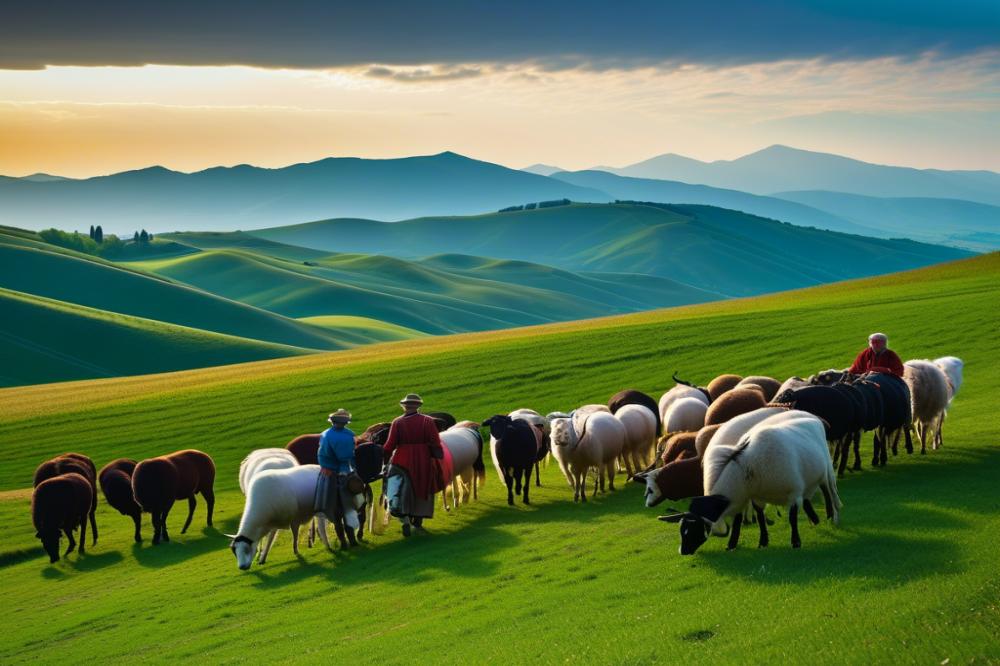
Attending a traditional traditional-trullo-in-the-valle-d-itria”>Transhumance festival in the Apennines
Overview of Transhumance and Its Significance in Italian Culture
Transhumance is more than just a method of livestock management; it is a way of life, deeply woven into the fabric of Italian culture. This practice involves moving livestock, especially sheep, between winter and summer pastures. It showcases the relationship between humans and nature, portraying a rhythm of life shaped by the seasons. For centuries, shepherds have traveled the mountains, following ancient paths to ensure their herds thrive throughout the year. These seasonal migrations have now become symbolic of rural life, reflecting resilience and a profound connection to the land.
Brief Description of the Apennines and Their Role in Transhumance
The Apennines are a stunning mountain range that stretches down the spine of Italy. They provide a unique landscape for transhumance, serving as both a natural barrier and a vital resource for grazing. Here, the cool elevations create lush pastures in summer, ideal for sheep herding, while lower areas offer shelter during harsh winters. The connection between these mountains and transhumance is crucial. Shepherds have mastered the art of navigating the changing terrain, adapting their routes and schedules to nature’s whims. These practices facilitate the preservation of biodiversity, while also supporting local economies.
Importance of festivals in Preserving Cultural Heritage
Festivals play a significant role in celebrating and preserving cultural heritage. The Transhumance Festival, for example, brings together communities from various backgrounds. This event honors the traditional practices of sheep herding and respects the history of the land. Families gather to enjoy the festivities, sharing stories and experiences that are vital for passing down knowledge to younger generations. Such gatherings foster a sense of belonging and pride, uniting people around a common heritage. As locals showcase traditional crafts and culinary delights, they help sustain the unique identity of their rural communities. Through these vibrant celebrations, the customs of transhumance continue to thrive amidst modern life.
Understanding the Transhumance Festival
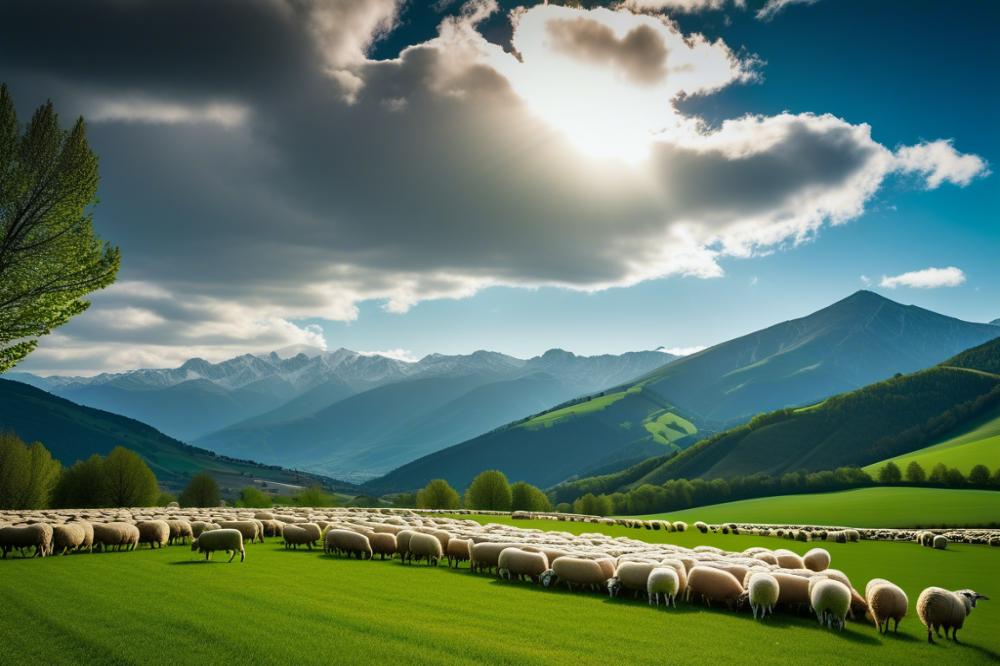
Transhumance refers to the seasonal movement of livestock between fixed summer and winter pastures. This practice has shaped rural communities in the Apennines for centuries. Historically, it helped farmers manage their sheep herds throughout the year. When summer arrives, herders guide their flocks to higher elevations. These mountains provide ample grazing grounds free from the heat of the valleys.
Seasonal migration plays a vital role in rural life. By moving livestock to various pastures, farmers can optimize their resources. This method maintains the health of both animals and lands. During the colder months, livestock return to lower pastures, where they find shelter and food. This practice also promotes biodiversity, as different plants thrive in varied altitudes.
Attending the festival offers a glimpse into these traditional practices. Festivities often start with a procession of herders and their flocks. Participants don traditional attire that reflects their cultural heritage. Colorful banners wave in the breeze, and music fills the air, creating an inviting atmosphere. Local foods, such as cheeses and cured meats, showcase what the region has to offer. As families gather, stories of past migrations and sheep herding methods are shared, strengthening the community bond.
During the festival, demonstrations highlight livestock management techniques. Herders exhibit skills in guiding sheep and milking goats. Children watch in awe as dogs work alongside their handlers to direct the flocks. Cooking classes and artisan markets invite attendees to experience local crafts. Every activity reinforces the importance of preserving these age-old customs.
This celebration is much more than a simple gathering. It embodies the love and respect that local people have for their land and animals. The Transhumance Festival connects generations through shared experiences steeped in tradition. Visitors leave with a newfound appreciation for rural life and the commitment it takes to maintain it.
The Celebration: What to Expect
Attending a traditional celebration in the Apennines is a delightful experience for anyone interested in cultural heritage. This lively festival features various activities that honor a way of life centered on seasonal migration. Visitors can expect a blend of food, music, and storytelling that showcases the region’s rich rural traditions.
Sheep Herding Demonstrations and Traditional Performances
One of the highlights involves sheep herding demonstrations. Expert shepherds showcase their skills and the incredible abilities of their dogs. These performances not only entertain but also educate attendees about the techniques used to manage livestock through the rugged mountains. Traditional performances, such as folk dances and music, bring the atmosphere to life. Local artists often take the stage, sharing songs that reflect the experiences of those who live in this captivating landscape.
Local Food, Music, and Artisan Crafts Featured at the Festival
Food plays a significant role in the festivities. Local vendors offer a variety of dishes made from fresh ingredients sourced from both the mountains and nearby farms. Visitors can enjoy cheese made from sheep’s milk, hearty stews, and homemade breads. Musicians often perform in the background, enhancing the cheerful ambiance with upbeat rhythms.
This festival also highlights the talents of local artisans. Craftspeople display their handiwork, showcasing everything from handwoven textiles to intricate pottery. Engaging with these vendors offers a chance to learn about their crafts and the stories behind them. The community takes pride in these traditions, making a concerted effort to keep them alive for future generations.
Attendees will find themselves immersed in a vibrant celebration of life that reflects the beauty and challenges of living in the Italian Alps. Each corner of the festival is filled with laughter, friendly conversations, and a true sense of belonging among visitors and locals alike. Those who attend will leave with lasting memories of a shared culture, rich in history and warmth.
Cultural Significance
The festival serves as a vibrant celebration of community identity in the Apennines. Locals gather to honor their rich traditions linked to rural life. Families and friends come together, fostering a sense of belonging among the participants. People wear traditional costumes, showcasing their pride in cultural heritage. This event is not just a spectacle; it is a way to remember the past.
Preservation of customs takes center stage during this gathering. It highlights the age-old practices of sheep herding and seasonal migration across the mountains. Through storytelling and music, the younger generations learn about their history. Artisanal crafts, from handwoven textiles to locally made cheese, display traditional skills. Each item tells a story that connects the community to its roots.
This celebration also impacts local economies significantly. As tourists flock to the festival, they engage with the area’s rustic charm. Shops, eateries, and markets flourish when visitors explore their offerings. Local artisans benefit from increased sales as crafts take center stage. The influx of people boosts interest in the rural way of life, drawing attention to the stunning landscapes of the Italian Alps.
Attendees leave with not only memories but also a deeper understanding of the region’s cultural fabric. Interactions between locals and tourists create meaningful exchanges. Visitors often return, sparked by an interest in both the festival and the natural beauty of the area. Economic opportunities arise, encouraging sustainable tourism that respects local traditions.
Experiencing the Apennines
Best Times to Visit the Festival Throughout the Year
The Transhumance Festival takes place at the end of summer. Typically, this occurs in late September or early October. This timing aligns with the traditional seasonal migration of livestock. Warm weather marks the journey of sheep herding into the high pastures. Attending at this time provides a glimpse into rural life in the Apennines. Each year, local communities come together to celebrate their cultural heritage. The vibrant atmosphere during the festival adds to the appeal of visiting.
Tips for Travelers on Navigating the Region and Festival Activities
Traveling to the Apennines can feel daunting, but the journey is rewarding. Public transport options are limited; renting a car is advisable. Having your own vehicle allows for easy access to various festival activities. Be sure to check local event schedules. Engage in workshops that showcase traditional crafts or taste local cheeses and meats. Ask locals for hidden gems, like scenic trails or quaint restaurants. Safety is essential, especially in mountain areas. Wearing comfortable shoes and checking weather forecasts before hiking is wise.
Recommended Accommodations and Local Attractions Nearby
Several lodging options cater to visitors. Quaint bed-and-breakfasts offer a heartfelt welcome. For those seeking a more rustic experience, farm stays provide a genuine taste of rural life. Besides the festival, explore captivating natural parks in the region. The Italian Alps are nearby and provide splendid views. Many trails await hikers of all skill levels. Additionally, local villages boast charming architecture and rich histories. Strolling through these areas reveals stories from the past that shaped the community.
Final Thoughts: Embracing Cultural Heritage
Attending a traditional festival in the Apennines reveals deeper truths about not only a community but also about ourselves. Engaging with local customs allows travelers to connect with history and nature in meaningful ways. Experiences like these are rare moments that shape perspectives.
Every detail of the transhumance celebration holds significance. From the vibrant colors of traditional costumes to the soothing melodies of folk music, every aspect tells a story. Witnessing these cultural displays enriches one’s understanding of the region. It’s a chance to appreciate the hard work and dedication of those who keep these customs alive.
Travelers seeking authenticity should prioritize experiences that connect them to the local life. The Apennines and Italian Alps offer distinct traditions that define the way of life for many. By attending such events, visitors not only support local economies but also gain insights into the identities of those who live there.
In closing, cultural experiences significantly enhance travel. They offer lessons that go beyond what can be learned through books or online resources. Participating in local festivals fosters a sense of community and belonging. Anyone who dreams of exploring Italy should not miss out on these opportunities. Embrace the moments that make each journey memorable.

