
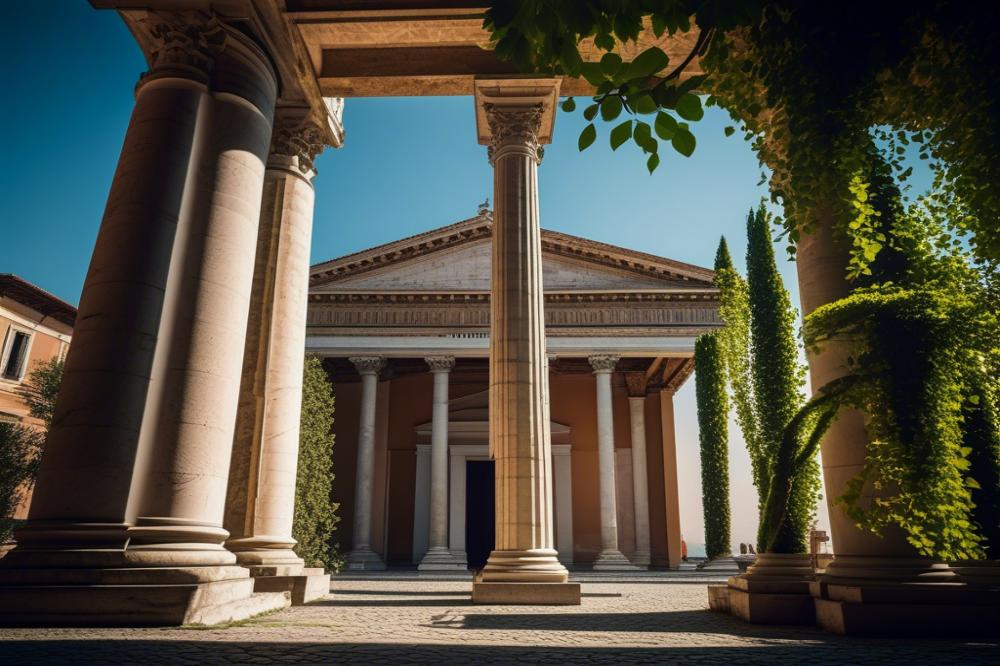
Exploring Hidden Treasures of Italy’s Past
Roman ruins are more than just remnants of a long-lost era; they represent a crucial part of Italy’s cultural heritage. These historical sites offer a glimpse into the advanced civilization that shaped much of Europe. Visitors and locals alike are often unaware that beneath their feet lies a world filled with ancient architecture, forgotten streets, and storied lives. The rich tapestry of history still pulsing beneath modern life draws many enthusiasts into the realm of urban exploration.
People find excitement in the thrill of the unknown. Urban exploration has gained popularity as adventurers uncover hidden history in their cities. These underground structures can tell tales of daily life in ancient cities, revealing how people once lived, worked, and celebrated. As they dig deeper, archaeologists and hobbyists alike contribute to the stories of bygone eras through excavation efforts.
This article aims to delve into the special experiences related to discovering Roman ruins scattered across Italy. Many believe that these archaeological discoveries are valuable not only for academic study but also for preserving Italy’s unique past. We’ll highlight exciting locations where hidden treasures wait to be found and share insights into the importance of historical preservation as a fundamental part of urban archaeology.
Roman Ruins: A Window to ancient cities

Exploring ancient cities gives us a glimpse into the past. Roman ruins serve as vital links to understanding ancient architecture and urban planning. They display the engineering skills and creativity of past civilizations. When we examine these historical sites, we unlock hidden history and insights into daily life during the Roman Empire.
Italy offers a wealth of notable archaeological discoveries that highlight this rich heritage. In Rome, structures like the Colosseum and the Roman Forum stand out. These iconic sites reveal the grandeur of public life in ancient times. Visitors can walk among towering columns that once supported bustling marketplaces and government buildings. Each stone tells a story of political drama and cultural celebration.
Pompeii presents another captivating snapshot of Roman life. Buried under volcanic ash, the city is remarkably preserved. Streets filled with shops, homes, and intricate art provide context to everyday activities. The vibrant frescoes on the walls draw attention and show what mattered to the inhabitants. Keepsakes of the past come alive in the shadows of their former glory.
Ostia Antica, once the bustling port of ancient Rome, offers exciting urban exploration opportunities. Walking through its ruins, one finds well-preserved buildings and streets. The layout of the city illustrates effective urban planning designed for commerce and defense. Discoveries like warehouses, bathhouses, and forums demonstrate the complexities of Roman society.
These archaeological sites not only showcase architectural innovation but also reflect cultural heritage. They give voice to the people who lived there. Artifacts unearthed during excavations shed light on daily struggles and communal life. Even the layout of homes and public spaces highlights societal values and norms.
Through historical preservation efforts, we can continue to explore these hidden treasures. Protecting ruins from modern encroachment remains crucial. The stories etched into these underground structures need to be remembered. They remind us of our shared human experience and the lives led long ago.
The Art of Excavation: Uncovering Hidden History
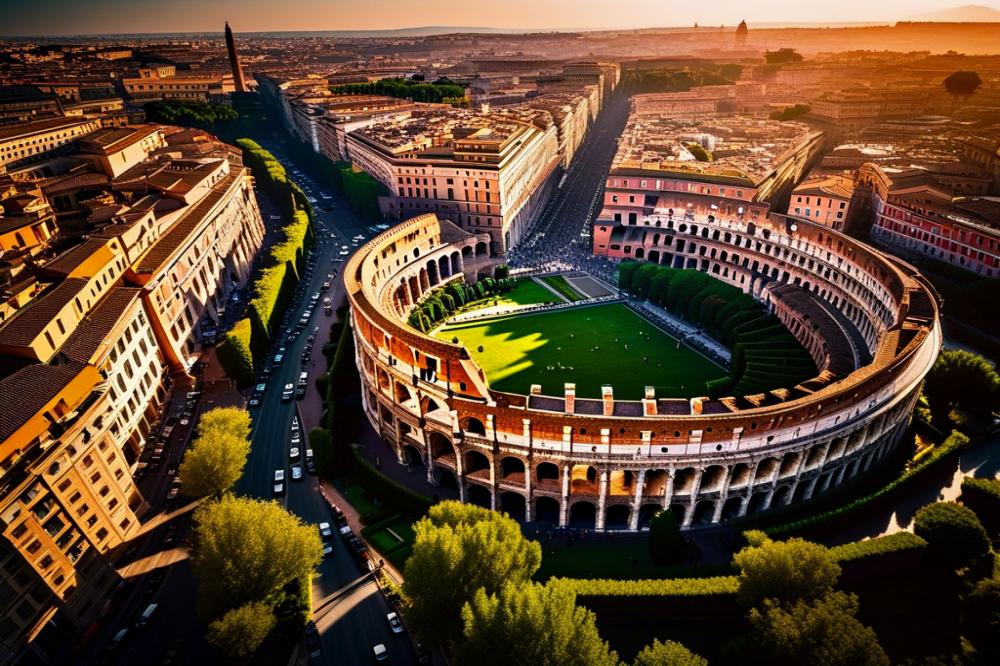
The excavation process is a meticulous journey into the past. Archaeologists play a central role in this endeavor, transforming urban exploration into a means of discovering our cultural heritage. They employ various techniques, from carefully digging to analyzing artifacts. Each tool in their kit helps reveal the stories held within underground structures.
Italy is home to many famous excavations that have provided profound insights into Roman civilization. The ruins of Pompeii stand as one of the best examples. Covered by volcanic ash, this ancient city was lost for centuries. Excavation began in the 18th century. What emerged was a treasure trove of artifacts, preserved in time. Buildings, mosaics, and daily life clues offer a vivid picture of Roman society.
Another significant site is Ostia Antica. Once the bustling port of Ancient Rome, it is less known but equally fascinating. Excavations revealed intricate streets lined with shops, baths, and temples. These findings illuminate everyday life and trade practices during the empire’s peak.
Working in densely populated urban areas presents unique challenges. Heavy machinery often cannot be used due to the risk of damaging surrounding structures. Furthermore, historical preservation requires archaeologists to proceed with caution. Sometimes, they excavate by hand, carefully uncovering layers of history. Nearby residents may not even realize the treasures lying beneath their feet.
Even the famous Colosseum has experienced excavation efforts. Over the years, workers have uncovered remnants of the arena’s intricate underground system. This included passages for animals and stage machinery. Such findings help historians understand the scale of entertainment in Roman times.
Urban landscapes often mask this hidden history. Modern construction can disrupt ancient sites. Sometimes, archaeologists collaborate with city planners to find a balance. The goal is to respect historical sites while allowing for development. Each excavation uncovers new elements of ancient architecture, adding to the puzzle of our past.
Attention to detail is crucial in all excavation endeavors. Each artifact, no matter how small, could hold significant meaning. Archaeologists document their findings meticulously, often sharing insights with the public. This transparency helps foster a deeper appreciation for the history buried beneath our cities.
Urban Exploration: Discovering the Layers of History
Urban exploration has become a fascinating trend among travelers and history enthusiasts. Many people seek out the hidden spaces of cities, looking for remnants of the past. Excursions to sites that hide beneath the pavement often ignite interest. Ancient cities hold secrets that can transform an ordinary visit into an adventure.
Touring sites like amphitheaters and temples reveals how civilizations once thrived. Visitors can walk through excavated areas, where ancient architecture stands in stark contrast to modern structures above. These underground sites tell stories that are often overlooked by those just passing by. Historical preservation plays a pivotal role in maintaining these connections to our cultural heritage.
Imagine exploring a forgotten Roman amphitheater, the air thick with history. Guides share tales of the grand events that once took place in these very spots. Tourists can envision gladiators battling for glory or citizens gathering to watch performances. This blend of education and adventure creates a thrilling experience.
Those who engage in urban exploration enjoy discovering hidden history. Many cities like Rome and Paris are riddled with archaeological discoveries waiting to be uncovered. People often feel a unique sense of connection while wandering through underground structures that have survived the test of time. Each corner turned offers a glimpse into past lives, telling tales of joy, struggle, and triumph.
This exploration invites curiosity and a deeper appreciation for the layers of civilization. The thrill of uncovering underground remnants is a rich experience. Rather than just visiting historical sites from a distance, explorers walk through the very places where history was made. It’s a captivating way to engage with places that shaped our world.
Historical Preservation: Protecting the Past
Urban developments can often overshadow historical sites, but many cities actively work to preserve their hidden history. Local governments, in cooperation with archaeological organizations, take significant steps to protect underground structures. These partnerships are essential for maintaining the integrity of ancient architecture. Without collaboration, much of this cultural heritage might be lost to progress.
Various measures help safeguard our archaeological discoveries. For starters, regulations are put in place that require assessments before any construction can occur. Environmental impact studies frequently include checks for historical sites, ensuring that excavation occurs respectfully and informed by the history of the area. There are also strategies that allow new buildings to integrate with existing ruins, keeping them visible as part of the city’s landscape.
Successful preservation projects shine a light on what can be achieved when urban exploration and historical preservation go hand in hand. In Rome, for example, the restoration of the ancient aqueducts reflects a commitment to preserving not only the ruins but also the stories they tell. Cities like Paris have incorporated underground catacombs into their tours, allowing people to connect with the city’s layered past while still engaging with modern life.
The collaboration between local authorities and historic preservation organizations is vital. Teams of archaeologists often work alongside city planners to navigate the complex balance between urban growth and the importance of historical sites. Their efforts help to educate the public and promote awareness about the significance of ancient cities beneath our feet.
In conclusion, preserving the history that lies beneath modern cities involves carefully thought-out practices, enthusiastic partnerships, and a shared respect for both past and present. These efforts not only protect ancient structures but enrich our understanding of where we come from.
Cultural Heritage: Bridging the Past and Present
Italy is famously rich in cultural heritage. Much of its identity stems from ancient cities that once flourished under Roman rule. Below the bustling streets of modern metropolises, a hidden history waits to be uncovered. Archaeological discoveries of ancient architecture reveal layers of stories from the past, contributing to a unique cultural tapestry.
Tourism plays a crucial role in these efforts. Visitors flock to explore the remnants of a grand civilization. This foot traffic stimulates local economies significantly. Revenues from tourism can help fund preservation initiatives. However, a balance is essential. Too many tourists can strain resources and damage delicate archaeological sites.
Educational programs also promote awareness of these historical sites. Schools and community centers often host events that highlight their significance. Urban exploration offers people an opportunity to engage with their heritage in a direct way. Activities like guided tours or lectures help ignite interest in local history. Youngsters in particular benefit from hands-on learning experiences.
Preserving underground structures requires a concerted effort. Historical preservation organizations work tirelessly to protect these treasures. Excavation can be risky but holds great potential for new findings. Every artifact uncovered enriches our understanding of past civilizations. Collaborations between archaeologists, historians, and local communities enhance the commitment to safeguarding these legacies.
Remaining mindful of our past shapes the future. Integrating lessons from ancient cities into modern life fosters a deeper appreciation. In this way, engaging with our collective history becomes a bridge connecting generations. The stories told by the ruins can inspire and educate those willing to listen.
Embracing the Past: A Journey Through Hidden History
Exploring Roman ruins in modern cities offers a special glimpse into our shared history. Each layer of stone tells a story, revealing the lives of those who came before us. This connection to the past enriches our understanding of the present. Walking through ancient cities, we gain a deeper appreciation of how cultures evolve over time.
Travelers are encouraged to seek out these treasures. Finding remnants of history beneath bustling streets can transform an ordinary trip into a fascinating adventure. These experiences remind us that we are part of a long narrative that stretches back thousands of years. Engaging with such sites can spark a sense of wonder about humanity’s journey.
Preservation plays a critical role in this exploration. Protecting these sites ensures that future generations can also experience the allure of history. Without care, these valuable reminders of our past may fade away, leaving behind only memories. As we delve into these hidden places, we also affirm our commitment to maintaining the rich tapestry of cultural heritage.
In conclusion, appreciating the layers of history in modern cities is essential for all who seek to understand their origins. Let’s celebrate the stories these ruins tell and the connections they foster. Each discovery invites us to reflect on our society, culture, and identity. Embrace the experience, and let the hidden history inspire your journey.

