
Introduction
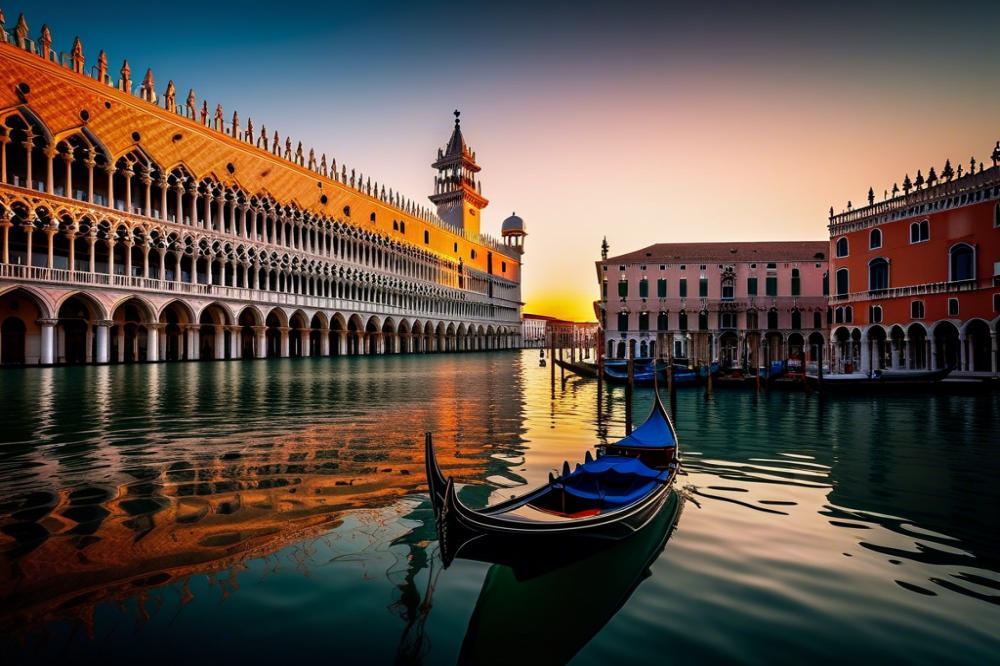
The Palazzo Ducale stands as a crucial part of Venice‘s historical landscape. This iconic building was more than just a residence; it served as the political heart of the Venetian Republic. Its impressive architecture reflects both the power of the state and the artistry of its time. Within its walls, Doges made important decisions that shaped the city and its people.
As a symbol of political power, the palace embodies the rich heritage of Venice. Visitors from around the world see it as a must-see destination. Many are drawn not only by its role in governance but also by its sheer beauty. The Gothic style of the structure presents intricate details, ornate arches, and stunning facades that captivate tourists and locals alike.
Throughout its history, the Palazzo Ducale has been a site of major events. It hosted meetings, trials, and celebrations that defined Venice as a significant maritime republic. This remarkable building showcases the relationship between art and politics that flourished during its height. Today, it houses museums that preserve and display its rich legacy.
For anyone interested in architecture or history, the Palazzo Ducale is a treasure trove. It tells the story of Venice’s rise as a powerful city-state. As a centerpiece of tourism, it continues to attract millions every year, allowing people to step back in time and appreciate the fusion of politics and culture in the heart of Venice.
Historical Background
Founding of the Venetian Republic
The Venetian Republic began as a collection of islands in the 5th century. As people fled from barbarian invasions, they settled in this watery haven. By 697 AD, Venice established itself as an independent political entity. The founding was marked by the election of the first Doge, which set the tone for a new era. This early governance created a model that emphasized trade, security, and maritime power.
Role of the Doge in Governance and Representation
The Doge served as the chief representative of the Republic. This position combined elements of leadership with symbolic authority. He was elected by the aristocracy, making him a figure of great importance. While the Doge had significant power, decisions required the assent of councils. This shared governance model showcased the delicate balance of power in Venetian politics.
Evolution of Palazzo Ducale Through the Centuries
Originally, the Doge resided in a modest structure. Over time, this building transformed into an architectural masterpiece. The Gothic style became prominent during the 14th and 15th centuries, reflecting the city’s wealth and ambitions. Renovations and expansions continued through the ages, resulting in impressive façades and grand halls. Each change speaks to the evolving identity of Venice and its leaders.
Key Historical Events Associated with Palazzo Ducale
Numerous pivotal moments in Venice’s history took place within these walls. The trial of conspirators, for instance, demonstrated the political climate of the time. In 1797, when Napoleon conquered Venice, the Doge’s power came to an abrupt end. The palace also housed significant cultural events, including art exhibitions and public meetings. Today, its significance as a museum of Venetian heritage draws countless tourists eager to explore its storied past.
Architectural Features
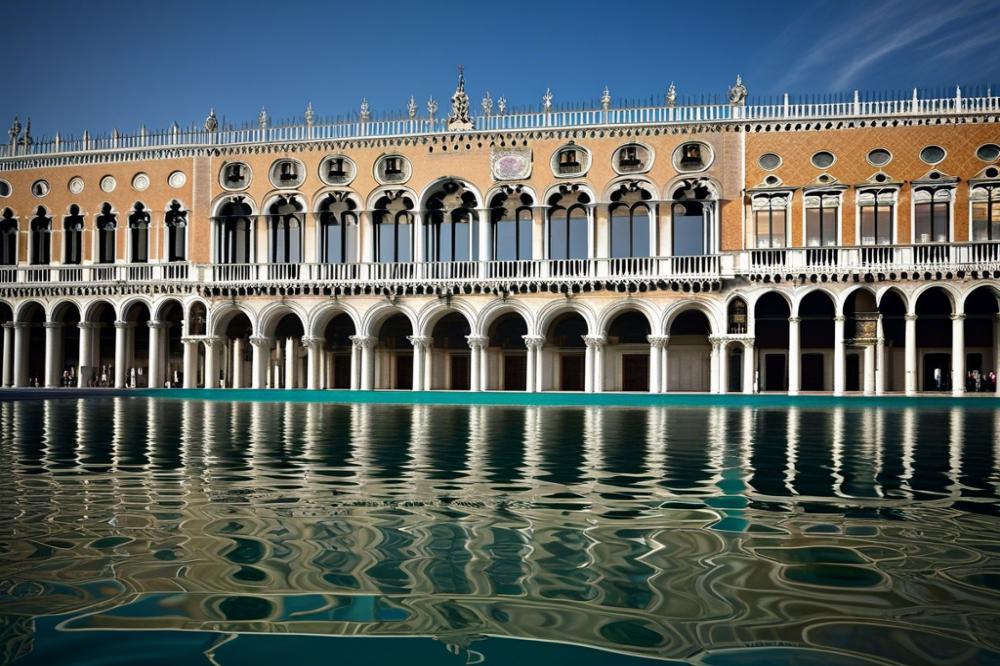
The Palazzo Ducale is a stunning example of Gothic architecture, which flourished during the Middle Ages. With its intricate designs, tall spires, and pointed arches, this style conveys a sense of elegance and power. The building’s façade is particularly remarkable, showcasing soft pink and white stone that blends beautifully with the canals of Venice.
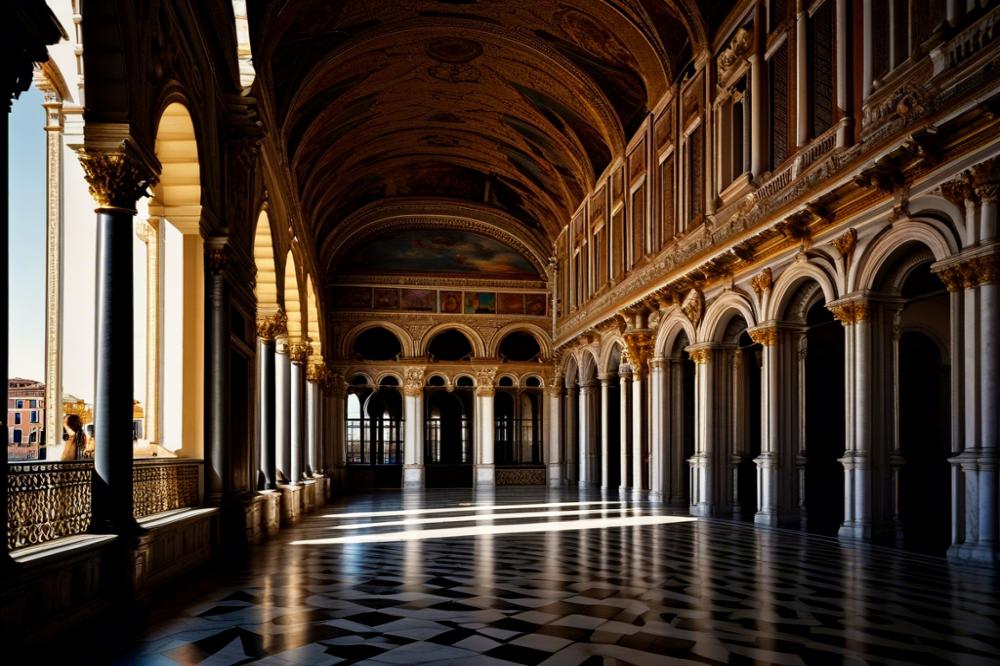
Several key elements define the exterior and interior of this historic site. The grand arches at the entrance invite visitors into a world of political significance. Inside, soaring ceilings and expansive halls reflect the strength of the Doge’s rule. The walls are adorned with breathtaking artworks that highlight the city’s rich heritage, linking art and politics in a compelling manner.
Venetian architecture has profoundly influenced the design of the palace. The use of local materials and designs speaks to the region’s identity. Unlike many other buildings of its time, the melding of Byzantine, Romanesque, and Gothic styles creates a unique aesthetic that captures the spirit of Venice.
When compared to other famous palaces in Italy, the Palazzo Ducale stands out for its distinctive features. While the Palatine Hill in Rome boasts a more classical style, this palace emphasizes the maritime importance of Venice. Visitors can appreciate not just the architectural brilliance, but also how it represents the power dynamics of politics in the Venetian Republic.
Overall, this magnificent structure continues to attract tourists from around the world. It serves as both a museum and a testament to the city’s past. The blend of architecture and art here offers a rich experience that reflects Venice’s unique character and historical significance.
Political Role and Functions
Palazzo Ducale as the Seat of Government
The Palazzo Ducale served as the central hub of governance for the Venetian Republic. This grand building was more than just a stunning example of Gothic architecture; it was where important decisions were made. Within its walls, the Doge ruled alongside various councils. The Doge represented the face of the state, guiding policies and administration. His authority, however, was checked by a system of councils that engaged in deep political discussions.
The Doge’s Residence and Administrative Functions
Living in the Palazzo, the Doge enjoyed a prominent position. The opulence of his residence reflected the power and wealth of Venice. Daily administrative tasks took place here, from meetings with advisors to public audiences. Decisions affecting trade, defense, and diplomacy were often initiated in these stately rooms. These actions shaped the political life of Venice and influenced the wider region.
Courtroom and Space for Political Gatherings
Within the palace, significant events unfolded in the grand courtroom. This area was reserved for high-profile trials and gatherings of important officials. The architecture of the space provided not just beauty but also symbolism of justice and authority. Large gatherings took place here, allowing for discussions about crucial political changes. People from all walks of life would find themselves influenced by the decisions made in such a significant backdrop.
The Significance of the Grand Council and Other Political Assemblies
The Grand Council held immense importance in Venetian politics. This body was made up of the city’s elite and had the power to shape laws and governance. Members deliberated on pressing matters, and their decisions were key to maintaining Venice’s stability. Other political assemblies complemented this council, allowing for broader representation of various groups. The heritage of collective decision-making defined Venice and contributed to its historical narrative. Such institutions not only reflected the rich culture of the city but also highlighted its commitment to democracy. Throughout the years, these gatherings attracted attention, making the Palazzo a focal point for both politics and art, inviting tourists from all over.
Cultural Heritage and Art
Palazzo Ducale as a Center for Venetian Art
The palatial structure stands not only as a political center but also as a significant hub for art in Venice. This architectural marvel showcases the best of Gothic style, attracting visitors eager to appreciate its beauty. Within its walls, art flourished, influenced by the politics and culture that shaped the Venetian Republic. Many artists found inspiration here, creating works that reflected the vibrancy of life in Venice during its golden age.
Notable Artists and Artworks Housed in Palazzo Ducale
Many renowned artists left their mark on this historic site. Tintoretto, a master of the Venetian Renaissance, contributed stunning frescoes that adorn the ceilings. Veronese’s masterpieces also grace the walls, showcasing elaborate scenes filled with color and life. Each artwork tells a part of the story that binds Venice together, illustrating the rich tapestry of its history. These paintings and sculptures do more than decorate; they communicate the spirit of an era defined by innovation and creativity.
Impact on Venice’s Cultural Identity and Heritage
Art plays a vital role in defining local identity. The works housed in this historic site provide a deep connection to the past, reminding residents and tourists alike of Venice’s exceptional heritage. Representations of myths, politics, and day-to-day life in these artworks shape the collective memory of the city. Through art, people discover not only the beauty of Venice but also its complex history and influence. Such cultural touchstones draw countless visitors, solidifying the city’s reputation as a center for art and history.
Facilities for Preserving and Showcasing Venetian History
To maintain its rich legacy, Palazzo Ducale offers various facilities dedicated to preservation. These museums are always mindful of protecting artworks from deterioration. Educational programs also invite people to learn about the historical significance of each piece. Guided tours provide insight into the lives of the Doges and the types of governance that unfolded within these walls. Consequently, the site serves as both a guardian of heritage and a vibrant space for art appreciation. Tourists and locals alike engage with the history here, connecting the past to the present.
Tourism and Museums
Current Status as a Major Tourist Attraction
The Palazzo Ducale stands today as one of Venice’s primary tourist destinations. Every year, millions of visitors flock to this iconic site. Its stunning Gothic architecture draws art lovers and history enthusiasts alike. This former residence of the Doge highlights the wealth and power of the Venetian Republic. Tourists come not only to admire the building but also to immerse themselves in the city’s remarkable past.
Visitor Experience: Guided Tours, Exhibitions, and Events
Guided tours are popular among guests seeking to understand the palace’s rich history. Knowledgeable guides share stories and details about the unique architecture and famous artworks. Regular exhibitions showcase various aspects of Venice’s heritage, from famous paintings to local artifacts. Events throughout the year enhance the experience, ranging from lectures to performances. Visitors can walk through ornate rooms and feel the weight of centuries of politics and power.
Role in Promoting Venice’s History and Culture
This landmark plays a crucial role in preserving and promoting Venice’s cultural legacy. Its halls witnessed pivotal moments in the city’s political life. The Doge’s office and the grand council chamber embody the spirit of Venetian governance. Each room tells a story, offering insights into the Republic’s complex social structure. Schools and educators often plan field trips here, understanding its educational value.
Assessment of Its Importance in the Tourism Landscape
The Palazzo acts as a cornerstone of Venice’s thriving tourism industry. It attracts not only tourists but also scholars and art connoisseurs. Many visitors rank it among the top sites they wish to explore. This significant attraction enriches the experience of learning about art, architecture, and history. Overall, it remains a vital element in the cultural and economic fabric of Venice.
Final Thoughts
Palazzo Ducale stands out as a central symbol of Venice. It played a crucial role in the history of the Venetian Republic. Political decisions, justice, and governance took place within its walls, making it the heart of civic life. The impressive architecture reflects the strength and wealth of Venice during its peak. Its ornate façades and richly decorated interiors tell stories of power and ambition.
This landmark holds immense historical value, offering a glimpse into the past. Each room and corridor echoes of the grand decisions that shaped the city. Visitors often find themselves in awe of the famous artworks and intricate designs found throughout. The significance of this place goes beyond mere structure. It encompasses the essence of Venetian identity and culture.
The legacy of the Palazzo is evident today. It serves as a reminder of a time when Venice was a major power in Europe. Many still visit to experience its grandeur and learn about its role in shaping a republic that thrived on trade and diplomacy. This site continues to inspire awe and respect, bridging the gaps between past and present. In the heart of Venice, it remains a testament to a unique and rich history, one that still resonates with many around the globe.

