
Introduction
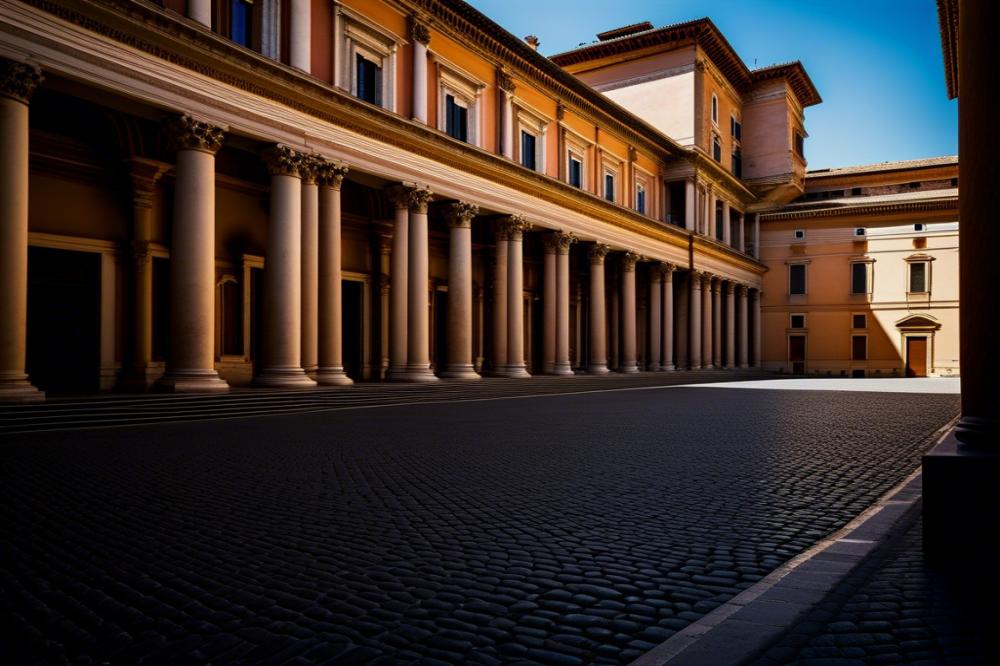
The rich tapestry of Italian palaces reveals much about the nation’s history and culture. From the opulent halls of nobility to stunning artistic expressions, these structures tell tales of power and prestige. Among them, the Palazzo Farnese stands as a prominent example of Renaissance architecture in the heart of Rome.
This historic site showcases a blend of artistry and architectural prowess. Building began in the early 16th century and involved renowned artists, including Michelangelo himself. The frescoes within its walls are testaments to the exquisite craftsmanship of that era.
Palazzo Farnese merges style and grandeur, making it an architectural marvel worthy of admiration. It reflects the height of the Italian Renaissance, marked by its elegant design and complex symmetry. Later influences, particularly Baroque elements, also played a role in its evolution.
Today, this magnificent palace is more than just a beautiful building; it is a symbol of cultural heritage. Visitors can marvel at its extensive art collection and appreciate the stories embedded in its walls. The history of Palazzo Farnese offers a fascinating glimpse into the past, showcasing the artistic and political developments of Rome.
Palazzo Farnese History
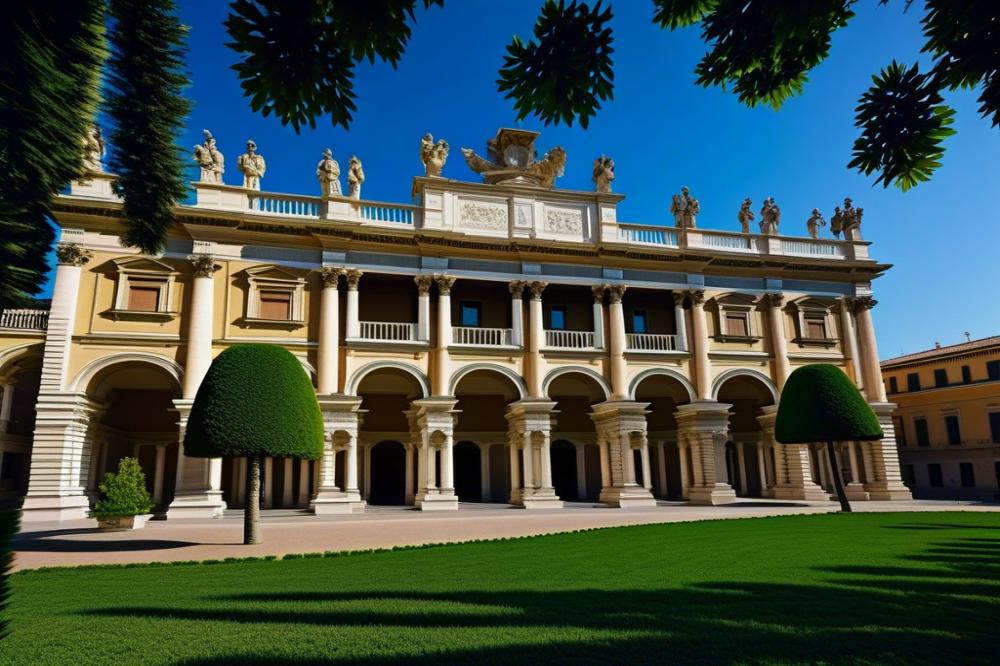
The origins of this architectural marvel date back to the Renaissance period. Construction began in 1514 under the direction of Antonio da Sangallo the Younger. Inspired by classical forms, the design aimed to showcase the power of the Farnese family.
Cardinal Alessandro Farnese played a crucial role in its development. He became Pope Paul III in 1534, which further elevated the building’s importance. Transformations occurred as the structure adapted to changing tastes and functions throughout history.
Over the centuries, various architects left their mark on the palace. Michelangelo contributed to the facade, imprinting his vision on the exterior. The later Baroque influence enhanced the interior spaces with grand frescoes and elaborate decorations, showcasing the rich art collection housed within.
The Palazzo has served multiple purposes since its inception. It became a residence for nobility, a seat of power, and even a diplomatic venue. Historical significance surrounds the structure, making it a subject of admiration among visitors to Rome.
Regular renovations maintained the building’s charm and stability. Building techniques evolved, reflecting the architectural trends of the time. This evolution ensures a blend of Renaissance elegance and Baroque exuberance, creating a fascinating narrative of Italian cultural heritage.
Architectural Features of Palazzo Farnese
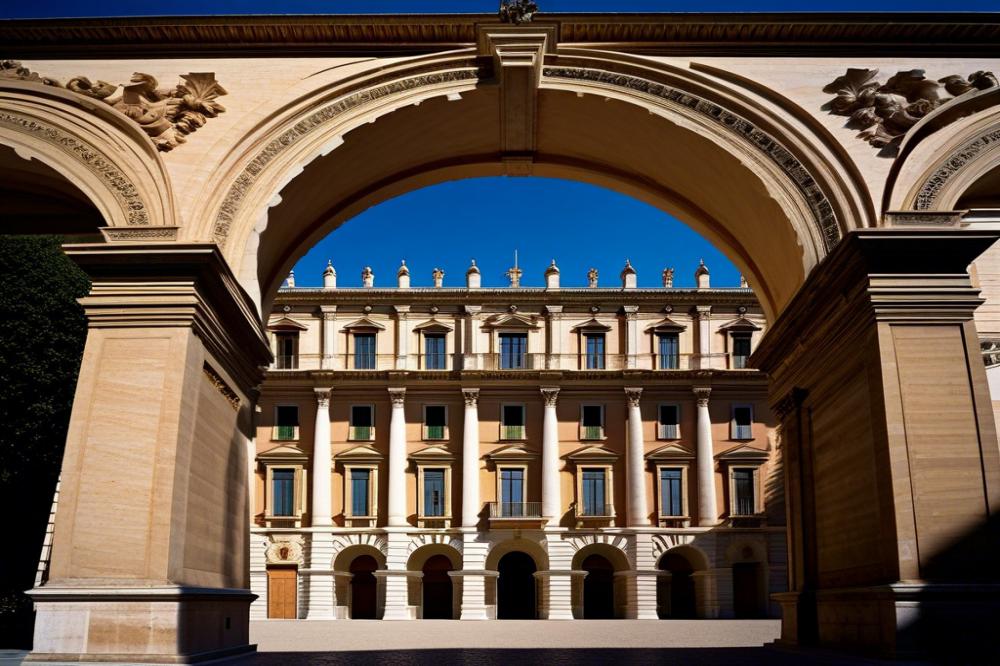
The façade of Palazzo Farnese stands as a testament to Renaissance excellence. The impressive structure combines strength with beauty. Its grand entrance welcomes visitors with a magnificent triangular pediment. Tall columns, crafted in a Corinthian style, frame the façade and enhance the building’s stateliness. The choice of materials creates a sense of harmony, showcasing light and shadow in captivating ways.
Michelangelo’s architectural principles greatly influenced the design of this impressive building. His understanding of proportion and symmetry is evident in the layout. The harmonious blending of different elements exemplifies his vision. Celebrated for his innovative ideas, he brought a sense of grandeur to the structure. This majestic design captures the essence of the Italian Renaissance, where art and architecture flourished.
Renaissance elements are prominent in the Palazzo’s design, while Baroque influence subtly enhances its appeal. Decorative motifs and elaborate frescoes adorn numerous spaces inside. Artists of the time infused their creativity, making the interiors as stunning as the exterior. Visitors can admire how these styles interact, reflecting the cultural heritage of Rome. The combination of classical themes and sumptuous details creates a multifaceted experience.
Historical significance surrounds this architectural marvel. It served as a symbol of power during its era. Home to notable art collections, it represented not just a residence but a center of culture. The way light enters through windows emphasizes the artistry within. From its sturdy construction to ornate decorations, every aspect tells a story of an era long gone.
Art Collection and Frescoes
The art collection within the walls of the Palazzo Farnese stands as a testament to the grandeur of Renaissance creativity. Housed in this architectural marvel are pieces that reflect Italy’s deep-seated cultural heritage. Visitors can marvel at an array of works, ranging from paintings to sculptures. Each exhibit tells a story, showcasing the richness of Italian artistry through the ages.
Frescoes adorn the ceilings and walls, capturing the eye and imagination of all who enter. One of the most famous artists involved is Michelangelo. His influence resonates throughout, particularly in the stunning ceiling artwork. Other notable frescoes were created by the renowned artists in the Baroque period, who transformed spaces into vibrant narratives. These works often depict historical or mythological themes, reminiscent of the Italian Renaissance’s flair for storytelling through visual art.
Understanding the significance of these artworks requires a glimpse into Palazzo Farnese history. Each piece contributes not just to the aesthetic appeal but also to the understanding of Italy’s artistic evolution. They mark important transitions in style and technique, reflecting the historical significance of their time. The combination of frescoes and sculptures provides a comprehensive look at how art and culture intertwine in Italy.
The artworks housed here celebrate a distinctive chapter in the Italian cultural narrative. They draw attention to how the Renaissance fostered an appreciation for beauty and intellect. It is a place where every corner bursts with creativity. Those lucky enough to visit will leave with a deeper understanding of Italy’s past and the evolution of its artistic practices.
Cultural Significance and Legacy
The Palazzo Farnese stands as a hallmark of Rome’s rich historical significance. This grand structure showcases the brilliance of the Italian Renaissance. It symbolizes the ambitions of the Farnese family, who played a pivotal role in shaping the cultural landscape of the time. Their impact extended beyond architecture into art and politics, reflecting the values of an era steeped in creativity.
Moreover, this architectural marvel continues to attract tourists from around the globe. Visitors come to admire its stunning frescoes, many of which reveal the genius of artists like Michelangelo. The art collection housed within its walls draws attention to Renaissance artistry and the Baroque influence that followed. People often find themselves captivated by the beauty and craftsmanship displayed throughout the building.
Preservation efforts are vital to maintaining such a treasure for future generations. Organizations and the Italian government work diligently to restore and protect its structural integrity. These initiatives not only focus on the physical building but also promote education about its history. By doing so, they safeguard the cultural heritage that the Palazzo Farnese represents.
In contemporary culture, the site serves as more than just a museum. It occasionally hosts events, making it a vibrant part of Rome’s social scene. The mixture of history and modern function enriches the experience for both locals and tourists. Exploring its halls is like stepping into a living museum, where past and present intertwine seamlessly.
Final Thoughts on a Renaissance Gem
Palazzo Farnese stands as a testament to the beauty and historical importance of Renaissance architecture. Located in Rome, this magnificent building showcases the artistic genius of its time. Visitors often marvel at its grandeur and the intricate details that define its exterior. Each corner reveals a story, bringing to life the cultural heritage of the period.
The artistic elements found within its walls enhance its reputation as an architectural marvel. Frescoes by artists like Annibale Carracci grace the ceilings, demonstrating the creativity and passion of Renaissance artists. Each stroke tells a deeper story, inviting reflection and admiration from all who enter.
A visit to this stunning palace offers an opportunity to step back in time. One can gain insights into the lifestyle and aspirations of the Farnese family. Exploring its halls and gardens fosters a connection to the past that feels almost tangible.
Don’t miss the chance to appreciate this exceptional piece of cultural heritage. Witnessing the splendor of Palazzo Farnese in person is an experience like no other. Whether you are a history buff or a casual traveler, this site promises to leave a lasting impression. Make plans to explore and cherish this magnificent example of Renaissance architecture.

