
Introduction
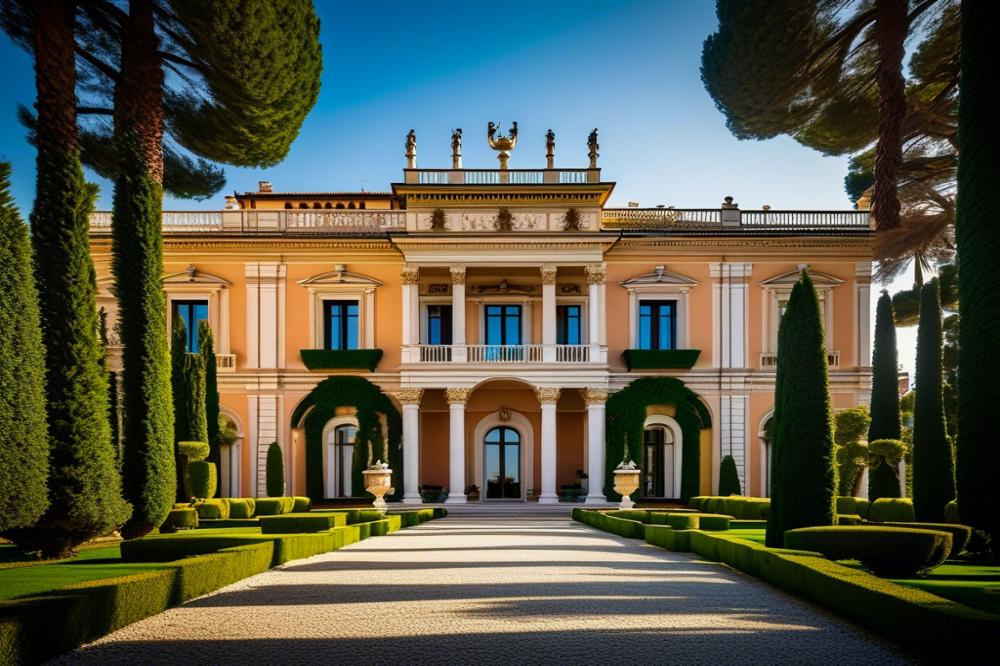
In the heart of Mantua, an architectural wonder captivates visitors with its beauty and ingenuity. This villa, known as Palazzo Te, stands as a testament to the creative spirit of the Renaissance. It holds a significant place in the cultural heritage of Italy. Many view it as one of the most important examples of Mannerism. Beyond its stunning aesthetics, Palazzo Te is a masterclass in illusionism, showcasing how art can manipulate space and perception.
Italy is home to numerous remarkable palaces, each telling its own story. Palazzo Te holds a unique position among them. Its frescoes and intricate designs have attracted art lovers and historians alike. This site does not merely rely on its physical grandeur; it encapsulates a pivotal moment in art history. Recognized as a UNESCO World Heritage site, it reflects the richness of Italian art during the Renaissance.
Giulio Romano, the brilliant architect behind this masterpiece, played a crucial role in shaping Renaissance architecture. He was not just an artist; he was a visionary who transformed how people perceived space through design. His work at Palazzo Te exemplifies his innovative approach, combining both imagination and technical skill. As visitors explore its enchanting rooms, they encounter the world of Renaissance thought and creativity revived in every detail.
Historical Context
Background of Mantua during the Renaissance
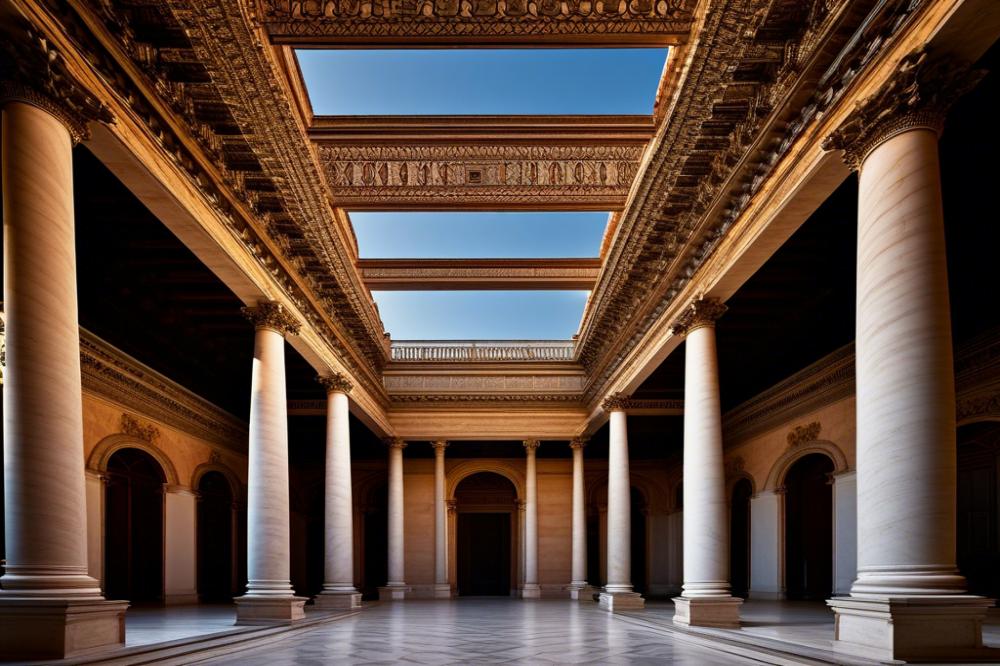
Mantua thrived during the Renaissance. This city became a center for culture and art. Wealth from trade and local nobility helped fuel its growth. Artists and thinkers flocked to the region. This environment gave birth to brilliant innovations in architecture and painting. Renowned figures like Andrea Mantegna influenced the local artistic scene. Mantua’s streets echoed with the sounds of creativity. Renaissance architecture shaped its landscape, leaving a lasting mark on the city.
Commissioning of Palazzo Te by Duke Federico II Gonzaga
Duke Federico II Gonzaga was a patron of the arts. He commissioned the villa as a retreat from court life. Giulio Romano, a prominent architect and painter, was entrusted with this project. The design emphasized both beauty and functionality. Interestingly, the Duke wanted a space that showcased his power and prestige. Palazzo Te became a canvas for illusionism and grand frescoes. It reflected the tastes of Mannerism, a style that played with form and realism. The construction began in the early 16th century, around 1525, and continued for some time.
Significance of the villa in the cultural and political landscape of the time
This villa stood at the crossroads of art history and politics. It served as a retreat but also a statement of Gonzaga’s influence. Cultural heritage flourished in its walls, rich with Roman themes and mythology. The innovative use of space and decorative techniques attracted many visitors. Artists studied the elaborate frescoes, which pushed the boundaries of traditional style. Design elements highlighted the Duke’s role in the cultural life of Mantua. It ultimately became a UNESCO World Heritage site, recognized for its historical importance. The fusion of art and architecture at the villa defines its legacy even today.
Architectural Design and Features
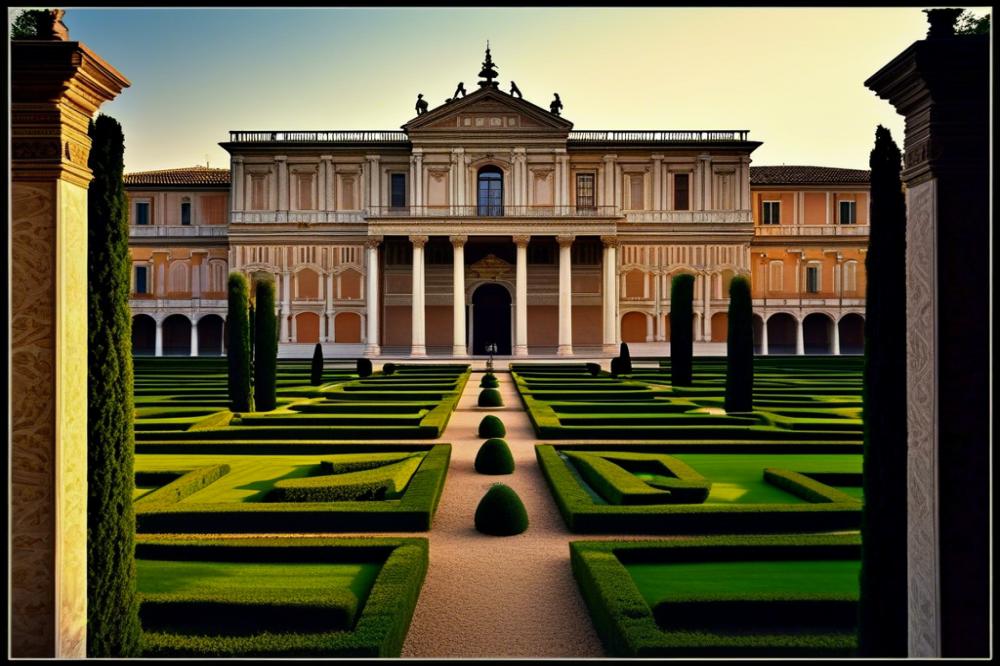
The architecture of Palazzo Te in Mantua stands as a testament to the brilliance of Renaissance design. Constructed between 1525 and 1535, this villa embodies the innovative spirit of its time. Its layout reflects a blend of spaces that serve both function and grandiosity. Visitors encounter an elegant façade that features refined symmetry and graceful proportions typical of Italian art.
Integration of Mannerism is evident throughout the building. Artists used this style to challenge classical norms, creating spaces that both astonish and engage the viewer. Illusionism plays a crucial role in stimulating imagination. For instance, elaborate frescoes fill the walls and ceilings, drawing one’s eye upwards to a world of vibrant narratives. These artworks break the boundaries of traditional decoration, transforming surfaces into expansive landscapes and celestial realms.
Significant structural elements of Palazzo Te further enhance its artistic impact. The grand portico invites guests into expansive rooms laced with intricate decorative details. Each room, like the Hall of the Horses, showcases the skill of Giulio Romano and his team. Symbolic motifs, cleverly interwoven with historic references, invite exploration and interpretation. Additionally, the use of light is masterful, with large windows that frame spectacular views of the gardens. This connection with nature adds to the villa’s serene atmosphere.
Art history acknowledges Palazzo Te as a masterpiece of illusion and design. The villa’s cultural heritage draws scholars and tourists alike. It was designated as a UNESCO World Heritage site for its significance in showcasing Mannerism’s evolution. Palazzo Te serves not only as a residence but as a canvas where architecture and art collide. This unique blend continues to inspire admiration and inquiry, marking Mantua as an essential stop for those interested in the richness of Renaissance architecture.
Frescoes and Artistic Elements
Giulio Romano’s work at the villa is a significant aspect of Italian art during the Renaissance. His frescoes transform ordinary walls into a seamless blend of imagination and reality. Rich colors and elaborate scenes transport viewers into a vibrant world. These artistic elements showcase the skill of both Romano and his workshop. The themes in the frescoes reflect not only mythology but also the natural beauty surrounding Mantua.
Common motifs include gods, goddesses, and allegorical figures. Romano infused daily life with mythological references, featuring both playful and dramatic narratives. Additionally, scenes of nature elegantly intertwine with human figures, blurring the lines between them. The contrasts of light and shadow play crucial roles in enhancing the depth of each scene. This attention to detail reveals a mastery of illusionism that captivates and engages the audience.
The impact of the artwork extends beyond mere decoration. Each fresco contributes to the overall illusionistic effect. Illusions of open skies and expansiveness pull the viewer in, making one feel part of the surroundings. In the Sala dei Cavalli, the ceiling presents a striking example. It seems to stretch infinitely, breaking barriers between architecture and painting. This quality is especially pronounced in Mannerism, where exaggerated forms and unusual perspectives challenge traditional representations.
The artistic choices made by Romano create a dynamic environment within the villa. Techniques such as foreshortening and atmospheric perspective deepen the viewer’s immersion. Many of the frescoes celebrate themes of love, power, and nature, reflecting cultural heritage of the time. Each room tells its own story, inviting exploration and contemplation. Art history often highlights the innovative spirit of the Renaissance in such works.
As a UNESCO World Heritage site, the significance of these frescoes cannot be overstated. The villa serves as a hallmark of Renaissance architecture. Visitors come not just to admire the beauty but to understand the profound messages within the art. The interplay of reality and fantasy is what makes Giulio Romano’s work exceptional. Looking closely at these frescoes reveals layers of meaning that resonate through the ages.
Cultural Heritage and Legacy
Palazzo Te as a UNESCO World Heritage site
Mantua’s treasure, Palazzo Te, holds a special place in the world of cultural heritage. Recognized as a UNESCO World Heritage site, it showcases remarkable artistry and architectural brilliance. This designation highlights its importance not only in Italy but globally. Visitors marvel at its intricate designs and stunning frescoes, all of which reflect the genius of Giulio Romano. The site is a testament to the creativity of the Renaissance and the Mannerism movement. Preservation efforts aim to maintain its splendor for future generations.
Impact on Italian art and Renaissance architecture
This villa has profoundly influenced Italian art and architecture. The innovative use of illusionism here set new standards during the Renaissance period. Artists and architects today still study its design principles, recognizing it as a significant reference point. Many elements of its structure echo throughout other works from that era. This blend of art and architecture makes Palazzo Te a cornerstone in understanding Renaissance aesthetics. Its unique commitment to visual storytelling continues to inspire contemporary artists.
Continuing relevance in art history and cultural studies
Scholars actively explore the relevance of Palazzo Te in art history and cultural studies. Researchers analyze its role in the development of decorative arts and illusionistic techniques. The interplay of space and decor encourages a dialogue about perception and reality. Contemporary discussions often link it to broader themes like power and representation in art. Students studying art history find its lessons invaluable. This site remains a vital part of discussions surrounding the evolution of Italian art through the centuries. Attraction to its innovative spirit endures, cementing its role as an icon in cultural education.
Visitor Experience
Visitors to Mantua can easily access the villa, located just a short walk from the city center. The entrance features a well-maintained ticket area where guests can buy tickets and receive helpful information about their visit. Audio guides are available and provide insights into the captivating frescoes that adorn the walls. Guided tours are also offered, enhancing the experience with expert knowledge about the Renaissance architecture and Mannerism exhibited throughout the estate.
This cultural heritage site holds immense importance as it reflects not only the art history of Italy but also the innovative spirit of its time. Preservation efforts are crucial to protect the intricate designs and illusionism that Giulio Romano skillfully incorporated. Future generations deserve the chance to experience this masterpiece, which stands as a testament to the creativity of the Renaissance. Maintaining the villa ensures that people can enjoy its beauty and educational value long into the future.
For those interested in Italian art and architecture, a visit to this landmark is essential. Observing the blend of classical elements with novel artistic expressions will provide deep insights. Plan to spend a good amount of time exploring each room. The details in the frescoes tell stories that can captivate any visitor. Don’t forget to wander through the gardens, which enhance the villa’s charm. Engaging with this remarkable site creates lasting memories and appreciation for a pivotal part of cultural heritage.
Final Thoughts on a Timeless Masterpiece
Palazzo Te stands as a powerful testament to the creativity of its creator, Giulio Romano. This elegant building not only showcases the splendor of Renaissance architecture but also acts as a vital piece of Mantua’s artistic narrative. Its enchanting frescoes and imaginative spaces invite visitors to lose themselves in a world of illusion and beauty.
Romano’s ability to weave together form and function makes this structure particularly significant. He transformed a simple villa into a lavish retreat that embodies the spirit of the time. Each room serves as a canvas for artistic expression, blurring the lines between reality and imagination. This kind of innovative design encourages us to rethink the relationships between art and space.
Visitors today still find themselves captivated by the playful nature of Palazzo Te. Its allure has not faded with time; rather, it continues to inspire awe and wonder. Generations have marveled at its features, and it remains a vital part of Italy’s cultural heritage. As we reflect on this landmark, we appreciate its historical importance and the brilliance of its creator. Truly, it stands as a remarkable achievement in both artistry and architectural design, leaving a lasting impression on all who encounter its walls.

