
Palazzo della Pilotta in Parma: A cultural hub of art and Theater
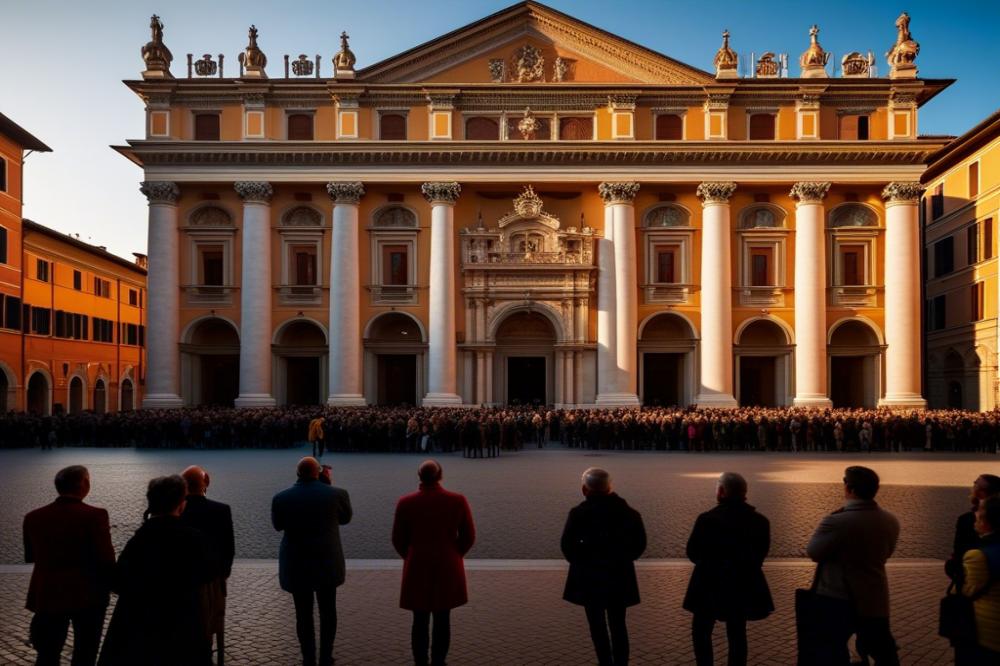
The Palazzo della Pilotta stands as a significant cultural hub in Italy. Located in the heart of Parma, this remarkable building showcases the rich tapestry of art, architecture, and history. Visitors and locals alike are drawn to its impressive facade and the treasures housed within. Notably, art and theater have thrived here, making it a center for creative expression and inspiration.
Throughout its history, the Palazzo has been a stage for theatrical performances and artistic exhibitions. Its expansive galleries often feature works from various eras, representing the evolution of artistic styles. This vibrant atmosphere allows art enthusiasts to immerse themselves in the world of creativity. Numerous museums within the complex highlight the importance of preserving heritage and culture.
The Renaissance period significantly influenced the architecture and purpose of the Palazzo. This era is marked by a revival of classical ideas, as well as a flourishing of the arts. Understanding this context helps to appreciate how the Palazzo served not only as a royal residence but also as a crucial establishment for cultural endeavors. In essence, the Palazzo della Pilotta embodies the spirit of its time, making it a vital aspect of Parma’s historical legacy.
Historical Background
Foundation and Construction of Palazzo della Pilotta
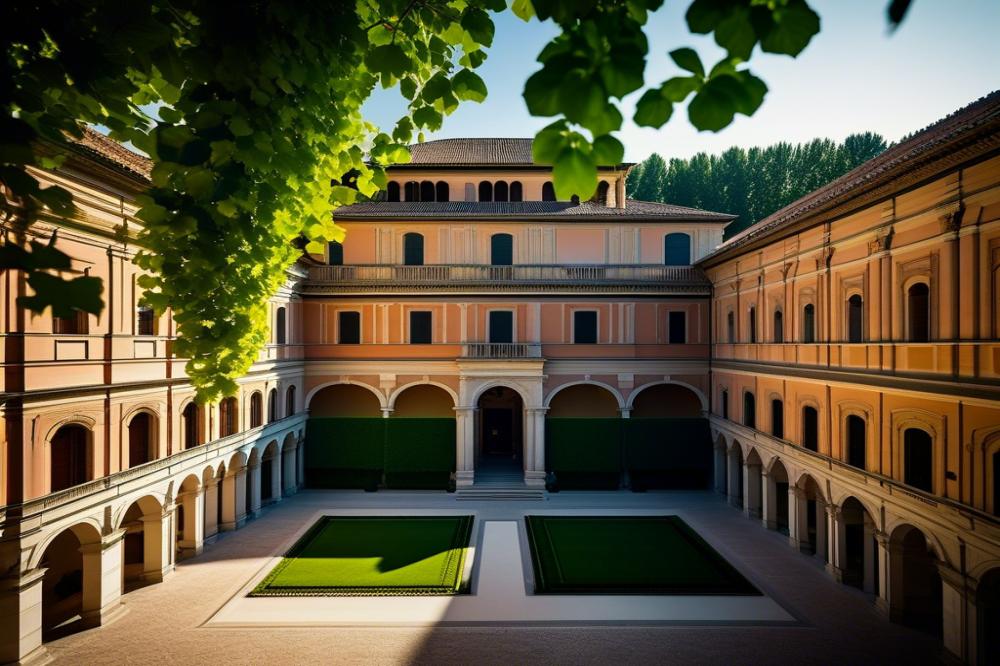
The Palazzo della Pilotta was built in the 16th century in Parma, Italy. Its construction began in 1561 under the direction of architect Giovanni Battista Aleotti. This grand building served as a royal palace for the Farnese family. Stunning Renaissance architecture graces its structure, which showcases the wealth and power of the time. Each room and corridor reflects an era steeped in artistic innovation. Designed to impress, it also housed important cultural events and gatherings.
Key Historical Events Linked to the Palace
Numerous significant events have taken place within its walls. The establishment of the Teatro Farnese in 1618 marked a highlight in its history, making the palace a key venue for theatrical performances. After centuries, it transformed into a cultural hub. The palace witnessed dramatic changes during the Napoleonic era, which impacted its uses and functions. In the 19th century, restorations helped preserve its legacy. As a result, Palazzo della Pilotta became crucial in promoting art and heritage in Parma.
Notable Figures Associated with the Palazzo’s History
Throughout history, many famous figures have left their mark on this site. Artists like Correggio contributed to the artistic richness of its interior. Notably, the Farnese family itself played a vital role in promoting various art forms. Their passion for culture helped foster the rich musical and theatrical traditions. Over the years, many politicians and patrons visited, influencing the development of art and culture in the region. Each person connected to the palace contributed to its status as a center for exhibitions and museums. The Palazzo remains a testament to Italy’s Renaissance spirit and its enduring cultural significance.
Architectural Features
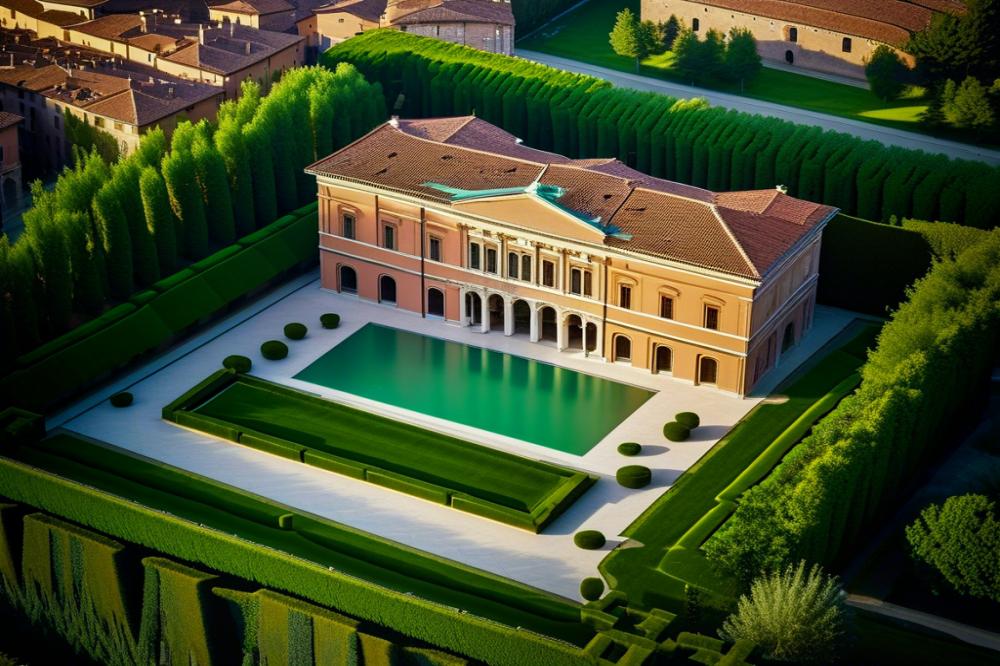
The Palazzo della Pilotta showcases a stunning example of Renaissance architecture. Its design reflects the cultural vibrance of the time. Stone facades and grand arches draw the eye, embodying the history of Italy’s artistic peaks. Each corner of this building tells a story, blending beauty with purpose.
Influences from the Renaissance can be seen throughout the structure. The careful symmetry and proportion highlight a commitment to classical ideals. This era emphasized humanism, and the Palazzo stands as a testament to that focus, merging both utility and elegance. Noteworthy elements include ornate detailing and expansive courtyards, inviting visitors to explore its rich heritage.
Inside, the complex holds several unique structures. One of the most remarkable features is the Farnese Theater. Built in the 17th century, it is one of the oldest surviving wooden theaters in Italy. The theater is an architectural marvel, designed to enhance acoustics, ensuring that performances resonate beautifully. It serves as a dramatic reminder of the culture of art and expression in this historic setting.
Additions, such as galleries and museums, augment the site’s appeal. Exhibitions within these walls connect visitors to the past. Every corner feels steeped in artistic purpose, making the Palazzo a true cultural hub. Those who enter are greeted not just by buildings, but by layers of history that invite deeper exploration.
Cultural Significance
Role of Palazzo della Pilotta as a Center for Art and Theater
The Palazzo della Pilotta stands as a significant cultural hub in Parma. Its grand architecture showcases the Renaissance influence that permeated Italy. This venue regularly hosts various theatrical performances, enriching the local arts scene. Furthermore, it provides a space for both established and emerging artists to present their work. The theater’s programs attract audiences from across the region, fostering a shared appreciation for dramatic arts.
Discussion of Significant Exhibitions Held at the Palazzo
Over the years, the Palazzo has been the backdrop for numerous important exhibitions. These events often feature works from both local and international artists. One notable exhibition focused on Renaissance art, drawing crowds eager to engage with the past. Visitors have also enjoyed contemporary art shows that challenge traditional forms and ideas. Special themed exhibitions enhance its reputation, making each visit a fresh experience for attendees.
Overview of Museums Housed Within the Palazzo
Inside this historic structure, several museums contribute to its cultural richness. The National Gallery is particularly noteworthy, displaying an array of masterpieces. Paintings from prominent artists, such as Correggio and Parmigianino, highlight the area’s artistic heritage. Each museum offers a distinct perspective on art and history. Together, they create an extensive collection that attracts researchers, students, and casual visitors alike. This variety encourages appreciation for both traditional and modern expressions of creativity.
Modern-Day Relevance
Today, the Palazzo serves as a vibrant cultural hub in Parma. Its significance extends far beyond its impressive architecture and rich history. Local residents and visitors alike engage with the building through various arts and theater activities.
Exhibitions are regularly featured, showcasing both contemporary and historical works. Paintings, sculptures, and other forms of art are displayed in galleries that celebrate the creativity of Italian artists. Many cultural programs are designed to attract diverse audiences, making art accessible to everyone.
The venue also hosts performances that draw on the city’s theatrical traditions, rooted in the Renaissance. Local theater groups often stage plays and performances that reflect Parma’s unique cultural landscape. Through these events, the Palazzo not only entertains but also educates the community about its historical context.
Efforts to preserve and promote the heritage of this historical site are ongoing. The local government and various organizations work together to highlight its importance. Workshops and lectures further engage the community, fostering a deeper understanding of the building’s significance within Italy’s rich cultural fabric.
Looking ahead, there is a strong desire to expand initiatives that celebrate both art and education. Future events may include collaborative projects with local schools and universities. Such efforts can inspire younger generations to appreciate and protect their cultural legacy.
Additionally, partnerships with other museums and cultural institutions are likely to grow. These collaborations enhance the visibility of art and theater, allowing for a richer cultural experience overall. Community involvement remains essential to the palace’s ongoing vitality.
Final Thoughts on the Cultural Hub
The Palazzo della Pilotta stands as a significant cultural hub in Parma. Its numerous galleries and theaters represent a fusion of art and history that captivates many. Over the years, this landmark has played a vital role in safeguarding Italy’s rich artistic and theatrical heritage. Visitors can witness the brilliance of past masters and contemporary artists alike through its diverse offerings.
In addition to housing extraordinary artworks, the space brings the magic of performance to life. Theater productions hosted here have inspired countless audiences, highlighting the importance of storytelling in culture. Reflecting on its longstanding history, one can see how the Palazzo has become a beacon for artistic expression.
Travelers and locals alike should take the opportunity to explore this remarkable site. Walking through its halls, one can feel the echoes of creativity that have thrived within these walls. Each event and exhibition offers something special that invites deeper appreciation. Engaging with the Palazzo della Pilotta can leave a lasting impact, enriching one’s journey through the world of art and culture.

