
Introduction
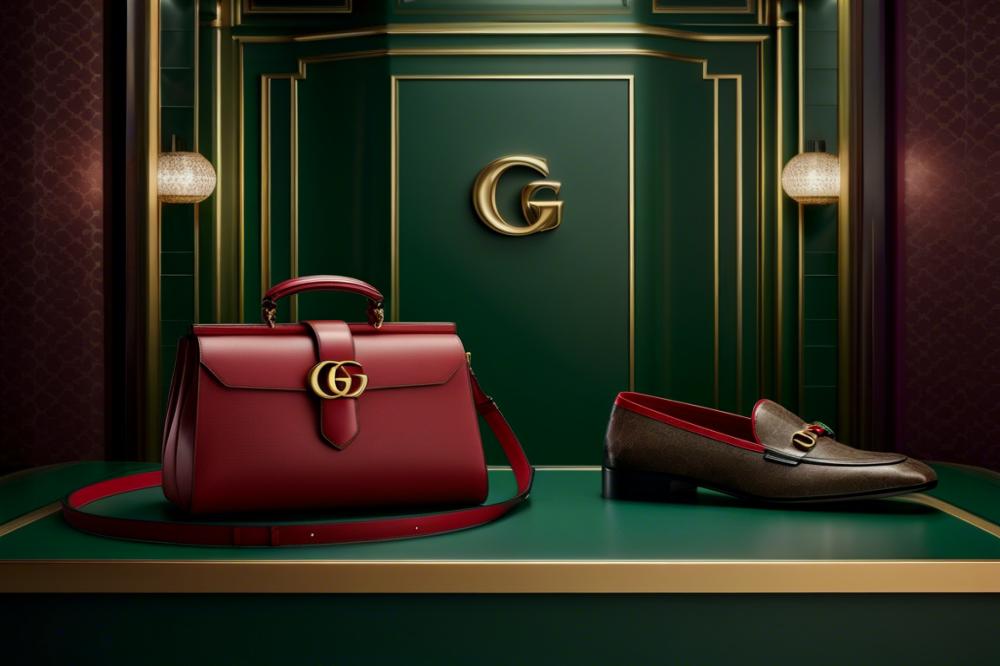
In the realm of high-end fashion and accessories, few names shine as brightly as Gucci. This iconic brand symbolizes the pinnacle of fashion“>Italian luxury. Renowned for its unique approach to design and marketing, Gucci commands attention in a competitive market. Customers worldwide are drawn to its blend of history and modernity.
Founded in Florence, Italy, in 1921, the brand has a rich history that beautifully intertwines craftsmanship and creativity. Guccio Gucci, the brand’s founder, started as a humble leather goods maker. His vision transformed traditional leather craftsmanship into a symbol of prestige. Over the years, this visionary brand has expanded its offerings to include haute couture, handbags, and a range of accessories that define current fashion trends.
The heritage of the label serves as its backbone. Authenticity and dedication to quality have always been at the forefront. These pillars have allowed Gucci to maintain relevance while embracing innovation. Each collection features an inspiring mix of traditional techniques paired with modern design elements. This combination resonates with fashion enthusiasts around the globe.
Key themes such as branding and craftsmanship are essential to understanding the brand’s influence. The meticulous attention to detail in every piece underscores its commitment to excellence. Furthermore, Gucci consistently adapts to the changing landscape of consumer desires. As trends evolve, the brand reshapes its identity while staying true to its roots.
In summary, Gucci not only represents Italian luxury but also a narrative of evolution. As it continues to ascend in the fashion world, its legacy reflects a perfect blend of heritage, craftsmanship, and forward-thinking innovation.
The Heritage of Gucci
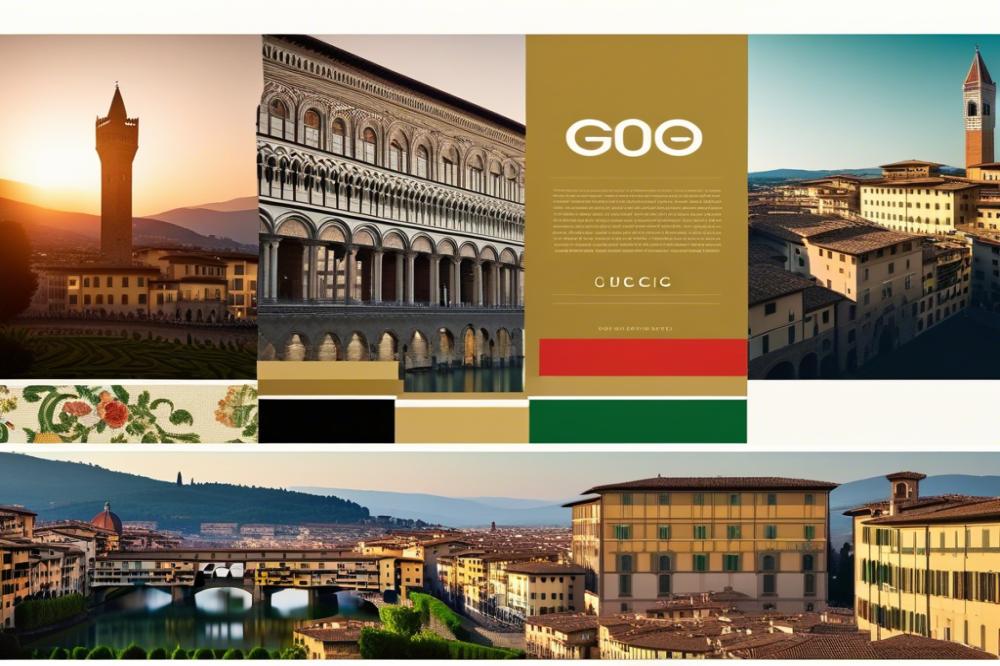
Founded in 1921 by Guccio Gucci, this brand quickly became a symbol of Italian luxury. Guccio opened his first shop in Florence, originally selling leather goods and luggage. He drew inspiration from the elegance of travel and the artistry surrounding it. Over the years, the label evolved into a major player in the luxury market, known for fashion and accessories.
As the brand expanded, it became an essential part of Italian fashion history. This progression reflects the rich heritage of craftsmanship that Italy is renowned for. In every piece, there is a story of tradition blended with modernism, showcasing meticulous attention to detail. The unique artisanship not only honors the past but also fosters continual innovation.
Heritage plays a crucial role in branding. Consumers often seek products that connect them to a deeper history. An iconic product carries weight and significance, enhancing its perceived value. When shoppers see the emblem, it evokes a sense of timelessness and luxury. They appreciate not just the item, but the story and artistry behind it.
Throughout the years, Gucci showed adaptability to shifting fashion trends. Its ability to blend classic styles with contemporary aesthetics keeps it relevant. The legacy of craftsmanship fuels this innovation while maintaining a recognizable identity. Haute couture lines often include elements that are fresh yet familiar, making them instant classics.
Gucci’s Iconic Products
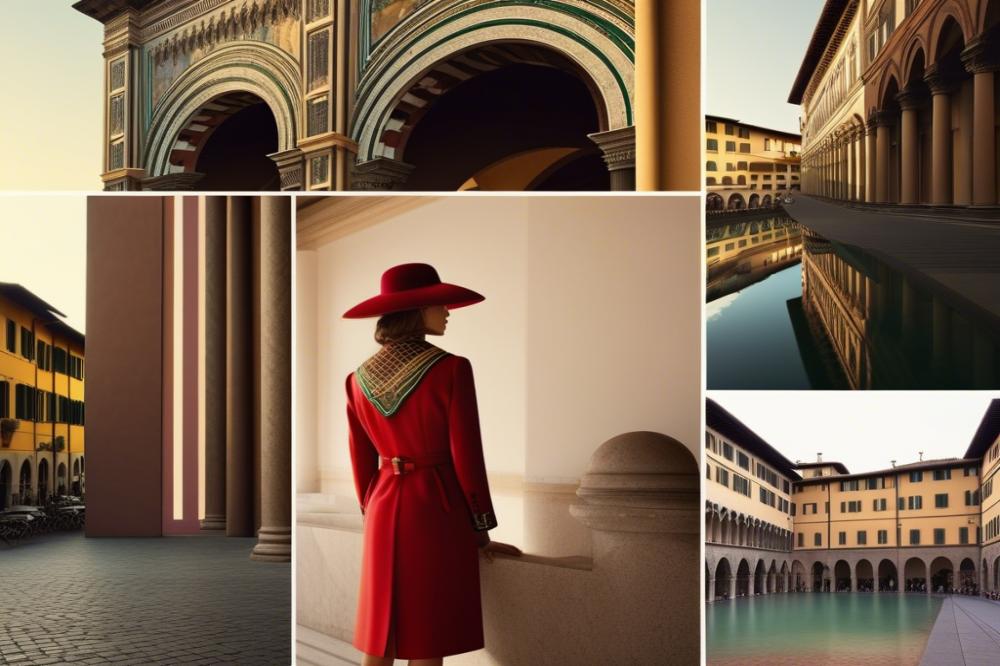
Gucci has made a significant mark in the world of fashion and accessories. Over the decades, a few signature items have stood out. Handbags, footwear, and various accessories form the core of its product line. These items are not just for the affluent; they resonate with anyone who appreciates craftsmanship and style.
Signature Items
The GG logo is one of the most recognizable symbols in the luxury market. Its simplicity and elegance make it instantly appealing. Introduced in the 1960s, this iconic branding has experienced a resurgence in popularity, remaining relevant across generations. Similarly, the horsebit loafer has become a classic choice for both men and women. This elegant shoe symbolizes sophistication and has seen numerous redesigns while retaining its original charm.
Evolution of Iconic Products
Over time, these products have evolved while maintaining their essence. New colors, materials, and limited editions keep the interest alive. Each new release captures the spirit of contemporary fashion trends, blending heritage with modernity. This approach demonstrates a commitment to innovation, allowing each piece to reflect the changing dynamics of style.
Defining Brand Image
Such iconic products shape the brand’s identity. They evoke a sense of luxury and prestige, aligning perfectly with the high standards of haute couture. Customers do not just buy items; they invest in a piece of the brand’s legacy. This connection plays a crucial role in how the brand is perceived in the fashion world.
Connection to Fashion Trends
Analysis of Gucci’s offerings shows a strong connection to broader fashion trends. The brand adapts its designs in sync with cultural movements, ensuring that it remains relevant. It often sets trends rather than merely following them. Incorporating bold colors and innovative patterns reflects a dynamic response to consumer preferences.
By focusing on their rich heritage, Gucci not only preserves its legacy but also captivates new audiences. Their combination of luxury and artistry cultivates a loyal customer base. Craftsmanship shines in every piece, enhancing the perceived value for those looking for standout items in their wardrobes.
Craftsmanship and Innovation
Artisanal craftsmanship plays a crucial role in the production of high-end fashion and accessories. This dedication to skill sets the brand apart in a crowded luxury market. For decades, artisans have mastered techniques, carefully blending traditional methods with modern ideas. Each piece showcases a commitment to quality that resonates with customers.
Innovative techniques in textile and leatherwork also contribute to the brand’s allure. The use of innovative materials, like eco-friendly textiles, highlights a shift towards sustainability. They often experiment with cutting-edge dyeing techniques that create vibrant colors and unique textures. These advancements not only enhance the visual appeal but also push the boundaries of what’s possible in fashion.
Tradition and modern design elements come together seamlessly. Classic silhouettes remain alongside bold patterns and contemporary cuts, appealing to various tastes. Heritage techniques, such as hand-stitching and embroidery, meet modern aesthetics in exciting ways. This fusion attracts younger consumers while still honoring the brand’s storied past.
Ultimately, craftsmanship maintains luxury status in an ever-changing landscape. Consumers seek out iconic products that embody both artistry and innovation. Each creation tells a story of dedication and hard work, which enhances its value. Customers recognize the difference that careful craftsmanship makes, solidifying the brand’s reputation in fashion trends.
Branding and Market Position
In the luxury market, an effective approach to branding is vital. Gucci stands out due to its deep heritage and commitment to craftsmanship. Over the years, the brand has built an identity that merges classic elegance with modern trends. This duality appeals to a varied audience.
Adapting to changing fashion trends has become crucial. Younger consumers often set the pace of what’s new and stylish. To relate to this demographic, the brand has embraced innovation. Fresh designs that are often playful can be seen in its latest collections. This helps the luxury giant remain relevant and desirable.
Collaborations with artists and influencers serve as a powerful branding tool. The integration of unique perspectives from creative minds infuses the brand with fresh energy. Collaborating with popular figures also extends reach into new markets. Shared audiences get excited when their favorite personalities connect with iconic products.
Social media impacts visibility in unprecedented ways. Platforms like Instagram showcase bold designs and seasonal collections. Engaging content helps create a narrative that fans can connect with. This connection fosters loyalty and community around the brand. Therefore, maintaining a presence online is not just an option; it’s essential.
Overall, the ability to blend heritage craftsmanship with modern innovation gives this iconic name a competitive edge. Strong branding strategies are key to maintaining a lofty position in the luxury fashion arena. As trends evolve, this focus allows the brand to resonate with both current and future audiences.
Current Trends and Future Directions
Analyzing the current landscape, the brand has skillfully responded to shifting fashion trends. Styles have become more casual and reflective of everyday life. This move resonates deeply with younger consumers who seek comfort without sacrificing elegance. Accessories, such as sneakers and bags, now focus on functionality while maintaining luxury aesthetics. Traditional haute couture remains vital, yet many pieces blend tradition with innovation. Major fashion houses are keenly aware that the future lies in adaptation.
Emphasis on sustainability has grown remarkably. Many luxury brands are starting to weave eco-friendly practices into their core ethos. Consumers today often prioritize brands with transparent supply chains and sustainable materials. This shift aligns with the brand’s commitment to heritage while appealing to a more environmentally conscious audience. Craftsmanship remains paramount; however, it is now supplemented with materials that reduce environmental impact. Sustainable luxury is becoming synonymous with responsible fashion, and to remain relevant, major players must embrace this change.
Looking ahead, predictions suggest that innovation will shape the evolving luxury accessories market. The merging of technology and design is likely to take center stage. Wearable tech, for instance, may redefine how consumers perceive fashion in the years to come. Moreover, digital branding will influence purchasing decisions more than ever. Iconic products can benefit tremendously from a robust online presence, especially within the realm of social media. Collaboration with emerging designers may also pave new paths for creativity and fresh ideas.
In navigating these trends, there exists a delicate balance. Maintaining distinct aesthetics while appealing to a diverse customer base is complex. Striking this balance will define the brand’s trajectory moving forward. Authenticity matters significantly, and customers are increasingly drawn to brands that reflect their values. Heritage roots may remain, but a forward-thinking approach will undoubtedly capture a broader audience. The luxury market is evolving, and staying ahead of these changes is essential for success.
Looking Ahead: The Legacy of a Fashion Icon
The journey of the Italian luxury giant has been nothing short of remarkable. This brand transformed significantly from its humble beginnings in Florence to a global powerhouse in fashion and accessories. Each era brought new changes, evolving the identity while staying true to its roots. A blend of past traditions and modern creativity has characterized its success.
Balancing heritage and innovation is no easy task, yet this brand has refined the art. Craftsmanship remains a pillar, while contemporary design approaches attract younger audiences. Collaborations and daring collections have kept the label relevant. This ability to adapt has secured its status among luxury consumers. It shows that evolution in fashion can respect history and embrace progress.
Looking into the future, possibilities are endless. The brand aims to continue captivating global markets. Sustainability and inclusivity will likely become vital themes moving forward. As the fashion landscape shifts, staying ahead of trends is crucial. Determination and a forward-thinking mindset will support this illustrious journey.
A commitment to creativity should open new doors. Fans can expect innovative designs that still echo the essence of the brand. Balancing old-world charm with fresh perspectives, it has the potential to redefine luxury. Remaining agile in this dynamic world will be key to its enduring influence. The pursuit of excellence seems unwavering, promising exciting times ahead.

