
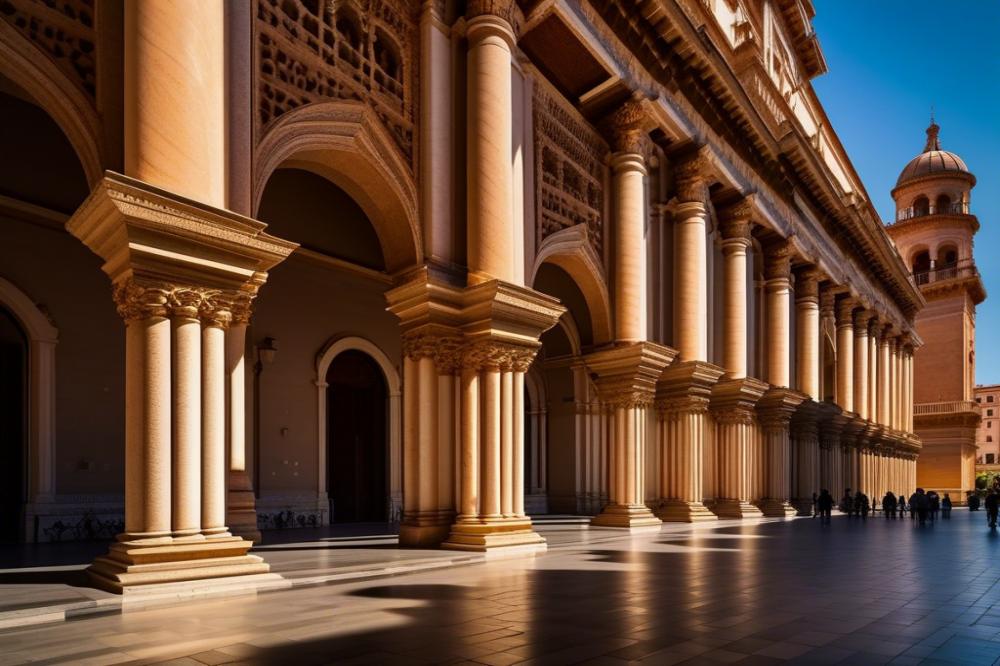
Admiring art and history at the Palazzo dei Normanni
Sicily stands out as a captivating travel destination in the heart of the Mediterranean. Its rich blend of cultures has shaped the island into a vibrant tapestry of traditions, delicious cuisine, and stunning landscapes. Palermo, the capital city, is a treasure trove of historical treasures, a place where the past comes alive in its streets and buildings.
Exploring historical sites in Palermo offers a window into the island’s complex story. The city echoes with the legacy of the Norman kings who once ruled Sicily. Their influence is seen in the impressive architectural styles and remarkable art collections scattered throughout the region. Among these gems, the royal palace remains an essential stop for any visitor interested in understanding Sicilian culture.
This landmark is more than just a building; it is a symbol of Palermo’s cultural heritage. The Palatine Chapel, famed for its stunning mosaics, showcases the artistic prowess of the era. It serves as a testament to the island’s UNESCO World Heritage status, standing proudly as a reminder of its Mediterranean history. The Palazzo dei Normanni is a key attraction, drawing travelers eager to admire both art and history in one majestic location.
Palazzo dei Normanni: A Glimpse into History
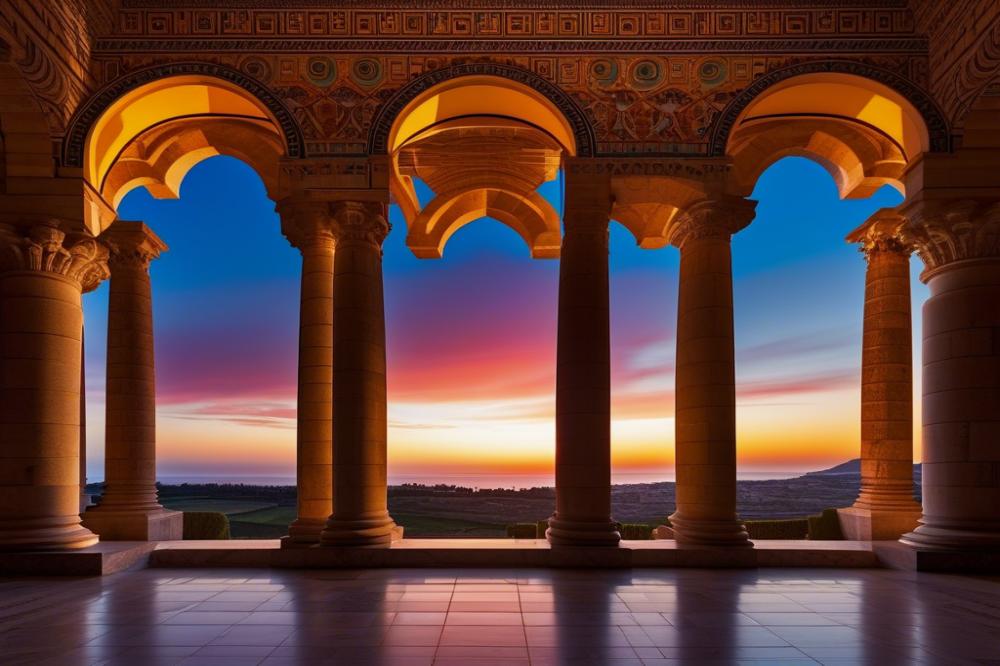
Located in the heart of Palermo, the Palazzo dei Normanni stands as a significant landmark. Originally built in the 9th century, it served as a royal palace under the Norman kings. These rulers played a crucial role in shaping Sicilian culture, merging influences from various civilizations. The architecture tells stories of different eras that shaped the island’s identity.
The Norman dynasty, which included notable figures like Roger II, transformed the landscape of Sicily. Under their reign, art and culture flourished, leading to a rich tapestry of Mediterranean history. They created a unique blend of Arab, Byzantine, and Latin influences, which is still evident today in local customs and traditions.
Visitors can admire the stunning architecture that characterizes the palace. The design features elements from various periods, showcasing the evolution of historical architecture over centuries. One cannot miss the iconic Palatine Chapel, renowned for its intricate mosaics and exquisite details. This chapel is considered a masterpiece, reflecting the merging of different artistic styles.
Art collections found within the palace further contribute to its importance. Paintings and historical artifacts provide insight into Sicilian life during the Norman period. As a UNESCO World Heritage site, the Palazzo continues to attract those interested in cultural heritage and history.
Exploring the Palatine Chapel
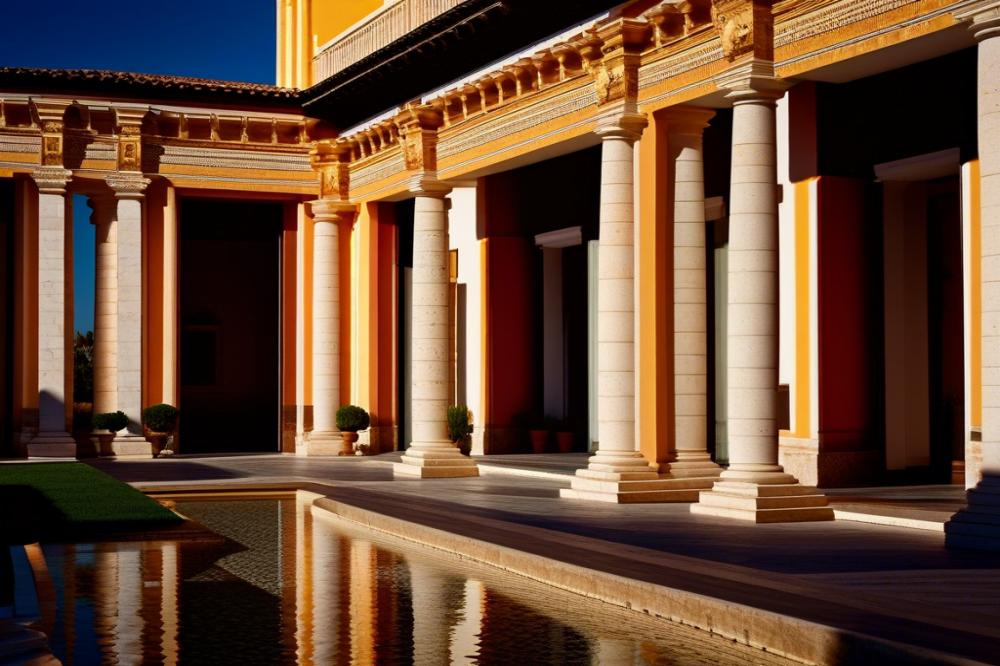
The Palatine Chapel stands as a gem within the grand architectural entity of the Palazzo dei Normanni. Built in the 12th century, this chapel is a testament to the power of the Norman kings who ruled Sicily. Visitors often marvel not just at its beauty, but also its historical significance. It symbolizes the fusion of cultures, showcasing the blend of Norman, Arab, and Byzantine influences in Sicilian culture.
One of the most striking aspects of the Palatine Chapel is its stunning Byzantine mosaics. These mosaics cover the walls and ceilings, tells stories of faith and highlight the craftsmanship of the era. Each piece reflects bright colors and intricate designs that capture the eye of every visitor. The images depict biblical scenes and figures, bringing the stories of the past alive in a vibrant way. Art collections like these play a crucial role in preserving Mediterranean history, as they connect today’s viewers with centuries of devotion and artistry.
Cultural and religious importance cannot be overstated when discussing this site. The chapel stands as a sacred space for worship, embodying Sicilian heritage. It has long served as a place where art and faith intersect, drawing pilgrims and tourists alike. This royal palace functioned not just as a residence, but also as a beacon of cultural heritage throughout the ages. Its recognition as a UNESCO World Heritage site further underscores its value to both local and global communities. Such significance highlights why many cherish the Palatine Chapel as more than just a historical site; to many, it is a symbol of identity and pride.
Art Collections and Exhibits
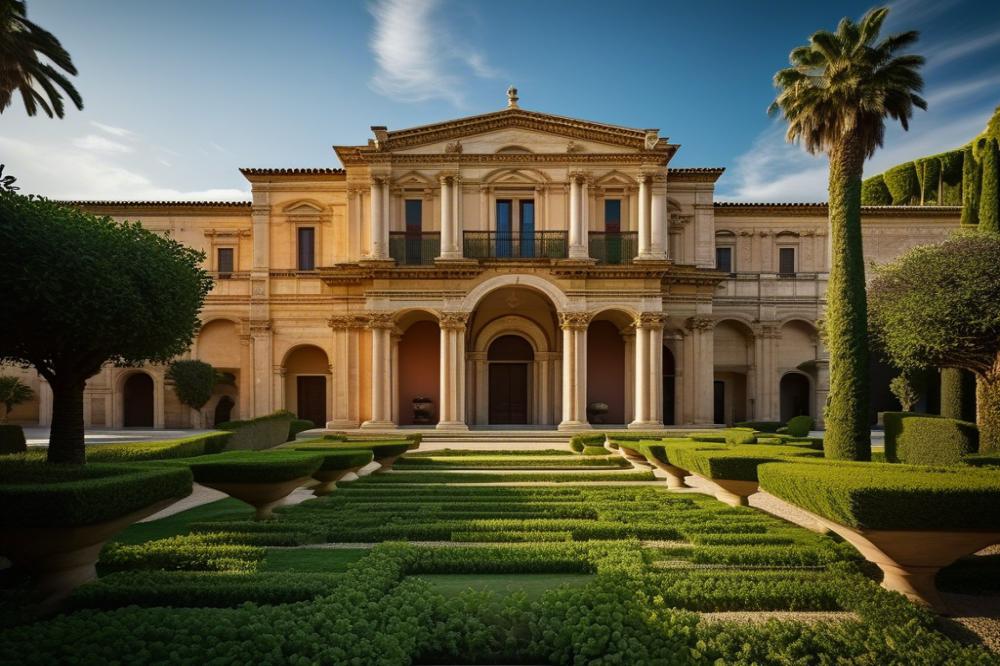
The Palazzo dei Normanni, located in Palermo, showcases an impressive array of art collections. This historical palace once served as the royal residence of Norman kings. Today, it stands as a testament to Sicilian culture and its dynamic legacy. The building itself is a stunning example of historical architecture, reflecting various influences throughout the ages.
Visitors to the palace encounter numerous notable artworks and artifacts. One highlight is the exquisite Palatine Chapel, adorned with magnificent mosaics that narrate stories from the Bible. Intricate designs and vibrant colors capture the eye and invite admiration. Art enthusiasts often marvel at the detailed craftsmanship found throughout the chapel. Additionally, the palace houses numerous sculptures and paintings that further illustrate Sicily’s rich past.
The collections reveal influences from Mediterranean history. Various artifacts highlight the blend of cultures that have shaped the island over centuries. Islamic, Byzantine, and Norman elements combine to form a unique cultural heritage. This fusion is evident in the artistry and architecture that defines the space. Each piece within the collection contributes to a broader narrative about Sicily’s historical journey.
Merchants and architects have left their marks, enriching the experience for every visitor. Engaging with these collections allows one to step back in time, providing insights into the lives of those who once walked these halls. The artworks not only entertain but educate, sparking curiosity about the region’s multifaceted background. This makes the Palazzo’s offerings truly special to those eager to learn more.
UNESCO World Heritage Recognition
Importance of UNESCO Designation
The designation as a UNESCO World Heritage site highlights the rich historical architecture of the royal palace. It signifies global acknowledgment of its cultural and historic value. Such recognition helps protect and preserve the site for future generations. Being part of this exclusive list promotes international appreciation for Sicilian culture. The architectural beauty and historical significance make it a treasure worth preserving.
Contributions to Sicilian Cultural Heritage
Palermo’s history is intertwined with that of the Norman kings. Their influence shapes much of the island’s identity. The Palatine Chapel within the palace serves as a stunning example of this blend of cultures. It showcases exquisite mosaics and artistic styles from various periods. This diversity reflects the Mediterranean history that permeates the region. Therefore, preserving these elements helps maintain the connections to Sicily’s past.
The Impact on Tourism in Palermo
Tourism has seen significant growth due to the UNESCO designation. Many visitors flock to admire the art collections and historical sites. Each year, tourists explore the rich history that the area offers. This influx of people generates revenue for local businesses and creates jobs. Additionally, tourists often share their experiences, drawing more visitors to the region. The palace acts as a vital link between the past and present, captivating a global audience.
Things to Do Around Palazzo dei Normanni
Visitors to Palermo can find plenty of attractions near this historic site. The Palatine Chapel stands as one of the most stunning examples of historical architecture. Dating back to the reign of the Norman kings, this chapel is an essential stop. Its intricate mosaics and golden interiors are captivating. It offers a glimpse into the artistic richness of Sicily.
Nearby, the bustling streets are alive with the flavors and sounds of Sicilian culture. Try some local street food, like arancini or cannoli, from a vendor. Dining in a traditional trattoria allows for a deeper appreciation of regional cuisine. Exploring local markets also presents opportunities to engage with artisans and their crafts.
Local Attractions
Just a short walk away, the Cathedral of Palermo showcases a mix of architectural styles. This majestic building is also a UNESCO World Heritage site. Visitors should take a moment to admire the grand façade and explore its rich interior. For those interested in history, the Norman Palace is a must-visit, serving as a royal palace for centuries.
Art collections can be found at the nearby Regional Gallery of Sicily. This gallery houses works from various periods, enhancing one’s understanding of Mediterranean history. Painting, sculpture, and decorative arts are all represented, providing a well-rounded cultural experience.
Best Practices for Visitors
To maximize the experience, start the day early. Crowds can build up quickly at major attractions, so arriving at opening time is wise. Wear comfortable shoes; the streets of Palermo are best explored on foot. Don’t forget to keep your camera handy – picturesque views await at every turn.
Additionally, learning basic Italian phrases can enhance interactions with locals. Many Sicilians enjoy sharing their heritage and stories with visitors. That connection can turn a simple visit into a meaningful experience.
Final Thoughts on Your Visit
The Palazzo dei Normanni stands as a symbol of Sicily’s rich tapestry of history and art. Its walls echo stories of various civilizations that once thrived in this beautiful land. This landmark is not just a building; it is a testament to the intricate blend of cultures that define the island. From the stunning mosaics to the grand architecture, every detail offers a glimpse into the past.
Visitors to Palermo should take the opportunity to explore such a significant site. An experience filled with art and history awaits those who appreciate the beauty of Sicily’s heritage. Walking through its halls, one can feel the weight of history. It is a perfect setting to reflect on the connections between the past and the present.
Sicilian culture is deeply intertwined with the art found in this historic palace. Each piece tells a story that contributes to the collective memory of the island. A visit here is more than just sightseeing; it is a chance to connect with the legacy of those who came before us.
In closing, remember that art and history are alive in every corner of this vibrant region. Engaging with them helps cultivate a deeper understanding of who we are today. Make the journey to the Palazzo dei Normanni a priority, and embrace the layers of stories waiting to be uncovered.

