
Introduction
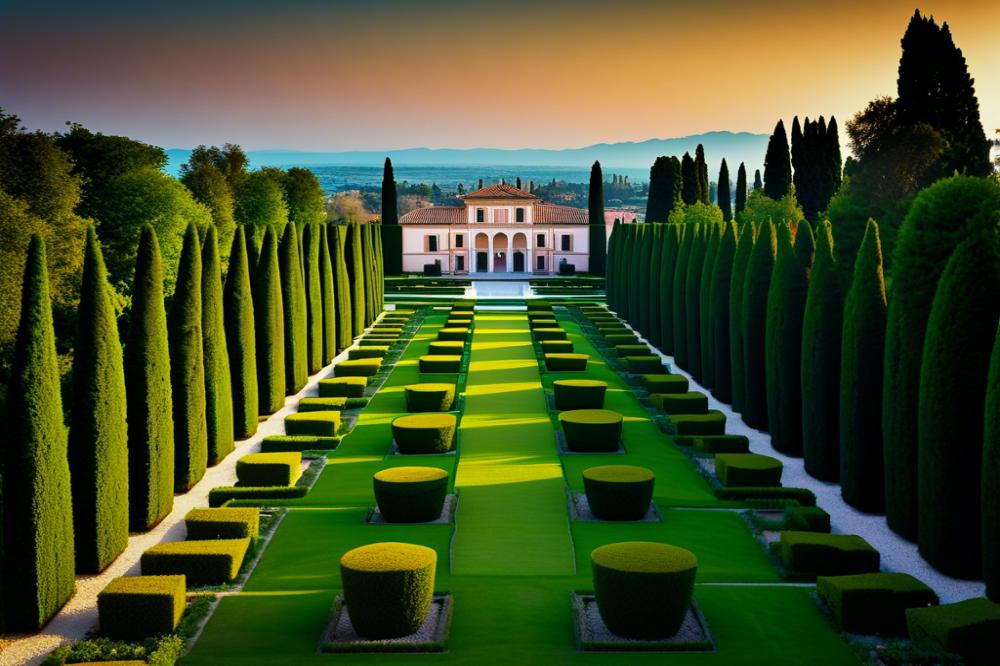
In the heart of Verona lies a site filled with history and beauty. This remarkable place, known as Villa San Giorgio, represents a significant piece of the city’s rich cultural tapestry. Its historic gardens are not just a visual feast; they hold stories and secrets of a time long past. The gardens emerge as a testament to the art of landscape design that flourished in Italy over centuries. They showcase the intricate relationship between nature and human creativity.
Visitors often seek out these ancient gardens for their beauty and tranquility. Surrounded by verdant landscapes, one can appreciate the unique garden architecture that reflects Italian craftsmanship. Such spaces allow for quiet contemplation, inviting people to connect with Verona’s botanical heritage. In the context of famous Italian gardens, this site stands out with its centuries-old design and cultural significance.
Examining the history of Villa San Giorgio opens a window into the heart of Verona. Each corner of the gardens reveals influences from various periods, making them a living museum. Tourists flock to these historic gardens, drawn by their charm and the stories embedded in the soil. Embracing the essence of the past, these gardens play a pivotal role in attracting visitors who seek depth in their travel experiences.
Overall, the historic gardens of Villa San Giorgio are essential to understanding Verona as a heritage site. They offer not just beauty, but also a glimpse into the Italian gardens that have shaped landscapes throughout the country. As we journey through these ancient gardens, we uncover layers of history and artistry waiting to be explored.
The History of Villa San Giorgio
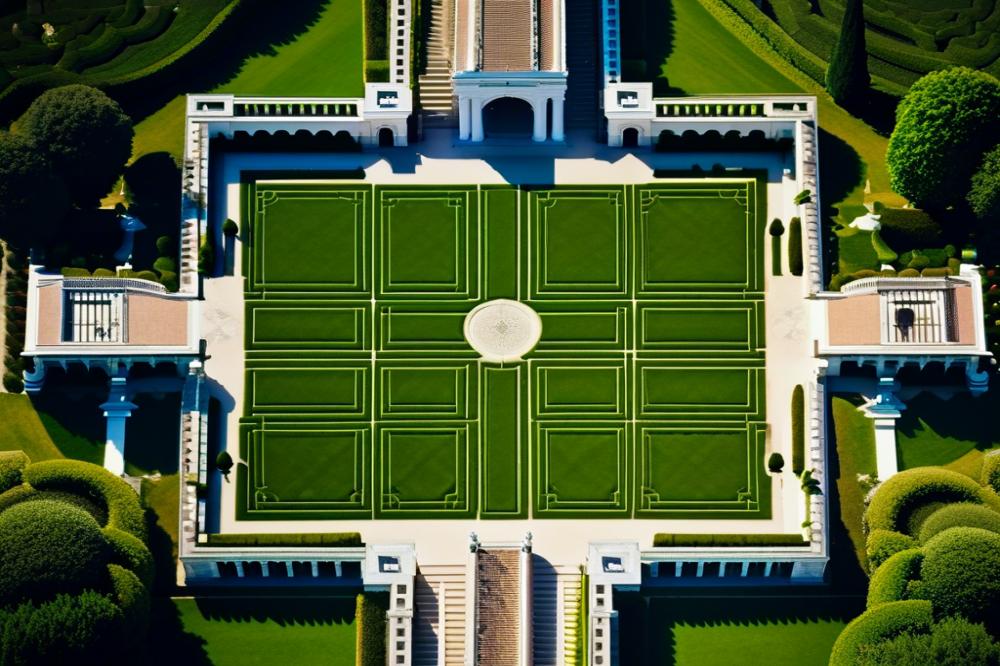
The historical background of this enchanting villa is rich. Nestled in the heart of Verona, the estate reflects diverse influences that shaped its gardens. Construction began in the 16th century, during a vibrant period in Italian architecture. Craftsmen and artists contributed their skills to create a masterpiece of landscape design.
Key figures played significant roles in the villa’s development. Patrons who cherished botanical heritage envisioned these gardens as a blend of beauty and utility. They incorporated various elements from the Italian gardens style. This resulted in a harmonious balance of nature and art. An extensive collection of plants was once cultivated here, highlighting the cultural significance of the era.
Architecture and gardening trends also greatly influenced the design of the Villa San Giorgio. Renowned landscape architects, with their innovative ideas, favored symmetry and order. They embraced the use of terraces, fountains, and paths that invite exploration. Such features are hallmarks of garden architecture from that time.
Furthermore, history shaped the gardens through the changing hands of ownership. Each new steward brought personal taste and vision into the landscape. This evolution is a testament to how heritage sites can adapt while maintaining their roots. Visitors today can explore these varied influences and gain insight into each designer’s intent.
Tourism in Verona thrives on the allure of places like this villa. Guests from around the world come to immerse themselves in its serene environment. The tranquil gardens serve as a retreat from the bustling city life. Strolling through the grounds, one cannot help but appreciate the artistry and planning that went into designing this historic gem.
Ultimately, the villa stands as an enduring symbol of Verona’s enchanting history. Each plant, each pathway, tells a story of the past. The gardens beckon modern visitors to connect with a rich tapestry of artistic vision and cultural legacy. Discovering the ancient gardens here offers a glimpse into a world where nature and design expressed profound harmony.
Garden Architecture of Villa San Giorgio
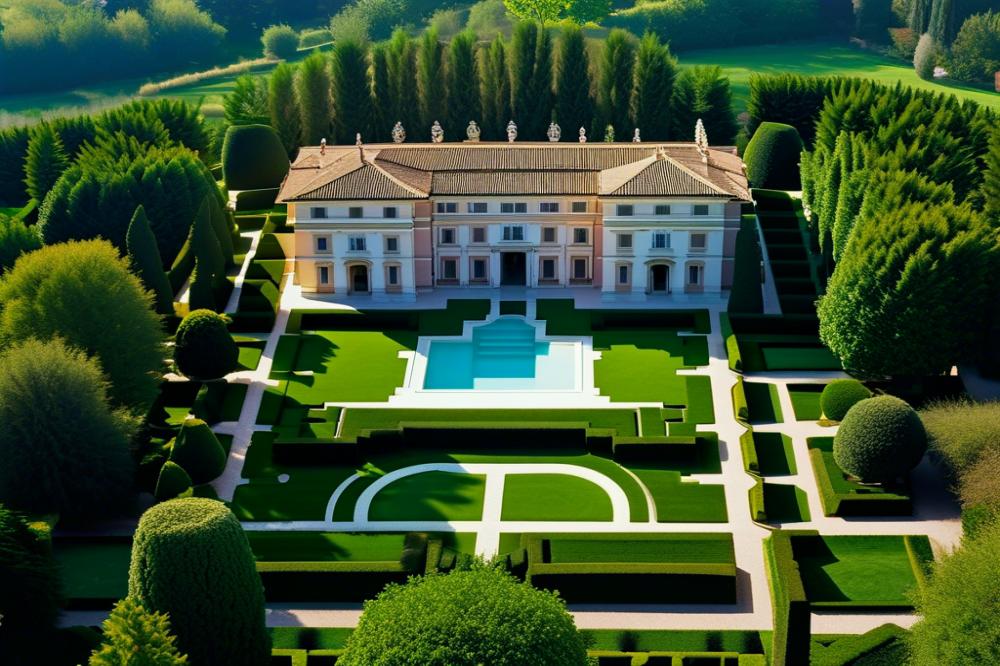
The garden architecture of Villa San Giorgio reflects a rich history that intertwines with the great Italian garden tradition. When walking through, you can see how the layout emphasizes harmony between nature and design. The structures within the garden create balance, drawing visitors into its serene beauty. Each path guides the eye toward carefully placed features, inviting exploration.
Distinctive elements of landscape design are evident throughout the gardens. The use of symmetry and geometric shapes is common in Italian gardens, and this site showcases those traits beautifully. Plant selection often includes an assortment of native flora that contributes to its botanical heritage. These choices help convey a sense of order and focus, essential in historic gardens.
Verona’s other historic gardens share some similarities with Villa San Giorgio. The Giardino Giusti, for instance, features striking terraces and statues that highlight the classical influences in garden design. Comparatively, Villa San Giorgio leans more toward subtle grandeur. This site emphasizes peacefulness over overwhelming spectacle, allowing for quiet reflection amidst its botanical beauty.
Cultural significance is deeply rooted in the garden’s design. Each element serves a purpose beyond aesthetics; they tell stories of the past. When examining these gardens, one appreciates the careful thought that went into their creation. Elements like fountains and pergolas not only enhance the visual appeal but also connect visitors to Villa San Giorgio’s history.
Tourism in Verona is greatly enriched by such heritage sites. Gardens like these attract many visitors, eager to experience the tranquility they offer. Each stroll through the pathways becomes a lesson in art, nature, and history. This blend of knowledge and beauty is what makes exploring the historical gardens of Italy so rewarding.
Botanical Heritage of the Gardens
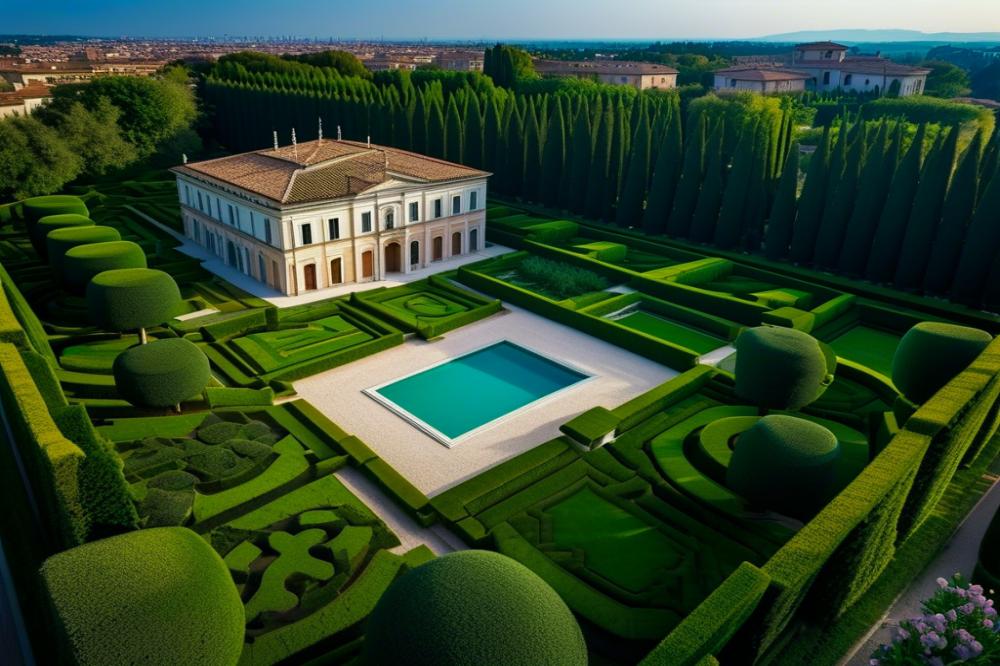
The gardens of Villa San Giorgio showcase a remarkable array of plant species, both native and exotic. During an exploration of these historic gardens in Verona, you can observe the careful horticultural practices that have been developed over centuries. Each plant is chosen not just for its beauty, but also for its contribution to the overall ecosystem. This approach highlights the importance of botanical heritage in preserving biodiversity.
Conservation efforts in Italian gardens are crucial, especially in areas like Verona, where cultural history runs deep. The landscape design reflects the integration of art and nature, with pathways leading to resting spots adorned with various florals and greenery. Many species are at risk due to urbanization, making it vital to protect such heritage sites. By doing so, we not only safeguard the plants but also the stories they tell about our past.
Moreover, the role of these gardens extends beyond aesthetics. They serve as living museums for Italian flora, offering visitors insight into the diverse varieties of plants found in this region. Educating the public about botanical species contributes to a greater appreciation of local natural history. When tourists visit, they engage in an experience that connects them to the roots of Italian garden architecture.
Tourism in Verona flourishes partly because of the allure of these ancient gardens. Guests are drawn to the peaceful atmosphere where nature thrives. Understanding the botanical heritage of Villa San Giorgio fosters a sense of responsibility towards conservation. Visitors leave with a newfound respect for the environment, inspired by the beauty that surrounds them.
Cultural Significance of Villa San Giorgio

The historic gardens of Villa San Giorgio play a crucial role in Verona’s cultural landscape. These gardens are not just beautiful; they are an essential part of the city’s identity. Their sophisticated landscape design reflects the artistry of Italian gardens, showcasing a deep connection to the past. The garden architecture offers visitors an invitation to explore the verdant legacy left by those who came before.
Throughout the years, Villa San Giorgio has stood as a heritage site embodying the local botanical heritage. People flock here to appreciate the intricate design and historical importance of this space. The gardens are a canvas where people can connect with nature and history in meaningful ways. Festivals and events held in these gardens highlight not just their beauty but their cultural impact.
From art exhibitions to guided tours, educational opportunities abound. Students and locals gather to learn about the significance of botanical heritage, deepening their appreciation for this historic space. During the changing seasons, different events take place to celebrate the flora and the rich history of Verona. Visitors can partake in a variety of activities that bring the gardens to life.
Moreover, tourism in Verona thrives on the allure of sites like Villa San Giorgio. This attraction brings economic benefits while promoting the preservation of local culture. The gardens invite everyone to experience the artistic expressions rooted in the region’s history. Their allure extends beyond mere aesthetics; they are a vital part of what makes Verona unique.
Tourism in Verona: Visiting Villa San Giorgio
Verona is a beautiful city known for its rich history and stunning architecture. Among its many attractions, the historic gardens of Villa San Giorgio stand out. These Italian gardens offer visitors a chance to explore exquisite landscape design and garden architecture that reflect centuries of art and culture. Not just a feast for the eyes, they carry significant cultural importance.
Planning a visit is simple. Many guests find that guided tours provide valuable insights into Villa San Giorgio history. Expert guides share stories that connect past and present, making the experience even more enjoyable. Accessibility is a priority. Pathways are well-maintained, allowing everyone to experience the beauty of the gardens.
Throughout the year, the gardens host various cultural events. These gatherings attract locals and tourists alike. Music performances, art exhibitions, and seasonal festivals often take place amidst the botanical heritage of the site. Such activities enhance the vibrancy of the location.
The gardens contribute significantly to tourism in Verona. They attract visitors from all around the world, boosting the local economy. Shops, cafes, and hotels benefit from the influx of tourists looking to extend their stay. Each visit supports the community. Tourists not only appreciate the beauty but also help preserve this heritage site for future generations.
In short, Villa San Giorgio’s gardens present a unique opportunity to enjoy art, nature, and culture. Their significance goes far beyond what meets the eye. A trip to Verona is incomplete without a stroll through these breathtaking grounds.
Final Thoughts on the Ancient Gardens
Reflecting on the ancient gardens tied to Giuseppe San Giorgio, one finds a remarkable connection to Italy’s past. These historic gardens are not just beautiful landscapes; they tell stories of culture, artistry, and history. As we explore their vibrant paths, we touch history, breathing life into the traditions of gardening from another era. Each corner holds secrets and whispers of those who walked there long ago.
Preserving such heritage sites is crucial for future generations. Young people must experience the beauty of these gardens. They inspire creativity and foster a deep appreciation for nature. Gardens serve as living museums, showcasing the delicate balance between art and environmental stewardship. Caring for these spaces means honoring the legacy they carry.
In Verona, the lessons of the gardens extend beyond mere aesthetics. They remind us of our duty to maintain connections with historical traditions. Visiting these gardens offers an opportunity to engage with history actively and meaningfully. Our challenge lies in promoting awareness of their significance and ensuring they are cherished for years to come. By protecting these treasures, we build a bridge between past and future, ensuring that the elegance and wisdom of Italian gardening continue to flourish.

