
Exploring the Biodiverse gardens of gardens-of-palazzo-pfanner-in-lucca”>Castello di Moncalieri
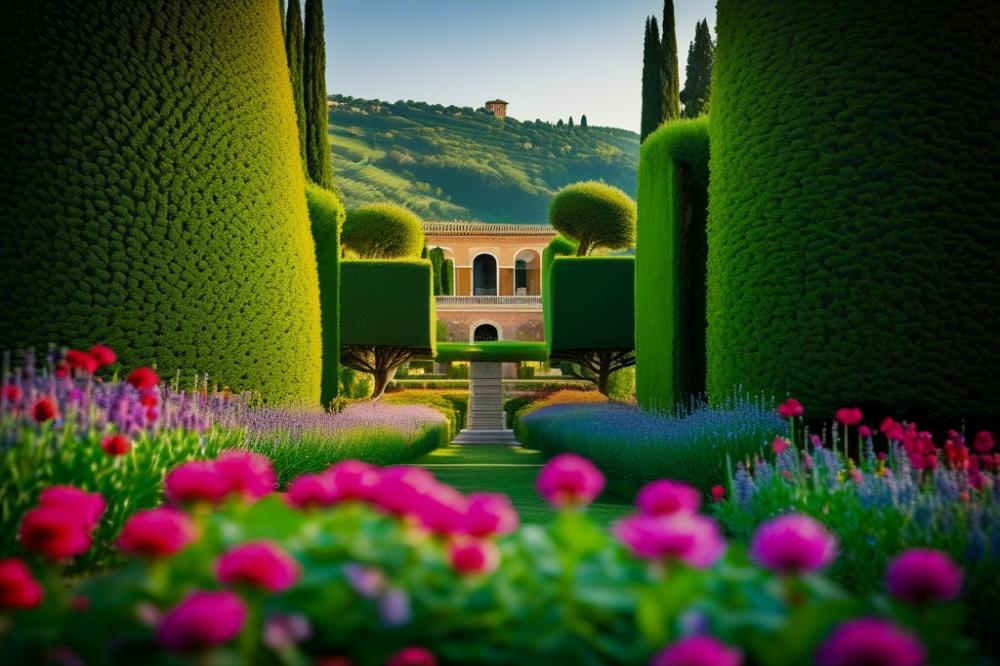
Gardens play a crucial role in showcasing the rich variety of life surrounding us. They are not just patches of green; they serve as vital ecosystems that support a host of flora and fauna. The gardens at Castello di Moncalieri stand out as a prime example of this significance. Located in the picturesque foothills of Turin, these historical gardens illustrate Italy’s remarkable botanical diversity and its cultural heritage.
The gardens are a blend of beauty and purpose. They offer a sanctuary for various wildlife species, ranging from common birds to rare insects. By preserving these landscapes, we honor the importance of conservation. This ensures that future generations can appreciate the unique wealth of plants and animals that inhabit these spaces. Each path and flowerbed tells a story of history while nurturing the ecosystem.
Furthermore, exploring the gardens reveals the thoughtful design rooted in sustainable gardening practices. The integration of native species not only enhances the landscape’s aesthetic appeal, but also promotes a healthier environment. These plants require less water and support local wildlife, creating a balanced habitat. Such principles guide us towards a more responsible way of tending to our surroundings.
Overall, the historical gardens of Castello di Moncalieri hold more than just beauty; they represent a commitment to preserving Biodiversity and celebrating Italy’s extensive natural heritage. Visitors to these gardens embark on a journey that highlights the importance of nurturing both the past and the present. By recognizing the value of these spaces, we help ensure that the legacy of botanical diversity continues to thrive.
The Historical Gardens of Castello di Moncalieri
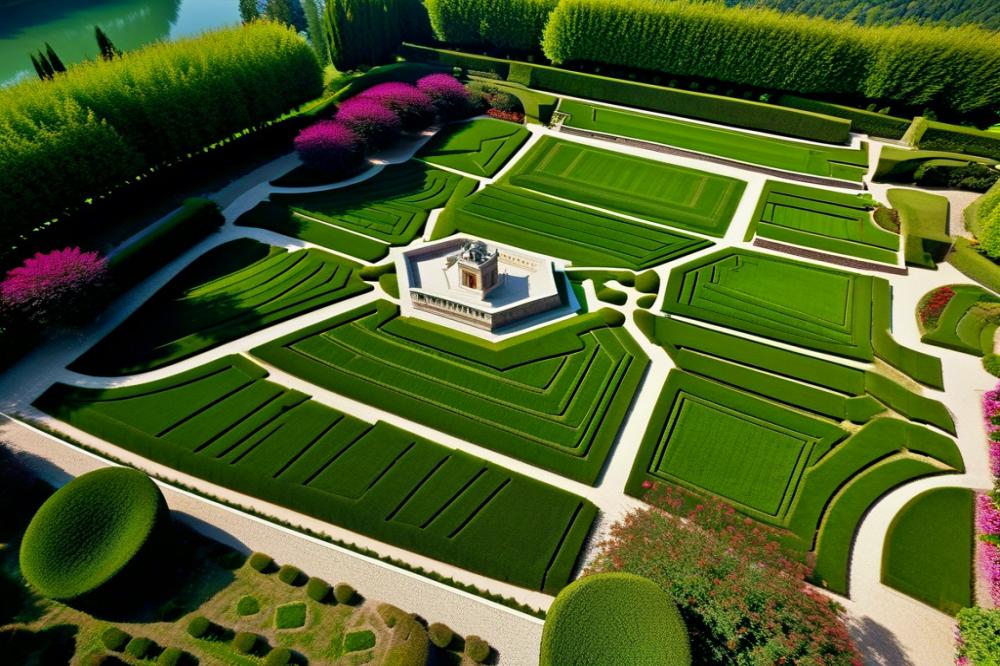
The gardens of Castello di Moncalieri have a rich history. They were created in the 17th century during a time when Italian nobility sought grandeur in their landscape designs. This rich heritage reflects through the careful layout and choice of flora. Over the years, these gardens underwent various transformations, adapting to the tastes of different rulers.
A significant aspect of these gardens is their architectural significance. They represent a blend of Renaissance and Baroque styles. The design employs symmetry and intricate paths, guiding visitors through a landscape that seems almost magical. Statues and fountains enhance the elegance of the area, showcasing artistic craftsmanship from different periods.
Different historical styles are evident throughout the gardens. The earlier designs focus on structure and organization, while later phases feature more naturalistic elements. You can observe a variety of plants that span several centuries, showcasing botanical diversity. Species from Europe and beyond contribute to a varied ecosystem, supporting both flora and fauna.
Wildlife thrives here. Birds find shelter among the trees, while small mammals roam the underbrush. Such a vibrant environment illustrates the importance of conservation efforts in historical landscapes. Sustainable gardening practices are vital to maintaining this unique habitat. Each element plays a role in creating a balanced environment, allowing the gardens to flourish.
The historical gardens tell stories of the past. They invite visitors to appreciate not just the beauty, but the intricate relationship between nature and human design. Those who wander through the paths discover layers of history intertwined with living art. As people explore this remarkable site, they gain a deep respect for the legacy of sustainable gardening and Biodiversity.
Flora and Fauna of the Gardens

The gardens of Castello di Moncalieri are a treasure trove of botanical diversity. A wide array of species thrives in this remarkable landscape. Visitors can expect to see vibrant flowers, lush shrubs, and towering trees that tell the story of the region’s ecosystem. Aromatic herbs can be found nestled among the colorful blooms. Some of the notable flora includes rare varieties of roses and stunning lavender fields, which fill the air with sweet fragrances.
Wildlife also flourishes in this environment. Birds flit among the branches, creating an orchestra of cheerful songs. Common species include sparrows, robins, and even the occasional majestic falcon soaring above. Small mammals like rabbits and squirrels dart through the underbrush, while butterflies dance from flower to flower. Such creatures play critical roles in pollination and seed dispersion, making them vital to the health of the gardens.
Exploring the historical gardens reveals the careful planning of each section. Succulent plants and aromatic herbs are often cultivated in specific areas to promote sustainable gardening practices. These efforts not only enhance the stunning visual appeal but also support conservation initiatives that protect both flora and fauna.
The rich variety of plant life provides essential habitats for local wildlife. For instance, the intertwining branches of ancient oak trees serve as safe havens. This complex interplay of species creates a thriving ecosystem. Wandering through these gardens, one cannot help but feel a deep connection to the natural world. Each bloom and fluttering wing contributes to a larger narrative of life.
Unique landscapes, like the vibrant vegetable patches, not only offer fresh produce but also educate visitors about sustainable practices. This harmony between cultivation and nature fosters a sense of responsibility regarding biodiversity preservation. The combination of mindful gardening and diverse species showcases the rich tapestry of life that inhabits these gardens.
Biodiversity and Ecosystem Services
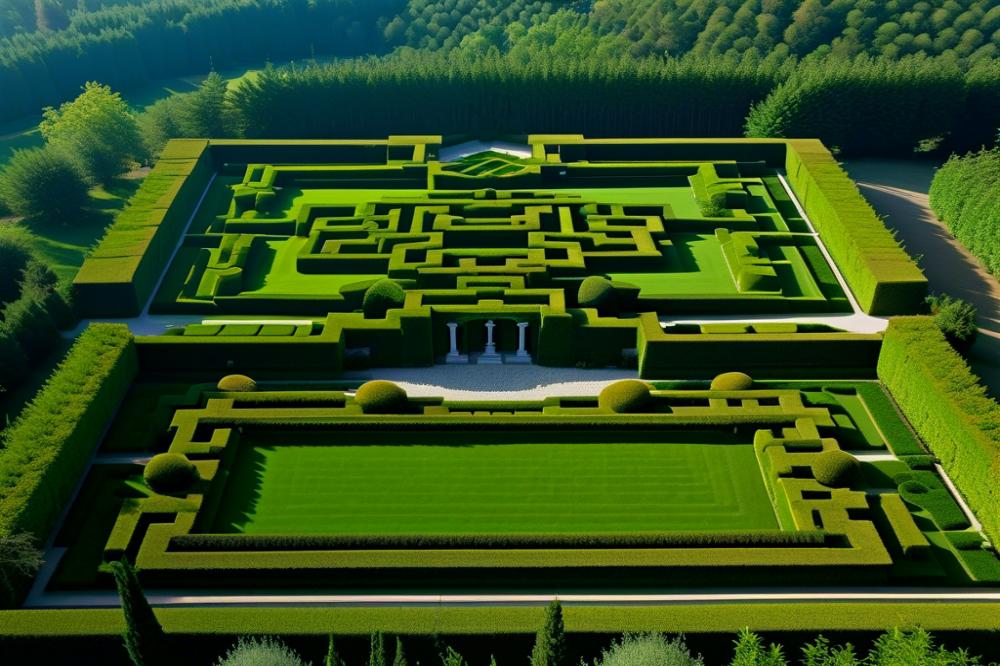
Exploring the gardens of Castello di Moncalieri reveals a vibrant tapestry of flora and fauna. This rich diversity plays a crucial role in maintaining the ecosystem services that the gardens provide. Healthy landscapes depend on interactions among different species, which contribute to processes like pollination and soil health.
Pollinators such as bees and butterflies thrive in environments where various plants coexist. These creatures help fertilize flowers, leading to fruit production. Without their action, many plants struggle to reproduce, which disrupts the balance of the ecosystem.
Moreover, healthy soil is vital for the gardens’ success. Various plant species contribute to soil integrity. Roots from different kinds of plants help bind the soil together, preventing erosion. Also, some plants enhance nutrient levels in the ground, making it easier for others to grow.
Conservation efforts in these historical gardens focus on maintaining and improving botanical diversity. Wildlife benefits from a range of plants as well, providing essential habitats. Birds, insects, and small mammals all rely on these interconnected systems for food and shelter.
Sustainable gardening practices support this lively community. Techniques that promote natural processes, like composting and minimizing chemical use, help preserve the delicate balance of life in the gardens. When each aspect of the landscape works together, visitors witness a thriving ecosystem that is both beautiful and functional.
Additionally, the gardens serve as a living laboratory for understanding ecological relationships. Students and researchers can observe how diverse plant and animal life interact. Gaining insights from these studies can inform future conservation methods, benefitting other regions.
Conservation Efforts and Sustainable Gardening
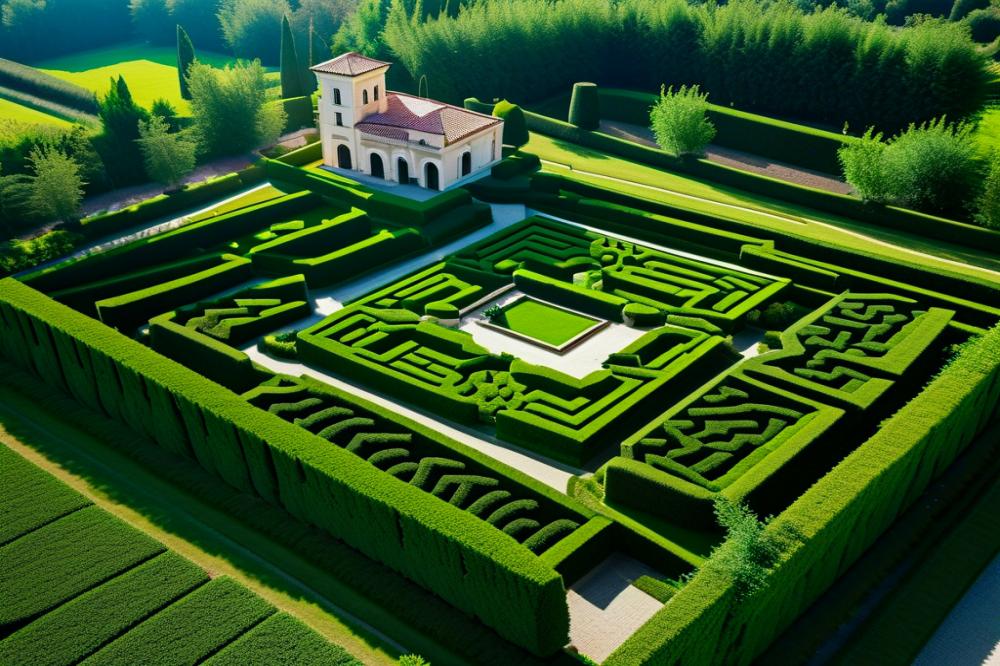
Castello di Moncalieri stands as a remarkable example of how to blend history with nature. Conservation efforts are vital to keeping the gardens thriving. Various initiatives focus on protecting the intricate web of life present within these lush landscapes. Many projects aim to restore native plants, which are essential for maintaining the local ecosystem.
Sustainable gardening practices play a pivotal role in this endeavor. Techniques are designed to reduce chemical usage and promote health in the soil. Crop rotation, for instance, helps reduce pests naturally while enhancing soil quality. Cover crops improve soil structure and add nutrients. These approaches support the gardens’ inhabitants, including essential wildlife and various fauna.
Visitors will notice how carefully planned each section reflects an awareness of botanical diversity. Different flora invites native pollinators, adding to the ecological richness of the area. The layout of the historical gardens not only showcases beauty but also serves practical purposes. Native plants chosen for their resilience enhance the landscape while reducing the need for excessive water. Rain gardens capture and filter stormwater, promoting water conservation.
Attention is given to the interaction between species. The right combinations of plants can create beneficial habitats for birds, insects, and other wildlife. This harmonious balance enriches the experience for all who wander through the gardens. Conservation isn’t just about protecting the plants; it’s about nurturing life in all its forms.
As stewards of this beautiful space, the team at Castello di Moncalieri implements education programs for visitors. They emphasize the importance of biodiversity and how each visitor can contribute to environmental protection. Workshops and guided tours help raise awareness about the critical need for sustainable practices in all types of gardens. By engaging with the community, the historical gardens remain not only a place of beauty but also a living lesson in conservation.
Visiting the Gardens
The gardens of Castello di Moncalieri offer a delightful experience for all visitors. Accessibility is a key feature here. Pathways are designed to accommodate strollers and wheelchairs, making it easy for everyone to enjoy the beauty. Expect a stunning landscape filled with rich flora and intriguing fauna. Each corner reveals a different part of the ecosystem, from flowering plants to vibrant wildlife.
Exploring the historical gardens requires some planning. Be ready for varying terrain as you navigate the expansive area. Take your time to appreciate the botanical diversity on display. Observing the details of different plants enhances the visit. Educators often place signs that provide information about the flora and their roles in conservation.
Visitors can often participate in events focused on wildlife and flora education. Workshops and guided tours run throughout the year, offering insights into sustainable gardening practices. These activities engage guests while promoting an understanding of environmental stewardship. Joining a tour can deepen your appreciation for the gardens’ diverse ecosystems.
Be sure to bring a camera. Capturing the scenery can help you remember the splendor of this place. Comfortable shoes will make your journey through the gardens more enjoyable. Consider a visit during blooming season when colors are most vibrant and wildlife is abundant. Engage with staff members; they are a wealth of knowledge on the rich history of the gardens and their current conservation efforts.
Finding a quiet spot to relax is straightforward. Benches are scattered throughout the area for moments of reflection. Take a moment to observe the small details. You may spot birds, butterflies, or even small mammals as you sit back and enjoy the surroundings. Each visit can become a new adventure as the landscape and wildlife change with the seasons.
Final Thoughts
The gardens of Castello di Moncalieri stand as a testament to the rich tradition of Italian horticulture. Their diverse flora offers a glimpse into the ecological beauty that many famous gardens in Italy are known for. These gardens are not just a visual feast; they play an essential role in promoting ecological balance and supporting various species.
Preserving such historical landscapes is crucial in today’s world. Each plant species contributes to a larger ecosystem, making these gardens vital for overall environmental health. People must recognize that historical sites, like those at Moncalieri, provide more than just aesthetic appeal. They serve as living archives of our natural heritage.
Now more than ever, our responsibility to conserve these spaces is clear. Every visit offers an opportunity to appreciate the beauty and complexity of nature. The ongoing protection of these gardens can help ensure that future generations also enjoy their splendor. By valuing places like the gardens of Castello di Moncalieri, society acknowledges the importance of nurturing biodiversity.
In conclusion, while they may seem like simple pleasures, these gardens offer essential insights into nature’s intricate web. It is our duty to protect and cherish them for years to come.

