
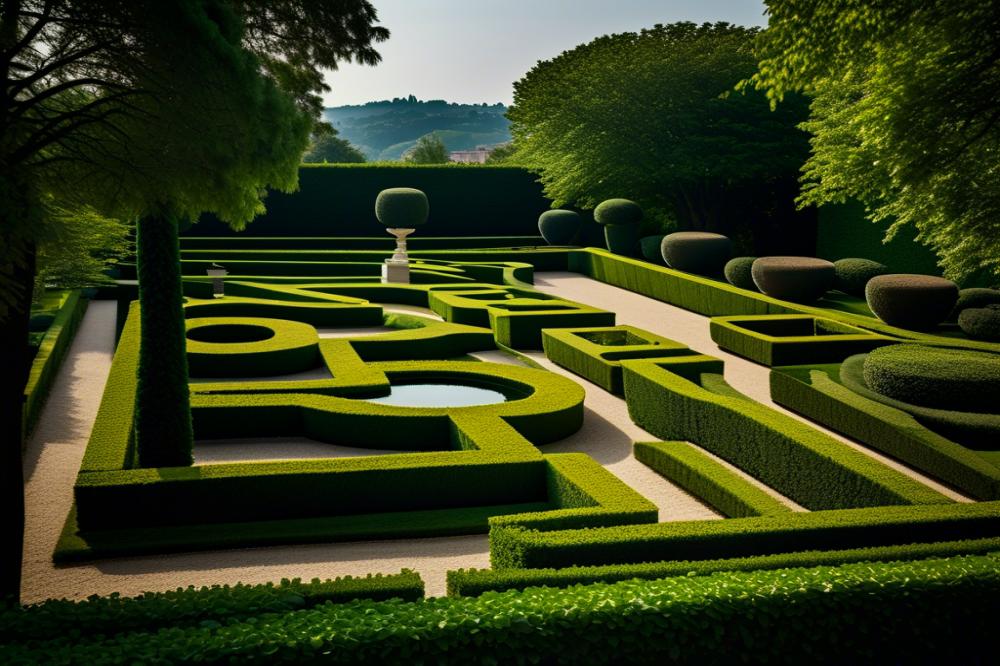
Exploring the Terrace Gardens of Villa Arconati in Milan
Milan, known for its fashion and art, also boasts a rich array of historical gardens. Among these, Villa Arconati stands out as a prime example of cultural heritage. This remarkable estate is more than just a beautiful location; it represents a part of Italy’s architectural legacy. As you step into its serene environment, you encounter a blend of history and nature.
The significance of Terrace Gardens in Italian architecture cannot be overstated. These outdoor spaces offer stunning views and intricate landscaping that have inspired garden design for centuries. Milan’s gardens showcase the best of this tradition, melding botanical features with artistic expression. People visit these locales not just for their beauty but also to take a breath of fresh air and reconnect with nature.
At Villa Arconati, visitors experience how these gardens enhance the splendor of the estate. The layout invites exploration and encourages appreciation of the craftsmanship involved. While strolling along the terraces, one can observe various plant species that contribute to the unique charm of this setting. Tourists are often captivated by the attention to detail found in every corner of the garden.
Ultimately, the terrace gardens of Villa Arconati serve as a reminder of Italy’s rich architectural history. They illustrate the importance of integrating nature into urban life. Each visit offers a chance to learn and grow, both in knowledge and appreciation of Italy’s natural beauty. Immerse yourself in this tranquil oasis where culture and nature coalesce beautifully.
Historical Context
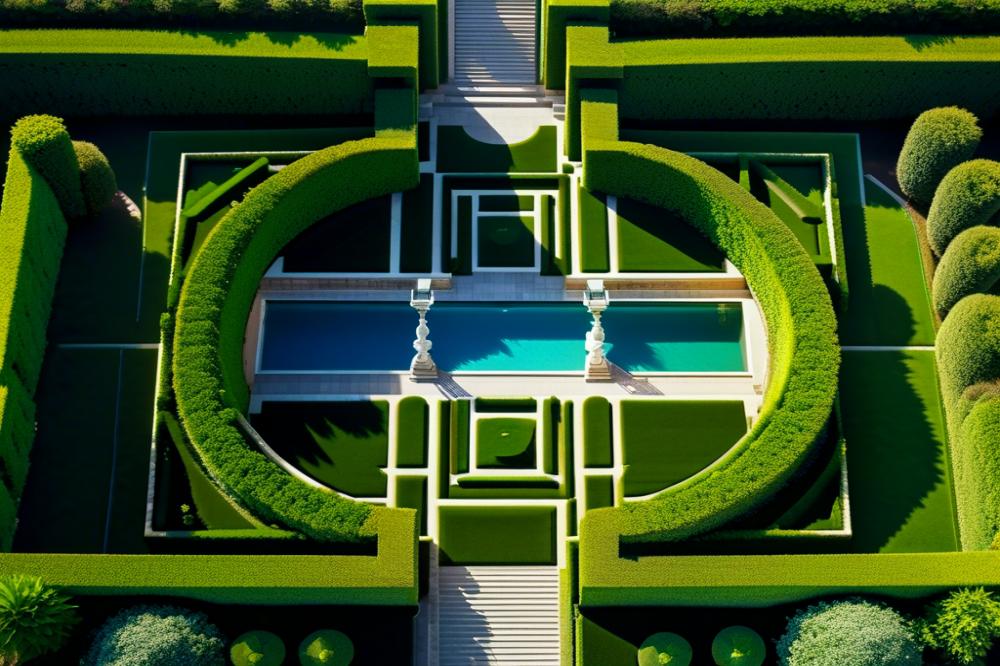
The Villa Arconati boasts a rich history that draws visitors from all over. Located just outside Milan, this remarkable estate has roots that trace back to the late 17th century. Originally built as a summer retreat, the villa reflects the opulence of Italian architecture from its time. The design features a blend of baroque elements, which showcases the artistic mastery of that era.
Influenced by the principles of Italian Renaissance landscape design, the gardens exhibit various levels that create a stunning visual experience. Such landscaping effectively combines nature and art, making the outdoor spaces feel immersive. Each terrace unfolds like a page in history, revealing intricate paths, blossoming flowers, and lush greenery. Visitors can admire botanical features carefully arranged to evoke harmony and serenity.
Several notable historical figures have connections to Villa Arconati. Among them, Francesco Arconati, who commissioned the villa, played a significant role in its development. His vision helped shape the cultural heritage of this unique landmark. Generations later, artists and intellectuals frequented the villa, further enhancing its reputation as a symbol of beauty and creativity.
Today, tourism thrives at this site, inviting people to explore the gardens while learning about its past. As you stroll through, you become part of the ongoing story of a place that has inspired countless generations. The charm of the villa continues to enchant, seamlessly blending its historical essence with the vibrant life of contemporary visitors. Engage with the landscape and appreciate how garden design can tell tales of bygone eras.
Design and Features of the Terrace Gardens

The terrace gardens of Villa Arconati are a splendid example of Italian architecture that harmoniously blends nature and design. Situated in Milan, these gardens showcase a layout that invites exploration. Visitors can enjoy strolling through pathways surrounded by lush greenery and vibrant flowers. Each section flows seamlessly into the next, making the outdoor spaces feel interconnected and inviting.
One of the remarkable aspects of these historical gardens is their botanical features. Various species of plants are carefully chosen for both their beauty and meaning. Colorful blooms fill the air with delightful scents, while the sound of rustling leaves creates a serene atmosphere. This combination enhances the overall experience for tourists and locals alike.
Landscaping elements are thoughtfully crafted, showcasing creativity and purpose. Terraces provide elevation, offering stunning views of the surrounding area. Water features, such as fountains or ponds, add an element of tranquility, attracting both visitors and wildlife. These unique elements highlight the artistry involved in garden design, making each visit an immersive experience.
Architectural details, like sculptures and arches, further enrich the gardens’ ambiance. They illustrate a deep respect for cultural heritage. Integrating these features with plants and trees creates a beautiful dialogue between man-made structures and the natural world. This balance is essential in expressing the essence of Italian gardening traditions.
Visitors often marvel at how well the gardens embody a connection to nature. Walking through, one cannot help but appreciate the layers of history that such a place holds. It serves as a reminder of the past, while still being a relevant spot for modern tourism. Each garden path leads to a new discovery, making a significant impact on anyone who takes the time to explore.
Emphasis on sustainability is evident in the thoughtful preservation of these spaces. Care is taken to maintain the ecological values while celebrating the beauty of design. This commitment not only enhances the visual appeal but also respects the environment. Nature and architecture do not compete; they coexist beautifully, making the terrace gardens a must-see for anyone visiting Milan.
Cultural and Artistic Significance
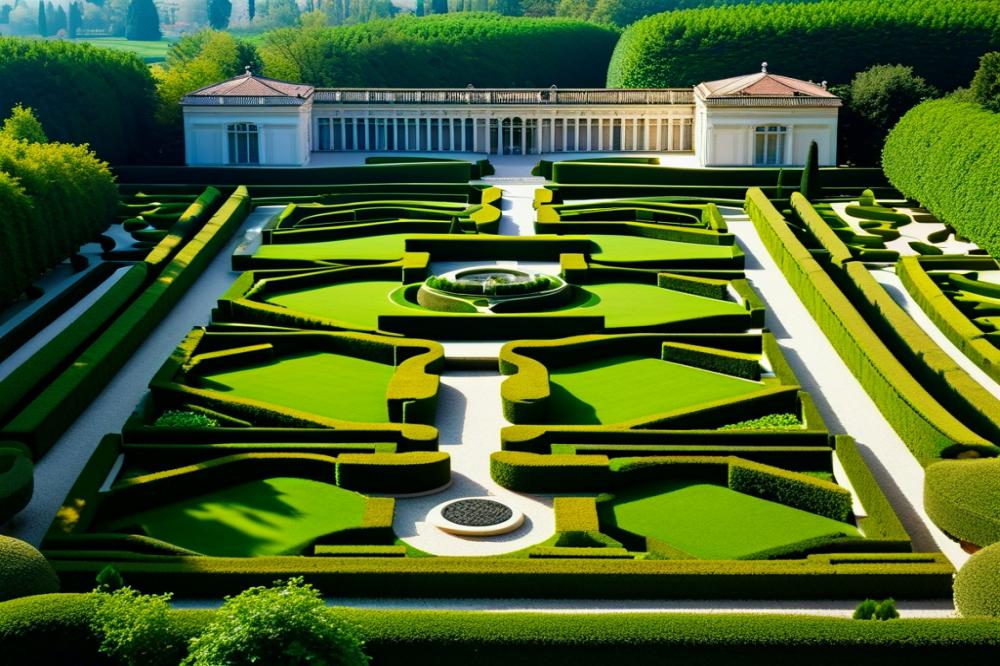
The terrace gardens of Villa Arconati hold a special place in Milan’s cultural heritage. These historical gardens reflect the beauty and elegance of Italian architecture. Visitors can marvel at the intricate design and thoughtful layout that showcase the artistic movements of their time.
Italian garden design is deeply connected to the country’s rich artistic legacy. Artists and architects collaborated to create outdoor spaces that harmonize with nature. The balance of botanical features and structural elements in these gardens demonstrates the importance of aesthetics in everyday life. Gardens were not merely for leisure; they served as a statement of culture and refinement.
Milan, known for its vibrant art scene, is influenced by these historic landscapes. The legacy of Garden design continues to inspire modern landscaping practices in the region. Contemporary designers often draw from the past, incorporating classical elements into new outdoor projects. This connection shows that the past is not forgotten; it evolves and informs present creativity.
As tourism grows, the terrace gardens attract visitors from around the world. Guests come to appreciate not just the beauty but also the stories these spaces tell. Each path and plant has significance in the broader narrative of Milan’s outdoor spaces. They invite quiet contemplation in a bustling city.
In a world that increasingly values nature, the terrace gardens exemplify a blend of beauty and functionality. They remind us of our cultural roots and the role of landscaping in enhancing our surroundings. These gardens are not just places to visit; they are cornerstones of Milan’s identity and artistic heritage.
Tourism and Accessibility
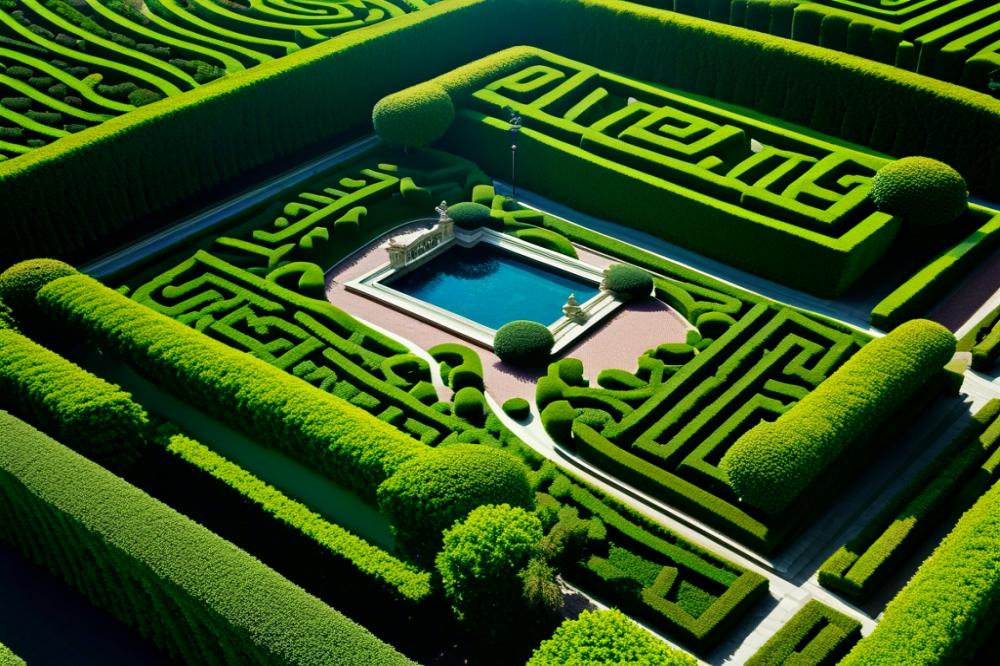
Villa Arconati is a captivating destination for tourists exploring Milan. This site offers a glimpse into Italy’s rich history and stunning architecture. Visitors can dive into various opportunities for enjoying outdoor spaces filled with stunning landscaping. Walking through the historical gardens provides a peaceful escape from the bustling city.
Accessibility is a key feature at Villa Arconati. The gardens are easy to navigate for all visitors, including those with mobility challenges. Well-maintained paths guide guests through the botanical features, making exploration simple. Clear signage also helps guests find their way around the estate.
Throughout the year, Villa Arconati hosts numerous events and activities. From outdoor concerts to guided tours, there is something for everyone. These events showcase Italy’s cultural heritage and draw in visitors from near and far. People often gather to appreciate the unique garden design while soaking up the beauty of nature.
Educational programs also play a role in the villa’s offerings. Workshops about gardening and Italian landscaping attract those eager to learn. Families can enjoy entertaining activities, where children can engage with nature and history in a hands-on way. Events like these enrich the experience, making it memorable for all ages.
Preservation and Conservation Efforts
Milan is home to many breathtaking outdoor spaces, and the historical gardens of Villa Arconati are no exception. Current initiatives focus on maintaining and restoring the garden’s unique botanical features. Dedicated teams work tirelessly to keep the landscaping as it was designed centuries ago. Every effort is being made to preserve the beauty of Italian architecture found within these grounds.
One notable project involves the careful monitoring of plant health. Experts assess the gardens regularly to detect any diseases or pests that could threaten their existence. Additionally, there are ongoing workshops aimed at educating the public about garden design and sustainable practices. Engaging the community fosters a sense of shared responsibility over these cultural treasures.
Future generations will greatly benefit from the preservation of this gem. Historical gardens tell stories of art, nature, and human creativity. By protecting such spaces, we maintain a connection to our past. Visitors from around the world are drawn to these landscapes, boosting tourism and creating appreciation for Italy’s rich heritage.
Moreover, conservationists emphasize the importance of biodiversity. The gardens house various plant species that contribute to the local ecosystem. Enjoying the serene ambiance of open-air spaces allows people to reconnect with nature. Support for these initiatives is crucial as we navigate the challenges posed by urbanization.
Ultimately, the efforts made today will shape the experiences of those who visit in the years to come. Let us champion the need for preservation. In doing so, we secure the legacy of Villa Arconati’s enchanting gardens for all to cherish. This commitment to safeguarding history is vital in keeping our cultural heritage alive.
Final Thoughts on the Terrace Gardens of Villa Arconati
The terrace gardens at Villa Arconati hold significant importance. They offer a glimpse into the past, showcasing the beauty and artistry of historical gardens. These enchanting spaces also highlight Milan’s commitment to preserving its rich heritage. Visitors can experience nature and culture intertwined, enriching their time in the city.
Furthermore, these gardens act as a sanctuary, attracting both locals and tourists. Each visit provides a chance to learn about the architectural styles of the time. Discussing the balance of nature and human intervention opens up deeper conversations. The captivating views from the terraces create lasting memories for all who wander there.
In addition, they serve as a vital part of the local tourism experience. Many tourists seek out unique destinations. The gardens not only satisfy this desire but also contribute to the overall allure of Milan. By highlighting this hidden gem, we encourage more visitors to explore the city’s diverse offerings.
Ultimately, the terrace gardens are more than just a pretty sight. They embody history, culture, and nature, all in one place. Engaging with these gardens fosters appreciation for Milan’s heritage. So, let us cherish and promote these treasures, ensuring they remain accessible for future generations.

