
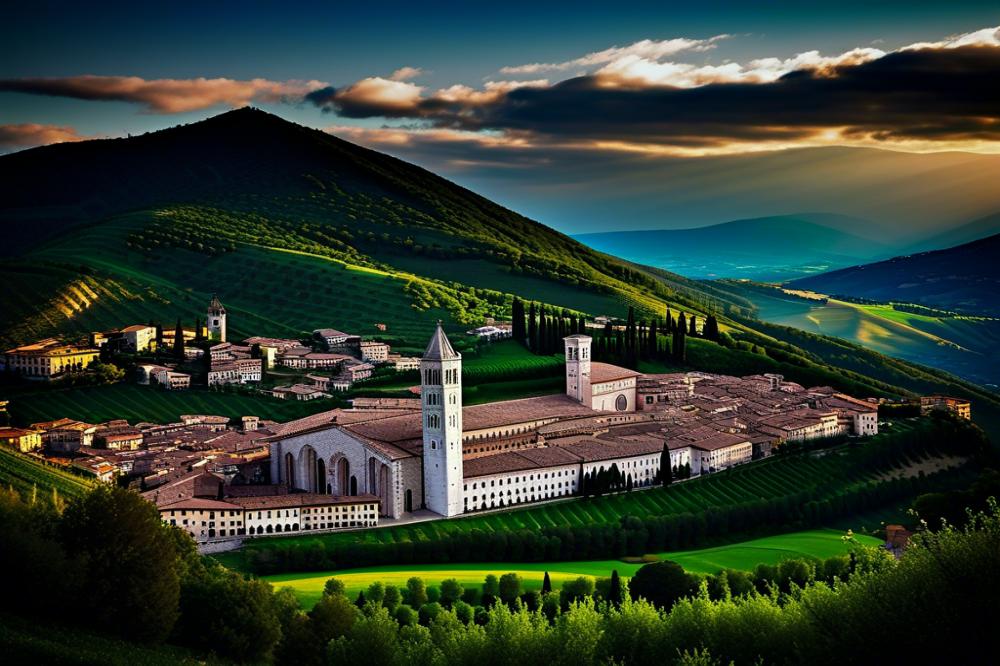
Gubbio: An Umbrian Town with Rich Historical Roots
In the heart of Umbria lies a town steeped in history and culture. Known for its medieval architecture, this charming locale showcases its past through winding streets and ancient buildings. Visitors are often captivated by the unique blend of history and beauty that enhances their experience. The Palazzo dei Consoli stands as a stunning centerpiece, reflecting the significance of Gubbio in the region’s past.
Exploring the historical sites reveals the deep layers of Umbrian history. Roman ruins punctuate the landscape, offering a glimpse into the life of early civilizations. Festivals held throughout the year celebrate local traditions and connect the community. These events draw travelers eager to immerse themselves in Gubbio’s rich cultural heritage.
Amidst the backdrop of Monte Ingino, there’s a palpable sense of history. Locals frequently gather to share stories that echo through generations. The town’s local cuisine also plays a role in its charm, delighting visitors with flavors that mirror its heritage. Overall, the town’s allure lies not just in its sights, but in the experiences it offers to those who wander its streets.
Gubbio: A Historical Overview
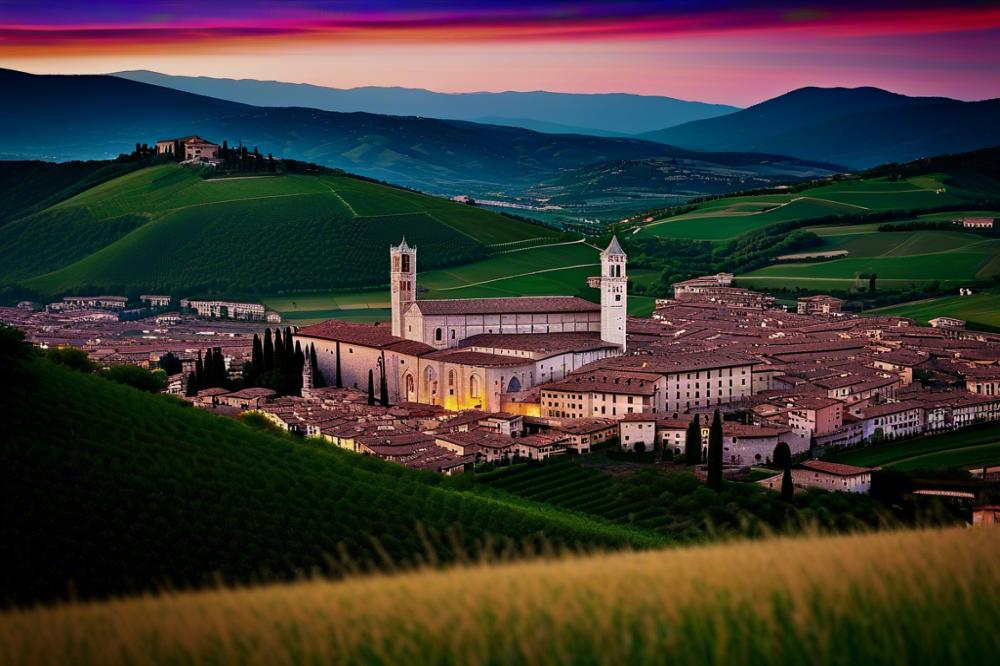
Gubbio, nestled in the heart of Umbria, boasts a rich history that traces back to ancient times. The origins of this remarkable town can be linked to the Umbrians, a pre-Roman civilization. Archaeological evidence suggests settlement in the area as early as the 7th century BCE. Roman influences grew stronger over time, resulting in the construction of several significant structures, including Roman ruins that can still be seen today.
The town flourished under Roman rule, evolving into an important center for trade and administration. By the 3rd century CE, Gubbio had established its role as a vital location within the Roman Empire. However, as the empire declined, chaos followed, and the region faced significant upheaval during the early medieval period.
During the Middle Ages, Gubbio emerged as a free commune. The rise of powerful families marked this era, transforming the local political landscape. Notable events, such as conflicts with neighboring towns, often dictated its course. Throughout this time, medieval architecture began to dominate the skyline. Structures like the impressive Palazzo dei Consoli were constructed, showcasing the wealth and influence of the town.
As Gubbio experienced growth and change, its cultural heritage became deeply ingrained in the community. Festivals celebrating the town’s patron saint, St. Ubaldo, continue to attract visitors. These events bring history to life, allowing locals and tourists alike to immerse themselves in Gubbio’s legacy. The stunning backdrop of Monte Ingino adds to the beauty of these celebrations, enhancing the atmosphere.
Additionally, Gubbio’s local cuisine reflects its extensive past. Traditional dishes showcase the agricultural bounty of the region. Recipes passed down through generations highlight both simplicity and flavor, capturing the essence of Umbrian gastronomy.
Today, the historical sites throughout Gubbio provide a window into its fascinating past. Visitors can wander through cobbled streets, exploring both ancient Roman ruins and medieval buildings. The blend of history, culture, and stunning landscapes makes this town a true gem in Italy.
Exploring Medieval Architecture
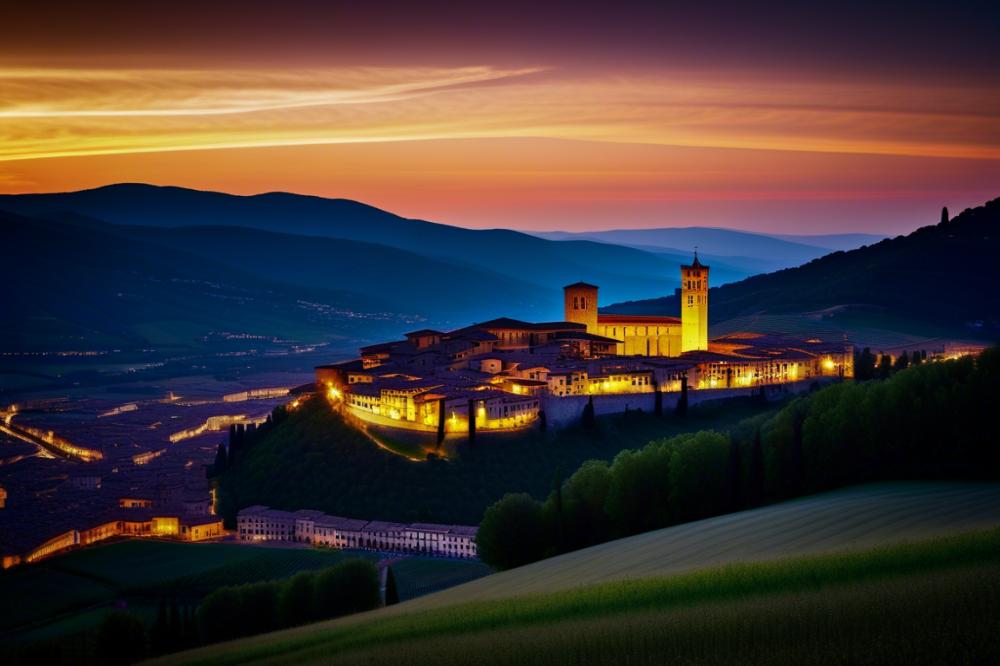
Gubbio is famous for its remarkable medieval architecture. One of the most iconic structures is the Palazzo dei Consoli. This impressive building towers above the town and showcases the civic pride of a bygone era. Built in the 14th century, it serves as a symbol of the town’s political importance during the medieval period. Its soaring façade, adorned with stunning windows and Gothic elements, invites visitors to step back in time.
Other significant buildings also reflect the rich cultural heritage found in this Umbrian town. The Palazzo dei Consoli stands out, but many smaller churches, such as the Basilica of Sant’Ubaldo, offer captivating architectural features. Nestled high on Monte Ingino, this basilica is dedicated to the patron saint of Gubbio. Visitors can enjoy breathtaking views of the surrounding hills while exploring its charming interior filled with religious artwork.
Throughout the town, remnants of Roman ruins can be seen. These ancient structures are a testament to the long history of Gubbio, blending seamlessly with medieval designs. Walking through the narrow cobbled streets, the influence of both eras becomes apparent. Each corner reveals a new historical site that tells a story.
Festivals in Gubbio celebrate not only its history but also its architectural beauty. Events such as the Ceri Festival attract tourists and locals alike, showcasing traditional customs and vibrant displays. During these occasions, the town’s structures serve as a backdrop, enhancing the overall experience.
Local cuisine complements the architectural journey. Traditional dishes often feature ingredients sourced from the surrounding area. Eating in the shadow of these historic buildings adds another layer to the experience, allowing visitors to savor both the food and the ambiance.
With every visit, Gubbio reveals more about its past. The connection between the town’s medieval architecture and its rich history creates a fascinating narrative. Each building, each street, and each festival draws people in, creating a lasting impression of this charming town in Italy.
Cultural Heritage and Local Traditions
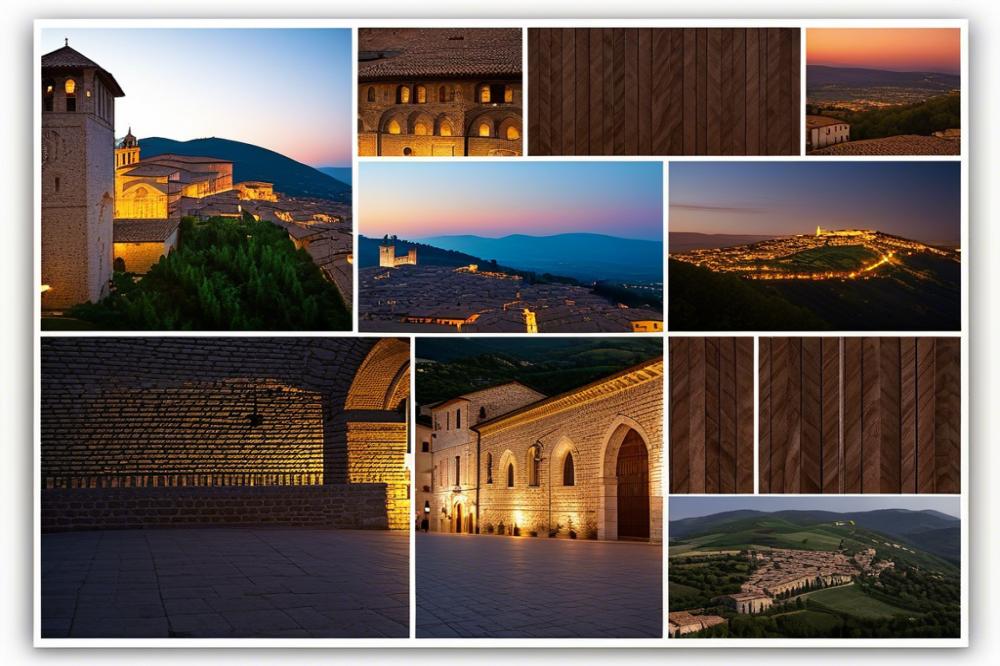
Gubbio is a treasure in Umbria, Italy. Its rich cultural heritage attracts many visitors. The town is famous for its medieval architecture, with stunning buildings that tell stories of the past. One such landmark is the Palazzo dei Consoli. This impressive structure stands at the heart of Gubbio, showcasing the town’s importance during the medieval period.
Local traditions play a vital role in community life. The annual festivals of Gubbio highlight its historical significance. Each year, the Festa dei Ceri takes place in May. Participants carry tall wooden structures called “ceri” through the streets. This event celebrates the town’s patron saint, Saint Ubaldo. Families and friends gather to cheer and support their teams, creating a lively and spirited atmosphere.
During the Christmas season, another major celebration fills the town with joy. The chance to see the world’s largest Christmas tree on Monte Ingino is a highlight. Lights adorn the mountainside, visible miles away. Many people visit to admire this spectacular sight and enjoy local cuisine served at nearby stalls.
Gubbio also shares its rich history through its historical sites. Roman ruins scattered throughout the town tell tales of a bygone era. These remnants serve as a reminder of the town’s ancient past. Walking through the cobblestone streets feels like stepping back in time. Visitors can almost hear echoes of history in the air.
Food is an important part of Gubbio’s cultural identity. Local cuisine reflects the flavors of the region. Traditional dishes are made from recipes passed down through generations. Visitors often seek out these delightful tastes, which enhance the experience of the town. Enjoying a plate of strangozzi or some wild boar is a must.
Historical Sites and Roman Ruins
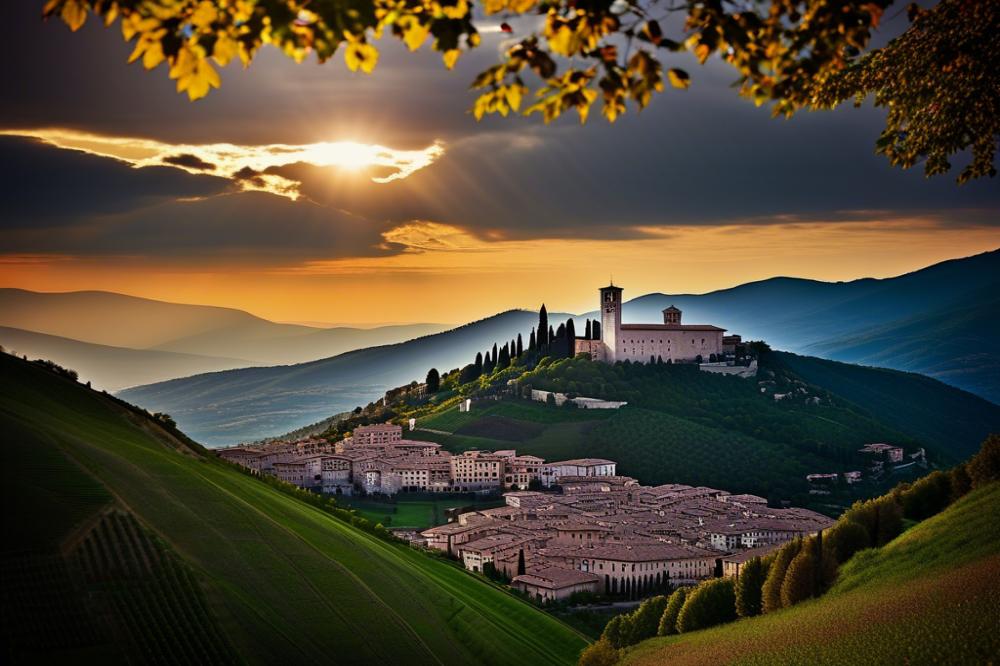
The town of Gubbio is rich in history. Visitors find themselves surrounded by impressive medieval architecture. One of the most remarkable structures is the Palazzo dei Consoli. This magnificent building dates back to the 14th century and showcases the power of the town during its peak. Its towering facade and intricate designs reflect the prevailing style of the era.
Exploring the streets reveals even more historical sites. Roman ruins are scattered throughout the area, serving as a link to ancient times. The remnants of a Roman theater can be found nearby. This theater once hosted performances and gatherings, illustrating the town’s vital role in the ancient world.
Umbria is known for its cultural heritage, and Gubbio encapsulates this beautifully. The blend of Roman and medieval influences creates a unique atmosphere. Tourists often marvel at these historical sites, feeling transported to another time. Historians appreciate the town for its well-preserved artifacts and structures, which offer insights into the past.
Each year, festivals celebrate Gubbio’s deep-rooted traditions. These events highlight local cuisine, attracting food enthusiasts. Participating in the festivities allows visitors to experience not just history, but the vibrant culture alive today. The backdrop of Monte Ingino provides an enchanting setting, making the experience even richer.
A walk through Gubbio is like stepping back in time. The sight of ancient walls and buildings paints a picture of the town’s storied past. Scholars and casual tourists alike find themselves enchanted by the layers of history. Overall, the importance of these sites cannot be understated. They are the heart and soul of the community.
Natural Beauty: Monte Ingino and Surroundings
The stunning landscape around Gubbio is captivating. Monte Ingino towers above the town, offering breathtaking views and a sense of peace. This mountain is not just a natural landmark; it plays a significant role in the region’s history. Its slopes are covered in lush greenery, which provides a striking contrast to the medieval architecture found below.
Surrounding the town, the geography has influenced its development over centuries. The hills provide natural protection, making Gubbio a safe spot for settlement in ancient times. Roman ruins are scattered throughout, indicating the area’s importance in history. These remnants tell stories of times when this town thrived as a center of trade and culture.
Many festivals celebrate local traditions each year, often located within the shadow of Monte Ingino. Residents take pride in their cultural heritage, showcasing unique crafts and delicious local cuisine. The vibrant festivals bring together locals and visitors, uniting them in a shared love for their town and its history.
Palazzo dei Consoli stands as one of the impressive historical sites in Gubbio. This ancient building, once a seat of power, reflects the town’s rich past. Visitors can marvel at its grand architecture while enjoying the scenic backdrop of the surrounding hills. The combination of human-made beauty and natural landscapes makes the place truly memorable.
Additionally, hiking trails on Monte Ingino offer a chance for adventure. These paths wind through forests, leading explorers to viewpoints with stunning panoramas of Umbria. The relationship between nature and history is evident here, as each step taken echoes the footsteps of those who came before. In this way, the mountain and town share a bond that has lasted for generations.
Gubbio’s Local Cuisine
Food in Gubbio reflects its rich cultural heritage. Traditional dishes are often made from local ingredients, showcasing the flavors of Umbria, Italy. People enjoy hearty meals prepared with care. Recipes passed down through generations highlight the area’s history and agricultural roots.
One popular dish is the torta al testo. This flatbread is often filled with cheese, greens, or meats. It serves as a simple yet satisfying meal for locals and visitors alike. The town’s culinary tradition also boasts dishes featuring game meats. This includes wild boar and rabbit, both of which might find their way onto a festive table during local celebrations.
The presence of medieval architecture, such as the iconic Palazzo dei Consoli, adds to the charm of the dining experience. Many restaurants are located near historical sites, seeming to breathe in the past while serving up contemporary interpretations of traditional recipes. Diners can enjoy a meal while surrounded by the beauty of Roman ruins and ancient stones.
Seasonal festivals play a significant role in the life of this Umbrian town. Events dedicated to food allow residents to showcase local specialties. Each year, the Festa dei Ceri presents an opportunity to sample various dishes. Visitors often come to taste and celebrate the flavors that make this place special.
For those who venture up Monte Ingino, the local cuisine offers a way to recharge. Small eateries dot the hiking paths, serving fresh meals to hungry nature lovers. The connection between food and the community is strong here, as meals often bring people together. Whether it’s sharing a dish or exchanging stories, food enhances social bonds within the town.
Each bite taken in Gubbio reminds everyone of the area’s roots. From simple fare to festive dishes, the local cuisine tells a story. A visit is never complete without experiencing the flavors that have stood the test of time, reflecting both the past and present of this unique destination.
Final Thoughts
Rich in history, this remarkable Umbrian town holds a special place in Italy’s cultural heritage. Its streets whisper stories of ancient civilizations, echoing the footsteps of Romans and medieval townsfolk alike. Visitors walk among well-preserved ruins that speak to a bygone era. This blend of past and present creates an atmosphere that captivates the heart and imagination.
Main highlights include stunning medieval architecture, which is evident in its buildings and monuments. These structures not only reflect artistic achievements but also symbolize the resilience of the people through centuries of change. The town plays a significant role in Umbria’s narrative, showcasing traditions that have shaped the region’s identity.
Beyond its physical beauty, the community of Gubbio contributes to the broader tapestry of Italian history. Each festival and local custom adds layers to the town’s identity. Across generations, the legacy continues to thrive, reminding us of the significance of preserving such towns for future generations.
In essence, Gubbio represents a beautiful intersection of history and culture. Its timeworn charm invites exploration and reflection. For those willing to uncover its secrets, this town offers an enriching experience. The journey through its streets is not just a stroll through history but an immersion into the very soul of Umbria.

