

How Italy Protects Its endangered species
Italy is renowned for its rich biodiversity. This Southern European country boasts a vast array of plants and animals, many of which are found nowhere else in the world. The stunning landscapes range from the mountainous Alps in the north to the sun-soaked coasts of the Mediterranean. Italy’s flora and fauna, shaped by various climates and ecosystems, play a vital role in the overall health of the environment.
Protecting endangered species is crucial. Declining populations can disrupt ecosystems and diminish the natural beauty that attracts millions of visitors each year. wildlife protection is not just about saving animals; it also enhances the quality of life for humans. When biodiversity thrives, every living thing benefits. Maintaining balance in nature is essential for sustaining our planet.
Italy’s unique environmental challenges have spurred concerted efforts across many sectors. Conservation organizations work tirelessly to promote habitat restoration. They collaborate with local communities, raising awareness about the importance of preserving natural habitats. Numerous national parks and protected areas serve as sanctuaries for threatened species, allowing them to recover and thrive.
Environmental laws play a key role in safeguarding wildlife. The Italian government implements various regulations to curb pollution and habitat destruction. These measures reflect a commitment to eco-tourism and sustainable practices. By integrating conservation goals with tourism, Italy aims to strike a balance between economic growth and environmental protection. Through these efforts, Italy conservation is poised to offer a sustainable future for its remarkable biodiversity.
Endangered Species in Italy

Definition of Endangered Species
Endangered species are animals or plants that face the risk of extinction. This status results from a range of factors, including habitat loss, pollution, and climate change. Recognizing a species as endangered signals that urgent measures are needed to protect it. Conservation efforts strive to safeguard these living organisms and the ecosystems they inhabit.
Key Endangered Species in Italy
Italy is home to several threatened species that embody its rich biodiversity. The European eel is one such species, struggling due to overfishing and habitat destruction. Another crucial species is the Apennine chamois, a goat-antelope found only in the Italian peninsula. The caretta caretta, or loggerhead turtle, also faces challenges along Italian shores. These animals highlight the importance of wildlife protection and the delicate balance of ecosystems.
Statistics on Threatened Species
According to recent studies, around 12% of Italy’s flora and fauna are under threat. This alarming figure reflects the urgent need for action. National parks play a vital role in conservation. They provide safe habitats for many of these species. Various conservation organizations work tirelessly to promote habitat restoration and sustainable practices. Eco-tourism also supports efforts, as it encourages locals and visitors to engage with nature while protecting it.
Environmental laws in Italy are designed to reduce the risks faced by these animals. However, effective enforcement is crucial. Innovative approaches are needed to raise awareness about the threats to vulnerable species. Education and community involvement can make a significant difference. Italy’s unique ecosystems depend on collective efforts to ensure their survival.
Biodiversity and Habitat

Biodiversity plays a crucial role in maintaining ecological balance. Each species, no matter how small, contributes to the health of its environment. When one species declines, it can impact many others. That’s why protecting wildlife is vital.
Italy boasts a variety of habitats, from the rugged Alps to the serene Mediterranean coasts. Forests, wetlands, and mountainous regions create a mosaic of ecosystems. This diverse range supports numerous plant and animal species. Such rich environments make Italy an important site for conservation efforts.
Habitat restoration is a key strategy in the fight against the decline of threatened species. Efforts to restore natural areas help rebuild populations and revive ecosystems. National parks across Italy serve as safe havens for wildlife. Conservation organizations also play an important role by implementing sustainable practices in these regions.
Eco-tourism has emerged as a powerful tool for promoting conservation. Tourists visit national parks and other protected areas, often generating funds for wildlife protection. This allows local communities to benefit from preserving nature. Environmental laws in Italy support these initiatives, ensuring a framework for long-term conservation efforts.
Italy’s commitment to habitat restoration and wildlife protection is evident in many areas. The collaboration between citizens, government, and organizations fosters a collective approach. By working together, they strengthen conservation efforts and promote environmental awareness.
Conservation Efforts and Wildlife Protection
National Parks and Protected Areas in Italy
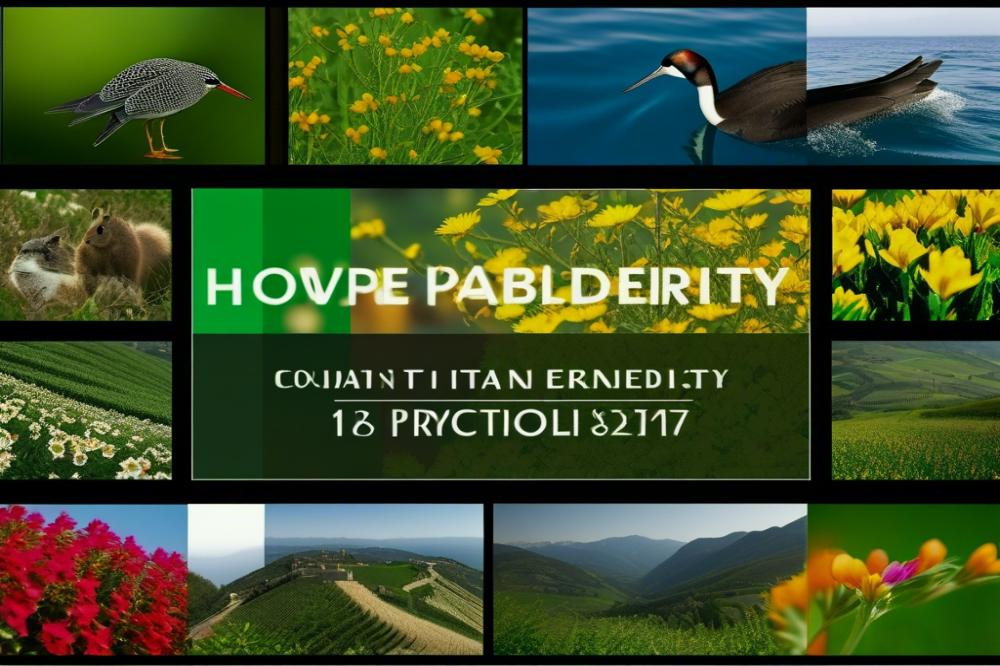
Italy is home to a diverse range of ecosystems. Its national parks play a crucial role in safeguarding biodiversity. Places like the Gran Paradiso National Park and the Sila National Park are sanctuary spots for many threatened species. These protected areas provide safe habitats where wildlife can thrive. Visitors to these parks often participate in eco-tourism. This form of tourism helps raise awareness about the importance of conservation. Additionally, national parks are crucial in habitat restoration efforts. They work to restore areas that have been damaged by human activities.
Role of Environmental Laws in Wildlife Protection
Legal frameworks significantly influence wildlife protection. Italy has implemented various environmental laws designed to preserve natural habitats. These laws regulate activities that might harm ecosystems or animal populations. They set guidelines for sustainable practices in agriculture and fishing. These regulations are vital for maintaining the balance in nature. Without adequate laws, many species could face serious threats. Enforcement of these laws ensures that vulnerable wildlife remains protected. This commitment to legislation reflects a strong social responsibility towards the environment.
Collaboration between Government and Conservation Organizations
Working together is key in conservation efforts. The Italian government teams up with various conservation organizations. These collaborations focus on projects aimed at protecting wildlife. Organizations often provide expertise, while the government offers funding and support. Together, they drive initiatives for education and community engagement. Programs designed to involve local communities in conservation foster a sense of ownership. This helps promote sustainable practices that benefit both people and nature. With joint efforts, Italy strives to create a brighter future for its wildlife.
Sustainable Practices and Eco-Tourism
How Eco-Tourism Supports Conservation Efforts
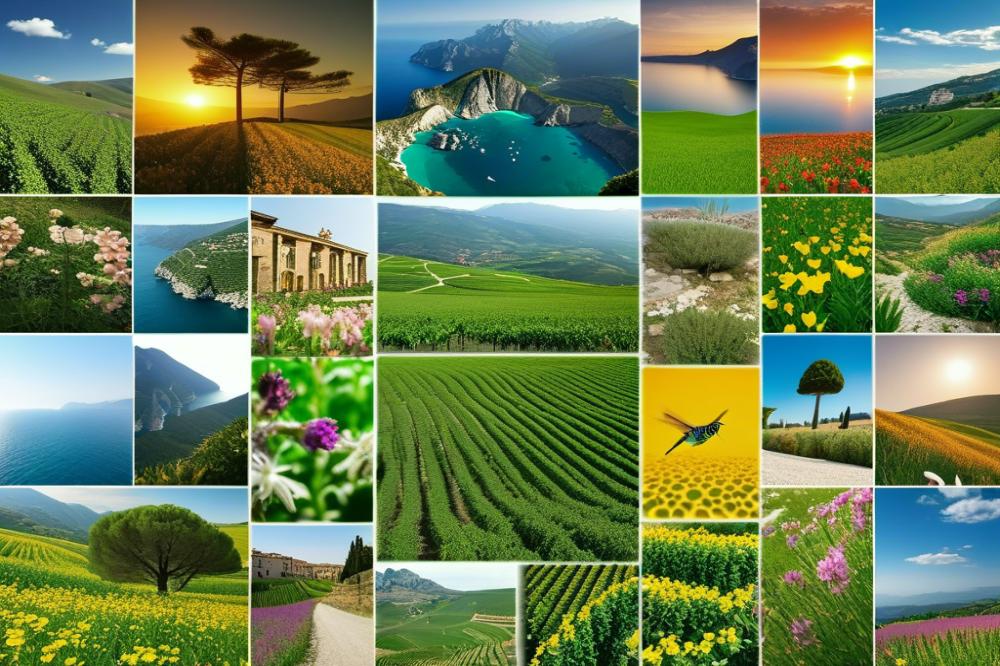
Eco-tourism plays a significant role in wildlife protection in Italy. Tourists are drawn to the country’s breathtaking landscapes and rich biodiversity. This interest provides funding for conservation efforts. When travelers visit natural parks, a portion of their fees goes directly to habitat restoration and other conservation projects. By choosing eco-friendly accommodations, visitors also contribute to sustainable practices. Local businesses thrive while helping to protect the environment and its precious species.
Examples of Sustainable Practices in Italy
Italy hosts numerous initiatives aimed at promoting sustainable tourism. For instance, several national parks have adopted eco-friendly guidelines that minimize environmental impact. Tour operators often follow strict protocols that limit the number of visitors in sensitive areas. These measures help preserve natural habitats. Additionally, many conservation organizations engage communities by offering training in sustainable farming and fishing. These practices strengthen local economies and promote a culture of conservation.
Impact of Eco-Tourism on Local Communities and Endangered Species
The connection between eco-tourism and local communities is vital. When tourists visit an area, they often support local artisans and restaurants. This economic boost can improve residents’ quality of life. Community-led projects focus on protecting threatened species while enhancing their natural surroundings. Awareness campaigns educate visitors about the importance of biodiversity and environmental laws. This knowledge often inspires tourists to engage in conservation efforts back home. Overall, eco-tourism fosters a collaborative approach, benefiting both local habitats and the people who live there.
Challenges and Future Directions
Major Challenges Facing Wildlife Protection in Italy
Italy faces significant challenges in wildlife protection. One major issue is habitat loss. Urbanization and agricultural expansion often push wildlife out of their homes. Pollution also plays a crucial role in harming ecosystems. Invasive species further complicate the situation. These non-native plants and animals disrupt local biodiversity. Climate change poses additional threats to fragile environments. Rising temperatures and extreme weather can drive certain species closer to extinction. Moreover, funding for conservation programs is often limited. This financial strain makes it difficult to enforce environmental laws effectively.
Future Strategies for Improving Conservation Efforts
To improve conservation efforts, Italy could focus on habitat restoration projects. Planting native trees and removing invasive species can rejuvenate ecosystems. Expanding national parks and protected areas is another vital strategy. More land designated for wildlife increases their chances of survival. Incorporating sustainable practices in agriculture can also help. Farmers can be encouraged to use methods that protect surrounding habitats. Collaboration with conservation organizations will be essential. Partnerships can drive innovation and resource sharing in conservation projects. Investing in eco-tourism can create a funding stream while promoting wildlife appreciation.
Importance of Public Awareness and Involvement
Public awareness plays a critical role in conservation. Educating citizens about threatened species encourages community involvement. School programs and local events can motivate young people to take action. Social media also serves as a powerful tool. Campaigns can raise awareness and spread information quickly. When the public understands biodiversity’s importance, they are more likely to support initiatives. Engaging citizens in monitoring local wildlife can build a sense of stewardship. People who feel connected to nature are more inclined to advocate for it. With collective effort, the future may look brighter for Italy’s wildlife.
Moving Forward with Conservation Efforts
Italy’s approach to protecting its endangered species highlights a strong commitment to wildlife protection. Initiatives like the establishment of protected areas and recovery programs demonstrate the nation’s dedication. Education and community involvement also play vital roles. People are encouraged to participate in conservation projects. Such efforts are crucial as they raise awareness and foster a sense of responsibility.
Sustaining these initiatives requires ongoing support from everyone. Citizens can help by participating in local conservation programs. Donations to relevant organizations can also be impactful. Advocacy for environmental policies at both local and national levels is important too. Every action, no matter how small, contributes to the larger goal of preserving our natural heritage.
The significance of maintaining biodiversity cannot be overstated. Our planet relies on balanced ecosystems to function properly. Future generations will be affected by the choices we make today. It is essential to create a world where wildlife thrives. By protecting these species, we are also protecting ourselves and the environment we share. Together, let’s commit to preserving Italy’s rich natural legacy for all to enjoy.

