
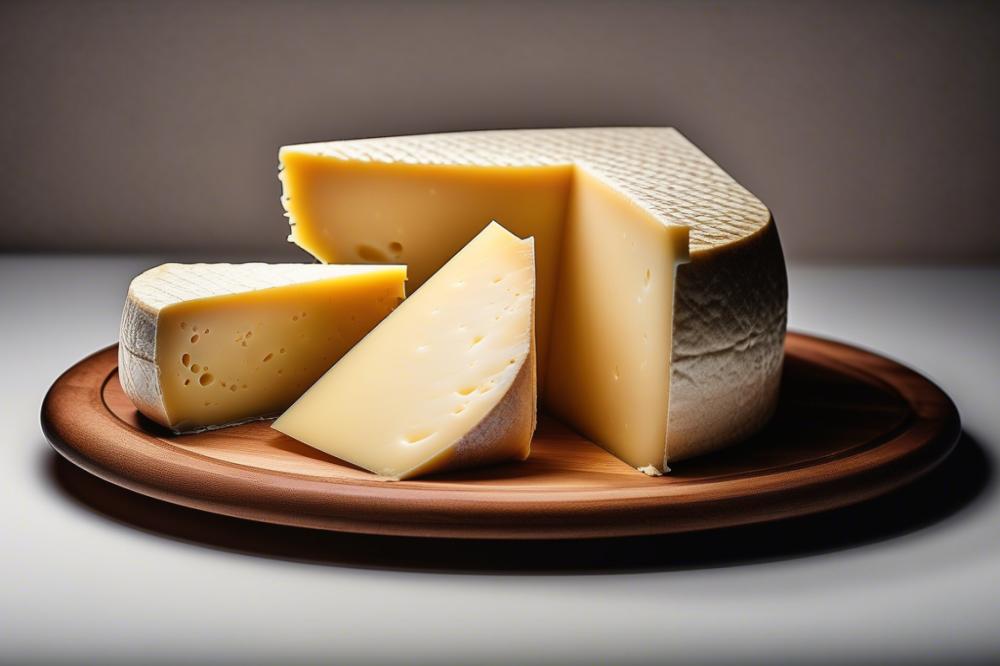
How to Serve Casu Marzu: The World’s Most controversial cheese
Casu Marzu is a rare Italian cheese that has ignited the senses and sparked debates among food lovers. Hailing from Sardinia, this gourmet cheese is unlike any other. Its distinctiveness lies not only in flavor but also in its unconventional method of production. Traditional cheese-making in the region celebrates fermentation, and this variety takes the art to another level.
Sardinia‘s culinary traditions play a vital role in the production and enjoyment of Casu Marzu. Locals view this cheese as a cultural treasure, treasured for generations. Eating customs around this delicacy are steeped in rich history and a deep connection to the land. For many, it represents the essence of Sardinian life.
However, the cheese is also steeped in controversy. It is not simply the intense flavors that arouse discussion but the presence of insect larvae within. These larvae are encouraged to break down the cheese, creating a soft texture that challenges conventional boundaries. Food safety concerns often arise, leading to debates on whether it should remain a staple in gourmet circles. While some praise it for its uniqueness, others question the implications of consuming a product in such a way.
Serving this controversial cheese is an experience that requires an understanding of both its ingredients and its history. Those adventurous enough to try it should approach with an open mind, ready to embrace a tradition that challenges norms within the realm of European cheeses.
Understanding Casu Marzu

Casu Marzu is a cheese that captures attention with its distinct characteristics and rich history. Hailing from Sardinia, this traditional cheese offers a bold flavor profile that is unlike any other. The texture is incredibly soft, almost spreadable, which makes it a favorite among culinary enthusiasts. Notably, the presence of insect larvae, specifically the larvae of the cheese fly, is one of the most striking features. These tiny creatures play an essential role in the fermentation process, breaking down fats and contributing to the cheese’s creamy texture.
Insects are a vital player in the making of this gourmet cheese. They help transform the milk into a complex flavor explosion. Without these larvae, Casu Marzu wouldn’t offer the same depth or richness in taste. Many people shudder at the thought of consuming something with insects. However, for those who embrace traditional eating customs, it is a sought-after delicacy.
A Distinctive Experience
Comparisons with other European cheeses reveal how truly extraordinary this offering is. Many cheeses, such as Brie or Roquefort, focus on mold cultures and bacterial actions for their unique flavors. In contrast, here, the fermentation process is linked directly to the larval activity. This leads to a different profile that can surprise those adventurous enough to try it.
Food safety is crucial when consuming this cheese. The larvae are meant to be consumed alongside the cheese, adding to its lore and distinctiveness. However, one should always ensure that they procure it from reputable sources. There is a rich cultural significance in Sardinia surrounding Casu Marzu. It embodies a deep respect for culinary traditions that date back centuries.
Traditional Serving Methods
Historical and Cultural Context of Serving Casu Marzu
Casu Marzu carries a rich history linked to the island of Sardinia. This cheese has been crafted for generations, reflecting the culinary traditions of the region. Families have passed down the art of making it, showcasing local culture through food. Historically, this unique cheese was consumed during special occasions and festivities, symbolizing community and shared joy. Its ingredients tell stories of pastoral life, where sheep roamed freely. Traditional cheese-making methods emphasize the use of natural elements, such as the process of fermentation.
Common Eating Customs in Sardinia
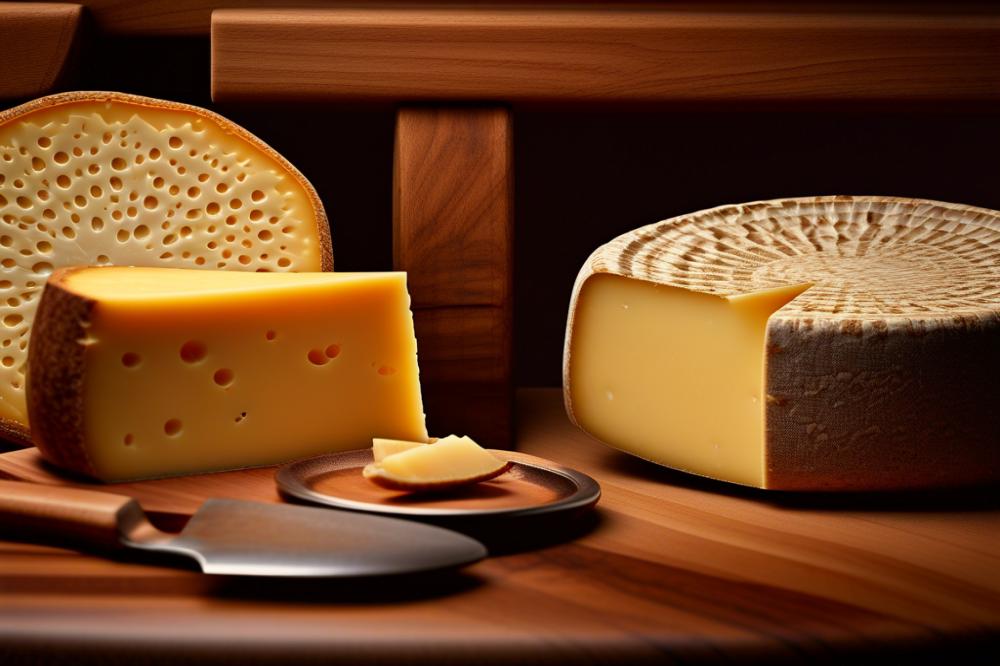
In Sardinia, cheese serving is part of everyday life. Locals often enjoy it with rustic bread, making a delightful pairing. Eating customs include sharing small plates with family and friends, creating a sense of togetherness. The cheese is typically served at room temperature for the best flavor. Some people take the time to appreciate the intense flavors that arise from the insect larvae. These larvae are known to add a unique texture and taste, although they can be an acquired taste for some.
Recommended Accompaniments for the Cheese
When serving this gourmet cheese, it’s best to include fresh ingredients. Pair it with thinly sliced onions, fresh tomatoes, or ripe olives. A drizzle of olive oil can enhance its flavors even more. Sardinian flatbread, known as pane carasau, complements the dish wonderfully. Some people also enjoy it alongside a glass of local wine, which balances the richness. Complementing this traditional cheese with seasonal fruits can provide a refreshing contrast. Always remember that food safety is important, especially when dealing with fermented foods. Choose accompaniments that elevate the experience without overpowering the unique taste.
Food Safety Considerations
When discussing Casu Marzu, it’s essential to consider food safety regulations. This traditional cheese from Sardinia has a long history, but it comes with some risks. The fermentation process involves live insect larvae, which can be alarming to some. Many countries have strict laws surrounding the sale of cheeses that contain these larvae, raising questions about its legality and safety.
Eating customs vary widely around the world, and fermented foods are a staple in many cultures. However, cheeses with larvae present certain health risks. Consumers must be cautious when enjoying this gourmet cheese. Larvae can cause allergic reactions in some individuals. In rare cases, there can be contamination if the cheese isn’t prepared properly.
To safely enjoy this delicacy, first, make sure to purchase it from a reputable source. Check local regulations where you live. It’s best to consume fresh varieties, as older cheese may harbor unwanted bacteria. A gentle hand when serving is crucial. Experts recommend that you eat the cheese immediately after opening to reduce potential risks.
For those keen on trying this unique delicacy, remember that the larvae should still be alive when served, ideally wriggling. This indicates the cheese is fresh and lively, just like traditional Sardinian customs dictate. Eating should be done with caution. Often, consumers are advised to avoid any pieces that appear overly discolored or have an off smell. Enjoying European cheeses can be a culinary adventure, but health should always come first.
Culinary Uses of Casu Marzu
Ways to Incorporate Casu Marzu into Gourmet Dishes
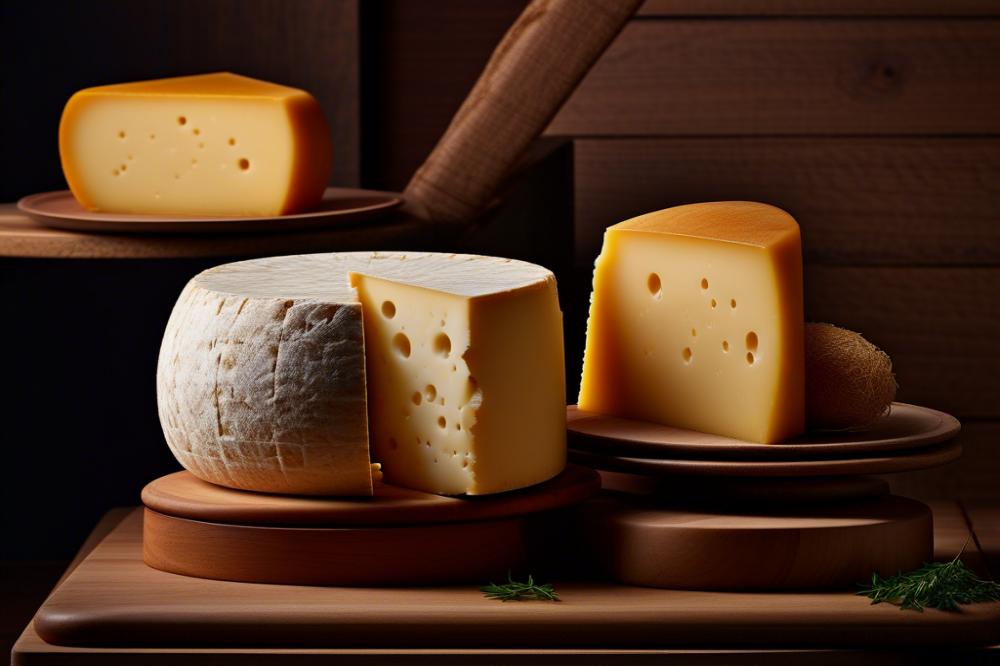
In Sardinia, this cheese is often used in traditional dishes. A popular way to serve it is by spreading it on crusty bread. The softness from the cheese blends well with charcuterie boards. Create a cheese platter featuring this delicacy alongside other European cheeses. It elevates the flavor profile and impresses guests. Some also bake it into pasta dishes, enhancing every bite with its intense flavor.
Pairing with fruits can also be delightful. Consider fresh figs or pears that contrast nicely with the rich texture. Mixing it into sauces or risottos can add depth to these dishes as well. Don’t shy away from experimenting. Add it as a finishing touch to salads. A subtle boost of flavor can radically change a simple dish.
Pairing Recommendations with Wines and Other Foods
Pair this cheese with a bold red wine like a Barolo or Chianti. The tannins in these wines stand up to the richness of the cheese. Alternatively, try a sweet wine like a Moscato, which can balance the savory elements beautifully. Craft beer lovers can opt for a malty brew that complements the sharpness.
Adding olives or pickles on the side brings out its savory notes. Fig jam or honey drizzled over it can create a fantastic contrast. Explore local Sardinian wines that harmonize with this journey of taste. When considering food safety, ensure it is consumed fresh and stored correctly to maintain quality.
Exploring the Fermented Foods Trend
Fermented foods have gained popularity for their health benefits. They boost gut health and may strengthen the immune system. Casu Marzu’s inherent fermentation makes it an intriguing option in this trend. The insect larvae play a role in breaking down fats, adding a unique aspect to its character.
As culinary traditions evolve, this cheese reflects the beauty of ancient methods. Many gourmet chefs include it in their menus, showcasing its distinctiveness. It represents a deep connection to history and place. The rise of adventurous eaters creates opportunities for this niche product. Serve it to those who appreciate bold flavors and culinary experiences. People are increasingly curious about traditional techniques; they are eager to discover foods that tell a story.
Wrapping Up the Casu Marzu Experience
Casu Marzu represents a fascinating link to tradition in Sardinia. This cheese is not just a food; it’s a story and a culture on a plate. Its method of production and intense flavor profile are unlike anything else in the world of cheese. For many, it symbolizes the spirit of local artisans and their commitment to ancient practices.
Consider the act of cheese serving as a celebration. Pair it with a strong red wine or a local bread to heighten its flavors. Each bite reveals layers of history and a hint of rebellion against modern cheesemaking norms. Remember, savoring this delicacy is an adventure worth taking, even if it does unsettle some diners.
Take a moment to enjoy the diversity that traditional cheeses offer. Many cultures have their special varieties, each imbued with distinct flavors and histories. Exploring these options deepens one’s appreciation for culinary arts. It’s not just about the cheese but what it represents—passion, tradition, and community.
As you consider trying this unconventional delicacy, know that you’re participating in a time-honored practice. True enthusiasts look past the controversy and celebrate what makes each cheese special. So go ahead, indulge in the unique offerings from different regions. You just might discover a new favorite.

