
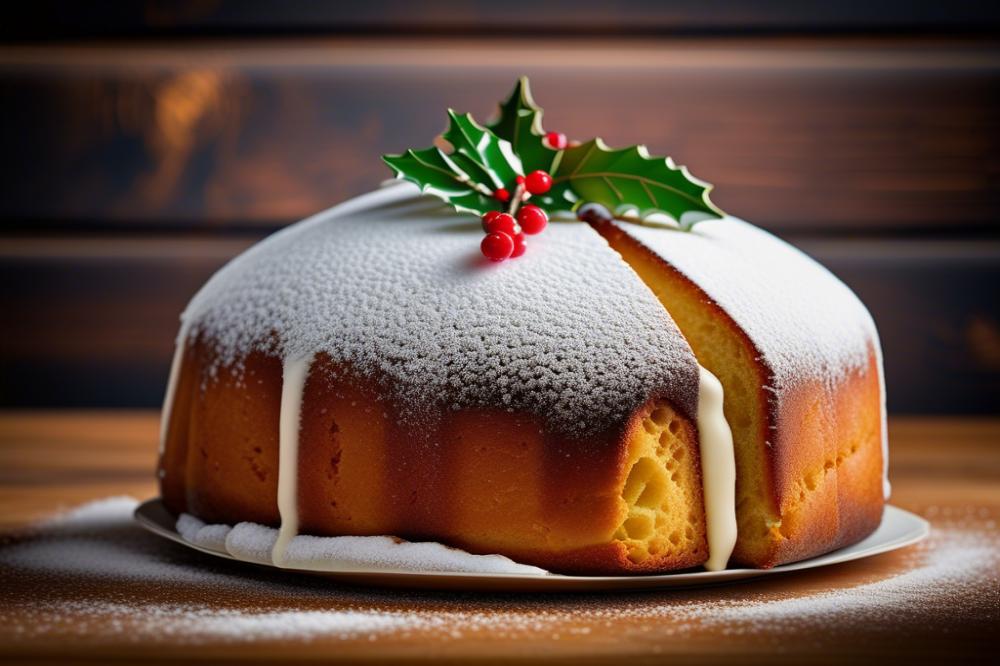
recipe“>Italian Pandoro: A Sweet Christmas Bread recipe
Italian Pandoro is a treasured festive treat that graces many holiday tables. This sweet bread, with its light and airy texture, is known for its delicate flavor and enchanting shape. Originating from Verona, this traditional Italian sweet bread has become a staple during the Christmas season. The name ‘Pandoro’ translates to ‘golden bread’, reflecting its rich, buttery essence.
The significance of this festive bread extends beyond mere taste. It symbolizes joy and togetherness during the holiday season. Families often gather to enjoy Pandoro as a centerpiece of their celebrations, creating memories that last a lifetime. This Christmas Bread is usually dusted with powdered sugar, resembling a snowy landscape that adds to its allure as a holiday dessert.
Baking a Pandoro recipe involves a skillful process that many find rewarding. Yeast is the key ingredient, giving the bread its soft rise. The act of preparing this Italian pastry invites family members to participate, fostering a sense of unity. Sharing this sweet creation during gatherings enhances its role in holiday traditions.
Enjoying a slice of Pandoro with a warm drink ignites the festive spirit. It often accompanies coffee or hot chocolate, making it a beloved choice for breakfast or dessert. As families embrace the custom of baking and sharing this treat, Pandoro transforms the season into an occasion of warmth and love.
What is Italian Pandoro?

Pandoro is a classic sweet bread known for its rich flavor and soft texture. This holiday dessert hails from Verona, a beautiful city in northern Italy. Typically enjoyed during the Christmas season, it features a star-shaped design that makes it appealing for festive gatherings. The dough is made using simple ingredients like flour, sugar, eggs, butter, and yeast, which come together to create a fluffy and airy bread. Its light sweetness is often enhanced with a dusting of powdered sugar, adding to its charm.
The origins of Pandoro date back to the 19th century. Bakers in Verona developed this treat as a response to evolving culinary tastes. Initially, it was intended for special occasions, representing prosperity and joy. Over the years, Pandoro has transformed into a symbol of Christmas celebrations in Italy. Its warm, indulgent flavor has made it a beloved choice among families, often alongside other Italian pastries.
When comparing Pandoro to Panettone, both are popular yeast breads that grace Italian holiday tables. While Panettone is filled with dried fruits and often has a distinct dome shape, Pandoro remains plain, focusing on its buttery richness. The two desserts embody the essence of Italian baking but cater to different taste preferences. Panettone offers a more complex flavor profile due to its mix-ins, while Pandoro highlights simplicity and softness, making it a delightful option for those who prefer a classic sweet bread.
Ingredients for Italian Pandoro

Creating a delightful Pandoro recipe calls for a careful selection of ingredients. Each element contributes to the overall success of this festive sweet bread. Below is a list of essential ingredients along with their significance.
Necessary Ingredients
- Strong flour (bread flour)
- Granulated sugar
- Fresh yeast or active dry yeast
- Salt
- Unsalted butter
- Eggs
- Milk
- Vanilla extract
- Grated citrus zest (typically lemon or orange)
- Powdered sugar (for dusting)
Importance of Each Ingredient
Strong flour is crucial for structure. The protein content in bread flour helps the dough rise beautifully. Granulated sugar enhances flavor and contributes to browning. Yeast is the living organism that causes fermentation, making the bread light and airy. Salt balances flavors and strengthens the dough. Unsalted butter adds richness, while eggs impart moisture and a tender crumb. Milk hydrates the dough and contributes creaminess. Vanilla extract provides aromatic depth, and citrus zest gives a refreshing brightness. Finally, powdered sugar completes the look and taste of this holiday dessert.
Traditional Versus Modern Adaptations
Traditional Italian pastries often focus on classic methods and ingredients. Many families have their cherished recipes passed down through generations. However, modern baking allows for some creativity. Some bakers experiment with different flavors or even incorporate spices like cinnamon or nutmeg. Others may opt for egg substitutes for dietary needs. Gluten-free versions are also gaining popularity. These adaptations maintain the spirit of the recipe but offer variety for today’s tastes and preferences.
Step-by-Step Guide to Baking Italian Pandoro
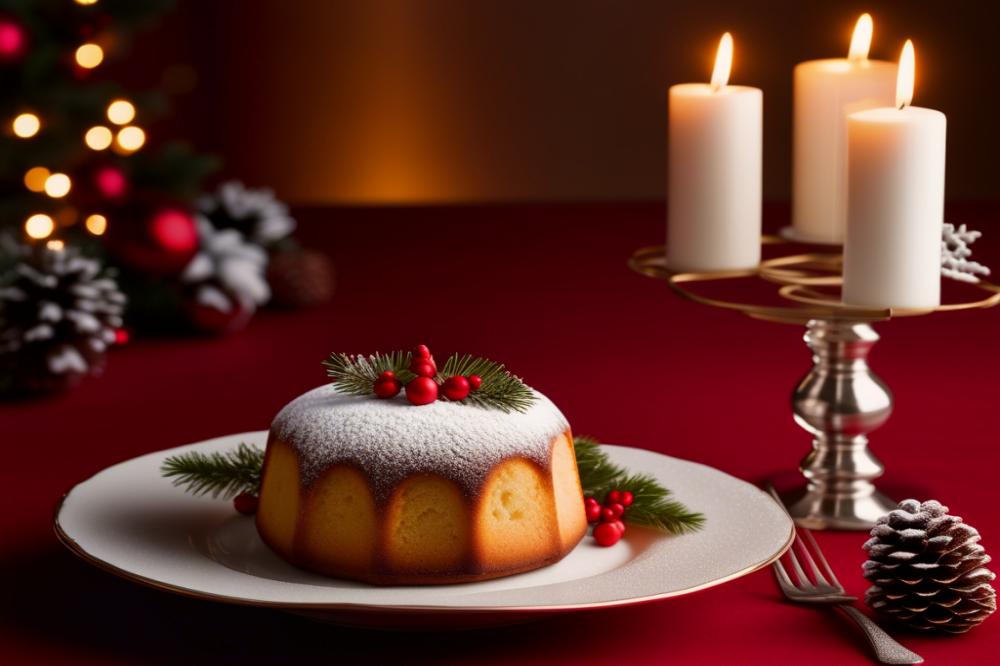
Mixing the ingredients is the initial step in preparing the dough. Begin by combining flour, sugar, eggs, and milk in a large bowl. Add yeast to this mixture once the dry ingredients are incorporated. This process helps activate the yeast, key for a light texture in your sweet bread. Next, incorporate softened butter. Use room temperature butter for best results.
Kneading requires focus. Take the dough and knead it on a floured surface for about ten minutes. The objective is to develop gluten, leading to a chewier texture. Feel free to sprinkle flour to avoid stickiness. After kneading, the dough should be smooth and elastic, a clear sign that you’re on the right track.
Proofing the Yeast Bread
Proofing is equally important as kneading. Place your kneaded dough into a greased bowl, then cover it with a damp cloth. It needs warmth for the yeast to work, so a cozy kitchen corner is ideal. Allow the dough to rise for approximately one to two hours. It should roughly double in size.
After the first rise, punch down the dough gently to release air bubbles. This action activates the flavor further. Shape it into a ball and let it rise again for a shorter period. This second rise will help the Pandoro develop its unique airy structure.
Baking the Pandoro
When it comes to baking, preheat your oven to 350°F (175°C). While the oven heats up, prepare the molds. Molds are essential to creating the classic Pandoro shape. They help in achieving that iconic star form, reminiscent of a holiday dessert. Grease the molds thoroughly to ensure easy removal post-baking.
Once the dough has risen a second time, gently fill the molds. Take care not to overfill; the dough will expand during the baking process. Bake for about 30 to 40 minutes. The aim is a golden crust that radiates warmth and invites everyone to indulge. You’ll know it’s done when it turns beautifully golden brown and tests with a skewer comes out clean.
Cooling and Serving
After baking, remove your Pandoro from the oven. Allow it to cool in the molds for about 15 minutes before transferring them to a wire rack. This release helps maintain the shape. Slicing this traditional Italian bread reveals its airy texture and soft interior. Dust it with powdered sugar for a festive touch. It not only enhances flavor but also provides a merry visual.
Don’t be afraid to explore variations. Adding vanilla extract or citrus zest can elevate the flavor profile. Personalize the recipe according to your taste. As it sits on your table during Christmas baking, this bread will surely become a favorite.
Serving Suggestions and Pairings
Traditional Ways to Serve Italian Pandoro
Pandoro is a delightful sweet bread that captures the essence of festive celebrations. This traditional Italian treat is often dusted generously with powdered sugar before serving. Many families enjoy slicing it into triangular pieces to showcase its beautiful inner layers. It pairs beautifully with a variety of toppings, like whipped cream or a fruit preserve. The subtle flavor of the bread makes it a versatile option for many sweet accompaniments.
Recommended Beverages and Accompaniments
Coffee is a classic choice for pairing with this holiday dessert. A rich espresso can bring out the flavors of the bread wonderfully. For those who prefer something warmer, hot chocolate is a delightful alternative. Mulled wine also complements the festive spirit of the season. Additionally, a light dessert wine can enhance the overall eating experience. When it comes to accompaniments, fresh berries or citrus fruits add a refreshing contrast to the richness of the yeast bread.
Creative Serving Ideas for Festive Gatherings
Consider presenting the Pandoro recipe as a centerpiece for your table. Decorate the serving plate with some seasonal greenery or cinnamon sticks for a rustic touch. Alternatively, use it as a base for a trifle, layering it with custard and fruit to create a stunning and colorful dish. For a more interactive experience, set up a Pandoro station where guests can customize their own slices with toppings like chocolate sauce, nuts, or even gelato. Such creativity can turn this sweet bread into a true highlight of your Christmas baking festivities.
Storing and Preserving Pandoro
Best Practices for Storing Homemade Pandoro
Storing your homemade sweet bread correctly is vital for maintaining its quality. First, allow the Pandoro to cool completely before wrapping. A draft-free area is preferred for this purpose. Use an airtight container or wrap the bread in plastic wrap to keep moisture in. This will help prevent it from becoming stale.
How to Keep It Fresh for Holiday Enjoyment
Freshness is key when it comes to holiday desserts. For optimal taste, try to consume the Pandoro within a few days. If you find that you have a lot left over, consider slicing it into portions. Wrap individual slices and store them. This method makes it easy to grab a piece whenever holiday cravings hit.
Tips for Freezing and Reheating
Freezing is a fantastic option for longer storage. Wrap the Pandoro tightly in aluminum foil or freezer-safe plastic wrap. This protects the texture and flavor during freezing. When you want to enjoy the sweet bread again, simply remove it from the freezer. Thaw it overnight in the refrigerator for the best results.
Reheating can restore some of that fresh-baked charm. Use a warm oven to gently heat it up for a few minutes. This brings back the soft interior and subtly revives its sweetness. Enjoy your slice, topped with powdered sugar or paired with coffee. By following these methods, your traditional Italian treat can shine all season long.
Celebrating the Tradition of Pandoro
Italian Pandoro holds a special place in holiday celebrations. This sweet bread is not just a dessert; it is a symbol of family gatherings and festive joy. Every Christmas, this delightful treat graces tables across Italy and beyond. Its soft, fluffy texture and subtle vanilla flavor make it a favorite among many.
Trying this Pandoro recipe can bring a taste of Italy into your home. Imagine the aroma of freshly baked bread filling your kitchen and the delight on your loved ones’ faces as they enjoy the first slices. Baking this traditional bread allows you to participate in a time-honored custom. It adds a personal touch to your holiday festivities and can be a great way to bond with family.
Exploring more Italian pastries can also enhance your holiday baking experience. From classic tiramisu to festive panettone, each recipe offers a glimpse into the rich culinary heritage of Italy. These delightful treats can add variety to your celebrations and ensure a truly memorable season.
This Christmas, consider making Italian Pandoro a part of your holiday traditions. You will find that it brings not only flavor but also warmth and connection to loved ones. Enjoy the process, and embrace the spirit of the season!

