
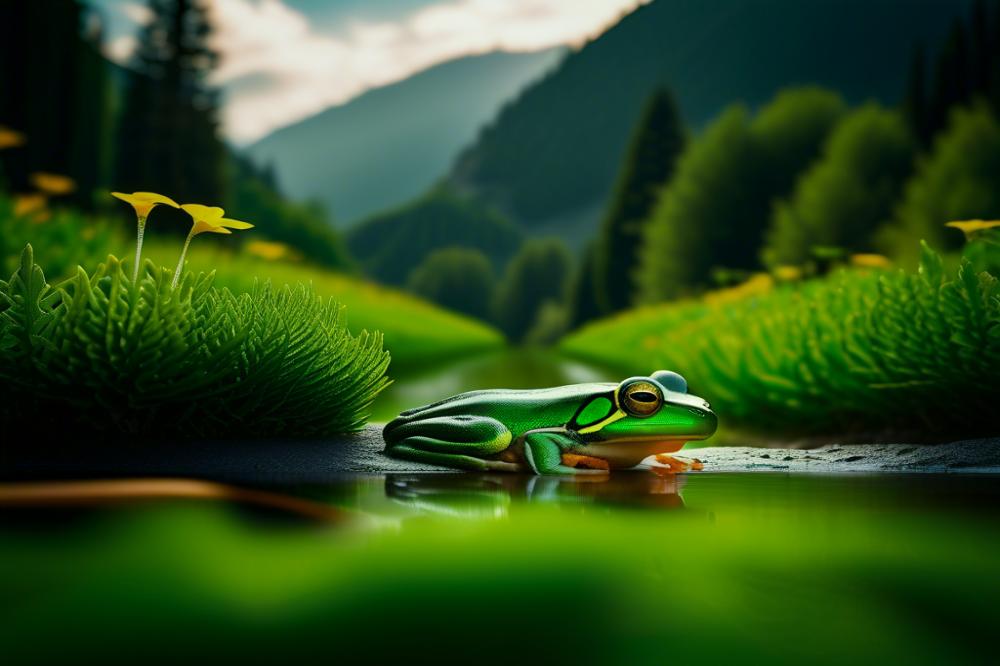
Significance of Italy’s Native Amphibians
Amphibians play a crucial role in preserving the biodiversity of Italy. These extraordinary creatures indicate the health of their ecosystems. From the mountains to the wetlands, they thrive in diverse environments that are essential for their survival. unique habitats support several native species, each adapted to their surroundings.
Wetlands are vital for amphibians, offering abundant resources and suitable breeding grounds. Shrinking marshes and polluted waters threaten these areas. Additionally, Italian forests provide shelter and a rich diet. Insect populations flourish in these shaded realms, making them perfect for hungry amphibians. On the opposite end, the rugged mountains create a harsh yet fascinating habitat. Here, some species have evolved to withstand challenging conditions.
The range of Italy’s amphibian diversity reflects the country’s ecosystem richness. Each species interacts with its environment in specific ways, contributing to the intricate web of life. However, habitat loss poses significant challenges to their survival. Urbanization and agriculture encroach on traditional habitats. These changes can lead to declines in populations, which may ultimately disrupt the balance of local ecosystems.
This article will delve into the various native amphibians of Italy, exploring their distinct ecosystems and the ongoing conservation efforts. Understanding these issues is essential for appreciating Italy’s wildlife. The future of these remarkable creatures relies on our commitment to protecting their unique habitats.
Italy amphibians

Italy is home to various native amphibian species that showcase remarkable adaptations. These animals, including frogs, toads, and salamanders, play essential roles in their ecosystems. Amphibians are unique as they spend part of their life in water and part on land. This dual existence allows them to thrive in diverse habitats, from wetlands to mountainous regions. Most amphibians in Italy are sensitive to changes in their environment, making them indicators of ecosystem health.
Across the country, different species can be found in various locations. The Apennine brown frog, a notable resident of Italy’s forests, illustrates how amphibians adapt to local conditions. In wetlands, species like the common frog contribute to local biodiversity. Salamanders such as the Italian spotted salamander inhabit wooded areas, showcasing their importance in maintaining the balance of these ecosystems. Furthermore, the Italian tree frog can often be heard on warm summer nights, adding to the symphony of wildlife sounds.
Many people have a unique connection to these creatures. Local names often reflect cultural significance or regional traits. For instance, the ‘rospo’ refers to the common toad, and people may share stories about sightings or encounters. Cultural folklore sometimes uses amphibians as symbols. In various parts of Italy, these animals represent transformation and adaptability.
Conservation is critical for preserving Italy’s amphibian diversity. Wetlands are threatened by development and pollution, leading to habitat loss for many amphibians. Efforts to protect these environments can help mitigate the decline of these species. Local communities often engage in initiatives aimed at conserving amphibian habitats, emphasizing the relationship between wildlife and people.
Mountainous regions also offer a refuge for some amphibian species. High-altitude areas provide cool, moist environments that certain frogs prefer. The unique ecosystems found in these mountains contribute to amphibian diversity. Each habitat harbors different species adapted to its specific conditions. Ensuring the preservation of these habitats is vital for the survival of diverse amphibian populations.
Overall, Italy’s native amphibians enrich the wildlife landscape and contribute to the broader ecological picture. Their presence in varied habitats illustrates the country’s biodiversity and the delicate balance of ecosystems. Protecting these creatures is essential not only for the environment but also for future generations to connect with nature.
Unique Habitats of Italy

Several ecosystems in Italy provide essential environments where native amphibians thrive. These habitats include wetlands, forests, and mountainous regions. Each ecosystem plays a significant role in supporting various species and fostering biodiversity.
Wetlands
Wetlands are crucial for many amphibians, serving as spawning grounds and nurseries for their young. They provide abundant water resources, which are vital for reproduction. Many native species lay their eggs in still or slow-moving water to ensure that their larvae have a suitable place to develop. In addition, wetlands act as feeding areas for adult amphibians, offering a rich variety of insects. Unfortunately, habitat loss due to urbanization and agriculture threatens these areas, putting pressure on amphibian populations.
Forests
Forests create a protective environment for amphibians. They offer shelter from predators and harsh weather conditions. Moisture levels are often higher in these ecosystems, which is beneficial for many amphibian species. Leaf litter and decaying wood also provide hiding places and food sources, contributing to the overall health of these ecosystems. conservation efforts are essential to protect forest habitats, as they are under threat from logging and development. Maintaining forest health is crucial for preserving these unique creatures.
Mountains
Mountainous areas have their own distinct ecosystems that promote amphibian diversity. Various elevations create microhabitats where different species can adapt to their environment. Some amphibians have developed unique adaptations to survive in colder climates, such as thicker skin or altered reproductive cycles. The combination of altitude and variable weather patterns fosters a greater range of species. However, climate change poses risks to these mountain habitats, as warming temperatures may alter traditional ranges. Protecting these habitats is vital for the future of Italy’s wildlife.
Biodiversity and Ecosystem Roles

Amphibians play vital roles in Italy’s ecosystems. They are important components of the food web. Many native species serve as both predators and prey. Frogs and salamanders hunt insects, helping control their populations. In turn, these amphibians become food for birds, mammals, and larger reptiles. These interactions help maintain balance in nature.
A significant aspect of amphibians is their role as bioindicators. Their sensitive skin makes them particularly susceptible to environmental changes. When habitats are polluted or altered, amphibian populations may decline. Observing their health can provide insights into the ecosystem’s overall condition. Maintaining diverse amphibian populations is essential for understanding regional environmental health.
Contributions to biodiversity are another crucial function of amphibians. These creatures enhance the richness of Italy’s wildlife through their varied habits and life cycles. Different species occupy a range of habitats, from wetlands to forests and mountains. Habitat loss threatens these unique environments, further affecting overall biodiversity. The diverse lifestyles of amphibians help sustain a multitude of other species. Each amphibian adds to the complex puzzle of ecosystems.
Moreover, amphibian diversity enriches the ecological fabric of Italy. Various species, each with distinct roles, contribute to resilience against environmental shifts. As ecosystems face challenges such as climate change, maintaining this diversity can support stability. Protecting wetlands and natural areas fosters not just amphibians, but broader ecological health. By valuing these unique creatures, Italy can safeguard its rich biodiversity.
Conservation Challenges

Italy’s amphibian populations face several significant threats. Among these, habitat loss and degradation stand out as major concerns. Urbanization affects natural areas by replacing them with buildings, roads, and other structures. As cities expand, wetlands and forests shrink, reducing the space available for native species. Agriculture also plays a crucial role in habitat reduction. When farms spread, they often drain wetlands and change landscapes that are critical for various amphibians.
Pollution introduces another layer of danger. Many amphibians depend on clean water, making their survival linked to water quality. Chemical runoff from agriculture, along with industrial waste, contaminates streams and ponds. This pollution can cause dire health issues for amphibians, leading to lower populations and decreasing biodiversity. Stressed ecosystems have a harder time supporting the life cycles of these creatures.
Furthermore, climate change adds to the challenges faced by amphibians in Italy. Rising temperatures can alter the habitats where these unique species thrive. Many native species are adapted to specific environmental conditions. Changes in weather patterns can disrupt breeding seasons and availability of resources. Frogs and salamanders may struggle to adapt quickly enough to survive in shifting climates.
Despite these threats, numerous conservation efforts are underway. Organizations and governmental bodies strive to protect both amphibians and their habitats. Restoration projects focus on wetlands and forests to revive ecosystems vital for biodiversity. Educational programs raise awareness about the importance of preserving Italy wildlife. Through these initiatives, there is hope for maintaining amphibian diversity along with the ecosystems that support them.
Protecting Our Natural Heritage
Understanding the significance of Italy’s native amphibians is crucial for preserving biodiversity. These creatures play vital roles in their ecosystems, acting as both predator and prey. In doing so, they help maintain a balance that benefits various forms of life. Unique habitats found throughout Italy provide these amphibians with the necessary conditions to thrive. However, many of these environments face threats from pollution, habitat destruction, and climate change.
Awareness is the first step towards conservation. When people learn about these native species, they are more likely to care about protecting them. Education can empower communities to take action, whether through local clean-up efforts or habitat restoration projects. Establishing wildlife reserves can also provide safe spaces for these amphibians. This would allow populations to recover and flourish in their natural environments.
Everyone shares a responsibility to protect these extraordinary animals. Their existence not only enriches the natural world but also supports human interests, such as agriculture and tourism. Anticipating future challenges is essential. By attempting to resolve current issues, we can create a better environment for future generations. The fight for amphibians and their habitats is a fight for our planet’s health and diversity. Together, we can ensure these fascinating creatures continue to exist for years to come.

