
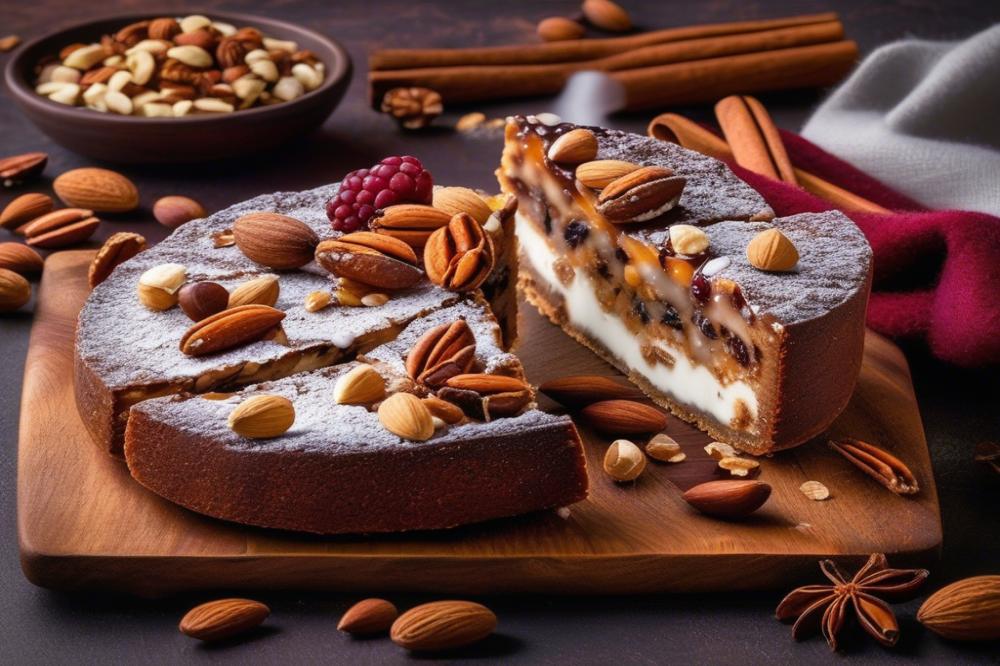
Overview of Panforte as a Classic Italian dessert
Panforte is a delightful Italian dessert that carries a rich and intriguing history. This spiced fruitcake hails from Siena, a beautiful city in Tuscany known for its medieval architecture and vibrant culture. The dessert is more than just a sweet treat; it symbolizes the essence of Sienese tradition, particularly during festive celebrations and holidays.
Each bite of this unique cake is filled with the warmth of its ingredients. A traditional recipe often includes an array of nuts and an assortment of dried fruits. The blend of spices adds a wonderful depth of flavor. Baking Panforte requires careful attention, as the preparation can be both an art and a science. The mixing and melding of flavors transform simple ingredients into a gourmet food experience.
This dessert has found its place in many holiday treats across Italy. It is not just reserved for special occasions but is also enjoyed throughout the year. The history of Panforte is steeped in centuries-old customs, making it a delicious reminder of the past. When people think of festive desserts, Panforte quickly comes to mind. Each slice offers a glimpse into the culinary legacy of Siena, celebrating the region’s love for spirited flavors and cherished traditions.
The History of Panforte
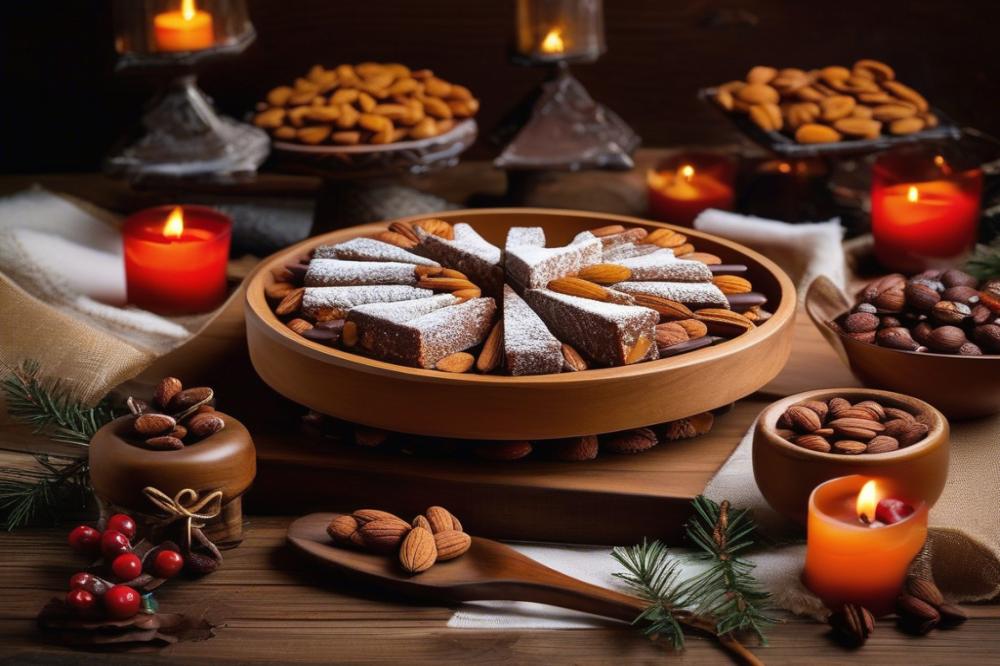
Let’s dive into the rich origins of this delightful Italian dessert, which can be traced back to the picturesque city of Siena. The roots of this spiced fruitcake date back to the Middle Ages, around the 13th century. It was during this time that monks began baking it, using local ingredients. Special occasions and holiday treats often included this sweet delicacy, as it was considered a luxury item. The unique combination of nuts, dried fruits, and spices made it a favorite among nobility.
Over the centuries, the recipe evolved. Each generation added its flair, ensuring that the core elements remained intact. This traditional recipe is still cherished today. Seasonal baking became an important part of Italian culture. During the holidays, families would gather to make this gourmet food, sharing stories and memories of their own adaptations. The history of Panforte is full of local legends and customs that celebrate community and family.
As time passed, this spiced fruitcake spread beyond its hometown of Siena. It became popular across Italy and even in other countries. Each region put its spin on the classic version. Some people prefer a sweeter taste, while others like it with a more intense spice profile. Regardless of the variations, it remains a staple among festive desserts.
The love for Panforte has lasted through the ages. Modern bakeries still produce this delightful treat, using techniques that honor past generations. Enjoying a slice today connects us to a long-standing tradition. It’s not just a dessert; it’s a piece of history served on a plate.
Ingredients and Preparation
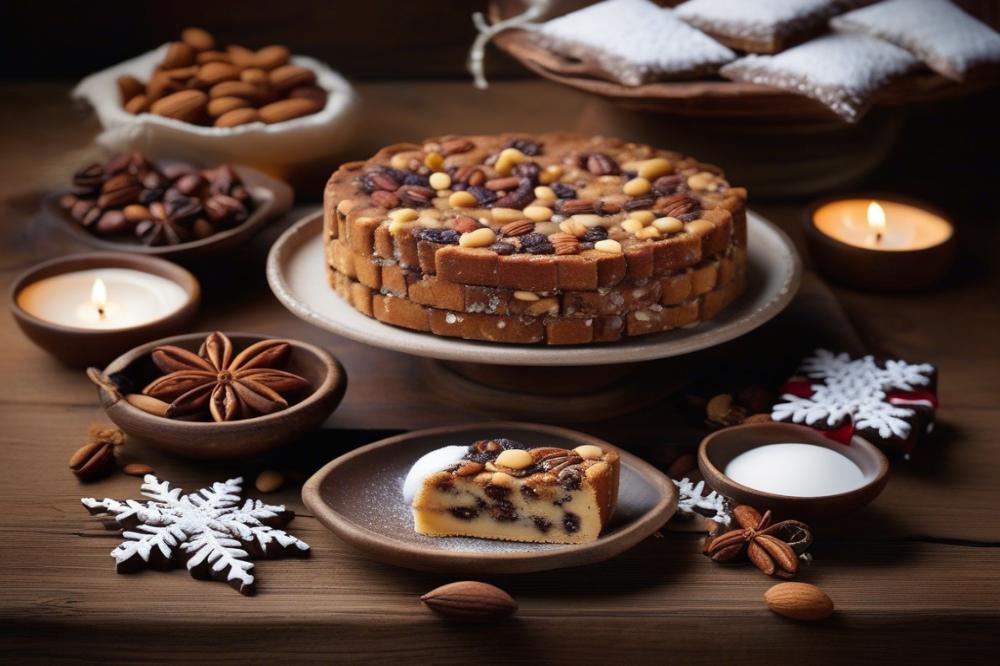
This ancient spiced fruitcake features a delightful mix of nuts, dried fruits, and spices. The heart of this Italian dessert lies in its ingredients. Begin with a selection of nuts, such as almonds, walnuts, and hazelnuts. Each nut adds a distinct flavor and texture. Dried fruits like figs, apricots, and raisins impart natural sweetness. These fruits not only taste good but also provide moisture.
Next, spices play a crucial role in shaping the cake’s profile. Cinnamon, nutmeg, and a hint of black pepper can create a warm, inviting aroma. Some recipes even include cloves or allspice for depth. These spices are key to the traditional recipe and help enhance the panforte’s overall taste.
Steps Involved in Baking
Baking spiced fruitcake is a labor of love. Start by preheating the oven to 350°F (175°C). Prepare a baking pan by lining it with parchment paper and greasing it lightly. In a large bowl, combine the chopped nuts and dried fruits. This mix forms the cake’s base.
In another bowl, melt honey and sugar together until they form a syrup. This step is important. Add in the spices before mixing in the nut and fruit mixture. Pour this blend into your prepared baking pan. Spread it evenly, making sure every bit combines thoroughly.
Once your mixture is in the pan, bake for about 30-40 minutes. Watch as the aroma fills your kitchen. It’s hard to resist waiting! Allow it to cool completely before cutting into pieces. The flavors deepen after resting. Many people serve this cake as a delightful treat during the holidays.
Modern Variations
Today, you might find many variations of the traditional recipe. Some bakers experiment with different types of nuts like pecans or cashews. Others incorporate unusual dried fruits such as cherries or cranberries for a twist. Many modern kitchens also infuse gourmet food elements, like dark chocolate or citrus zest.
Another fun variation is replacing honey with maple syrup for a unique flavor. Alternatively, gluten-free options are becoming popular, allowing more people to enjoy this rich dessert. As such, the spiced fruitcake continues to evolve, finding a place in festive desserts around the world.
Panforte as a Gourmet Food
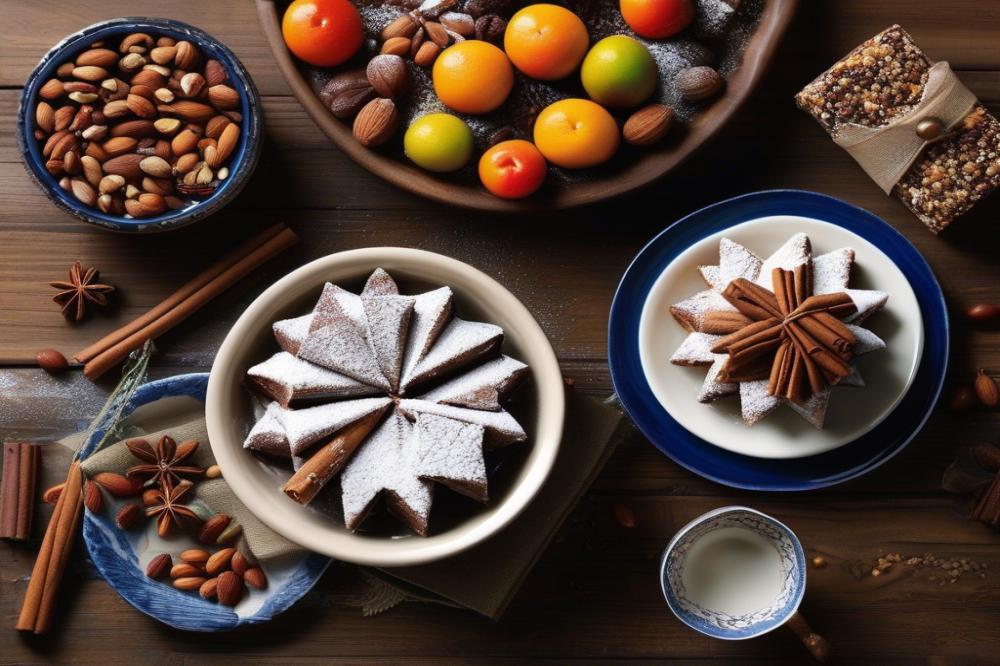
Panforte is much more than just a spiced fruitcake. Its rich flavors and textures set it apart from many other desserts. Each bite combines the warmth of spices with the crunch of nuts and the sweetness of dried fruits. This combination creates a delightful taste experience that few Italian desserts can match.
The traditional recipe has roots that stretch back centuries. Homemade baking often involves secret family techniques handed down through generations. Many who try this creation appreciate its chewy yet firm consistency, making it perfect for sharing during special gatherings.
During the holidays, this treat shines as a festive dessert. Families love to serve it on special occasions, as it brings an air of extravagance. The appeal of such gourmet food highlights a history of Panforte that many find fascinating. It represents centuries of culinary tradition and cultural celebration.
Not only is Panforte visually striking, it is also a robust nod to Italian heritage. Its colorful composition of dried fruits and nuts tells a story of the land. Many consider it a gourmet food because of its complex flavors and use of high-quality ingredients.
This spiced fruitcake often feels like a gift. It warms hearts and delights taste buds, representing the essence of holiday treats. When presented beautifully, it can elevate any gathering into a more memorable occasion. Serve it alongside a cup of coffee or dessert wine for the ultimate dining experience.
Panforte in the Context of Italian Festive Desserts
Italian holiday treats offer a delightful blend of flavors and textures. Among these, one standout is the spiced fruitcake from Siena, known for its rich history and unique blend of ingredients. When compared to classics like panettone and pandoro, this dessert tells a fascinating tale of tradition and taste.
Panettone is famous for its light, airy structure, typically filled with candied fruits and chocolate. It represents the celebration of the season with its towering shape and fluffy texture. On the other hand, pandoro is known for its buttery softness and sweet vanilla flavor, often dusted with powdered sugar. While these two desserts emphasize a lighter, more festive approach, the Siena delicacy embraces a denser, more robust character. A traditional recipe features an array of nuts and dried fruits, all bound together with rich honey and warm spices. This blend makes it a favorite during celebrations.
Serving suggestions can elevate the experience of enjoying this Italian dessert. Pairing slices with espresso or a sweet dessert wine makes for a heavenly combination. Adding a dollop of mascarpone cheese can further enhance the flavors, bringing a creamy texture that balances the sweetness of the fruitcake. For a truly gourmet food presentation, consider placing it on a wooden platter, surrounded by fresh fruits and a selection of cheeses. The contrast of flavors and textures can impress guests at any festive gathering.
If you are looking to delve into the history of Panforte, it is steeped in centuries of tradition, tracing back to the Middle Ages. Originally, it was considered a luxury item, often shared during special occasions. Modern adaptations have maintained the essence while introducing new variations. Today, it continues to be a cherished addition to festive desserts across Italy.
In the world of Italian desserts, this spiced cake holds a special place. It tells a story of celebration, bringing together friends and family around the table. Understanding its role among other holiday treats can deepen one’s appreciation for this ancient delicacy. Whether you are enjoying it straight from the package or dressed up with gourmet pairings, each bite is a taste of history and festivity.
Final Thoughts on an Italian Treasure
Embracing the flavors of a spiced fruitcake means more than just enjoying a delicious treat. This culinary delight from Siena carries a deep history that connects people to their heritage. Making this Italian dessert at home offers a chance to experience a time-honored tradition. Sharing it with friends and family can spark joy and foster connections.
The rich blend of ingredients reveals a story of culture and craftsmanship. With each bite, you taste the passion and dedication of those before us. Attempting a homemade version transforms the experience into something personal and rewarding.
Remember, preserving culinary traditions like this one is important. It allows us to celebrate our roots while bringing people together. So, whether you want to bake it yourself or savor a store-bought variety, give this ancient treat a try. It’s not just food; it’s a piece of history on your plate.

