
Roman Warships in the Mediterranean: Routes and Strategic Importance
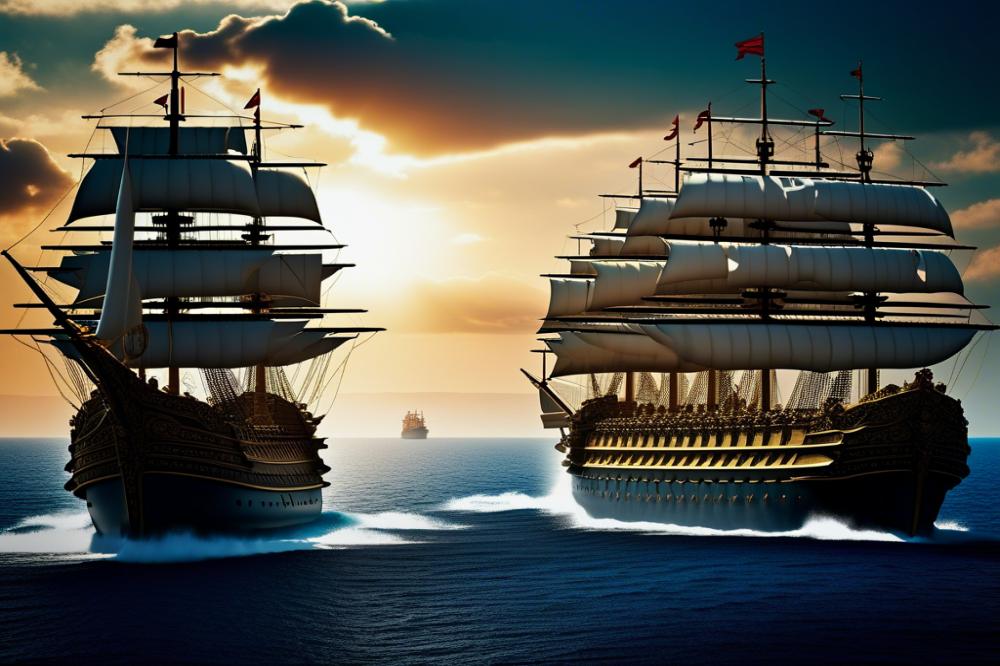
The strength of Roman naval power played a crucial role in the expansion and maintenance of their vast empire. Dominating the Mediterranean Sea, they established control over busy trade routes that were critical for commerce and military endeavors. This influence was not only felt on the shores of Italy but extended all the way to the provinces of North Africa and the coasts of Spain, where naval presence ensured security and prosperity.
For Romans, the Mediterranean was more than just a body of water; it was the lifeblood of their economy. Trade flourished as various goods, like olive oil, wine, and grain, were transported between regions. Ships laden with precious cargo traversed its waters, while enemy vessels sought to disrupt the flow of these vital resources. Therefore, safeguarding maritime interests was paramount for the Roman state.
Roman warships were built for various purposes, ranging from enforcement of trade to naval battles. These vessels were more than mere means of transportation; they symbolized power and authority on the sea. Understanding their significance is crucial for appreciating how Rome maintained its supremacy in a region often contested by other powers.
Engaging with the topic, it is clear that the naval strategy of the Roman Empire shaped both its commercial networks and military operations. The Mediterranean’s strategic importance cannot be overstated. As trade routes grew, so did the necessity for security against pirate threats and rival states. Consequently, Rome’s investment in naval forces laid the groundwork for an empire that would endure for centuries.
As we delve deeper into this subject, we will explore the details of Roman warships, their construction, and the impact of their presence in the Mediterranean. Understanding this dynamic allows us to appreciate the complexities of their naval strategy and the intricate routes that defined their power across the sea. For more insights into the maritime legacy of Rome, be sure to check out #anchor_text_1#. Interested readers should look into #anchor_text_2# for a comprehensive examination of the era.
Historical Background of Roman Naval Power
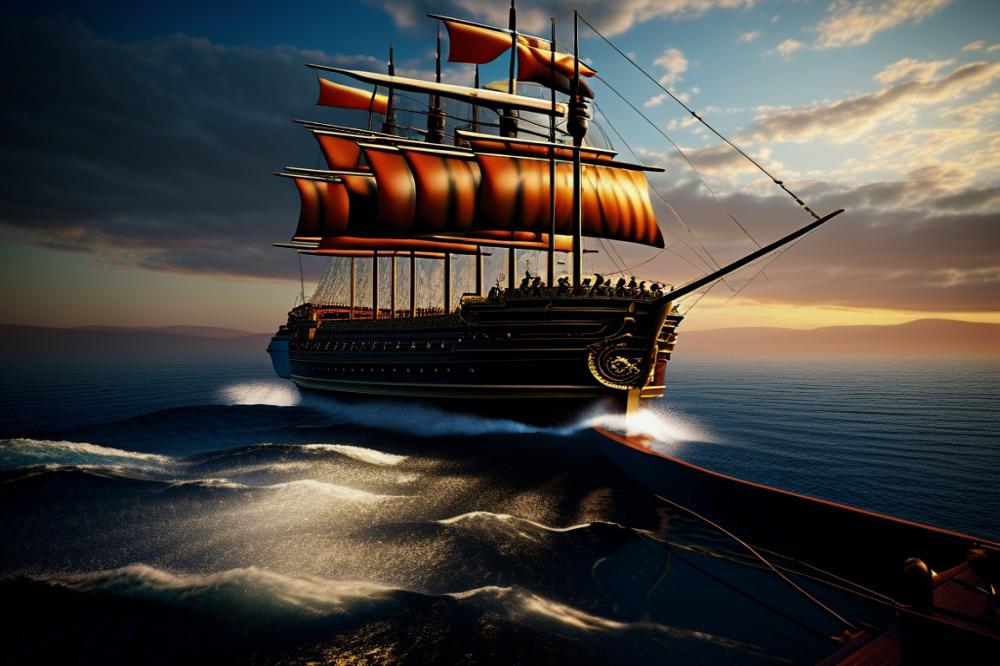
Early Roman ships were simple and basic. Initially, they relied on traditional designs that were common in the region. Roman maritime technology slowly evolved from these humble beginnings. The adoption of techniques from other cultures led to more effective vessels. This transformation aided in expanding their influence across the Mediterranean.
When comparing Rome’s naval capabilities with other ancient powers, it is clear they started in a weaker position. The Carthaginians, for instance, had a powerful fleet and advanced shipbuilding techniques. At first, Rome seemed behind, primarily focused on land warfare and army strength. However, the Romans learned quickly. They studied their rivals and adapted, which allowed them to enhance their capabilities significantly.
Over time, the reliance on allies for naval support shifted. As conflicts escalated, especially during the Punic Wars, Rome recognized the need for a strong navy. Building warships became a priority. A robust naval force was essential to protect trade routes and their interests. The expansion of their fleet reflected their growing power and ambitions. Rome’s transition marked a new era in Mediterranean naval warfare.
Strategically, this growth in naval power changed the dynamics of conflict. The ability to control sea routes opened new avenues for trade and military advantage. With each victory, Roman naval tactics improved, leading to dominance in maritime engagements. They began to view the sea as a vital asset rather than just a barrier. This shift ultimately laid the groundwork for Roman supremacy in the Mediterranean.
Types of Roman Warships
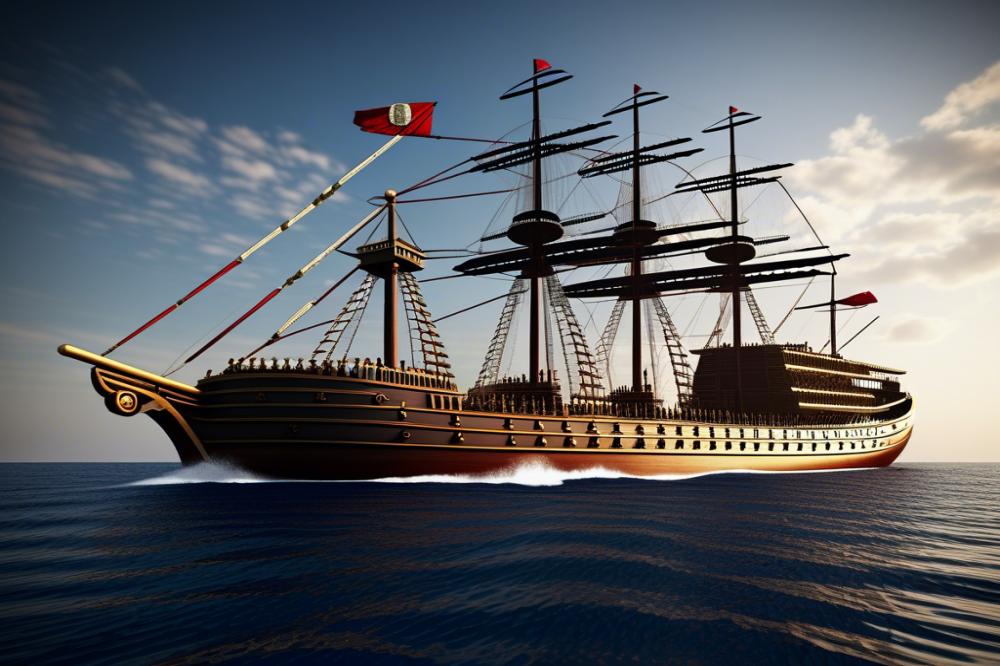
The Mediterranean Sea saw various classes of Roman warships. Each had its purpose and design. The most well-known types are the trireme and quinquereme. These vessels shaped naval battles in ancient history.
Triremes
Triremes were among the fastest ships used by the Romans. These galleys had three rows of oars on each side. This setup allowed for quick maneuvering during combat. Typically, a trireme could hold around 100 men. Their main function was to ram enemy ships and engage in direct confrontations.
Quinqueremes
Quinqueremes were a significant upgrade from triremes. Featuring five rows of oars, they had more power and capacity. Compared to triremes, they could carry additional soldiers and supplies. This made quinqueremes more versatile for longer voyages. Transporting troops and engaging in naval warfare were among their main uses.
Other Vessel Types
Besides triremes and quinqueremes, Rome had other vessel types as well. Smaller ships, such as the liburna, were popular among pirates and fast attacks. These ships were light and agile, perfect for surprise raids. Alternatively, cargo vessels imported goods and luxury items across the Mediterranean.
Technological Innovations
Progress in shipbuilding was vital for Roman naval power. Advances in materials and designs made warships more effective. The introduction of the corvus, a boarding device, changed naval tactics. This device allowed soldiers to board enemy vessels swiftly. The use of reinforced hulls also increased durability during battles.
New approaches to rigging and sails improved speed and handling. Shipbuilders experimented with different shapes, enhancing stability in rough waters. As a result, Roman warships became formidable tools for control over the Mediterranean.
Major Naval Routes in the Mediterranean
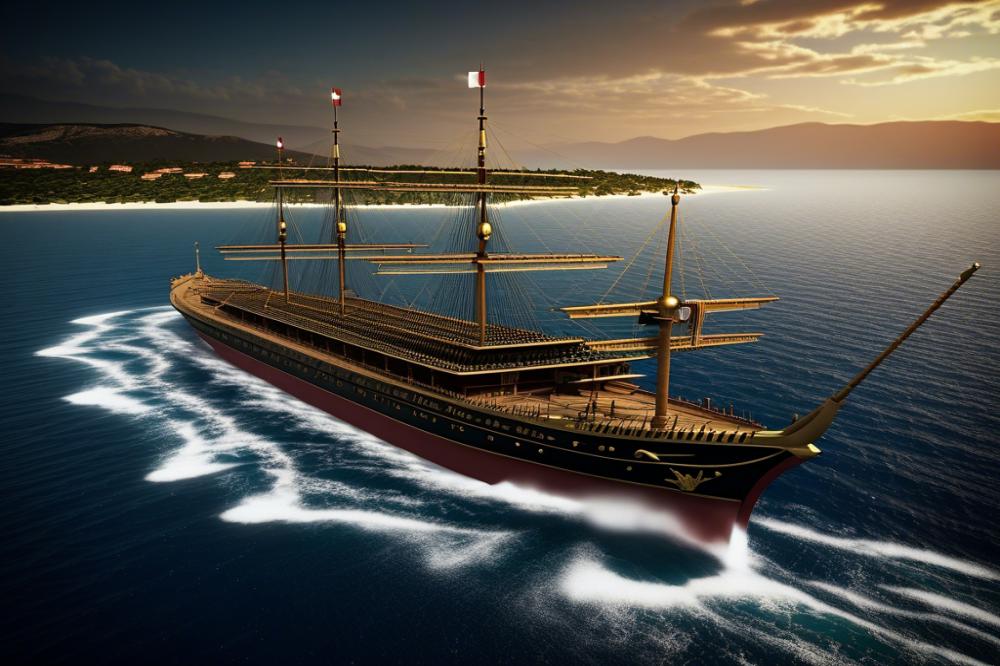
Roman warships navigated key maritime routes across the Mediterranean. The sea served as a vital highway for military and trade activities. Important routes connected major regions, facilitating swift movements. For instance, the route from Italy to North Africa was heavily trafficked. Sailors often traversed this path to reinforce their presence against potential threats.
Strategically, ports and naval bases acted as critical hubs. They provided essential support for Roman fleets. Key locations, like Carthage and Alexandria, emerged as naval strongholds. Control of these sites allowed Rome to plan its maritime operations more effectively. Not only did they serve as safe harbors, but they also housed shipyards and supplies necessary for long voyages.
Controlling sea lanes held significant importance for both trade and military maneuvers. Securing these routes ensured reliable access to resources. Roman vessels carried grain, oil, and other goods that fueled the economy. Military operations benefitted immensely from this control, allowing forces to move seamlessly between territories. Establishing dominance over parts of the Mediterranean meant having the upper hand against rival powers.
In times of conflict, the swift movement of ships was crucial. Warships needed to mobilize rapidly to respond to threats. Challenges like piracy or rival states’ aggression demanded quick reactions. Thus, controlling naval routes not only facilitated commerce but also preserved Rome’s power and stability in the region. The interplay between trade and military readiness became a hallmark of Roman strategy.
Strategic Importance of Roman Warships
Naval power played a crucial role in Roman military campaigns. Warships allowed the Roman Empire to project force across the vast Mediterranean Sea. Command of the seas directly influenced the outcome of battles on land. Ships facilitated rapid troop movements, making logistics much easier for the Roman legions.
The impact of Roman naval strength extended beyond military might. It shaped Mediterranean trade routes, giving Romans an advantage over their rivals. Through the control of shipping lanes, they safeguarded important goods like grain and precious metals. These factors were not just about dominance; they contributed to the overall wealth of the empire.
Establishing supremacy over rival naval powers was vital for Rome. The defeat of Carthage in the Punic Wars showcased this aim clearly. With Carthage’s fall, Rome emerged as the uncontested power of the Mediterranean. This victory allowed them to expand their influence, securing ports and territories that became key in their maritime strategy.
Furthermore, their navy played a significant role in deterring piracy. The Roman Empire’s ships patrolled the waters, ensuring safe passage for merchant vessels. This was essential for maintaining trade networks, which were the lifeblood of the economy. Without control of the seas, trade would have declined, threatening the stability of the empire.
Naval engagements also had a psychological impact on Rome’s rivals. The sight of Roman warships could inspire fear and respect. Other states knew that challenging Rome on the sea could lead to ruin. This reality solidified Rome’s position as a preeminent power in the region.
In summary, the strategic significance of #Roman Warships# cannot be understated. They were instrumental in military, economic, and diplomatic efforts. Their ability to dominate the Mediterranean shaped not just the empire’s growth, but also the future of the region itself.
Case Studies of Notable Naval Engagements
Roman warships played crucial roles in many significant battles across the Mediterranean. The Battle of Mylae in 260 BC stands out as an early example of Roman naval prowess. Engaged against the Carthaginian fleet, Roman ships featured a new invention called the corvus. This was a device that allowed soldiers to board enemy vessels. The Romans used it to great effect, showcasing innovative tactics that shifted the course of naval warfare.
The conflict revealed important lessons for Roman commanders. Precision in navigation became vital. Understanding how to maneuver larger ships in tight spaces was equally critical. As a result, future engagements would focus heavily on training sailors and improving ship design. This battle marked a strategy shift towards using technology to gain advantages over enemies.
The Battle of Ecnomus
Another notable engagement was the Battle of Ecnomus in 256 BC. This epic confrontation featured a massive fleet from both sides. Romans deployed around 330 ships, while Carthaginians had an estimated 350. The waters became a theater of tactical maneuvers. Roman commanders demonstrated effective coordination among their vessels. Diverse formations helped to maximize the strengths of their fleet and exploit enemy weaknesses.
Victory at Ecnomus had far-reaching implications. The Romans gained confidence and momentum in their naval campaign throughout the Mediterranean. The successful outcomes shaped naval doctrine for years to come. They effectively learned that patience and strategy often outweighed sheer numbers. This realization reflected a mature understanding of maritime engagements.
Lessons in Strategy
Naval engagements taught Romans to adapt quickly. Understanding the coastal geography proved essential. Utilizing local knowledge helped ships avoid dangerous waters and ambush tactics. The importance of alliances cannot be overstated either. Cooperation with local powers often provided essential support during critical missions.
Roman naval doctrine began emphasizing surprise attacks. The use of reconnaissance and intelligence gathering became standard practice. Engaging the enemy when least expected turned many battles in their favor. Each encounter contributed to an evolving understanding of naval warfare. Fleet maneuvers became just as significant as ground strategies.
Impact on Roman Naval Doctrine
Over time, lessons learned from battles led to systematic changes. Romans developed training programs for sailors, ensuring crews were well prepared. Shipbuilding techniques improved as well, focusing on speed and durability. Efficient supply lines and logistical support emerged as strategic priorities in naval campaigns.
Furthermore, the outcomes of these battles fostered a culture of innovation. The Romans began to invent new ship designs, enhancing their ability to respond to threats. As a result, they became a dominant force in their maritime environment. Imbued with a spirit of adaptability, the Roman fleet became a cornerstone of their military success.
Final Thoughts on Roman Naval Power
The strategic significance of Roman warships extended far beyond mere combat capabilities. These vessels played a crucial role in securing trade routes and projecting military strength across the Mediterranean Sea. By dominating vital waterways, the Romans could control commerce and enhance their influence. They were able to transport troops quickly, respond to threats, and assert dominance over rival powers.
Reflecting on the legacy of Roman naval power, we can see its profound impact on subsequent maritime practices. Innovations in ship design and naval tactics laid groundwork for future civilizations. Many modern naval strategies trace their roots back to the principles established by Roman commanders. Over time, this evolution has shaped how nations approach sea power today.
Looking at the broader picture, the techniques and strategies developed during this era served as a template for later naval conflicts. The Romans understood that a strong navy could turn the tide in warfare. As such, their practices influenced not only warfare but also trade and diplomacy. The echoes of their maritime achievements continue to resonate, reminding us of the importance of naval strength in shaping history.
In conclusion, the trajectory of naval warfare has evolved significantly since the Roman era. However, their unmatched capabilities during this time left an indelible mark. Today, as we navigate complex geopolitical waters, it is worth considering the lessons learned from those ancient warships. Their prowess was not just about ships and battles but also about the enduring legacy they forged in maritime history. The Mediterranean remains a testament to their impact, where ancient strategies still inform modern naval practices, keeping the spirit of #anchor_text_3# and #anchor_text_4# alive.

