
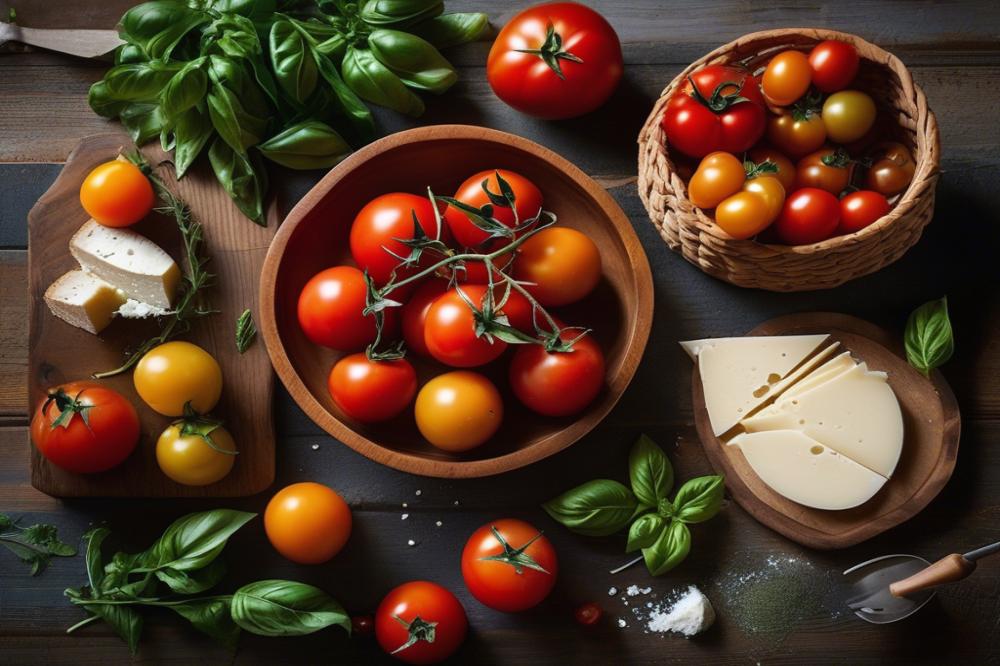
Discovering the Heart of Rome Through Food
Rome is a city that draws tourists from around the globe. Each year, millions flock to its ancient streets, breathtaking architecture, and rich history. However, one of the most compelling attractions lies in its food culture. Food in Rome isn’t just about nourishment; it’s a celebration of tradition and community. Visitors quickly realize that Italian cooking goes beyond pizza and gelato. It embodies a deeper connection to the land, family, and local customs.
Roman Cuisine is a vibrant example of this culinary heritage. Known for its hearty flavors and simple ingredients, it holds an important place within the broader spectrum of Italian gastronomy. Dishes like pasta alla carbonara and cacio e pepe exemplify the clever use of basic ingredients that create something truly delightful. These traditional recipes have been passed down through generations, making them an essential part of Roman identity.
How can one truly appreciate this food culture? A Cooking Class offers a unique opportunity. Engaging in a culinary workshop allows participants to learn firsthand about pasta making, sauces, and other cooking techniques that define Roman food. This hands-on experience not only teaches useful skills but also fosters a connection with the local community. With expert chefs guiding the way, you can explore the flavors of Rome while creating memories that last a lifetime. Embrace this chance to dive into the world of Roman Cuisine, and let each bite take you closer to the heart of this incredible city.
Discovering Roman Cuisine
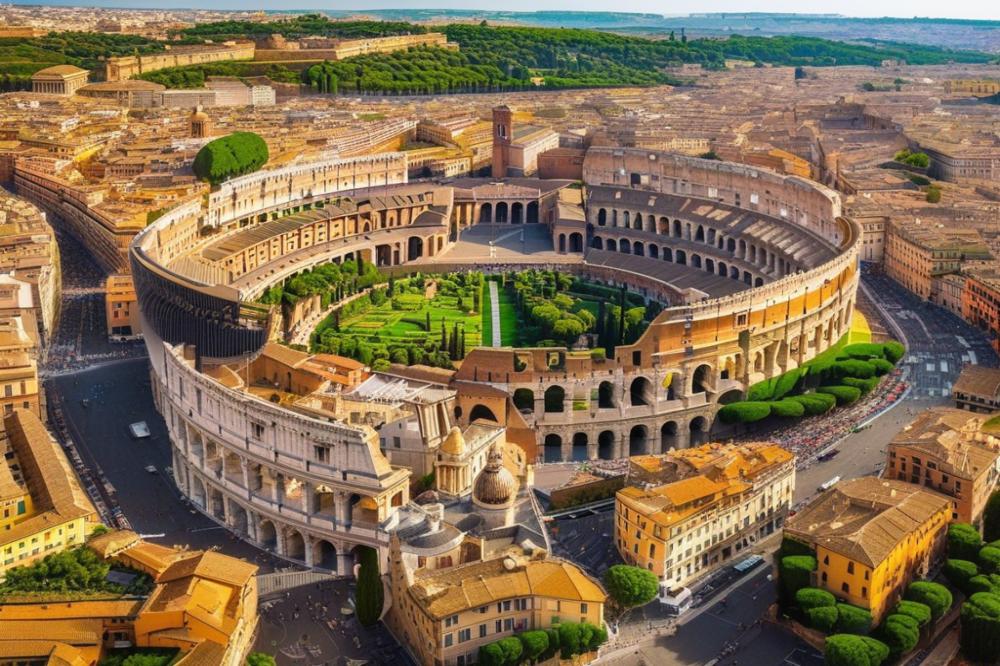
Roman cuisine is a reflection of the history and culture of the Eternal City. Traditional recipes have roots that date back to ancient times. Dishes often emphasize the simplicity of fresh ingredients, showcasing flavors that resonate with locals and tourists alike.
Common ingredients used in Roman food include guanciale, a type of cured meat made from pork cheek, and pecorino Romano cheese. Other staples are artichokes, beans, and various types of pasta. These components combine to create dishes that are both hearty and satisfying.
In this culinary workshop, participants will learn the art of pasta making, an integral part of Italian cooking. Techniques such as rolling, cutting, and shaping pasta reveal the careful attention to detail that defines the cuisine. Unlike other regions of Italy, Roman gastronomy often employs fewer ingredients, letting each one shine in its own way.
Traditional recipes like carbonara and cacio e pepe emphasize the balance between richness and simplicity. Such dishes are not only delicious but also tell stories of the city’s past. Understanding this food culture is crucial for preserving culinary heritage, as it connects generations through shared meals and recipes.
Learning these cooking techniques can provide a hands-on experience that is both educational and fun. Many find joy in mastering the flavors of Roman cuisine. Engaging in such practices promotes a deeper appreciation for the cultural significance of food. Embracing this tradition allows us to preserve the essence of a cuisine that has influenced Italian cooking for centuries.
The Benefits of Taking a Cooking Class
Joining a culinary workshop offers numerous advantages. Through these classes, participants immerse themselves in the art of Italian cooking, learning skills that extend beyond mere recipe following.
Hands-on experience plays a key role in this learning process. Students roll dough for pasta making, sauté vegetables, and prepare traditional recipes under the guidance of expert chefs. This practical approach helps solidify cooking techniques that might otherwise seem daunting.
Social interaction also enhances the experience. Meeting locals and fellow tourists creates a vibrant community atmosphere. Conversations over simmering sauces and floured countertops can lead to lifelong friendships. Sharing food stories brings an added layer of enjoyment to the process.
Engaging with food culture enriches understanding of Roman food and its historical roots. Participants develop an enhanced appreciation for the intricacies of Italian gastronomy. Discovering the stories behind each dish fosters a deeper connection to the cuisine.
Each cooking class serves as a form of cuisine education. Students leave not just with new recipes but also with insight into the traditions that shape them. This knowledge brings home the true spirit of Italy and its culinary practices.
What to Expect in a Roman Cooking Class
Participating in a cooking class is an engaging way to dive into Italian cooking. Each session typically spans a few hours, allowing plenty of time to learn and create. Often, a class begins with introductions and an overview of the dishes that will be made. Participants usually split into small groups to maximize hands-on experience.
Pasta making is a highlight in these culinary workshops. Students might knead the dough, roll it out, and cut it into various shapes. Learning to prepare classic sauces is also essential. Recipes for traditional Roman meals, such as Cacio e Pepe and Amatriciana, are often shared. These dishes not only represent the region but also showcase the simplicity and flavor of local ingredients.
The cooking techniques taught in these classes reflect the true essence of Roman food culture. Attendees might use methods like sautéing, simmering, and roasting. Common tools, such as rolling pins and pasta machines, are introduced. Understanding how to use these tools effectively is key to mastering the dishes.
Most cooking classes also cater to dietary needs. Vegetarian or gluten-free options might be available, allowing everyone to enjoy the experience. Instructors often encourage participants to customize their dishes, promoting creativity with flavors and ingredients. This adds a personal touch and encourages exploration within the framework of traditional recipes.
Choosing the Right Cooking Class
Finding a reputable cooking class in Rome requires some research. Start by looking for schools that have good online ratings. Many class providers offer details on their websites, showcasing the types of dishes you will learn. Focus on reviews that mention experienced instructors and the quality of the ingredients used. Authentic Italian cooking should emphasize fresh, local produce.
Group vs. Private Sessions
When considering classes, weigh the benefits of group sessions against private ones. Group classes often create a fun, social atmosphere. They allow you to meet new people and share the cooking journey together. In contrast, private sessions provide personalized attention. You can hone in on specific skills, such as pasta making or mastering classic Roman food. Choose the format that matches your learning style and comfort level.
Popular Cooking Schools
Some well-known cooking schools in Rome offer diverse culinary workshops. Many feature hands-on experiences with traditional recipes passed down through generations. Schools like the Culinary Institute of Florence and Cooking Classes in Rome are frequently recommended. Their instructors often have backgrounds in professional kitchens, which enriches the learning experience. Alumni testimonials highlight the effectiveness of classes. Skills in cooking techniques or enhancing one’s food culture knowledge can be gained through these programs.
Considerations When Choosing a Class
Location can play a significant role in your decision. Classes located in busy tourist areas might be more accessible, but they may come at a higher price. Assessing your budget is essential. Prices vary widely based on class length and the level of instruction provided. Furthermore, consider your own experience level. A beginner might prefer a class that covers the basics of Italian cuisine education, while a more advanced cook may seek challenges.
Final Thoughts on Cooking Classes in Rome
Learning the art of Italian cooking while visiting Rome is an experience that transcends a typical vacation. Travelers have the chance to dive into a world rich in flavors and traditions. The significance of undertaking this culinary journey cannot be overstated. Those who take the time to immerse themselves in local cuisine often return home with fond memories and new skills.
Engaging with Rome’s vibrant food culture through cooking classes provides a window into the heart of Italian life. Participants learn more than just recipes; they gain insights into the stories behind each dish. A pasta making class, for instance, highlights both creativity and technique. These experiences deepen connections to the local community and foster appreciation for the culinary arts.
Moreover, these cooking classes leave a lasting impact on visitors. They not only acquire cooking skills but also a nostalgic connection to the flavors of Rome. Each meal prepared becomes a reminder of the beautiful moments spent in the city. This journey into the world of food enriches travelers in surprising ways.
Remember, the next time you find yourself in Rome, consider stepping into a kitchen. It might just change the way you view food and culture forever. Exploring Roman flavors through cooking can transform a simple trip into a memorable adventure. Embrace the opportunity to learn from local chefs, and you might discover a new passion for the culinary arts.

