
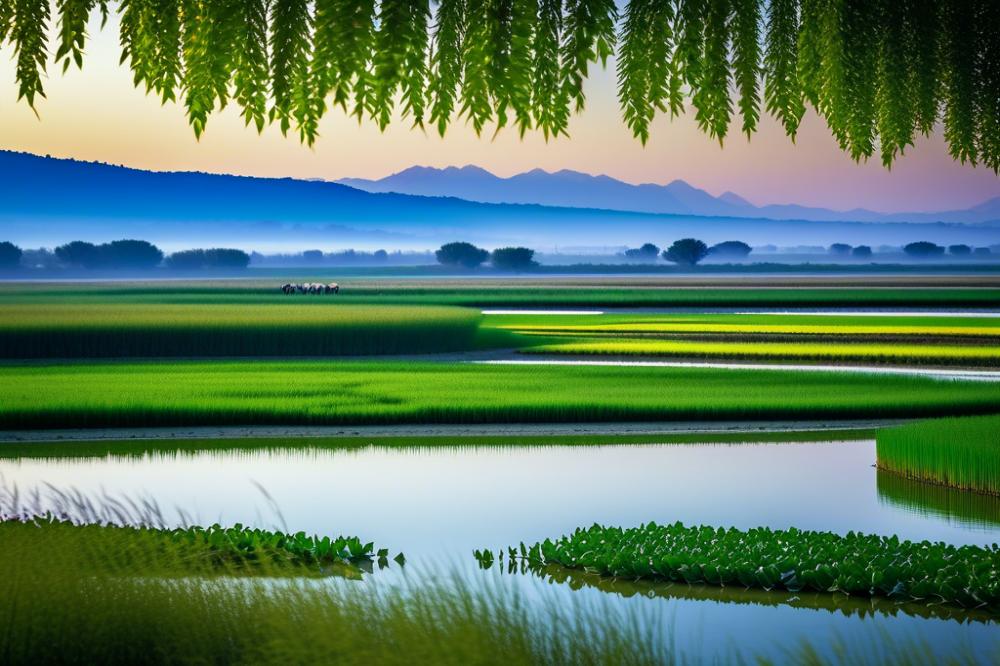
Overview of the Italy-s-limestone-cliffs-and-caves”>Po River Delta
The Italy-s-limestone-cliffs-and-caves”>Po River Delta, located in northern Italy, serves as a vital ecological zone. This area is rich in wetlands, which play a crucial role in sustaining the diverse wildlife found in the region. wetlands act as natural filters, purifying water and providing important habitats for many species. They are areas where water meets land, creating a unique environment that supports various forms of life.
Importance of Wetlands and Biodiversity

Wetlands are indispensable for maintaining biodiversity. These ecosystems harbor a wide array of plants and animals, many of which are not found elsewhere. By supporting such diversity, wetlands contribute significantly to nature conservation efforts. They act as nurseries for fish and breeding grounds for many animal species. Protecting these areas is essential for ensuring the survival of countless organisms that depend on them.
Avifauna and Migratory Patterns

The birdlife of this region is particularly noteworthy, with numerous migratory birds passing through. Each year, countless species travel great distances to reach these wetlands. Their journeys are guided by instinct and environmental cues, making the Po River Delta an important stopover point. Observing these migratory patterns offers insights into the health of ecosystems. Birdwatching has become a popular activity here, attracting nature enthusiasts eager to witness this spectacle.
Exploring the avifauna of the delta reveals a network of habitats that support various bird species. From marshes to reed beds, each area attracts different birds. This richness enhances the ecological value of the delta, emphasizing the need for environmental protection. Understanding and appreciating these patterns can foster a deeper connection to nature.
The Po River Delta: A Unique Habitat

Geographical features of the Po River Delta
The Po River Delta is situated in Italy, where the Po River meets the Adriatic Sea. This area is characterized by its intricate network of channels, islands, and lagoons. These geographical features create a patchwork of landscapes, offering diverse environments for a wide variety of species. Sandbanks and mudflats appear at low tide, providing essential feeding grounds. The flat terrain allows for easy movement of water, fostering rich ecosystems. This delta region plays a crucial role in the surrounding ecology.
Types of wetlands within the delta
Wetlands are abundant throughout the delta, including marshes and brackish waters. These ecosystems support a rich tapestry of life, from fish to invertebrates. Seasonal changes affect water levels, creating different habitats over time. Some areas remain flooded while others dry up, promoting varied plant growth. This dynamic environment encourages a high level of biodiversity. Additionally, the presence of reeds, sedges, and other vegetation creates shelter and nesting opportunities for birds.
Impact of this habitat on local bird species
The unique ecosystem of the Po River Delta is a haven for migratory birds. Thousands travel here each year, drawn by the plentiful food sources and safe nesting sites. Birds such as herons and egrets thrive in the wetlands. Their populations depend on the delicate balance of these habitats. Nature conservation efforts target this area to protect its avifauna, highlighting the importance of ecology and environmental protection. Birdwatching opportunities abound, attracting enthusiasts eager to observe various species. The delta’s rich habitats support a wide range of local and migratory birds, contributing to Italy’s ecological wealth.
Diversity of birdlife in the Po River Delta

The Po River Delta is a remarkable area for birdlife in Italy. A wide variety of resident bird species thrive in its rich wetlands. These habitats support species like the great egret and the marsh harrier. Often, birdwatchers visit to view these stunning creatures year-round. Their presence adds to the area’s biodiversity, showcasing the complex relationships in local ecology.
Migratory birds also flock to the delta during their seasonal travels. Each year, flocks of ducks and waders stop in this vital stopover. Species such as the black-tailed godwit and the Eurasian spoonbill can be spotted during migration. These birds rely on the delta for food and rest, demonstrating its importance in their long journeys. The diverse habitats provide the necessary resources for many of these travelers.
Breeding and Nesting
The delta plays a crucial role in breeding for several species. It serves as a safe haven for numerous waterbirds to lay their eggs. Species like the common tern and the little bittern find suitable nesting spots among the reeds. Environmental protection efforts support not only these breeding grounds but also the overall health of the ecosystem. Nature conservation initiatives are vital for maintaining this balance.
Overall, understanding the birdlife in this region highlights the significance of conserving these wetlands. They are not just a home for birds but a critical point in their lifecycle. The Po River Delta offers a unique opportunity for everyone who appreciates nature and the beauty of avifauna.
Ecological Importance and Biodiversity
Role of the Po River Delta in supporting ecological balance
The Po River Delta serves as a critical ecological zone in Italy. This area plays a significant part in maintaining ecological balance. It hosts wetlands that act as natural filters, improving water quality. Additionally, these wetlands support diverse plant life that provides food and shelter for various species. In this habitat, numerous organisms interact in complex ways, helping to sustain the ecosystem. Wetlands are crucial for managing floods and storing excess rainwater. They also help protect the shoreline from erosion, ensuring a stable environment.
Biodiversity metrics in relation to global standards
Italy’s Po River Delta boasts impressive biodiversity metrics. More than 300 bird species have been recorded in this region, which aligns with global conservation benchmarks. These metrics reflect a healthy avifauna, showcasing a variety of habitats found within the delta. Wet meadows, reed beds, and marshlands all contribute to this richness. Birdwatching enthusiasts flock to the delta to witness many migratory birds each year. Compared to other regions, this area remains vital for many species’ life cycles, offering essential breeding grounds and feeding locations.
Key species and their ecological roles
Several key species inhabit the delta and fulfill important ecological roles. The Eurasian spoonbill is one notable bird, known for its unique feeding habits. This species helps control fish populations by foraging in shallow waters. Another important resident is the little bittern, which thrives in dense reeds and relies on stealth to capture prey. It plays a critical part in maintaining the balance of smaller fish and amphibian populations. The presence of these birds signals the health of their habitats. By observing avifauna, researchers gain insights into the overall ecosystem. Conservation efforts focus on protecting these species and their environments. Doing so helps sustain biodiversity and promotes better nature conservation practices throughout the region.
Birdwatching in the Po River Delta
Best Locations for Birdwatching within the Delta
The Po River Delta features several prime spots ideal for birdwatching. One of the most popular is the Comacchio marshes. This area presents a range of habitats, including reed beds and shallow lagoons. Birdwatchers often flock to this site in search of herons and various waterbirds. Another noteworthy location is the Sacca di Goro. This estuary hosts numerous bird species, drawing nature enthusiasts year-round. Coastal wetlands provide home to many migratory birds. Observing them here can be an unforgettable experience.
Popular Seasons for Birdwatching and What to Expect
Spring and autumn are the best seasons for birdwatching in this region. During spring, many migratory birds return from their winter habitats. Expect to see vibrant colors and hear various calls as the birds establish their territories. Autumn, on the other hand, brings a spectacle of migration. Many species stop here to rest before heading south. In winter, finding waterfowl becomes easier, as they gather in large numbers. The wetlands provide a perfect refuge for them.
Tips for Birdwatchers to Maximize Their Experience
To enhance your birdwatching experience, bring a good pair of binoculars. A field guide to local birds can help in identifying various species. Patience is key. Birds often take time to appear, especially in busy areas. Arriving early in the morning allows for quiet observation. Choose locations that are less disturbed by people. Respect nature conservation efforts to protect important habitats. Dress appropriately for the weather and be prepared for muddy areas, especially in the wetlands. Ethical birdwatching encourages fun and protects the delicate ecology. Enjoy the sights and sounds; they’ll deepen your appreciation for the avifauna that thrives in Italy.
Conservation Efforts and Environmental Protection
Overview of Nature Conservation Initiatives in the Po River Delta
Many initiatives focus on protecting the diverse birdlife in Italy’s Po River Delta. Various organizations work to preserve wetlands that serve as important habitats for countless species. Local governments often collaborate with environmental groups to create protected areas. Such areas are crucial for supporting avifauna, particularly during migration seasons. Birdwatching opportunities thrive in these regions, attracting enthusiasts from around the world. Education programs are being developed to raise awareness about the importance of these ecosystems. Efforts also involve habitat restoration projects to repair damaged landscapes.
Challenges Facing Birdlife and Wetlands
Despite these conservation efforts, numerous challenges remain. Pollution continues to threaten the ecological balance of the delta. Agricultural runoff can lead to toxic conditions, harming both birds and their habitats. Climate change poses another significant risk, altering migratory patterns and food availability. Invasive species can disrupt the native wildlife, further complicating the conservation goals. Human activity also puts pressure on natural areas, leading to habitat loss. Addressing these challenges requires ongoing commitment from various stakeholders in the region.
Importance of Environmental Protection for Sustaining Biodiversity
Environmental protection plays a vital role in maintaining biodiversity. Healthy wetlands support a wide range of wildlife, including migratory birds that rely on these areas for resting and feeding. Protecting these habitats helps ensure that numerous species survive and flourish. Biodiversity is essential for a balanced ecosystem, which benefits everyone. A rich variety of plants and animals contributes to a stable environment. By safeguarding the Po River Delta, we are not only preserving birdlife but also the intricate web of life that depends on it. Every effort counts in the fight against environmental degradation.
Wrapping Up: The Importance of the Delta for Birdlife
The Po River Delta serves as a vital sanctuary for avifauna. Numerous bird species call these wetlands home, making it a crucial stopover during migration periods. Rich in biodiversity, this area supports various habitats. It contributes significantly to the health of our planet. Many birds find food and shelter here, creating a thriving ecosystem.
Action must be taken to protect this environment. Conservation efforts are crucial to maintain the delicate balance of nature. Birdwatchers and nature lovers can play a role in this cause. Practicing responsible birdwatching helps minimize disturbance to wildlife. Respecting the birds and their habitat will ensure future generations can enjoy this natural wonder.
Connections between habitat protection and biodiversity preservation run deep. A healthy ecosystem supports not only birds but also other wildlife and plant species. By protecting such areas, we safeguard the future of various forms of life. Let us remember that every small effort counts. Together, we can preserve the beauty and richness of Italy’s natural landscapes. Taking care of these precious habitats is not just about the birds; it’s about all of us and the world we share.

