
Introduction
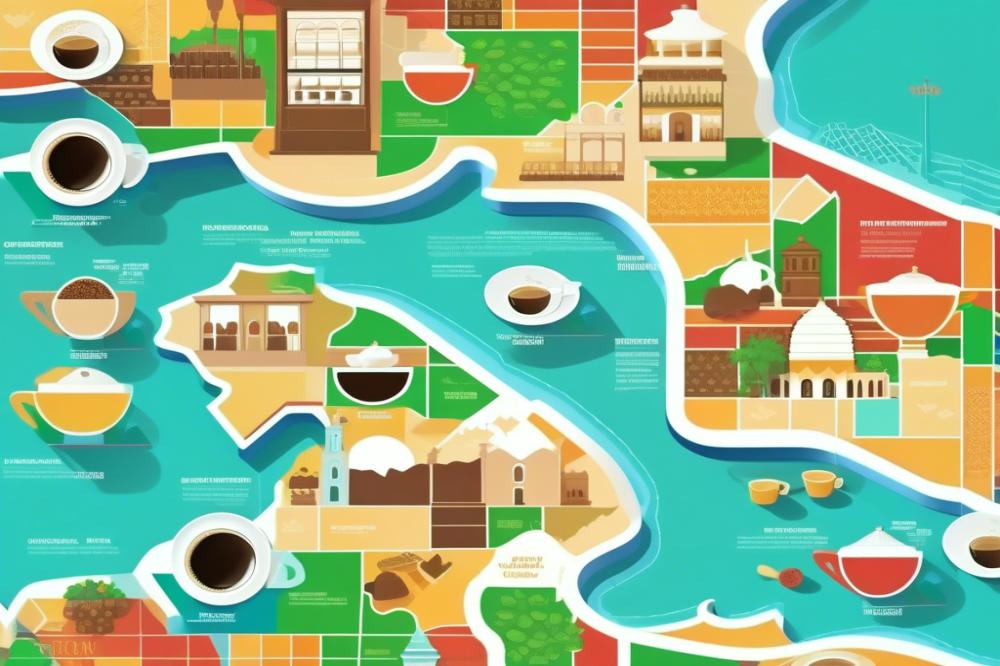
Coffee serves as a cultural staple in Italy, woven into the daily routines of millions. This rich beverage is not merely a drink; it represents a tradition and a way of life. Each region has its own unique coffee preferences and specialties. From the robust espresso of Naples to the frothy cappuccino enjoyed in Milan, the variety reflects local tastes and histories.
Understanding coffee consumption by region provides insight into the complexities of Italian coffee. Different areas of the country exhibit distinct drinking habits, shaped by geography and tradition. Coffee trends vary, influencing how individuals experience this beloved beverage. Local customs also guide the rituals surrounding coffee, contributing to its cultural significance.
The purpose of this article is to map Italy‘s Coffee Culture, highlighting which regions lead in coffee consumption. By exploring these coffee regions, we can appreciate how espresso and other forms of coffee play crucial roles in daily life. The interplay of coffee history and modern preferences tells a story of evolving tastes and cherished rituals.
Join us as we dive into the heart of Italy, examining the nuances of its coffee regions. We aim to uncover not only where coffee is consumed the most but also why these customs matter. Understanding this vibrant culture enriches our appreciation for one of the world’s favorite beverages.
Understanding Coffee Culture
Defining coffee culture involves understanding its deep roots and significance in daily life. In Italy, coffee is more than just a drink; it is a way of life. Each region displays its own coffee preferences, making the experience diverse and rich. This unique cultural aspect spans generations, reflecting both tradition and modern coffee trends.
Historical Context of Coffee in Italy
Italian coffee history began in the 16th century, with the first coffeehouses appearing in Venice. These establishments soon spread throughout the country. They quickly became popular spots for conversation, politics, and socialization. Espresso emerged as a staple, showcasing Italy’s ability to turn a simple bean into an art form. By the 20th century, the iconic espresso machine became a household item, cementing coffee’s role in both homes and cafés across the nation.
The Role of Espresso and Cappuccino in Daily Life
Espresso is king in Italy, often prepared quickly and savored during busy days. Many Italians enjoy their coffee standing at the bar, embracing a fast-paced lifestyle. On the other hand, cappuccino is typically reserved for mornings, symbolizing a comforting start to the day. Understanding these customs is essential for anyone entering Italian coffee culture. Coffee consumption patterns vary by region, highlighting intricate differences in daily habits.
Cultural Significance of Coffee Rituals
Rituals surrounding coffee speak volumes about Italian life. For instance, ordering a coffee comes with its own etiquette. Locals tend to avoid asking for milk-based drinks after 11 a.m. This small detail hints at broader cultural norms. Coffee breaks serve as essential moments of relaxation during hectic schedules. Friends gather to discuss their lives over a cup, marking the drink as a social glue that strengthens bonds.
Moreover, each region boasts its own specialties. In Naples, the robust flavor of coffee captures the essence of its vibrant streets. Milan, with its chic atmosphere, offers a different vibe, focusing on quality and presentation. From north to south, these varying preferences shape not only what Italians drink but how they experience their daily routines.
Regional Coffee Consumption Patterns
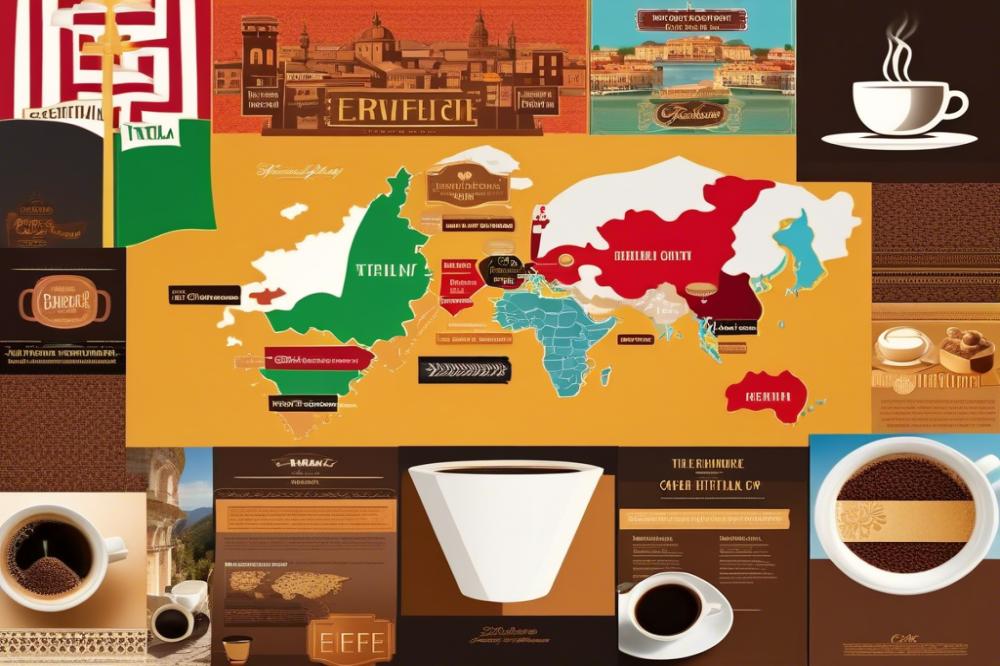
Italy boasts some of the highest coffee consumption rates in the world. Many people indulge in various forms of this beloved beverage daily. Patterns show a clear divide between northern and southern preferences. Northern regions often favor espresso in its purest form, while the south sees a trend towards creamier options like cappuccino. These distinctions reflect the diverse Italian coffee culture.
Overview of Coffee Trends Across Italy
Espresso remains the king of coffee among Italians. Most Italians enjoy their coffee quickly, stopping at bars for a quick shot. Popularity remains high for other preparations too. Locals in different areas have cultivated their coffee rituals, often reflecting their unique regional specialties. Caffeinated beverages become more than just drinks; they are part of daily life.
Identifying Key Regions
When analyzing coffee preferences, two broad areas emerge: the north and the south. In the north, cities like Milan and Turin produce a strong affinity for traditional espresso. Northern Italians typically enjoy drinking their coffee with little added milk. In contrast, the south, especially in Naples, showcases a passion for cappuccino and other milk-based drinks. Vibrant coffee shops here bustle with people sipping their extensive varieties of coffee.
Statistics on Coffee Consumption by Region
Statistics reveal fascinating insights. Northern Italy consumes around 5.5 kilograms of coffee per person annually. Comparatively, southern regions consume approximately 4.7 kilograms per person each year. These numbers highlight a robust coffee culture in cities like Milan compared to Naples. The south, however, makes up for lower consumption rates with a higher frequency of visits to cafes.
Highlighting Regions with the Highest Consumption
Regions such as Lombardy and Lazio lead in coffee consumption. Lombardy, with Milan at the forefront, thrives on its espresso bars. Here, coffee serves as a social lubricant for bustling conversations and lively interactions. Lazio, with Rome as its centerpiece, also exhibits substantial coffee culture. The city’s historic cafes attract both locals and tourists, all eager to experience authentic Italian coffee.
Coffee Preferences and Regional Specialties
Regions in Italy showcase distinct coffee preferences, highlighting local tastes and traditions. Coffee consumption varies significantly across cities and provinces. Each area contributes to a rich tapestry of Italian coffee culture.
Local drinks often reflect the history and customs of the region. For example, in southern Italy, many favor strong espresso, a staple that invites a quick sip during bustling daily life. In contrast, the north may lean towards lighter cappuccinos, often enjoyed leisurely with breakfast.
Regional specialties can shape how locals perceive their daily brew. In Florence, the traditional caffè corretto combines espresso with a splash of liquor, offering a warming kick. Meanwhile, in Naples, the famous Neapolitan coffee, prepared using a unique brewing method, provides a bold and intense flavor profile.
Many areas also have their beloved coffee drinks. In Trieste, a caffè Viennese topped with whipped cream becomes a local favorite. The city blends its Italian roots with Central European influences, demonstrating how geographical factors impact what people drink.
Contrasts arise when comparing Italian coffee with global trends. Internationally, coffee styles like cold brew and flavored lattes gain popularity. These global trends often focus on innovative brewing methods or extravagant toppings, while traditional Italian coffee maintains simpler, classic offerings.
This simplicity underscores Italian coffee’s cultural significance. It celebrates the ritual rather than the frills. Many Italians prefer their coffee unadulterated, preserving the rich flavors and history tied to each cup.
The Impact of Coffee History on Current Trends
Brief history of coffee in Italy
Coffee first arrived in Italy during the 17th century. Initially, it was a drink for the wealthy. By the 18th century, coffee shops started popping up in cities like Venice and Naples. These establishments became social hubs for artists, writers, and intellectuals. The cultivation of coffee made its way into daily life, leading to a rise in coffee consumption across the country. Over time, it became more than just a drink; it turned into a culture of its own.
Evolution of coffee consumption over the decades
The early 20th century saw the introduction of espresso machines. This advancement revolutionized how people enjoyed their coffee. Espresso became the foundation for many Italian coffee drinks. By the 1950s, Italians began to prefer coffee that was quick yet flavorful. The cultural significance of coffee grew, with people visiting cafés more frequently. Recent decades have introduced trends like specialty coffees and alternative brewing methods. This reflects changing coffee preferences among younger generations.
Influence of Italian coffee history on modern coffee trends
Traditions from the past continue to shape how Italians consume coffee today. For instance, the morning ritual of a quick espresso remains popular. On the other hand, newer drinks like cappuccino have found favor at all hours of the day. Italian coffee has gained global popularity as well. This comes from the seamless blending of time-honored practices with contemporary tastes. Regional specialties, such as Neapolitan-style coffee, add diversity to the landscape.
Cultural rituals and their roots in history
Coffee drinking in Italy involves various customs. For instance, ordering coffee can vary greatly by region. In Milan, locals enjoy their cappuccino only in the morning. In contrast, Sicilians might sip a sweet, creamy coffee at any time. These cultural rituals tie back to Italy’s rich coffee history. Each region boasts its unique styles that have evolved over centuries. Social interaction often accompanies coffee consumption, highlighting its significance in daily life.
Final Thoughts on Italy’s Coffee Regions
Throughout this exploration of Italy’s coffee landscape, we highlighted key regions known for their high coffee consumption. Cities like Naples, Milan, and Rome emerged as hotspots. Each area showcases its own rituals and preferences, shaping distinct coffee experiences.
There is a profound cultural significance surrounding coffee in Italy. It acts as a social lubricant, bringing people together. A morning espresso signifies more than just a drink; it’s a cherished tradition. Friends gather in cafés, exchanging stories and laughter while savoring a cup. The act of drinking coffee often serves as a moment of connection, whether in bustling urban centers or quiet villages.
As we look to the future, changes in consumption patterns are evident. More Italians are experimenting with specialty coffee, which might shift traditional values. Younger generations are diving into coffee culture with a fresh perspective. They explore artisanal brewing methods and sustainable practices. This evolution could lead to a broader appreciation of varied flavors from different regions.
In summary, Italy’s coffee regions not only reflect a rich history but also adapt to modern tastes. Watching coffee culture evolve will be fascinating, as it balances tradition with innovation. The love for coffee continues to thrive, ensuring that its charm endures for years to come.

