

Italian Gelato: A Beloved Dessert
Italian Gelato is more than just a frozen treat; it represents a rich tapestry of history and tradition. Originating from Italy, gelato has become a favorite among dessert lovers around the world. This creamy delight offers not only a taste of nostalgia but also insight into the culinary heritage of Italy. The crafting of gelato involves meticulous recipes and artisanal techniques that distinguish it from other desserts.
The importance of gelato in Italian culture cannot be overstated. Generations have passed down recipes, from simple beginnings to elaborate flavors. Traditional techniques have been refined over the years, enhancing its smooth texture and robust taste. Each scoop tells a story of innovation and regional pride. Various flavors reflect the diverse ingredients found throughout Italy, capturing the essence of its landscapes and local produce.
As gelato has spread beyond Italy, its impact on history-of-neapolitan-pastiera-and-its-easter-traditions”>Global Desserts is undeniable. Many cultures have embraced this sweet sensation, creating their own variations that fuse traditional elements with local flavors. The result is a delightful mix that continues to evolve. Today, you’ll find gelato shops in bustling cities around the globe, each bringing a piece of Italian culinary heritage to their communities. This journey from Italy to the world highlights the beauty of flavors and the joy of frozen desserts.
The History of Italian Gelato
Origins of Gelato in Italy
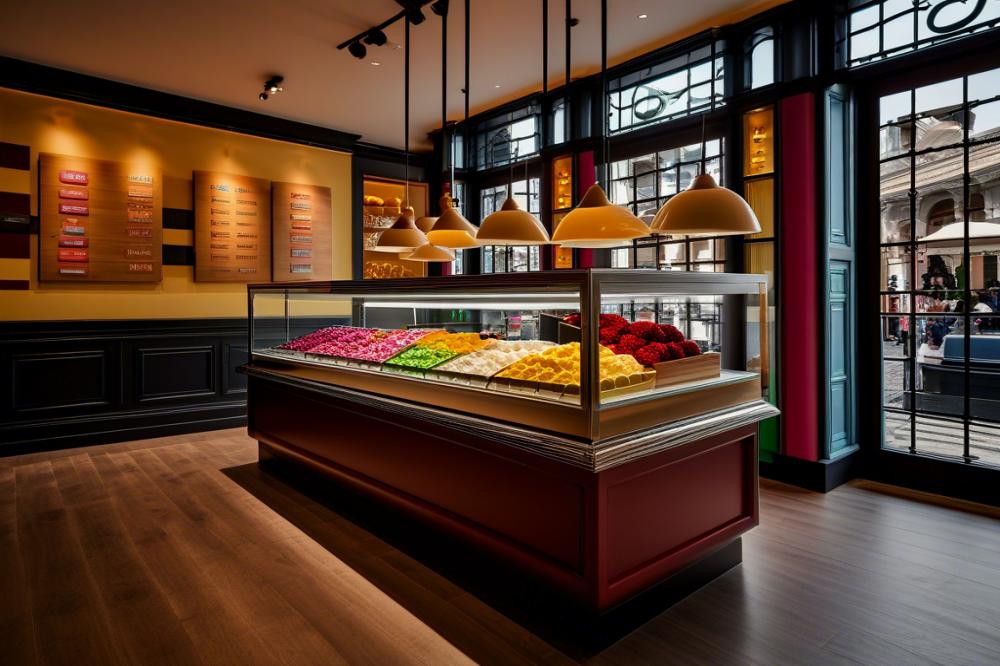
Gelato finds its roots deep in Italy’s rich history. Originally, frozen desserts were made from snow and ice, collected from mountains. These early treats were sweetened with honey or fruit juices. Over time, innovations led to the creation of traditional recipes that still delight us today.
Evolution from Sorbetto and Icy Treats
Sorbetto played a vital role in the development of gelato. Sorbets, made primarily from water and fruit, captured the imagination of many. The shift from icy treats to denser, creamier variations marked a significant turning point. Techniques evolved that introduced milk and cream, leading to the smooth texture we enjoy now.
Key Historical Figures and Their Contributions
Several key figures advanced the craft of gelato. One notable innovator was Francesco Procopio dei Coltelli, who opened the first gelateria in Paris in the 17th century. His recipes laid the groundwork for modern ice cream. A focus on quality and artisanal approaches grew during this time, setting standards that still influence flavors today.
Impact of Regional Variations on Gelato Development
Italy’s diverse regions foster distinct variations in gelato. Each locale brings its culinary heritage into play, resulting in a broader spectrum of flavors. For instance, Sicilian gelato is known for its use of local ingredients, such as pistachios and citrus. Northern regions often highlight richer creaminess alongside intense Chocolate flavors. These regional differences illustrate how gelato is more than just a dessert; it represents cultural identities and traditions.
Traditional Techniques and Recipes
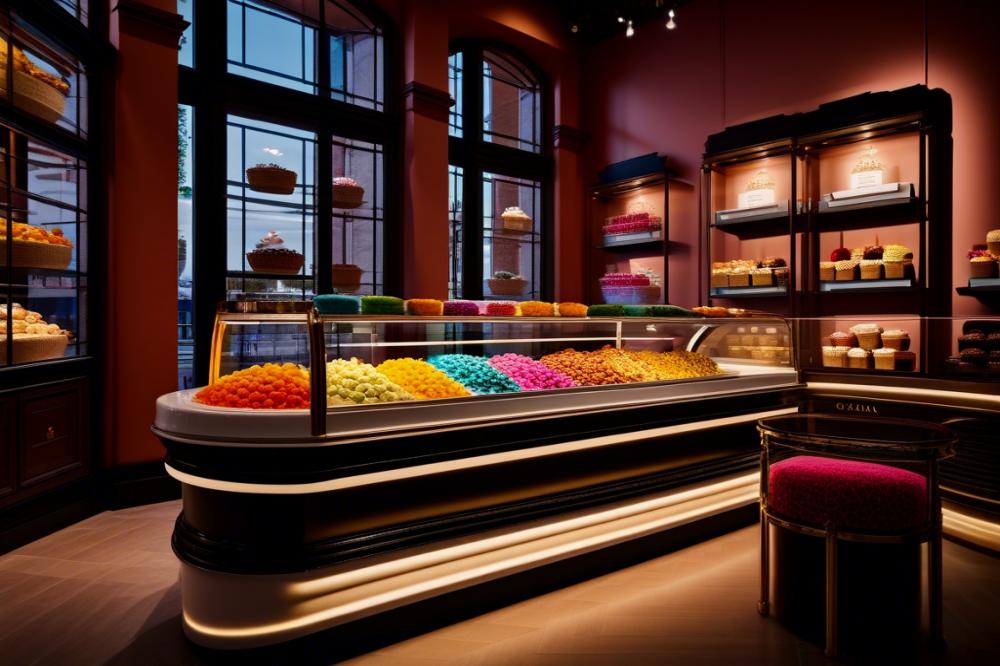
Artisanal methods of making gelato are steeped in history. They reflect a rich culinary heritage that has been passed down through generations in Italy. These careful techniques differentiate gelato from other frozen desserts. Italian gelato is churned at a slower speed, introducing less air into the mixture. As a result, the texture becomes denser and creamier, enhancing the overall experience.
Essential ingredients and their significance
Quality ingredients are vital in gelato production. Fresh milk, sugar, and high-quality flavors, such as fresh fruits or real Chocolate, create a vibrant taste. Authentic gelato often avoids artificial additives. This commitment to purity not only distinguishes every scoop but also honors traditions. Flavors can range from classic chocolate to innovative combinations like basil and lemon.
Step-by-step guide on classic gelato recipes
Making gelato at home is easier than one might think. Begin by mixing milk and cream in a saucepan. Gradually add sugar while heating the mixture gently. This allows the sugar to dissolve completely. Once warm, incorporate your desired flavors like vanilla or fruit purees. Chill the mixture thoroughly before churning it in an ice cream maker. Aim for a smooth texture by keeping a close eye as it churns. Once it reaches a soft-serve consistency, transfer it to a container and freeze for a few hours before serving.
Preserving authenticity in gelato production
It’s crucial to maintain authenticity when producing gelato. One way to preserve traditional methods is by using time-honored recipes. This ensures that each batch honors the past while satisfying modern tastes. Furthermore, artisans should select local ingredients whenever possible. This local focus strengthens community ties and enhances the flavors. Staying true to these roots enables gelato to continue impacting the world of desserts.
Flavors and Variations of Italian Gelato
Italy is home to a rich tradition of flavors that define gelato. Classic options like stracciatella and pistachio have captured hearts for generations. Each region has its pride with ingredients sourced locally. Not to forget, the refreshing taste of limone brings joy on warm days. Every bite connects us to Italy’s culinary heritage. Chocolate lovers celebrate rich, dark varieties that melt in the mouth.
Innovative Modern Flavors and Combinations
As tastes evolve, so do gelato recipes. Today’s artisans experiment with unexpected pairings. Lavender and honey might surprise you with their delightful mixing. Matcha and yuzu are becoming favorites, reflecting global influences. Passion fruit gelato offers a tangy burst that isn’t typical but exciting. Creativity reigns here, allowing unique flavors to shine and satisfy adventurous eaters.
Regional Specialties and Local Ingredients
Every Italian region contributes its character to gelato. In Sicily, granita expresses a different frozen dessert experience, often enjoyed with brioche. The Amalfi Coast boasts limoncello-infused gelato that celebrates local lemons. Further north, flavors may include rich chocolate from the Piedmont region, known for its high-quality cocoa. Each area proudly showcases its local ingredients, ensuring a taste of the landscape in every scoop.
Vegetarian, Vegan, and Allergy-Friendly Options
With changing dietary needs, gelato also becomes more inclusive. Many shops now offer vegan options made from almond milk and coconut. These versions keep the creamy texture while avoiding dairy entirely. Allergen-friendly choices are growing, allowing those with intolerances to enjoy frozen delights. Many recipes include fruit bases that are naturally dairy-free and gluten-free. Understanding these needs makes gelato accessible to everyone.
Cultural Impact of Gelato on Global Desserts
The essence of gelato extends far beyond its origins in Italy. This delightful frozen treat has profoundly influenced many culinary traditions around the globe. Recipes for various frozen desserts have often borrowed techniques and flavors from this classic. As a result, many countries have crafted their own interpretations while still paying homage to its Italian roots. The introduction of gelato into different cultures has sparked an array of adaptations, showcasing local ingredients and traditions.
A notable aspect of its impact is the way gelato has inspired other frozen desserts. For example, in the United States, artisanal ice cream makers have begun to emulate gelato’s creamy texture and rich flavors. Variations such as soft serve and sorbet have also been enriched by gelato’s presence. This cross-pollination of ideas has led to an exciting explosion of creativity in the world of frozen treats. Across continents, people are experimenting with new flavors, much of it originating from Italian culinary heritage.
Role of Gelato in Italian Culture and Festivals
In Italy, gelato is not just food; it plays a significant role in the culture. Festivals often celebrate this frozen dessert, drawing locals and tourists alike to its vibrant flavors and chilly allure. Artisanal gelaterias are common sights in Italian towns and cities, each boasting its own signature creations. Special flavors may even appear during certain holidays, reflecting the time-honored traditions of Italian cuisine.
Observing how gelato fits into everyday life reveals much about Italian culture. Children enjoy it as a simple treat on warm days, while adults appreciate a scoop after dinner. This shared experience fosters community and connection. Frequently, friends gather around gelato stands, savoring unique flavors and sharing stories, adding depth to its charm.
Comparison with Ice Cream and Other Frozen Treats
When comparing gelato to ice cream, the differences become apparent. Gelato typically has a lower fat content and is churned at a slower rate. This process results in a denser and creamier texture. Ice cream, on the other hand, often includes air to achieve a lighter feel. Such variations can affect the overall experience of enjoying these desserts.
Many other frozen treats have also taken cues from gelato’s creamy texture. Desserts like frozen yogurt and sorbet highlight this influence. Each variation plays with flavors and techniques inspired by the illustrious history of this Italian delight. As global trends evolve, gelato remains a beloved point of reference, showcasing the balance of tradition and innovation in the world of sweets.
Wrap-Up of Italian Gelato and Its Lasting Influence
Italian gelato holds a special place in the hearts of dessert lovers around the world. This delightful treat is more than just ice cream; it represents a rich cultural history that reflects the artistry and passion of Italian craftsmanship. Its distinct flavors and smooth texture have made it a beloved favorite, influencing sweet traditions far beyond the borders of Italy.
As we examine its enduring legacy, it becomes clear that gelato has transformed the culinary landscape globally. Many regions have adopted their own variations, creating new recipes that pay homage to the original Italian methods while embracing local tastes. Gelato shops can now be found in cities all over the globe, each offering a fresh twist on a classic favorite. This dessert has sparked a wave of creativity, inspiring chefs and home cooks to experiment with flavors, techniques, and presentations.
Looking toward the future, the impact of gelato seems poised to grow even more. As food culture evolves, there is a greater appreciation for artisan creations. Innovative flavors and sustainable practices are becoming more prevalent, attracting a diverse audience. People are eager to explore both traditional and novel varieties, pushing the boundaries of what gelato can be. The ongoing relationship between gelato and global desserts is certain to thrive, as it continues to capture imaginations and satisfy palates.
In summary, the significance of gelato goes beyond its delicious taste. Its history and influence demonstrate how one simple dessert can create connections and inspire new culinary adventures. The world of gelato remains vibrant and full of possibility, ensuring that its remarkable journey is far from over.

