
The History of Chocolate-of-turin”>Torrone: Italy’s Classic Italy-s-famous-Chocolate-kiss”>Nougat Treat
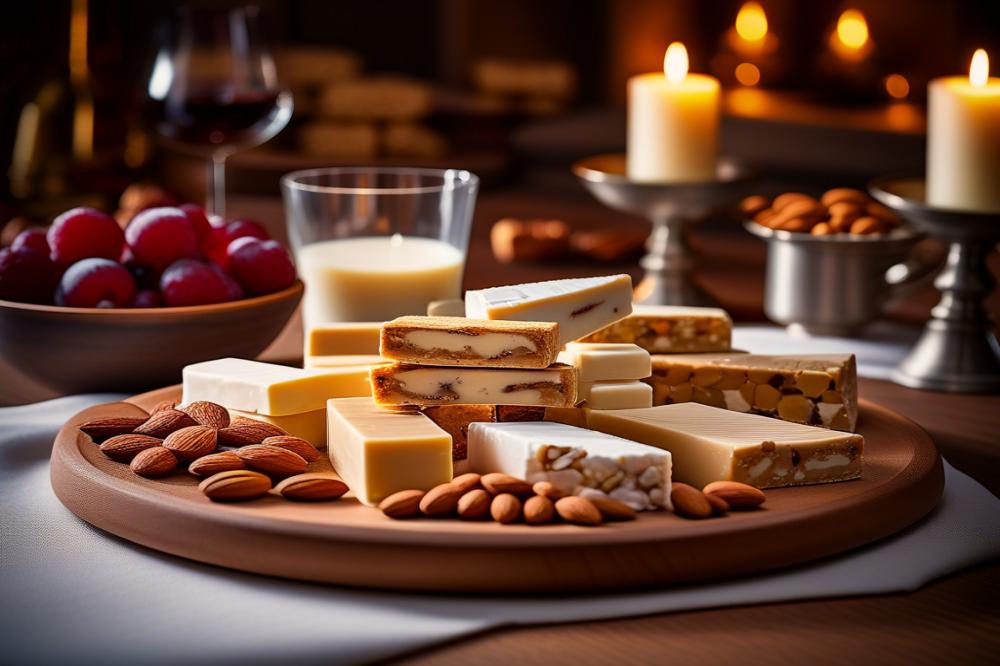
Torrone stands out as a beloved classic treat in Italy. This confectionery is cherished by many for its sweet and nutty flavor. Its rich history dates back centuries, entwined with Italian culture and festivities. Made from sugar, honey, and egg whites, it is often studded with almonds and hazelnuts, providing a satisfying crunch. Each region boasts its own recipes, reflecting local tastes and traditions.
This delightful Nougat has become synonymous with holidays in Italy. Christmas is particularly special, with families often sharing pieces among themselves. It symbolizes joy and togetherness during festive gatherings. The preparation of torrone is sometimes turned into a family activity, emphasizing the importance of traditions passed down through generations. Each bite brings a taste of history, connecting the past with the present.
The significance of this treat extends beyond mere enjoyment. Torrone represents Italy’s culinary expertise and regional diversity. Different varieties can be found across the country, showcasing regional ingredients and flavors. From the soft, chewy versions in Southern Italy to the firmer styles found in the North, there’s much to explore. Each piece of torrone tells a story, inviting admiration for its nuance and craftsmanship.
The Origins of Torrone

The history of this classic treat can be traced back to ancient civilizations in Italy. Some say its origins date to the Roman Empire. Soldiers enjoyed nut-based confections, leading to early recipes that utilized honey and nuts.
Almonds and hazelnuts played crucial roles in the development of this confectionery. Both ingredients were abundant in the Mediterranean region. Their combined flavors created a delightful sweetness that appealed to many. Additionally, the Arabic influence on Italian cuisine cannot be overlooked. During the Middle Ages, sugar became more accessible. This shift allowed for more elaborate recipes and richer textures.
Regional variations showcase how local traditions shaped the treat. In Sicily, one can find Torrone made with citrus zest, adding a fresh twist. The Piedmont region is famous for using hazelnuts, reflecting the area’s abundant nut crops. Different areas of Italy have their own specialties, showing how diverse this confection can be. Each celebration often features unique recipes that reflect local customs and seasonal availability of ingredients.
During holidays, families often share this sweet delight. Sitting together while savoring it fosters a sense of community and tradition. Celebrations like Christmas and weddings often showcase Torrone as an essential part of the feast. As time went on, its popularity grew across Italy and beyond, finding a place in various cultural contexts.
Ingredients and Recipes
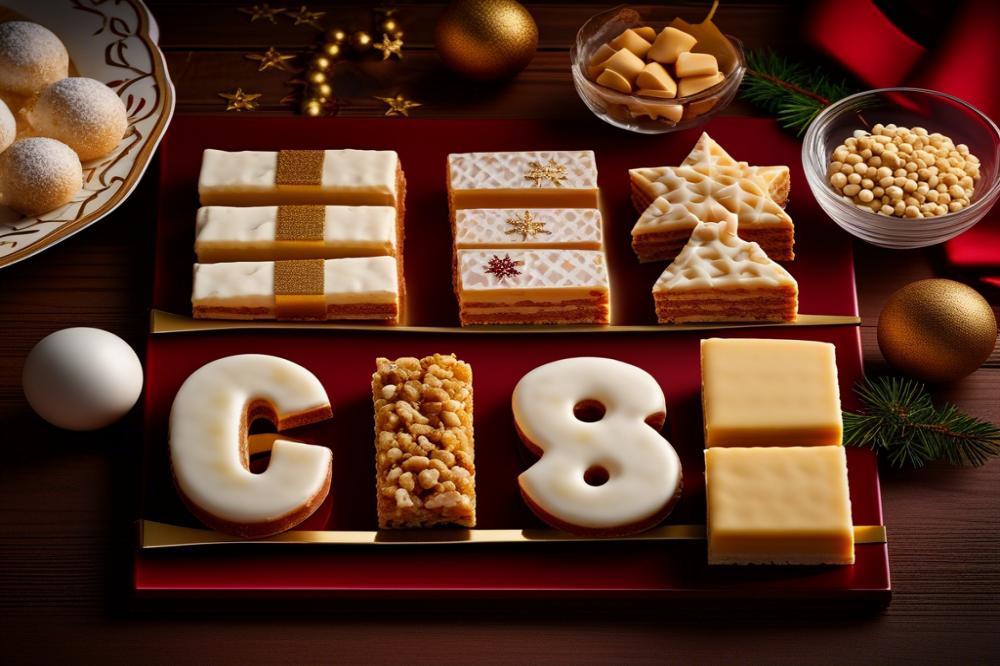
This classic treat relies on a few key ingredients that all come together to create a delightful confectionery experience. Traditionally, almonds and hazelnuts form the backbone of torrone. Sugar is essential, providing sweetness and structure. Egg whites are crucial as well, giving the nougat its light and airy texture. These ingredients have been cherished in Italy for centuries, each contributing to the rich history of this beloved dessert.
Not all torrone is the same. There are soft and hard varieties that showcase different textures and flavors. Soft torrone, often chewy and pliable, tends to be enjoyed by those who appreciate a gentler bite. On the other hand, hard torrone offers a crunchier experience, often enjoyed in pieces that require a bit of effort to bite through. Such variations cater to different tastes and preferences, making this treat versatile.
Classic Recipes by Region
Classic recipes for torrone vary widely across Italy’s regions. Each area has its own twist on this traditional sweet. In the northwest, you may find torrone from Alba, featuring a buttery consistency and toasted hazelnuts. The soft version is quite popular there, often decorated with chocolate or candied fruits during the holidays. Meanwhile, in Sicily, one encounters a different approach. Their version often includes pistachios and honey, giving it a distinctively rich flavor.
Central Italy boasts its own specialties as well. Here, recipes may incorporate citrus zest, enhancing the overall flavor profile. Various regions emphasize local nuts, which adds a unique touch to each recipe. Even the production methods can differ, with some artisans favoring traditional techniques that have been handed down through generations. Understanding these local traditions enriches the experience and appreciation of this unique confection.
Torrone Through the Ages
Over centuries, the classic treat known as torrone has seen many changes. Initially, it served as a special confectionery enjoyed during important holidays. Its basic recipes featured honey, egg whites, and nuts. Almonds were the stars of the show, delivering a crunchy texture and rich flavor.
As time passed, new regions added their touches. Hazelnuts became popular in the northern parts of Italy, enriching the mix and creating different variations. Each area embraced its local ingredients, resulting in distinct recipes. The method of crafting this nougat also evolved. Artisans learned to hone their skills, creating a smoother, more consistent confection.
Modern culinary trends have made a significant impact on traditional recipes. Today, many confectioners experiment with flavors and ingredients. Some incorporate spices or dried fruits while others explore vegan options. Such innovations attract younger audiences who seek both nostalgia and novelty.
Despite these changes, preserving artisanal methods remains crucial in Italian culture. Many families continue to pass down their secret recipes through generations. These techniques not only celebrate history but also connect communities. By making torrone the old-fashioned way, artisans keep traditions alive.
Holidays are often marked by this beloved treat, linking past and present. Festivals celebrating torrone attract visitors eager to taste this confection from various regions. Knowing its rich history adds to appreciation at these events.
All in all, torrone reflects a blend of ancient practices and modern influences. Each bite tells a story, whether from its humble beginnings or today’s creative adaptations. The journey of this sweet is a testament to Italy’s vibrant culinary heritage.
Torrone in Italian Holidays and Traditions
The classic treat has deep roots in Italian culture. It plays a vital role in many festive occasions. Families often include this sweet confectionery in their celebrations. During the holiday season, especially Christmas, its presence is almost mandatory. People gather around tables adorned with delicious food, and torrone usually takes center stage.
This confection is not just a dessert but a symbol of joy and togetherness. Weddings also feature torrone in their celebrations. Guests enjoy it as a show of good luck and prosperity for the newlyweds. Recipes often vary regionally, showcasing local ingredients like almonds and hazelnuts. Each family might have a secret recipe, passed down through generations, that adds to the uniqueness of the treat.
Traditional customs revolve around the sharing of this delightful treat. It is common to gift torrone during festive occasions, symbolizing goodwill and hospitality. Many people believe that sharing sweets brings blessings and happiness. In Italy, giving torrone is a way to strengthen bonds among friends and family.
The history of torrone connects closely to Italian folklore. Stories passed through the years often involve this treat as a part of celebrations. Its presence in festive traditions keeps it alive in the hearts of Italians. Likewise, it has become an essential part of the national identity, representing the beauty of Italian culinary art.
Final Thoughts
Torrone has a rich history that stretches back centuries, deeply embedded in Italian culture. This classic treat is more than just a dessert; it represents tradition and artisanal craftsmanship. The origins can be traced to ancient times, showcasing how food can connect generations. From regional variations to modern interpretations, this confectionery illustrates the diversity of Italy’s culinary landscape.
As we look at today’s confectionery scene, it is clear that this sweet delight continues to thrive. Many families still create it at home, preserving cherished recipes passed down through the years. Additionally, artisanal brands are championing quality production, ensuring that the essence of this treat remains intact. Therefore, it is not surprising that torrone has found admirers around the globe.
Exploring this iconic treat can be a delightful journey. Each bite tells a story of its heritage and the diverse flavors found across Italy. Whether enjoyed during the holidays or as a special indulgence, this confection invites everyone to savor its unique charm. So why not try some torrone today? Experience the sweetness of tradition and share in this beloved confectionery.

