
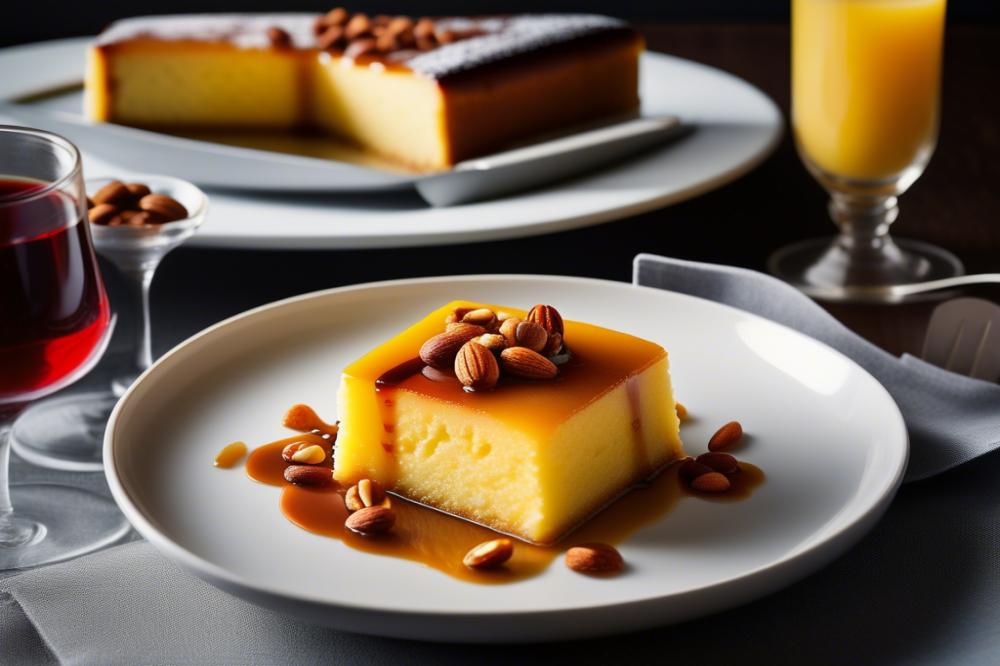
The Sweet Side of polenta: The Unexpected Italian dessert
polenta has long been a staple in Italian cuisine. Traditionally, this dish features cornmeal cooked into a thick, savory porridge. Commonly served alongside meats or as a base for rich sauces, its savory uses are well-known. Many people associate polenta with hearty meals, but there is more to this dish than meets the eye.
Sweet variations have begun to emerge, surprising many. Dishes like polenta pudding and polenta cake highlight a different aspect of this versatile ingredient. With its creamy texture, it makes for an excellent base for desserts that can be both indulgent and comforting. These creations are often enhanced with seasonal fruits, adding a burst of flavor.
Interest in sweet polenta desserts is growing in Italian confectionery. Chefs and home cooks are rediscovering traditional recipes, transforming a humble staple into something delightful. As the gluten-free dessert trend gains popularity, these sweet treats are especially appealing to those seeking alternatives. This shift is encouraging many to explore novel ways to enjoy polenta, proving that this dish can indeed satisfy one’s sweet tooth.
The Basics of Polenta
Polenta is a traditional dish made from cornmeal, which is ground dried corn. This humble food has been a staple in Italy for centuries. Historically, its origins trace back to the ancient Romans, who used a variety of grains. However, when corn was introduced to Europe from the Americas, cornmeal became essential in many Italian kitchens.
Making traditional polenta involves cooking cornmeal in water or broth. The mixture is stirred continuously to prevent lumps. This method requires patience and skill, as the mixture thickens over time. After about 30 to 40 minutes, the polenta is creamy and smooth. Some people prefer it soft, while others may let it cool and solidify before slicing.
Different types of corn are used to create polenta. Yellow corn is most common, but white and blue corn varieties exist as well. Each type offers a distinct flavor profile and texture. This versatility allows for many interpretations, paving the way for sweet versions like polenta cake and polenta pudding.
Italian cuisine loves to explore variations of polenta. sweet polenta is a delightful twist that can surprise those unfamiliar with it. This gluten-free dessert often incorporates ingredients such as milk, sugar, and seasonal fruits. When prepared this way, polenta transforms into a creamy dessert that appeals to both traditionalists and adventurous eaters alike.
Sweet Polenta: A Delicious Transformation
When thinking about Italian cuisine, many picture savory dishes. However, transforming cornmeal into sweet polenta opens a door to unexpected desserts. This variation offers a delightful contrast to its usual savory form. Using simple ingredients, you can create a creamy dessert that surprises many.
Traditional recipes often use rich methods. A common approach involves simmering the cornmeal in milk or cream instead of water. This adjustment creates a smoother texture, perfect for decadent desserts. Adding sugar and vanilla can enhance the flavor, too. The result is a sweet polenta pudding that can be served warm or chilled.
Creamy Polenta Pudding
Making this pudding is quite straightforward. Start by bringing milk to a gentle simmer. Gradually whisk in the cornmeal, stirring continuously. Cook for about 15 to 20 minutes until it thickens. Stir in sugar and a pinch of salt. You could also add a touch of cinnamon for warmth. Once ready, transfer to bowls. Top with seasonal fruits or a drizzle of honey for extra flavor.
Polenta Cake
Another popular option includes a sweet polenta cake. This dessert blends the unique texture of cornmeal with eggs and flour. Begin by creaming butter and sugar together. Beat in eggs one at a time. Next, combine the dry ingredients separately, then mix into the wet ones. Pour the batter into a greased pan and bake until golden brown.
Serving the cake can be a fun experience. Consider dusting it with powdered sugar or pairing it with whipped cream. Some even like to add Chocolate chips or nuts for an interesting twist. This gluten-free dessert is perfect for those with dietary restrictions and can easily impress dinner guests.
Exploring sweet polenta allows for many adaptations. Flavors can vary based on personal preferences or seasonal ingredients. Try incorporating lemon zest for a refreshing bite, or use fresh berries as a topping. Each bite carries a taste of Italian tradition while being surprisingly delicious and light.
Traditional Italian Polenta Desserts
Many people are surprised to learn that polenta can be sweet. This staple of Italian cuisine has a variety of recipes that showcase its versatility. In some regions of Italy, it is as common to enjoy a sweet version as it is to serve it savory. Traditional recipes often highlight the rich flavors of cornmeal combined with seasonal fruits, creating delightful desserts.
In Northern Italy, particularly in the region of Veneto, a popular treat is polenta cake. This dessert blends fine cornmeal with sugar and eggs. Often, cooks add lemon zest for a brighter flavor. It is typically served with a dollop of whipped cream or a sprinkle of powdered sugar. The soft texture pairs well with fresh berries, making it a seasonal favorite.
Moving south, Tuscany boasts its own interpretation. There, you might encounter polenta pudding, which is smooth and creamy. This version often includes milk, sugar, and vanilla. Tuscans love to top their pudding with sautéed peaches or pears, enhancing its natural sweetness. The use of local ingredients makes each bite a taste of the countryside.
In contrast, the coastal regions might incorporate nuts into sweet polenta recipes. In Liguria, for example, cooks prepare a rich dessert using cornmeal mixed with chestnut flour. The result is a nutty, flavorful cake that is often paired with figs or pomegranates, creating a beautiful contrast. Seasonal fruits are key in these dishes, offering freshness and bursts of flavor.
When discussing polenta as a dessert, it is important to note how recipes vary by region. Each province celebrates this dish differently. Sardinia has its take on sweet polenta, often infused with orange or lemon juice, giving it a vibrant twist. Here, it is sometimes shaped into small cakes and adorned with local honey, making for an irresistible gluten-free dessert.
Seasonal fruits are a perfect match for sweet polenta. Strawberries in summer provide a juicy complement, while in autumn, roasted apples or pears can add warmth. Citrus fruits like clementines also enhance the flavors beautifully. Each fruit brings out different notes in the dish, showcasing the artistry of Italian culinary traditions. The combination of these elements reflects the true essence of celebrating polenta beyond its savory roots.
Polenta as a Gluten-Free Dessert
Many people today seek gluten-free options due to dietary restrictions. Cornmeal serves as an excellent base for sweet desserts. Those who are sensitive to gluten find comfort in this alternative. Traditional recipes often highlight this ingredient in a different light.
Imagine a creamy dessert that doesn’t compromise taste. Sweet polenta offers this and more. Rich flavors are achieved by combining it with seasonal fruits. This gives the dish a refreshing finish that many enjoy, especially during summer months.
One popular variation is polenta cake. It’s a great choice for gatherings or casual dinners. This delicious treat can be layered with fresh berries or drizzled with honey. Each bite delivers a burst of flavor. Plus, it embraces the principles of Italian cuisine while being accessible to everyone.
Polenta pudding also stands out in the dessert category. This smooth dish can easily be infused with vanilla or spices. Guests appreciate its subtle sweetness and delightful texture. Topped with a sprinkle of cinnamon or served warm, it creates a comforting experience.
Offering an inclusive option for diners is crucial today. Desserts that cater to gluten-sensitive individuals are vital. These treats not only appeal to those with special diets but also invite everyone to indulge in something different. Whether at a restaurant or a home gathering, sweet polenta desserts break barriers and bring people together.
Embracing the Dual Nature of Polenta
Polenta is more than a staple of savory Italian cooking. This cornmeal dish showcases remarkable versatility, bridging the gap between hearty meals and decadent desserts. Culinary geniuses have transformed polenta into an array of dishes, serving it in ways that surprise and delight. In savory forms, it shines alongside rich meats or roasted vegetables. Yet, when it comes to sweet creations, its true charm takes center stage.
Appreciating the taste of sweet polenta in desserts offers a glimpse into the creativity of Italian confectionery. This unexpected use elevates a simple grain into a tender, flavorful treat. Infused with flavors like citrus, Chocolate, or nuts, these desserts capture the essence of Italian culinary tradition. It represents a clever mix of comfort and indulgence that many may not have encountered.
For those curious about exploring new flavors in their own kitchens, diving into the world of sweet polenta provides an exciting opportunity. Experimenting with this ingredient can lead to delightful results, whether creating polenta cakes, pudding, or layered desserts. Challenge yourself to redefine what you know about your favorite foods. With a little creativity, something special awaits. Don’t be afraid to venture into this sweet side of polenta; the results are bound to impress family and friends.

