
Introduction
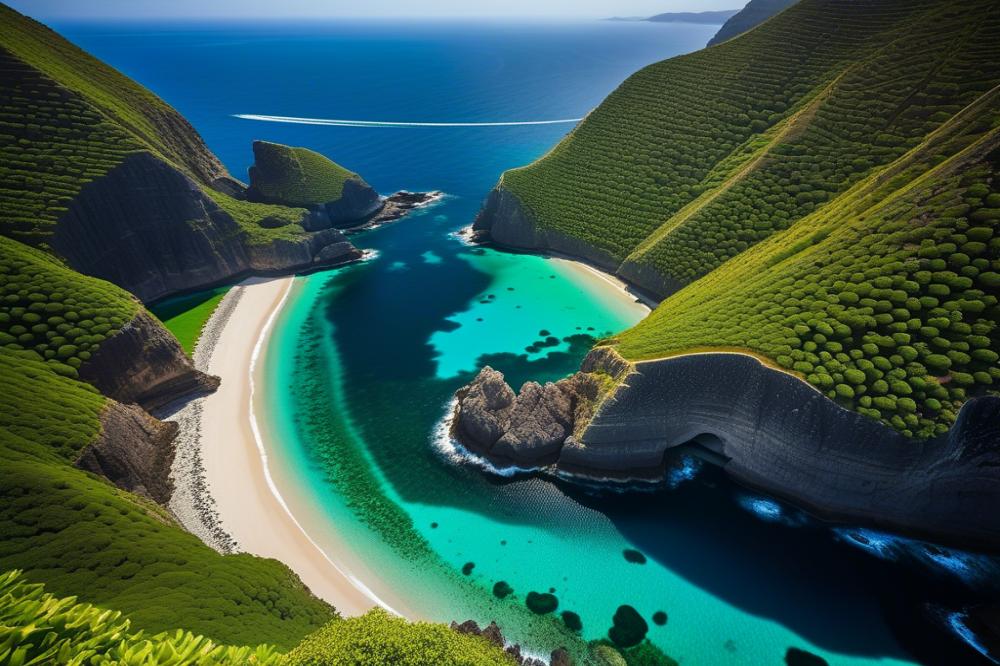
Linosa Island, a small speck in the Mediterranean Sea, stands out as a remarkable destination. It holds a treasure trove of wildlife and serves as an important habitat for many species. Visitors to this island often find themselves captivated by its charm and natural beauty. Those who seek the thrill of exploring rich biodiversity will find a haven here.
This island is renowned for its diversity of ecosystems, displaying a delicate balance between land and sea. It is home to various endemic species, which are not found anywhere else. These unique plants and animals contribute to the ecological significance of Linosa. The conservation efforts in the area aim to protect these valuable resources while nurturing their habitats.
Nature enthusiasts are drawn to the island for more than just its landscapes. Birdwatchers flock to see seabirds soaring above the cliffs. Diving and snorkeling reveal an underwater world bustling with marine life. Every corner of this destination offers something worthwhile to discover. Indeed, Linosa Island appeals to those who appreciate the wonder of nature. Anyone who ventures here will understand the vital role this ecosystem plays in our world.
Linosa Island: A biodiversity Hotspot
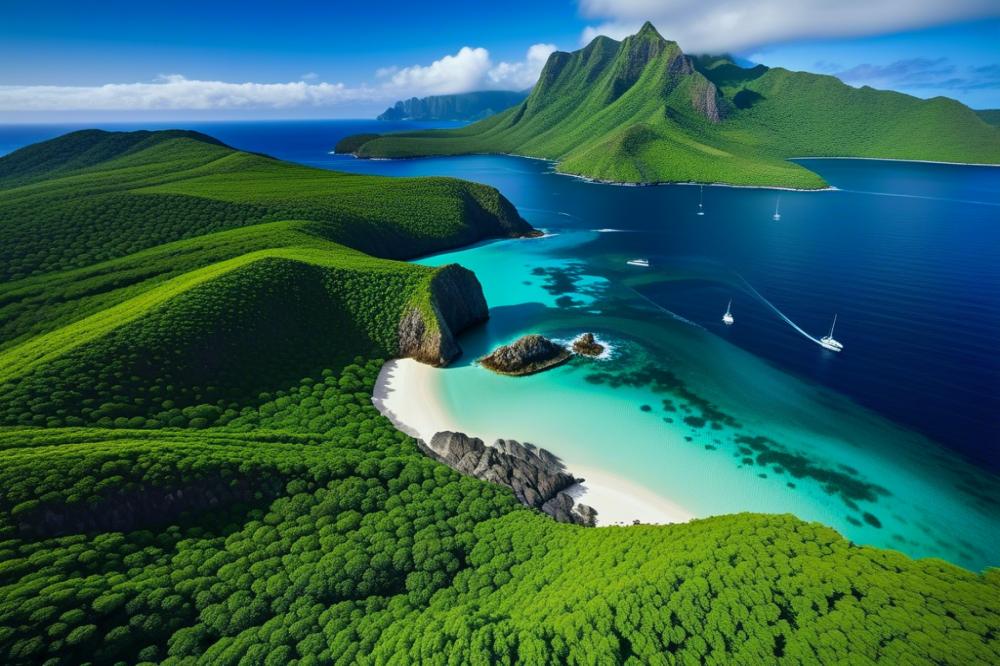
Linosa Island holds immense ecological significance within the Mediterranean ecosystem. It is a small yet vital part of this rich environment, serving as a refuge for a variety of wildlife. The island’s diverse landscapes provide habitats that support numerous species, including many that are endemic. This means they are found nowhere else on Earth. As a result, it plays an essential role in maintaining global biodiversity.
Its strategic location contributes to this richness. Positioned between Sicily and Tunisia, Linosa benefits from the blending of different marine and terrestrial conditions. This influences weather patterns and creates a unique environment for both plants and animals. From rocky cliffs to sandy beaches, every habitat on the island supports different forms of life. In turn, these varying landscapes allow for a broader array of species to thrive.
Several factors drive the island’s incredible wildlife and biodiversity. One significant aspect is the presence of a nature reserve that fosters conservation efforts. This dedicated area helps protect critical habitats and encourages the survival of various marine life and seabirds. Moreover, the island’s isolation has preserved its ecological wonders. Limited human activity has allowed habitats to flourish without much disruption.
Visitors often encounter unique plants that add to Linosa’s charm. Some of these species have adapted specifically to their environment, highlighting the island’s remarkable ability to nurture life. Among its many treasures, the vibrant underwater world is also noteworthy. Marine life around Linosa is teeming with colorful fish, intriguing invertebrates, and lush seagrass meadows. All these elements work together to create a truly special biotope.
Overall, Linosa Island stands out as a biodiversity hotspot in the Mediterranean. The combination of its location, preservation efforts, and endemic species contribute to its ecological importance. By protecting this area, we not only safeguard its floral and faunal diversity but also maintain a crucial segment of our planet’s natural heritage.
Endemic Species and Unique Flora
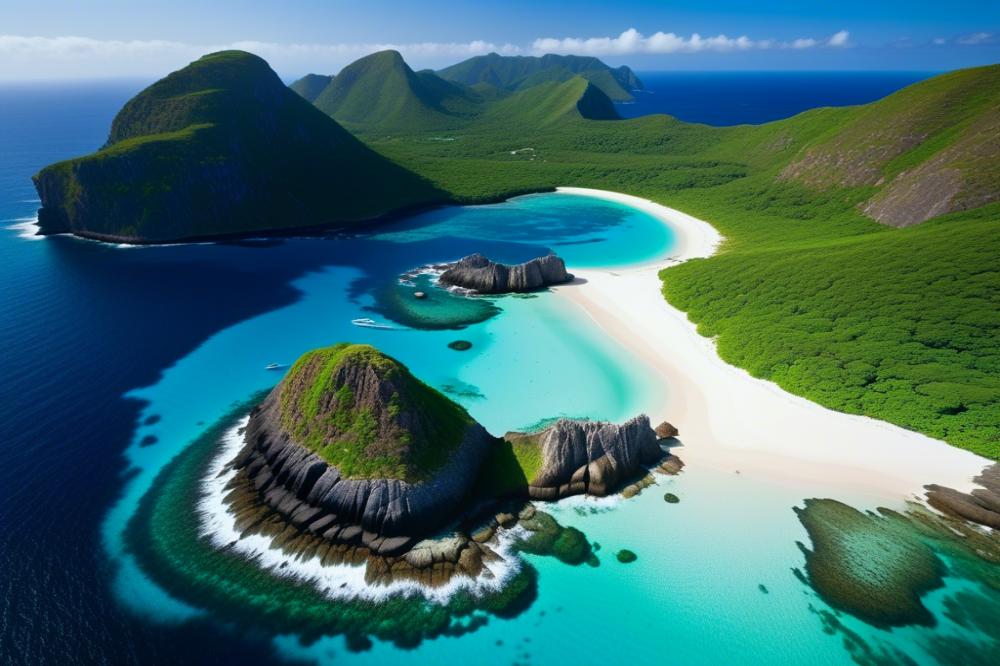
Linosa Island is home to several endemic plant species, which thrive in its distinct Mediterranean ecosystem. These plants have adapted beautifully to the island’s environment, showcasing their resilience. In fact, they have developed unique characteristics that help them survive the harsh conditions of the region. Some species exhibit drought resistance, while others might have thicker leaves to retain moisture. These adaptations are essential for their growth and survival.
Take the Linosa daisy for instance. This flower not only adds vibrant colors to the landscape but also plays a crucial ecological role. It attracts various insects, which in turn supports the island’s wildlife. Pollination is vital for maintaining the plant population. Without these unique plants, many other forms of life would struggle to survive. Many seabirds rely on these plants for nesting materials. Consequently, they contribute significantly to the island’s overall biodiversity.
Emphasizing the importance of conserving these endemic species cannot be overstated. Protecting them helps maintain ecological balance. Their disappearance could lead to a cascade of negative effects on the island’s wildlife and marine life. Preserving this nature reserve ensures future generations will appreciate its beauty. It is our responsibility to safeguard these natural treasures. The loss of endemic species would not only diminish the uniqueness of Linosa Island but could also disrupt the entire Mediterranean ecosystem.
Therefore, efforts in conservation should be prioritized. Investing in local initiatives can promote awareness and support for these unique plants. Those who visit Linosa Island must remember that their choices can impact the environment. Simple actions like sticking to trails and not picking plants can make a difference. Together, we can acknowledge the ecological significance of these endemic species and protect their future.
Wildlife and Marine Life

The island is home to a variety of wildlife that is captivating and essential to its ecosystem. Various terrestrial animals roam the land, including several species of lizards that add to the island’s biodiversity. Seabirds also nest here, making it a vital location for birdwatchers and nature lovers. These birds participate actively in the ecosystem, contributing to beneficial processes such as pollination and seed dispersal. Many of them are migratory, using Linosa as a stop on their long journeys.
Marine life surrounding this island plays an equally significant role in maintaining the health of the Mediterranean ecosystem. Rich underwater habitats house numerous species, from colorful fish to intriguing marine mammals. Coral reefs, characterized by their beauty, serve as nurseries for juvenile fish, providing areas where they can grow safely. This creates a thriving marine environment that supports a diverse range of organisms.
Among the notable species, some are endemic, meaning they can only be found in this specific region. Endangers species such as the Mediterranean monk seal and various sea turtles face threats from habitat destruction and pollution. Conservation efforts are vital for the survival of these creatures. The surrounding waters act as a sanctuary and are designated as a nature reserve, highlighting their ecological significance. Special protections help improve the chances of survival for many species and maintain the natural balance of this area.
In conclusion, both terrestrial and marine life offer a glimpse into the incredible biodiversity of this island. Protecting these habitats and the species that inhabit them is crucial. Understanding the importance of conservation will benefit not only the animals but also future generations who can enjoy this beautiful ecosystem.
Conservation Efforts and Nature Reserves

Conservation initiatives play a vital role in protecting the rich biodiversity of Linosa Island. Several organizations work together to establish programs aimed at safeguarding the island’s natural habitats. Marine life, such as dolphins and various fish species, benefits significantly from these efforts. These programs often focus on sustainable tourism and responsible fishing practices. Education is a key component, raising awareness about the ecological significance of the Mediterranean ecosystem.
Role of Nature Reserves
Nature reserves serve as sanctuaries for the island’s endemic species and diverse wildlife. They create safe environments that allow both plants and animals to thrive. For instance, seabirds find nesting grounds in these protected areas. Furthermore, the reserves help in preserving unique plants that may not exist anywhere else in the world. Their significance cannot be overstated; these zones act as essential buffers against environmental threats.
Challenges Faced in Conservation Efforts
Despite these important conservation efforts, significant challenges persist. Climate change poses a serious threat to both marine and terrestrial ecosystems. Increasing tourism can lead to habitat destruction, if not managed properly. Invasive species also threaten local biodiversity, competing with native flora and fauna. Continuous research and monitoring are crucial to tackle these issues. Advocating for stricter regulations may be necessary to protect these valuable resources. Everyone has a role to play in this fight to preserve nature.
Ecological Significance of Linosa Island
The ecological significance of this island is profound. It serves as a critical habitat for a variety of wildlife, including many seabirds. These birds rely on the island for nesting and feeding. In turn, their presence helps to keep the ecosystem balanced. The interdependence between flora and fauna here is striking. Many animals depend on specific plants for food and shelter. Such relationships form a delicate web of life that defines the landscape.
Biodiversity flourishes in this region, making it an important part of the Mediterranean ecosystem. Unique plants and animals thrive that cannot be found anywhere else. Endemic species, like the Mediterranean monk seal, highlight the island’s special role in nature. Protecting these species is vital to maintain ecological health. They play specific roles that contribute to a well-functioning environment. A loss of even one species can disrupt the balance of the entire system.
Furthermore, a high level of biodiversity contributes immensely to broader Mediterranean biodiversity. Linosa serves not only its own flora and fauna but also supports the surrounding areas. This adds value to the conservation efforts in the region. Local residents and visitors alike benefit from this natural wealth. Preserving these resources means future generations can enjoy the same beauty and variety. It is essential to recognize the importance of maintaining ecological integrity. Responsible actions today can make a world of difference tomorrow.
At the same time, the allure of the unique marine life is undeniable. Coral reefs, rich fish populations, and intricate underwater habitats thrive within its waters. These aquatic ecosystems are just as crucial as the terrestrial ones. They contribute to the island’s overall health and beauty. Balancing human activity and conservation efforts is a challenge we must embrace. Protecting Linosa means safeguarding a vital part of our natural heritage.
Final Thoughts on the Flora and Fauna of Linosa Island
In summary, the flora and fauna found on Linosa Island are truly fascinating. Home to many species, this small island showcases a rich tapestry of biodiversity that deserves our attention. From the vibrant plant life to the diverse wildlife, every corner of this island reveals nature’s wonders. Visitors can witness seabirds nesting on cliffs and unique plants that thrive in harsh conditions.
Supporting eco-tourism is essential for conservation efforts. When people travel to places like Linosa, they help raise awareness and funds needed to protect these natural habitats. Responsible tourism can create a balance between enjoyment and preservation. Every ticket purchased, and every guided trek contributes to safeguarding the island’s treasures. Caring for the environment helps maintain the beauty of such places for future generations.
As you plan your trip, remember to appreciate what makes Linosa special. Stay on marked paths, avoid harming the plants, and respect the wildlife. Your actions can have a profound impact. By nurturing this delicate ecosystem, each visitor becomes a part of its survival. Together, we can protect these natural wonders and ensure others experience them for years to come.

