

The Wild Boar in Italian Forests: habits and habitats
The Wild Boar is a fascinating species that plays a significant role in ecosystem dynamics. This animal is more than just a part of Italy’s wildlife; it is a key player in the forest’s complex ecology. Understanding its behavior and the habitats it occupies helps to paint a clearer picture of the natural world around us.
Studying wild boars in Italian Forests is essential for several reasons. Awareness of their habits offers insight into how these creatures interact with their environment. They are known for foraging in diverse areas, which impacts plant life and contributes to the overall health of the forest. This relationship highlights the interconnectedness of species within these ecosystems.
Additionally, wild boars affect the biodiversity of Italian forests. Their feeding practices can help maintain vegetation balance, but they can also become problematic if their population grows too large. This potential for overpopulation makes monitoring their numbers crucial for successful conservation efforts.
Exploring their behavior reveals much about the natural cycles in which they engage. These animals are social creatures, often traveling in groups. This social structure can influence both their foraging habits and their territorial behaviors. With each movement, they contribute to the intricate web of life that includes many other species.
In summary, the significance of wild boars in Italian forests can’t be overstated. Understanding their habits and habitats helps us appreciate the delicate balance of flora and fauna that thrives in these regions. By studying them, we also gain insights vital for the conservation of Italy’s natural landscapes and the remarkable wildlife that calls them home.
Wild Boar: Habits and Behavior
Feeding habits and foraging techniques
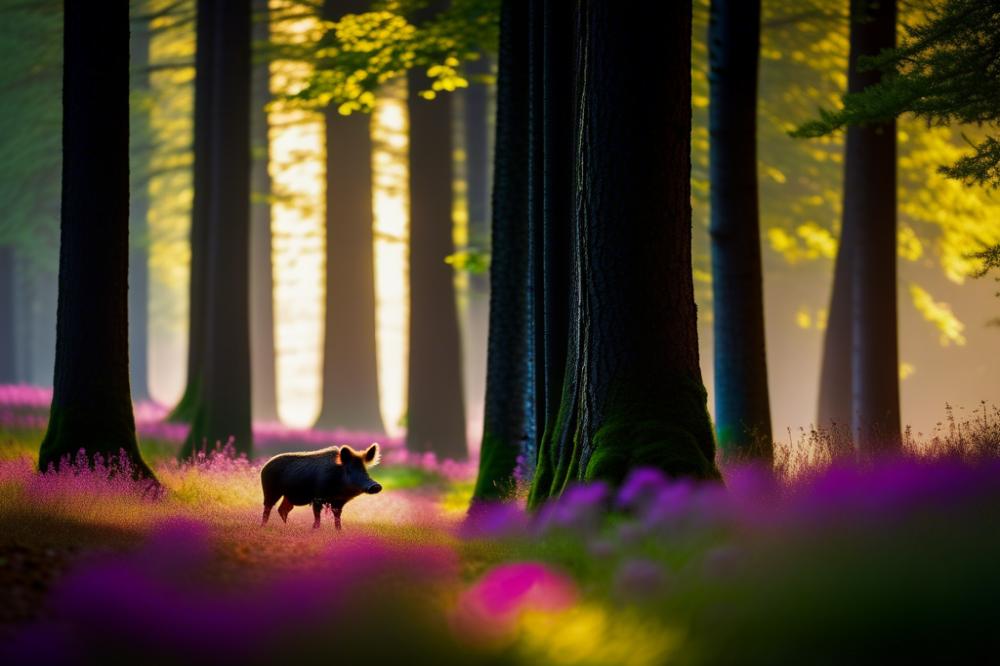
Wild boars are opportunistic feeders. They consume a wide variety of plant materials, insects, and small animals. Their strong snouts dig through soil, turning over leaves and roots to find food. This foraging technique plays a vital role in their ecology. They often snack on fruits, nuts, and tubers, depending on the season. This varied diet helps maintain biodiversity in their habitats. In addition, they sometimes travel considerable distances in search of nourishment, demonstrating their adaptive nature.
Social structure and group behavior
These animals exhibit complex social structures, typically living in groups called sounders. Usually, a sounder consists of a few females and their young. Rarely, males will join, especially during mating season. Group living offers protection against predators, but these animals can also be solitary. Communication among them is crucial. They use a range of vocalizations and physical gestures to convey messages. Observing their interactions provides insight into their social dynamics.
Adaptations to different environments
Wild boars are remarkable survivors, making homes in various habitats. From dense forests to grasslands, they adjust well. Their thick, bristly coats provide protection against cold and harsh weather. In regions with limited vegetation, they adapt by digging deeper for food. This flexibility in their behavior allows them to thrive in diverse environments. Consequently, they impact the ecosystem positively. Their foraging habits promote new plant growth, supporting overall wildlife conservation efforts. Population dynamics can shift based on climate and food availability, influencing their habitats profoundly.
Wild Boar Habitats in Italy

Italy offers a rich tapestry of environments where the wild boar can thrive. These animals are often found in forested regions as well as areas with dense underbrush. Different habitats provide various resources that support their needs. Oak and beech forests are particularly appealing, providing plentiful food and cover. These places create a perfect setting for foraging.
Description of Various Habitats
Woodlands are just one of the several habitats that accommodate this species. Grasslands and scrub areas also play a crucial role in their lifestyle. Wetlands contribute to biodiversity, supporting not just boars but numerous other forms of wildlife. Each habitat type shares some features, such as access to water and diverse vegetation. This variety helps maintain a balanced ecosystem.
Distribution Across Italian Regions
Wild boars are widespread in Italy, found from the Alps in the north to Sicily in the south. Regions like Tuscany and Emilia-Romagna have particularly high populations. Urban areas have also seen these animals adapt, searching through gardens and parks. Their mobility allows them to flourish in both rural and suburban settings. This adaptability significantly influences local wildlife dynamics.
Role of Vegetation in Supporting Wild Boar Populations
Vegetation plays a critical role in the survival of wild boars. They primarily forage for roots, tubers, and acorns, which are abundant in rich forest floors. This behavior not only supports their population growth but also contributes to the overall health of the ecosystem. When they dig for food, they aerate the soil and promote plant diversity.
Moreover, dense vegetation offers essential shelter from predators and harsh weather. Such habitats create a safe environment for breeding and raising young. Plant variety ensures that food remains available throughout different seasons. Consequently, a diverse habitat allows for a stable and thriving populace, vital for conservation efforts. Wildlife managers closely monitor these interactions to protect habitats and maintain ecological balance.
Ecology and Biodiversity

Impact of Wild Boars on Forest Ecosystems
Wild boars play a significant role in Italian forest ecosystems. Their foraging habits can alter vegetation patterns. By rooting through the soil, they disturb the ground layer, which helps different plant species to sprout. This activity can create opportunities for new growth. However, it can also lead to soil erosion if populations are too high. Their diet often includes fruits, nuts, and various plant roots. This feeding behavior impacts what species thrive in their habitats.
Interaction with Other Wildlife Species
Interaction with other wildlife is vital for maintaining ecological balance. Wild boars compete with native species for food resources. As they forage, they may unintentionally help disperse seeds, aiding in forest regeneration. Even though this can benefit certain plants, their presence might pose risks to smaller mammals and ground-nesting birds. Predators such as wolves may benefit from increased boar populations, as they provide a consistent food source. Yet, higher boar numbers can lead to increased competition and stress for other wildlife.
Contribution to Biodiversity and Vegetation Dynamics
Contributing to biodiversity, wild boars have a complex relationship with vegetation dynamics. Their habits promote a rich variety of plant life. When they dig into the ground, they not only uproot but also expose soil, facilitating nutrient cycling. This process can even enhance soil health over time. If a forest’s plant diversity increases, it can support a wider range of animal species. This increased diversity makes the ecosystem more resilient to environmental changes. In conserving these habitats, maintaining a balanced wild boar population is crucial.
Population Dynamics and Conservation

Current population status in Italy
Wild boars have a robust presence in Italy. Their numbers have significantly increased over the past few decades. Estimates suggest that the population may exceed 2 million individuals. Dense forests and diverse ecosystems provide ample habitats for them. These creatures thrive in various environments, ranging from mountainous areas to coastal regions. Their adaptability to different conditions plays a crucial role in their survival. The rise in population also leads to more interactions with humans.
Threats to wild boar populations
Despite their current abundance, wild boars face numerous challenges. Habitat destruction due to urban development reduces available space. Additionally, pollution and climate change impact vegetation, which is critical for their foraging habits. Encounters with agricultural activities often lead to conflicts with local farmers. These animals occasionally damage crops while searching for food. Hunting has become a controversial subject, introducing another layer of complexity to their population dynamics. Diseases, such as African swine fever, pose significant risks to wildlife and can decimate populations if not controlled.
Conservation efforts and management strategies
Addressing the challenges requires effective conservation strategies. Local authorities and environmental organizations are working together to develop management plans. These plans focus on monitoring population numbers and tracking their behavior. Public awareness campaigns aim to educate communities about coexistence. Promoting biodiversity in forests helps maintain a balanced ecosystem. Strategies include creating wildlife corridors to connect fragmented habitats. Additionally, regulated hunting practices are employed to manage their numbers and reduce human-wildlife conflicts. Ongoing research is essential to understand their habits better and preserve their habitats effectively.
Human-Wild Boar Interactions
Conflicts with Agriculture and Urban Areas
Human activities often clash with wildlife. In many Italian regions, wild boars venture into farmland. They forage for food, damaging crops in the process. This behavior creates tension between farmers and these animals. Fields of corn and vegetables can suffer significant losses due to their presence. Additionally, some urban areas have reported sightings of these creatures rummaging through trash. Such incidents can raise concerns about public safety. When habitats overlap with populated areas, conflicts are likely to rise.
Cultural Significance and Hunting Practices
Wild boars have a long-standing presence in Italian culture. Their image is often embraced in local folklore and cuisine. Many communities celebrate hunting traditions that revolve around this species. Hunters practice various techniques, respecting wildlife and their habitats. Regulations often guide these activities to promote sustainable hunting. Local cuisine, particularly dishes like cinghiale (wild boar), showcases their importance to Italian gastronomy. As people’s attitudes shift, some advocate for conservation alongside hunting to maintain biodiversity.
Strategies for Coexistence
Finding common ground between humans and wildlife is essential. Some regions have implemented special measures to protect crops. These include fencing and using sensory deterrents. Education plays a vital role in fostering respect for wildlife. Farmers and residents can participate in workshops on sustainable practices. Additionally, community discussions can lead to effective coexistence strategies. Understanding the behavior and habits of wild boars can lessen conflicts. Awareness campaigns encourage people to appreciate these animals while managing their impact on daily life. Balancing wildlife conservation with human needs is no small task, but it is necessary for Italy’s rich ecology.
Final Thoughts on the Wild Boar in Italian Forests
In summary, the presence of wild boars in Italian forests showcases a complex interplay between nature and human influence. These creatures display fascinating habits, from their foraging behaviors to social structures. Their habitats range from dense woodlands to open fields, making them adaptable survivors in various environments.
Understanding the role of these animals is vital for maintaining ecological balance. They contribute to seed dispersion and soil health. When their population numbers rise unchecked, though, problems may arise for both local flora and agricultural lands. Knowledge about wild boars helps us recognize both their ecological importance and the challenges they present.
We must advocate for conservation and awareness efforts regarding these animals. Educating the public about their role can foster a sense of responsibility. Communities can participate in local initiatives to safeguard habitats while finding ways to coexist with wildlife. Engaging with nature not only enriches our lives but also supports biodiversity. Protecting these forests benefits everyone, including the majestic creatures that inhabit them.

