
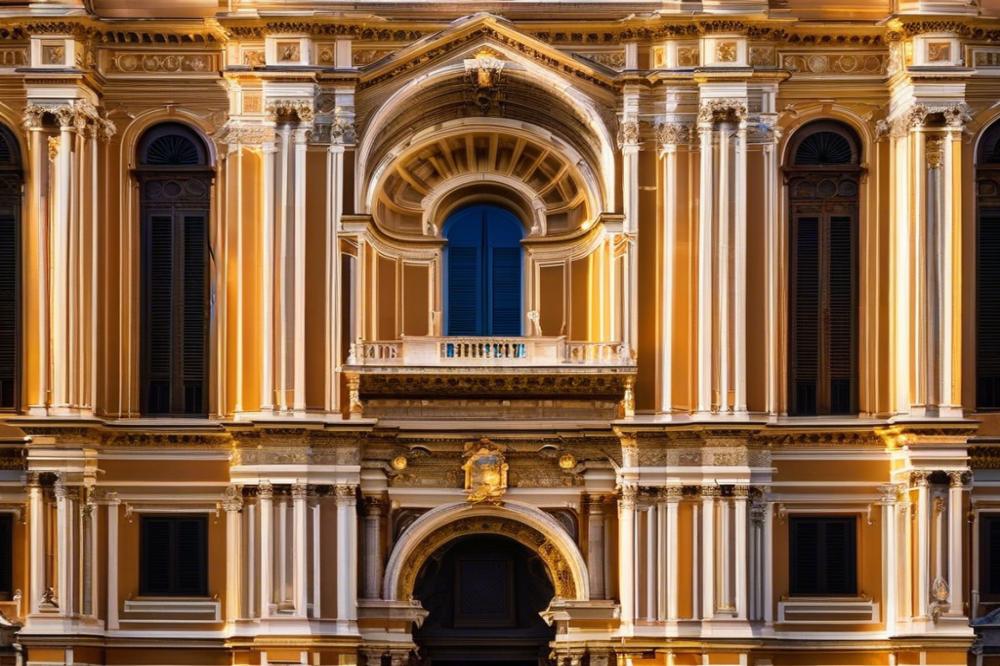
Rome-s-hidden-gem”>Basilica di San Giovanni in Laterano: An Iconic Landmark
When you think of the beautiful city of Rome, you might picture stunning architecture, rich history, and vibrant culture. One of its most remarkable treasures is the Basilica di San Giovanni in Laterano. This magnificent structure stands as a testament to the city’s deep roots in history and spirituality. Known as Rome’s oldest church, it draws visitors from all over the globe.
The allure of Rome as a tourism destination is hard to resist. Millions flock to the city each year to explore its ancient ruins, world-class art, and exquisite cuisine. Yet, among the numerous attractions, a few stand out for their profound significance, and this basilica is at the top of that list.
In the world of Catholicism, this church holds a unique place. It serves as the cathedral of the Bishop of Rome, a role that emphasizes its importance in the Catholic Church. Pilgrimages to this site have taken place for centuries, inviting believers to connect with their faith in a place steeped in history. Visitors can marvel at the stunning art and architecture that adorn the basilica, each detail telling a part of the church’s story.
Recognized as a key landmark in religious and historical terms, the basilica is not only a church but a symbol of faith that has endured the test of time. It represents the blend of spirituality and artistry that defines much of Rome’s cultural heritage.
Basilica di San Giovanni in Laterano: An Overview
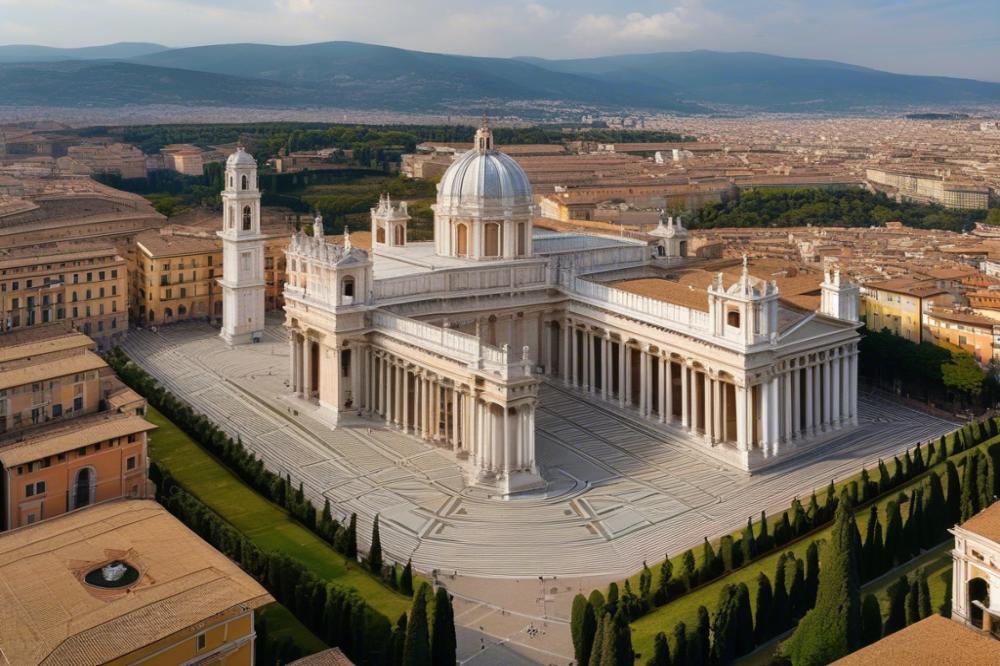
Rome’s Basilica di San Giovanni in Laterano holds a prominent place in the heart of history. Built in the 4th century, this basilica serves as the cathedral of the Diocese of Rome. Its roots trace back to Emperor Constantine, who commissioned the construction shortly after the Edict of Milan in 313 AD. This move marked a significant shift in the relationship between the Roman Empire and Christianity, as persecution waned and acceptance flourished. Over the centuries, the structure has undergone various renovations and expansions, each adding layers to its rich narrative.
The architecture of this landmark reflects a blend of styles, showcasing the evolution of church design over the centuries. Baroque elements harmoniously intertwine with earlier Roman designs. Visitors are often captivated by the ornate façade and grand entrance. Inside, beautifully crafted frescoes and impressive sculptures draw the eye. Many artistic pieces convey deep religious significance, showcasing the importance of Catholicism in the city. Each corner reveals a story, allowing pilgrims and tourists alike to absorb the rich art and design.
Recognized as the oldest church in Rome, it serves as a focal point for Christian sites in the city. Pilgrims from around the world visit to pay their respects and experience the historical ambiance. As the Pope’s ecclesiastical seat, its role extends beyond mere architecture. It embodies centuries of faith, tradition, and community. The basilica stands not just as a structure but as a testament to the enduring spirit of Christianity. Every visit offers a chance to reflect on its vital part in the historical tapestry of Rome.
Religious Significance and Catholic Heritage
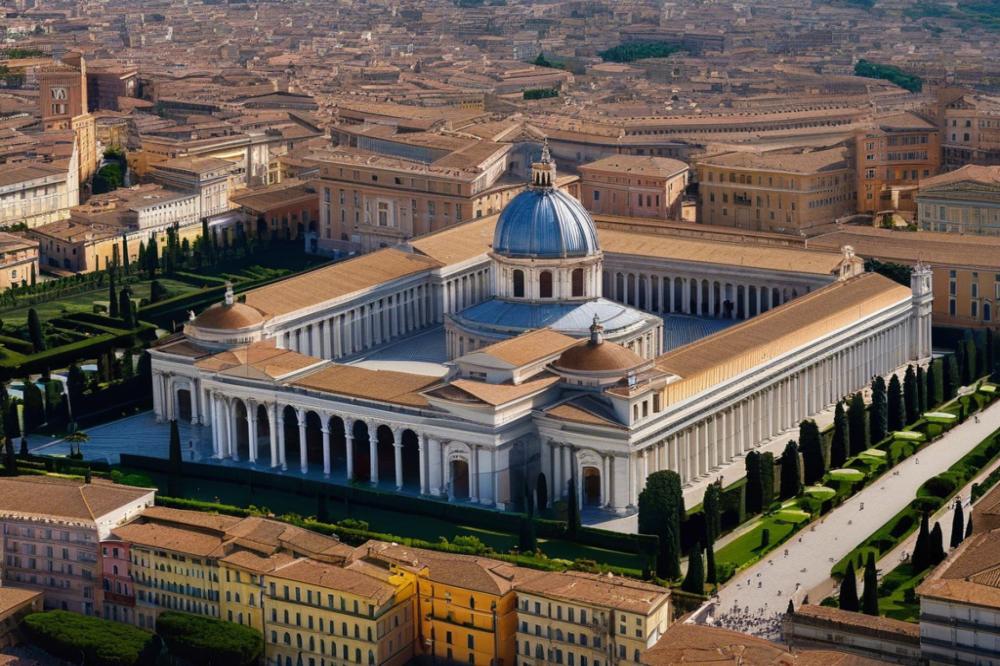
The Basilica di San Giovanni in Laterano holds a profound position in the Catholic Church. It stands as the oldest church in Rome, often regarded as the Mother Church for Catholics. This title is a reflection of its influential role in the history of Catholicism. Significant events and decisions that shaped the Catholic faith have taken place within its walls.
As the cathedral of the Diocese of Rome, it holds a special status. The Pope, as the Bishop of Rome, conducts important ceremonies here. This connection emphasizes its importance as a spiritual landmark. Many people travel to this site to experience its rich history and architectural beauty. Each corner of the basilica tells a story that connects back to the early days of Christianity.
For many believers, this site is also a major pilgrimage destination. Thousands visit each year, drawn by its religious significance. Pilgrims come seeking spiritual renewal and a deeper connection to their faith. The experience of entering this historic site can be transformative. The art and architecture reflect the glory of the Catholic tradition, inviting contemplation and reverence.
Christian sites like this one offer more than just beautiful visuals. They provide a connection to centuries of prayer and devotion. Visitors often find themselves moved by the atmosphere of holiness. This basilica, rich in history, serves as a testament to the enduring nature of faith within the Catholic community.
Art and Architecture Highlights
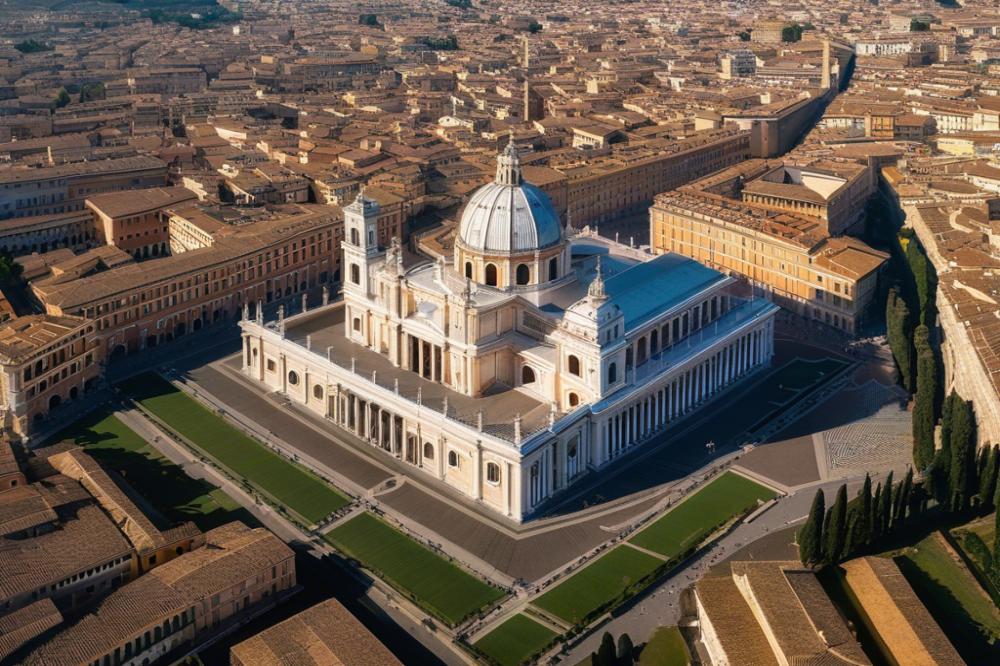
Throughout its long history, the sanctuary has become a treasure trove of artistic masterpieces. Nestled within its walls are remarkable works, like the stunning Baroque sculptures and ancient mosaics that narrate Biblical tales. The details in the mosaics, especially behind the main altar, showcase the skilled craftsmanship of the period. Artists used vibrant colors and intricate designs to inspire reverence among visitors.
The basilica’s architectural features are nothing short of breathtaking. Its grand façade, a mix of Renaissance and Baroque styles, rises majestically. Towering Corinthian columns greet guests as they approach the entrance. Inside, a vast nave stretches forth, adorned with gold accents and magnificent ceilings. Each element contributes to its religious significance, inviting pilgrims and tourists alike to reflect on their faith.
Different architectural styles have influenced the building throughout the centuries. Originally constructed in the 4th century, it has undergone various renovations. Elements of Neoclassicism and Baroque styles emerged later, shaping its current form. As a result, the basilica stands as a testament to the evolution of architecture in Christian sites.
This landmark is a vital part of Catholicism’s heritage. It serves not only as a place of worship but also as a focal point for numerous pilgrims. Various artistic expressions capture the essence of faith, creating an inspiring atmosphere. The cozy chapels within the structure add depth to its beauty, each telling a different story through art.
Visiting the Basilica di San Giovanni in Laterano
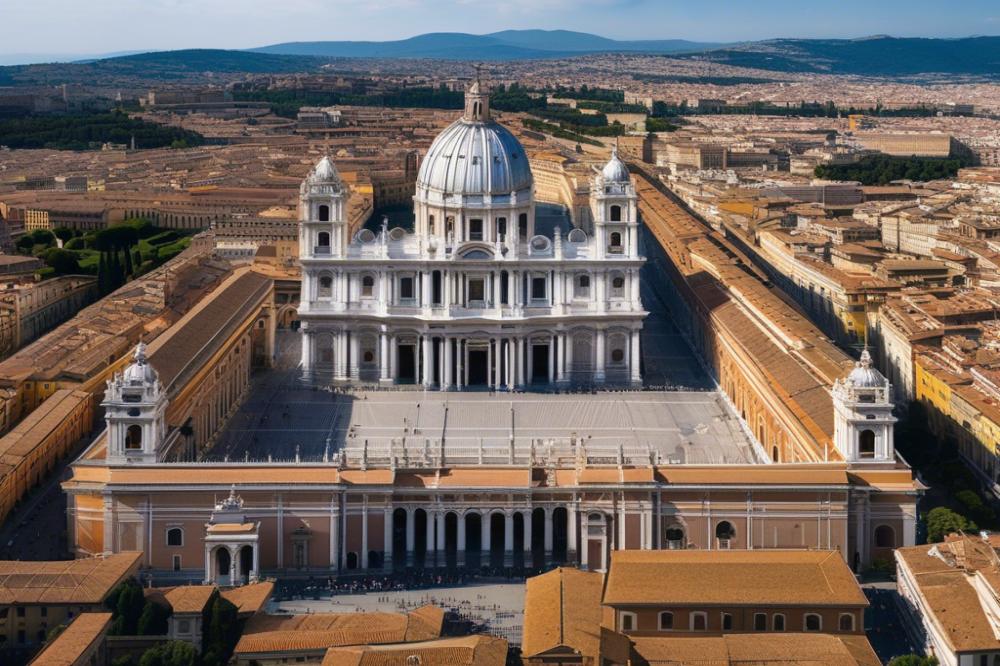
Practical information for tourists: location, hours, and entry fees
The Basilica di San Giovanni in Laterano stands in the heart of Rome. Located on the Piazzale di San Giovanni in Laterano, it is easily accessible through public transport. The nearest metro station is San Giovanni, a short walk away. Opening hours vary; typically, visitors can enter from 7:00 AM to 6:30 PM. Entry is free, making it welcoming for everyone. However, special areas might require a small fee or a guided tour.
Tips for a rewarding visit: guided tours, services, and key areas to explore
Consider joining a guided tour to enhance your experience. Knowledgeable guides can share fascinating insights about the history and architecture of this remarkable basilica. Don’t miss the Papal Altar, an area of great religious significance. The impressive artwork, including beautiful mosaics, deserves attention too. Take time to explore the cloister, which features exquisite sculptures and details that reflect centuries of Catholicism.
Nearby landmarks and Christian sites of interest
While visiting, explore other sites in proximity. The Scala Santa, or Holy Stairs, is a vital pilgrimage destination. These stairs are said to have been walked by Jesus Christ, making them significant for many Christians. The Basilica of St. Mary Major is also a short distance away, offering more stunning architecture and history. In this part of Rome, the rich tapestry of faith and art comes alive. Each location adds to the vibrant story of the city’s past and its continuing journey through time.
Basilica di San Giovanni in Laterano in the Context of Rome’s Christian Sites
The Basilica di San Giovanni in Laterano stands as a critical piece of Rome’s rich tapestry of Christian landmarks. It is not just the oldest church in the city; its importance goes beyond age. This basilica serves as the Cathedral of Rome and plays a central role in the Catholic Church. Many consider it the mother church of all Roman Catholic churches worldwide. Pilgrims visit this site to connect with its historic roots and spiritual significance.
When compared to St. Peter’s Basilica, the Lateran Basilica offers a different experience. While St. Peter’s is known for its immense size and grand architecture, the Lateran exudes a more intimate atmosphere. Elegant arches and beautiful artworks fill the interior. These features showcase the artistic achievements of different eras. Both buildings have immense importance, yet each tells a different story. Visitors may find themselves enchanted by the peaceful aura of the Lateran after experiencing the bustling atmosphere of St. Peter’s.
Other major churches in Rome, such as Santa Maria Maggiore and San Paolo fuori le Mura, also attract attention. Each church has its own unique contributions to the city’s religious narrative. However, the Lateran Basilica is often regarded as the pinnacle of ecclesiastical architecture. Its significance is embedded in the history of Catholicism, marking it as a focal point for those on pilgrimage. Many find the journey to the basilica transformative, enriched with layers of art and history.
Rome’s reputation as a pilgrimage destination is undeniable. Millions visit each year, drawn not just by sites like the Vatican but also by historical landmarks like the Lateran. The connection to early Christianity amplifies its appeal. A visit to the basilica is more than just a trip; it’s a spiritual journey that connects individuals to centuries of faith. Each corner of this sacred place radiates significance, making it a must-see for anyone seeking to understand the depth of Christian history.
A Reflection on the Basilica’s Legacy
The Basilica di San Giovanni in Laterano stands as a monumental testament to the rich history and deep spirituality of Rome. This site serves as a significant link to the past, embodying layers of artistic and architectural achievement. Each corner of the structure tells a story, revealing the faith and devotion of countless generations. As the oldest church in the city, it holds a cherished place not just in the hearts of Romans, but in the wider Christian community.
Visiting this basilica offers a profound experience for anyone interested in art and history. The stunning mosaics, grand statues, and intricate details invite guests to delve into a world of beauty and significance. Such visits are not only about observing art; they provide an opportunity to connect with centuries of spiritual heritage. This connection often leaves a lasting impression, encouraging visitors to reflect and appreciate the richness of cultural traditions that shaped this renowned location.
Impact on tourism is considerable. Countless travelers flock to this sacred space, eager to witness its grandeur. The basilica draws crowds from around the globe, each person looking to partake in its unique ambiance. This influx of visitors supports the local economy and nurtures a vibrant tourism industry. Moreover, it fosters intercultural dialogue, where diverse backgrounds unite in admiration for what has stood the test of time.
In essence, anyone seeking to truly understand the essence of Rome should consider this hallmark of faith and art. An exploration here reveals not only architectural splendor but also a deeper connection to a shared human experience. The opportunity to witness such a landmark is too good to miss, offering a glimpse into the heart of one of the world’s most fascinating cities.

