
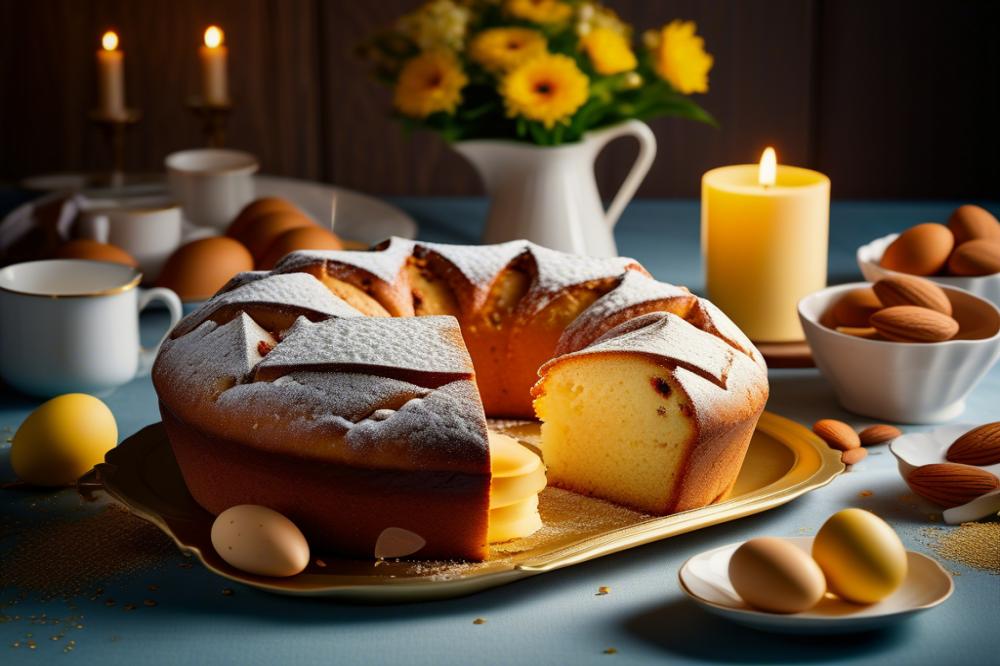
Why Italian Chocolate-easter-eggs”>Easter Cakes Have Stood the Test of Time
Finally, the arrival of Chocolate-easter-eggs”>Easter brings joy, renewal, and delightful culinary traditions. Italian Easter Cakes hold a special place in the heart of Italian cuisine. These desserts are more than just sweet treats; they embody rich cultural heritage and history that have been passed down through generations.
Several types of Italian Easter cakes stand out during this festive season. The Colomba is a traditional dove-shaped cake that symbolizes peace. Meanwhile, the Pastiera is a wheat-based pie that delights with its unique flavors of citrus and spices. Both desserts showcase the flavors of Italy and highlight the importance of seasonal pastries during this joyous celebration.
The role of family recipes cannot be underestimated in the preservation of these festive desserts. Many families treasure their own traditional recipes, sharing them with younger generations. This practice keeps the culinary history alive and connected to the past. Each cake tells a story, a memory, or a family tradition, deepening the bonds between relatives and friends during the Easter holiday.
In conclusion, the significance of Italian Easter cakes goes beyond mere ingredients. They symbolize the spirit of the season and the importance of maintaining cherished baking traditions. As communities gather to share these delightful treats, they also reinforce their cultural identity, ensuring that these sweet masterpieces thrive for years to come.
The Rich History of Italian Easter Cakes
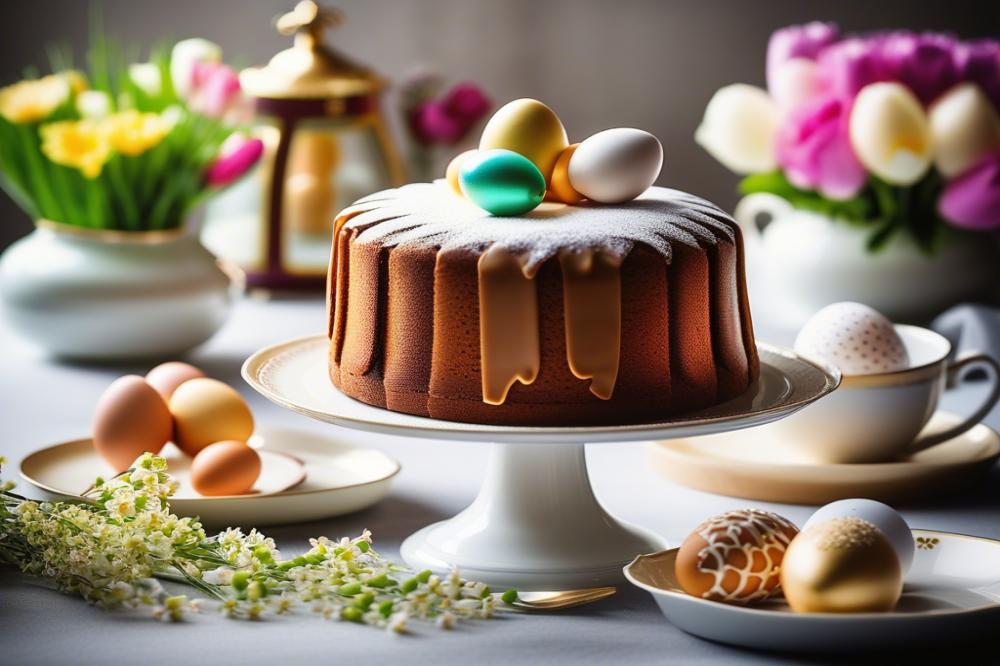
Italy boasts a rich culinary history, especially during festive periods like Easter. Easter cakes play a significant role in Italian cuisine, showcasing regional flavors and traditions. For centuries, families have baked seasonal pastries to celebrate this important holiday. Recipes often reflect local ingredients and customs, which have evolved over time. This evolution reveals how Italian culture cherishes both tradition and innovation.
Each region of Italy has unique influences that shape its baking traditions. For instance, the famous Colomba di Pasqua hails from Northern Italy. This dove-shaped cake, made with flour, butter, and yeast, symbolizes peace and rebirth. On the other hand, Pastiera originates from Naples and is known for its delightful combination of ricotta cheese, orange blossom, and wheat. These iconic desserts demonstrate how historical factors and geographic locations create diversity in flavors and forms.
Family recipes often get passed down through generations, holding great sentimental value. Grandparents teach their grandchildren the importance of these culinary arts, connecting them to their cultural heritage. Such practices help ensure that traditional methods remain relevant in modern kitchens. Baking during Easter becomes more than just preparing food; it becomes a cherished family gathering and a moment to reflect on shared history.
Historical influences, such as agricultural abundance, have also shaped the development of these festive desserts. Ingredients like citrus fruits and nuts, readily available in certain areas, became staples in many recipes. Furthermore, trade and migration introduced new flavors as ingredients traveled across regions. The result is a harmonious blend of flavors in cakes that have stood the test of time.
Ultimately, Italian Easter cakes are a reflection of Italy’s diverse history and strong family bonds. The Colomba and Pastiera not only represent festive treats but also act as symbols of love and unity during a significant season. Each cake tells a story, connecting the present to the past through every bite.
Colomba: The Symbol of Easter
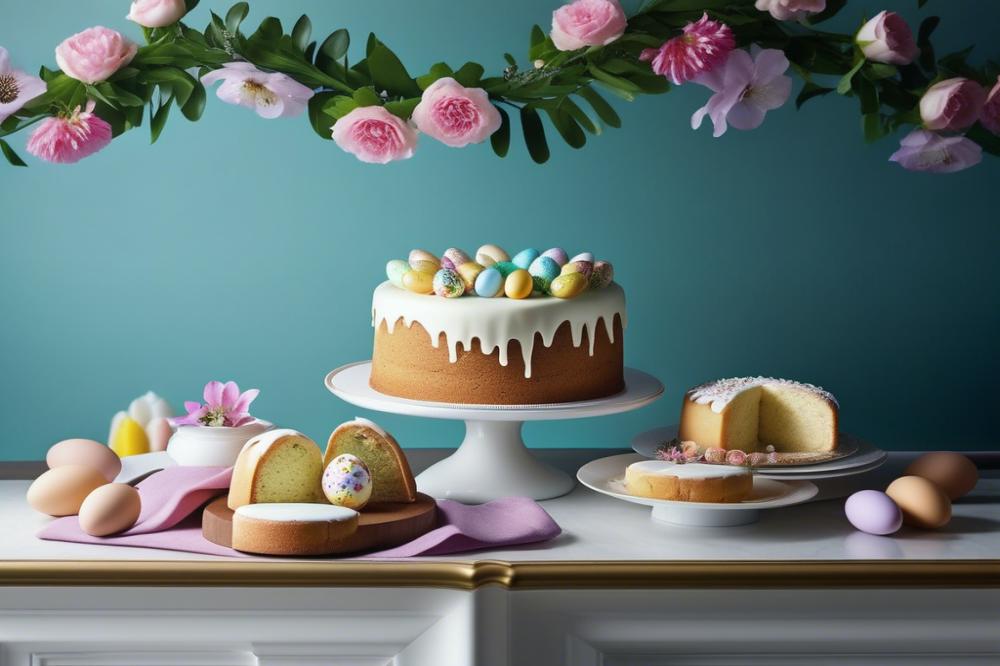
Colomba is a traditional Italian cake shaped like a dove. This pastry is significant during Easter celebrations across Italy. Its origins can be traced back to the Italian region of Lombardy, where it first gained popularity in the 20th century.
As a symbol of peace and new beginnings, the dove shape is particularly meaningful during the Easter season. Easter celebrates resurrection and hope, aligning perfectly with the dove’s symbolism. The use of this design in a cake reflects the spiritual joy that families share during the holiday.
Baking traditions surrounding Colomba involve meticulous preparation. Many families have special recipes passed down through generations. Ingredients for the cake typically include flour, eggs, butter, sugar, and sometimes candied fruits, adding layers of flavor and texture. Often, bakers top the cake with a crunchy almond glaze, enhancing its festive appearance.
Seasonal pastries like Colomba and Pastiera highlight the rich cultural heritage of Italian cuisine. Some families gather to bake together, creating a joyful atmosphere filled with laughter and stories. Such practices help to strengthen family bonds and preserve culinary history.
In essence, the preparation of Colomba represents much more than simply making a cake. It reflects the values of unity, tradition, and celebration that are central to Easter. Through this wonderful dessert, generations connect with each other while honoring their past. This delightful cake has rightly earned its place among the most cherished festive desserts of Italy.
Pastiera: A Taste of Tradition
Pastiera is a delightful pastry that holds a special place in Italian cuisine, particularly during Easter. This traditional cake hails from Naples and combines simple yet meaningful ingredients. Made primarily of a sweet pastry crust filled with ricotta cheese, cooked wheat, eggs, and flavored with orange blossom, each bite reveals a blend of textures and flavors. Many also add candied fruit or spices, enhancing the cake’s rich profile. The unique blend of ingredients brings forth a taste that is both comforting and nostalgic.
The symbolism of Pastiera goes beyond its deliciousness. Each ingredient carries significance tied to Easter celebrations. The wheat represents resurrection and rebirth, while ricotta stands for joy and abundance. Oranges and spices reflect the arrival of spring, symbolizing new life. These associations create a deeper connection to the festive spirit of the season, reminding families that celebration is rooted in both history and hope.
Family recipes play a crucial role in keeping the Pastiera tradition alive. Each family often has its own variation, passed down through generations. As children learn to bake alongside their parents and grandparents, they absorb not only culinary techniques but also cherished memories. This process strengthens family bonds while preserving cultural heritage. Baking Pastiera together transforms the activity into a shared experience that celebrates identity, past, and present.
Other seasonal pastries, such as Colomba, also graced the table during Easter. However, Pastiera stands out with its rich narrative and emotional connections. Many people feel a sense of pride and responsibility when making this cake, knowing they are contributing to a long-standing culinary history. They honor their ancestors by preparing Pastiera in the same way it has been done for centuries, fostering a sense of continuity and belonging.
Celebrating Easter through foods like Pastiera and Colomba is no mere formality. It’s a genuine expression of cultural appreciation. Each slice unveils stories that link families, generations, and histories. Ultimately, this magnificent cake shines as a testament to the love and resilience of Italian baking traditions. Just like the eggs we decorate, Pastiera embodies the essence of hope, unity, and renewal celebrated in this joyous season.
Cultural Heritage and Community Connections
The importance of communal baking during Easter cannot be underestimated. Families gather in kitchens to create traditional seasonal pastries. This practice helps strengthen bonds between relatives and friends. Sharing these festive desserts fosters a sense of belonging. A house filled with the aroma of baked goods becomes a place of joy and connection.
Baking traditions, such as preparing Colomba and Pastiera, are passed down through generations. Each family has its own special twist on these classic recipes. Those differences make every cake special. Family recipes not only provide delightful flavors but also carry stories of the past. This sense of culinary history enriches the Easter celebration.
During modern festivities, these cakes play a significant role. They are often the centerpiece of holiday tables in Italian homes. When families come together to enjoy these treats, they reinforce their cultural heritage. The act of sharing not only brings people together but also keeps traditions alive in changing times. People have even started to create new versions of these beloved cakes, allowing for evolution within the heritage.
Italian Easter cakes also serve as a reminder of the importance of community. They invite conversations and laughter at gatherings. When friends and family come together, the act of baking becomes a shared experience. The joy of creation unfolds, and everyone gets a chance to participate. Efforts to bake together create lasting memories. As people taste these delightful creations, they remember their roots and embrace their culture.
Contemporary Trends and Global Influence
Current trends in Italian confectionery show a strong revival of traditional Easter cakes. Each year, families not only bake but also learn about these festive desserts. Colomba, with its dove shape, symbolizes peace and renewal during the Easter season. At the same time, Pastiera, a rich ricotta cheesecake, is often prepared with seasonal ingredients, honoring both taste and family recipes. Popularity is growing not only in Italy but around the world.
The influence of these cakes stretches beyond Italy’s borders. Many bakeries globally incorporate aspects of Italian Easter confections into their offerings. For instance, various adaptations appear in shops from New York to Melbourne, showcasing how Italian culinary history has enriched festive celebrations everywhere. Local bakers may use traditional recipes as inspiration, putting their unique spin on flavors and presentations.
Younger generations are key to preserving and innovating baking traditions. Here is where modern techniques meet ancient recipes. Enthusiastic home bakers often experiment with ingredients, thus bringing a fresh perspective to age-old dishes. Social media platforms provide a space to share these creations, ensuring that the cultural heritage of Italian pastries is spread far and wide. When they make these seasonal pastries, they also pass down stories of their ancestors, keeping the love for these treats alive.
As trends continue to evolve, the charm of Italian Easter sweets remains strong. In restaurants and households alike, these delectable cakes have found a lasting place in the hearts of many. While the methods of preparation may change, the essence of sharing and celebrating remains unchanged. It’s clear that the love for Colomba and Pastiera will continue to inspire future bakers across the globe.
Timeless Treasures of Italian Traditions
Recapping the reasons behind the lasting charm of traditional Easter cakes offers insight into their significance. Generations of families have cherished these delightful desserts, creating bonds over shared recipes and memories. The flavors and textures reflect an important part of Italian cuisine, combining history, culture, and celebration. Each cake represents craftsmanship that has been passed down, making them not just food, but symbols of resilience and creativity.
Culinary practices are often woven into the fabric of cultural identity. People connect with their roots through food, and these cakes resonate deeply during holiday gatherings. They embody love, festive spirit, and a sense of belonging among loved ones. Celebrating Easter with these desserts connects one to a broader community and an age-old tradition that remains relevant.
Exploring and appreciating these delightful creations during Easter can bring joy to anyone’s celebrations. The act of baking or enjoying these cakes can become a cherished ritual, inviting everyone to participate in a rich tapestry of heritage and flavors. Why not dive into this delectable tradition? Celebrate with family and friends, and remind ourselves why these treats have stood the test of time.

