

Introduction
Italy boasts a rich tapestry of natural beauty, where Wild Herbs thrive among the rolling hills and vibrant landscapes. These plants hold significant meaning in Italian culture. They connect people to traditions passed down through generations. Families often gather to incorporate these treasures into their lives.
culinary herbs play a vital role in Italian cuisine. Chefs and home cooks alike admire them for adding flavor to a wide range of dishes. Beyond the kitchen, herbal remedies are cherished for their healing properties. Various regions recognize the importance of these plants in traditional medicine. Some common wildflowers have been used for hundreds of years to soothe ailments and improve health.
Foraging has become an exciting way to discover these botanical wonders. Imagine wandering through the countryside, filled with the scent of fresh greenery. Adventurous food lovers search for edible plants that enhance their meals. Learning about plant identification is essential for safe foraging. Without this knowledge, one might confuse a safe herb with a harmful counterpart.
Each region of Italy offers unique flavors shaped by the local environment. The diverse climate and soil conditions contribute to a variety of Medicinal Plants and wild edibles. Many families have their secret spots for gathering these precious ingredients. Enjoying the fruits of this labor fosters a deep appreciation for nature and its offerings.
Wild Herbs symbolize a lifestyle closely linked with the land. They remind people of the importance of sustainability and herb-rich diets. As awareness grows, a new generation is stepping into the world of foraging, eager to explore this traditional practice.
Understanding Wild Herbs

Wild herbs are plants that grow naturally in various environments without human cultivation. They often have a stronger flavor than cultivated herbs. Many of these plants, such as nettles and dandelions, thrive in fields, forests, and along roadsides. Their vibrant blooms often attract bees and butterflies, adding beauty to the landscape. Edible plants in this group can offer both culinary and medicinal benefits.
culinary herbs typically refer to those cultivated in gardens or farms. These are grown in controlled conditions and chosen for their specific flavors. On the contrary, wild herbs come from untamed areas and have adapted to their surroundings. Foraging is the act of searching for these wild edibles. This practice connects people to nature while providing flavorful and nutritious ingredients.
Italian cuisine showcases the rich variety of these herbs. Many regional dishes incorporate wildflowers and herbs, highlighting local flavors. Basil and oregano might be well-known, but wild plants like chicory and wild garlic provide special tastes. Traditional medicine also makes use of these herbs. Herbal remedies made from foraged plants have been part of Italian culture for generations. They are often prepared to treat various ailments, enhancing the connection between nature and health.
Plant identification is key for safe foraging. Knowledge of which plants are edible helps avoid harmful ones. It is important for enthusiasts to learn how to recognize different species. Many resources, like guides and local classes, can aid in this journey. Respecting nature and understanding each plant’s role in the ecosystem also adds to the experience.
Culinary Uses of Wild Herbs
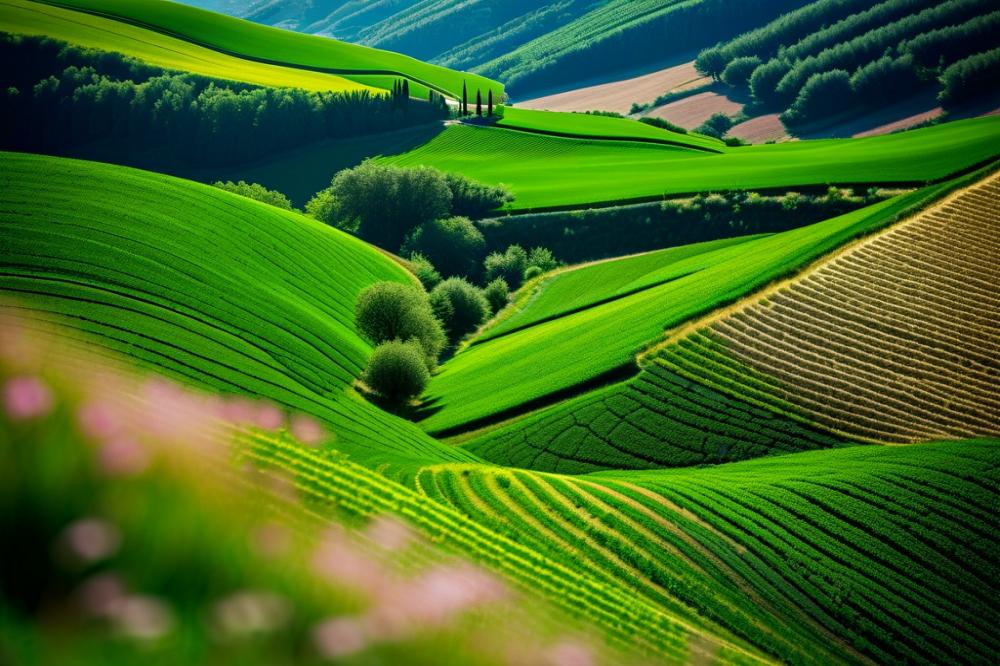
Italy boasts a rich variety of culinary herbs that flourish in its diverse landscapes. Each region has its own selection of edible plants, making for a flavorful tapestry of Italian cuisine. Foraging for these plants can be an exciting adventure for anyone passionate about cooking.
Common Wild Culinary Herbs Found in Italy
Popular culinary herbs include oregano, wild fennel, and thyme. Oregano, often found in the wild, is famous for adding depth to sauces and meats. Wild fennel, with its distinct anise flavor, enhances everything from fish dishes to salads. Thyme is another treasure, commonly used in marinades and stews.
Regional Flavors and Traditional Dishes Featuring Wild Herbs
Each region in Italy offers unique flavors influenced by its wild flora. In Tuscany, you might taste the powerful essence of wild rosemary in roasted lamb. The Ligurian coast showcases wildflowers like borage, often mixed into a fresh salad. In Sicily, wild capers add a tangy punch to local pasta recipes. Traditional medicine practices often incorporate these same herbs for their health benefits, making them double duty ingredients in kitchens across Italy.
Tips for Foraging and Incorporating Wild Herbs into Cooking
Foraging can be as enriching as cooking itself. Start with proper plant identification. Knowing how to distinguish edible plants from poisonous look-alikes is crucial for safety. Bring along a field guide or use a reliable app to help you recognize what you find. After collecting, be sure to rinse the herbs well.
When it comes to cooking, freshness matters. Use these herbs immediately for the best flavor. They can be added to dishes like risotto, infused into oils, or blended into pestos. Don’t hesitate to experiment! A sprinkle of dried wild herbs can create a delightful flavor boost in simple recipes too.
Incorporating foraged herbs into your meals not only enhances taste but also connects you to the land. This connection deepens your appreciation for the natural world and Italian traditions. Each handful of herbs carries the essence of its environment, turning every bite into a celebration of Italy’s vibrant natural heritage.
Medicinal Properties of Wild Herbs
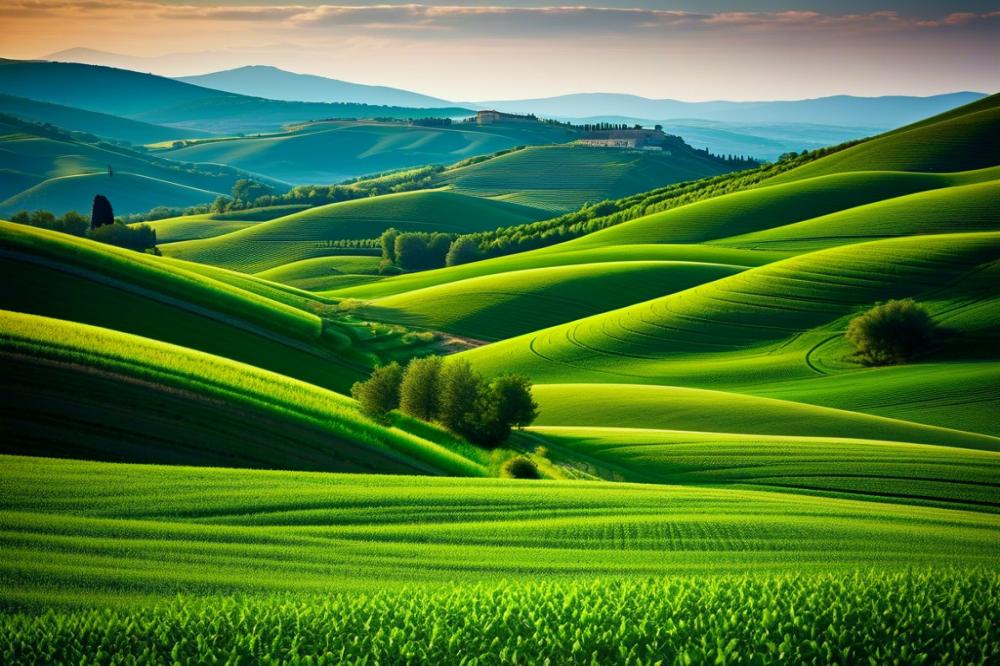
Herbal remedies from wild plants have been a part of Italian culture for centuries. Many people turn to nature to find solutions for common ailments. The rich landscape of Italy is home to various edible plants that possess medicinal properties. Foraging has become a popular activity, allowing individuals to discover these treasures. A handful of herbs can serve both culinary and health purposes.
Traditional Medicine Practices Using Wild Herbs in Italy
In Italy, using plants for traditional medicine often involves knowledge passed down through generations. Families have relied on local flora for natural remedies. For example, certain wildflowers can be steeped into teas to improve digestion or ease respiratory issues. Many regional flavors in Italian cuisine highlight herbs known for their healing effects. These practices emphasize the connection between health and food, reminding people that what they consume can impact their wellbeing.
Popular Wild Herbs Used for Specific Health Benefits
Several common herbs are especially valued for their health benefits. Chamomile, often found in gardens, is renowned for its calming effects. It helps with sleep and digestion. Then there’s St. John’s Wort, commonly used as a natural remedy for mood support. Its bright yellow flowers are easy to spot in the wild. People often gather it during summer months.
Another herb, nettle, is a powerhouse of nutrients. Many use it for its anti-inflammatory properties. Nettle leaves can be cooked down like spinach or used in herbal infusions. Dandelion is also notable; its roots and leaves are celebrated for supporting liver health. Each of these plants has distinct characteristics that make them suitable for specific health needs. Identifying edible plants on hikes can be rewarding.
In addition to these, thyme and oregano frequently appear in kitchens around the country. Beyond enhancing flavor, they offer antimicrobial benefits. Understanding how to apply these culinary herbs for health is part of the journey of rediscovering nature’s gifts.
Plant Identification and Safety

Foraging can be an exciting adventure, but safety is key. Learning how to identify plants correctly is crucial for your well-being. Many culinary herbs and wildflowers may look appealing, but some can be toxic. Always remember: when in doubt, leave it out.
Start by familiarizing yourself with some common edible plants found in Italy. Basil, oregano, and rosemary are popular choices. Each has its own unique flavor and uses in Italian cuisine. Yet, various lookalikes can cause serious health issues. For example, the poisonous hemlock can resemble harmless wild carrots, making proper identification vital.
One of the best techniques for distinguishing between edible and toxic plants is observing the details. Check leaf shape, flower color, and growth patterns. A field guide can help with this. Many have pictures and descriptions, making it easier to spot differences. Additionally, joining a foraging group can provide hands-on experience. Learning from experts who know their herbal remedies can be very beneficial.
Educate yourself about the specific regions where various plants grow. Each area in Italy offers distinct regional flavors and herbs. Be mindful that some edible plants may only thrive in particular climates or habitats. Check with local resources for recommendations on safe foraging areas.
Online communities and workshops focus on traditional medicine and plant identification. They can be a treasure trove of information. Watching videos or reading articles about wild herb identification can also enhance your knowledge. Engaging with these resources may boost your confidence when trying out new plants.
Pay attention to the seasons as well. Many edible plants have specific times of the year when they’re at their best. For example, elderflower blooms in early summer, making it perfect for syrups and infusions. Understanding plant cycles not only enhances your foraging skills but also your appreciation for the natural world around you.
Finally, always conduct thorough research before incorporating any new plant into your diet. Some may have medicinal properties, while others might cause unexpected reactions. Knowing how to forage safely and recognize the right plants ensures your experience remains enjoyable and healthy.
Conservation and Sustainability
Sustainable foraging practices are essential for protecting Italy’s rich natural heritage. When people gather culinary herbs, they should always be mindful of their impact on the environment. Harvesting too many plants can lead to a decline in local populations. By foraging responsibly, individuals help maintain balance in natural ecosystems. This balance is crucial for the growth of edible plants and the survival of various wildlife.
Wildflowers play an important role in any ecosystem. They support pollinators, which are vital for plant reproduction. Overharvesting can disrupt these intricate relationships. Understanding plant identification can aid foragers in selecting herbs while leaving others untouched. It’s essential to recognize not just the edible varieties but also those that need protecting.
Awareness and Conservation Efforts
With the growing interest in traditional medicine and herbal remedies, the need for conservation becomes increasingly important. Many individuals are enthusiastic about learning which plants can enhance Italian cuisine. However, without proper education, some may unintentionally harm local flora. Promoting awareness of sustainable harvesting techniques will benefit both the environment and those who enjoy foraging.
Regional flavors that define Italian cooking rely heavily on the availability of diverse plants. Protecting these resources means future generations can experience the same vibrant tastes. Community efforts often create programs that educate about sustainable practices. Engaging local groups can foster a sense of stewardship, encouraging everyone to participate in conservation efforts.
Ultimately, understanding the impact of wild herb harvesting is vital. Conservation isn’t solely about protecting specific species. It involves recognizing the entire ecosystem and the role each plant plays. By fostering respect for nature, individuals contribute to a healthier environment, ensuring that natural remedies remain available for years to come.
Final Reflections on Italy’s Herbal Treasures
Wild plants hold a notable place both in the kitchen and in traditional healing practices. They add incredible flavor to dishes while also offering numerous health benefits. Culinary herbs like basil, rosemary, and wild thyme bring life to Italian cuisine. At the same time, many of these plants have been used for generations to treat common ailments. This dual significance highlights their value in our lives.
Readers should feel inspired to embark on their own journeys into the Italian countryside. Foraging can be a rewarding experience that connects you with nature and local traditions. Each herb you discover tells a story of the land and its people. Many pathways lead to stunning locations where these plants grow, waiting to be appreciated.
Herbal knowledge has been passed down through generations, representing a deep cultural heritage. Rituals surrounding the use of these plants emphasize their importance in daily life and wellness. There is much beauty in understanding the roles these herbs play in community and family traditions. Embracing the wisdom of the past allows us to nurture a richer connection with the present.
Ultimately, the exploration of Italy’s natural bounty invites us to indulge our senses. The aromas of fresh plants and the taste of wild-infused dishes can transform ordinary moments into extraordinary memories. Take the time to learn about these important resources. Discovering your local culinary treasures may lead to new passions and a greater appreciation for the world around you.

