

Overview of Favignana and the history-charm-and-local-flavors-of-italy-s-pontine-archipelago”>Egadi Islands
Nestled in the azure waters of the Mediterranean, the history-charm-and-local-flavors-of-italy-s-pontine-archipelago”>Egadi Islands are a picturesque cluster off the western coast of Sicily. Favignana, the largest island among them, captures the essence of this stunning archipelago. With its rugged coastline and tranquil bays, it offers more than just breathtaking beauty; it is a rich tapestry of culture and history.
Sicilian islands like this play an essential role in the Mediterranean region. They have long served as a vital crossroads for trade and cultural exchange. Their strategic location has shaped their histories, from ancient times to the present. Here, traces of the past are interwoven with contemporary life, telling stories of fishermen and traders who have called these islands home.
History is not the only focal point of these islands, however. tuna fisheries have thrived in these waters for centuries, shaping both the economy and the local way of life. The traditional fishing methods used here are a testament to a time-honored tradition that has sustained families for generations. This fishing culture has also influenced Sicilian cuisine, bringing delicious seafood to the tables of both locals and visitors.
Tourism thrives on these islands, drawing travelers eager to explore the stunning scenery and rich biodiversity. The crystal-clear waters are teeming with wildlife that captivates nature enthusiasts and casual swimmers alike. Visitors can hike along scenic trails, relax on pristine beaches, or delve into the island’s culinary delights. Each corner of the Egadi Islands offers something new and exciting.
In summary, this enchanting part of Italy combines history, agriculture, and breathtaking landscapes. Favignana and the other Egadi Islands provide a unique glimpse into the heart of Sicilian life. They invite all who visit to appreciate their natural treasures and rich heritage.
The History of Favignana
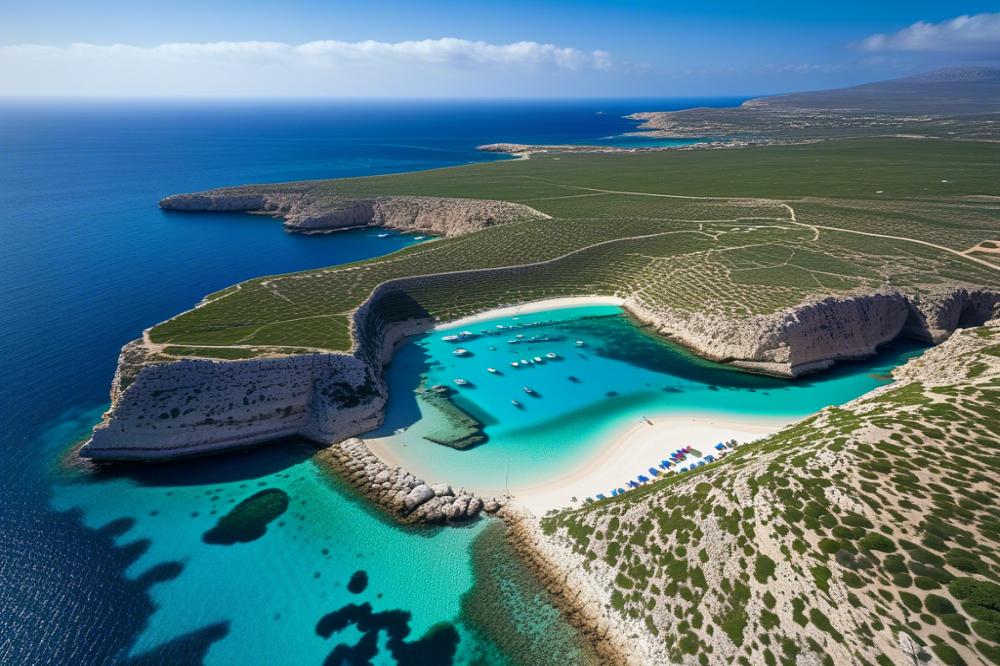
Favignana has a rich past, marked by various ancient settlements and cultural influences. Archaeological evidence suggests that the island was inhabited since prehistoric times. Rock engravings and old tools show the early presence of humans. Sicilian islands have long attracted traders and settlers, and this one was no exception.
During the Roman Empire, the island played a notable role. It served as a stopover for merchants navigating the Mediterranean. Cargo ships would fill their holds with local goods, including fish, which were essential in Roman diets. The Romans also introduced advanced fishing techniques that shaped local practices.
Later, the Arab conquest of Sicily influenced Favignana’s development significantly. Arabic settlers brought new ideas about agriculture and fishing. Their techniques improved the tuna fisheries, making them more efficient. Under Norman rule, the island’s structure transformed further. Castles and fortifications were built, showcasing the strategic importance of this location.
Fishing has been more than just an occupation; it carved the economic landscape of the island. The tuna fisheries became the backbone of everyday life. Generations of families leaned on fishing as a primary source of income. Their efforts not only supported local communities but also contributed to distinct aspects of Italian cuisine.
The stunning scenery surrounding Favignana attracts visitors today. Crystal-clear waters offer breathtaking views and vibrant marine life. Tourists come not only for the beauty but also to explore the island’s rich history. In addition to breathtaking landscapes, the fishing culture remains intact. Traditional methods are still practiced, creating a bridge between the past and present.
Wildlife thrives in this unique environment, adding charm to the island. Nature lovers often visit to experience the diverse ecosystem. The blend of history and natural beauty makes Favignana a truly appealing destination.
Tuna Fisheries in Favignana
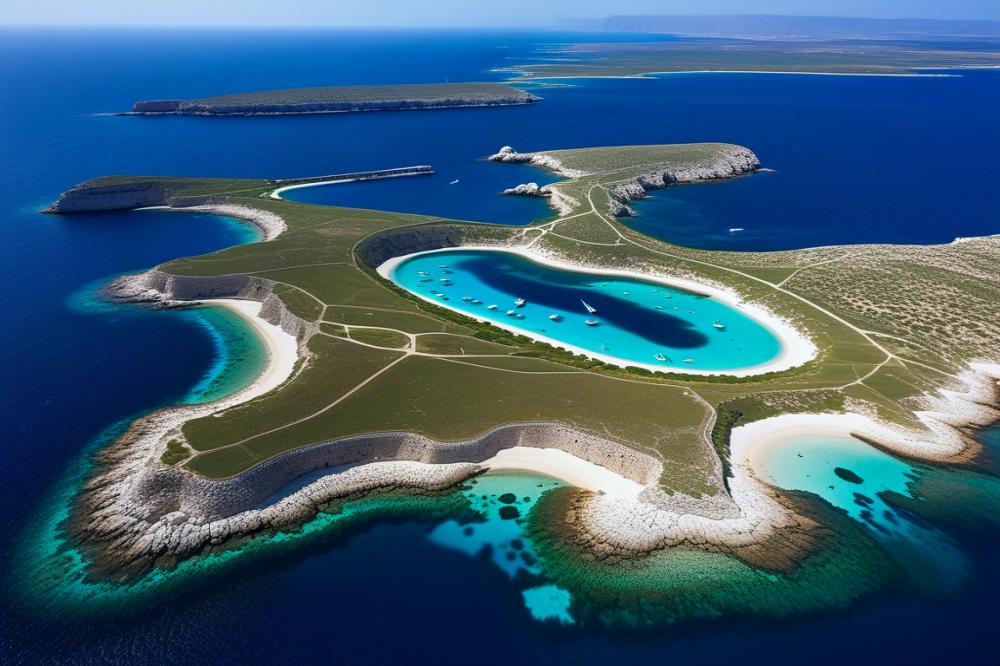
Tuna fishing has deep roots in the history of the Sicilian islands. Traditional methods have been passed down for generations. Fishermen used to craft equipment by hand, striking a balance between skill and nature. The colorful boats, called “tonnare,” played a vital role in capturing tuna.
The Mattanza: Cultural Significance and Rituals
A central part of this fishing culture is the Mattanza, a unique ritual that symbolizes the artistry of tuna fishing. This practice is more than just a catch; it embodies respect for the sea and its creatures. During the event, fishermen would work together, using techniques that have existed for centuries. Spectators would gather, witnessing an age-old dance between man and fish. The Mattanza not only highlights the prowess of local fishermen but also serves as a celebration of heritage.
Economic Impact of Tuna Fisheries on Local Community
Tuna fisheries have greatly influenced the local economy. Many families relied on this trade to sustain themselves. The fish would be processed and sold, contributing to the region’s reputation in Italian cuisine. The bounty of the sea also brought tourism to the islands. Visitors are drawn to the stunning scenery, the crystal-clear waters, and the cultural history surrounding tuna fishing.
Decline of Tuna Fishing and Conservation Efforts
Stunning Scenery of the Egadi Islands
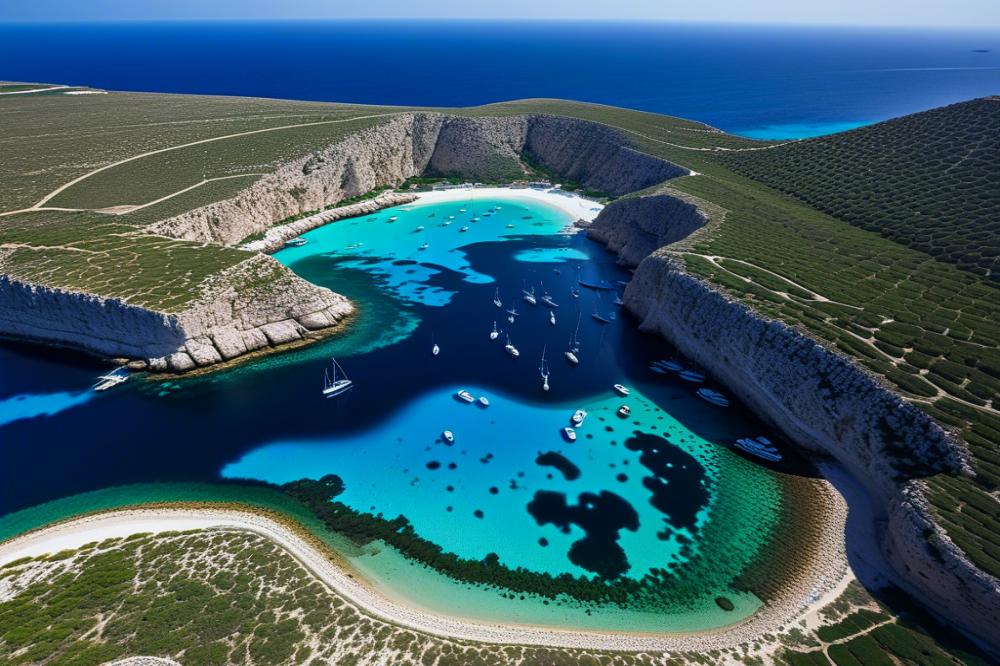
The Egadi Islands, located off the western coast of Sicily, boast remarkable geographical features. The rugged coastline of Favignana captivates visitors with its limestone cliffs and hidden grottoes. Charming hills provide a stark contrast to the sparkling sea, creating a picturesque landscape. These Sicilian islands are known for their breathtaking beauty, drawing tourists from all over.
Crystal-clear waters lure swimmers and divers alike. Many visitors are enchanted by the vibrancy of the marine life below the surface. Snorkeling allows one to explore coral reefs and colorful fish, making for an unforgettable experience. Beaches like Cala Azzurra and Lido Burrone become havens for relaxation and sunbathing.
Popular Sites: Beaches, Coves, and Scenic Views
Beaches and coves dot the coastline, offering something for everyone. Cala Rossa is famous for its stunning sunset views, while the small cove of Cala Francesi offers tranquility. Each spot has its own charm, creating endless opportunities for exploration. Hiking trails leading to high viewpoints reward adventurers with panoramic vistas of the Mediterranean Sea.
Visitors also enjoy the sights of traditional fishing boats, adding to the island’s allure. This landscape is a reminder of the fishing culture that has shaped the area for generations. Visitors can find small harbors bustling with activity, highlighting the region’s rich history rooted in tuna fisheries.
Wildlife and Natural Parks in the Region
Nature reserves enhance the allure of the Egadi Islands. The protected area of the Aegadian Islands National Park is home to various bird species and rare plant life. Here, you might spot a Sardinian Warbler or hear the call of a Bonelli’s Eagle. Preserving this wildlife is crucial for maintaining the ecological balance of the islands.
Furthermore, the Mediterranean environment offers unique opportunities for exploration. Guided tours often focus on the region’s flora and fauna, providing insights into the local ecosystem. The vibrant natural surroundings add to the overall appeal of this enchanting destination.
With stunning scenery around every corner, the Egadi Islands capture the hearts of all who visit. The combination of wonderful beaches, rich wildlife, and dramatic landscapes ensures that every moment spent here is worthwhile. Tourism thrives in this magical setting, as guests indulge in Italian cuisine and explore the beauty of their surroundings.
Fishing Culture and Italian Cuisine
Fishing plays a vital role in the local way of life on the Sicilian islands, especially in the Mediterranean region. Generations of islanders have relied on the sea for sustenance and livelihood. The waves have shaped both the culture and the economy of these areas. This reliance on the ocean has fostered a deep respect for marine wildlife.
Sicilian cuisine showcases a rich tradition of seafood dishes that highlight the freshness of local ingredients. A meal here often features fish that is caught the same day, bringing the ocean’s bounty right to the dining table. Seafood is not just food; it is part of the island’s heritage. Locals take pride in their culinary skills, often passing down recipes through families.
Notable dishes include “Couscous di Pesce,” a delicious blend of couscous paired with a variety of fishes and shellfish, showcasing the region’s fishing talents. Savoring fresh grilled tuna, seasoned simply with olive oil and lemon, offers a taste of the sea. Moreover, “Sgombro” (mackerel) served with a side of roasted vegetables exemplifies how seafood shines in this vibrant cuisine.
The connection between fishing culture and tourism is evident as visitors flock to experience this culinary heritage firsthand. Tourists are often drawn to the fishing villages, eager to sample authentic Sicilian seafood. Unique local festivals celebrating the tuna fisheries attract crowds and allow visitors to engage with this fascinating way of life. In addition, restaurants serve dishes that reflect the region’s fishing traditions, creating a genuine taste of the islands.
Crystal-clear waters surrounding the islands provide an ideal environment for both fishing and swimming. While tourists explore the stunning scenery, they also become immersed in the fishing practices that define the local culture. This interaction enriches their experience, adding depth to their understanding of how important fishing is to the community.
Tourism on the Egadi Islands
Growth in tourism has transformed the Egadi Islands in recent years. This increase has had a noticeable impact on Favignana, drawing attention to its rich history and vibrant fishing culture. Visitors flock to these Sicilian islands, drawn by stunning scenery and the allure of crystal-clear waters. The influx of guests boosts the local economy, offering new job opportunities and supporting businesses focused on hospitality and Italian cuisine.
Various activities await those who make the journey to the Egadi Islands. Diving enthusiasts can explore colorful marine life and fascinating underwater landscapes. Hiking trails wind through beautiful terrains, revealing breathtaking views of the Mediterranean. Cultural tours provide insights into ancient traditions and the significant role tuna fisheries have played in shaping community life.
Tourism also plays a crucial part in preserving local heritage. An appreciation for wildlife and historical landmarks has grown among both locals and visitors. This newfound interest can lead to preservation efforts that safeguard the islands’ unique identity. Traditional fishing methods and crafts are increasingly celebrated, providing a glimpse into the region’s deep-rooted culture.
Nonetheless, challenges accompany tourism growth. Infrastructure must keep pace with rising numbers of travelers. Balancing economic benefits with ecological sustainability remains vital for local leaders. Striking this balance means developing sustainable practices that protect the environment and enhance the visitor experience. Local initiatives, such as eco-tourism programs, aim to educate guests about environmental stewardship while enjoying the islands’ natural beauty.
The Egadi Islands present an inviting destination filled with rich history, outdoor adventures, and culinary delights. As tourism evolves, it is essential to foster a harmonious relationship between visitors and the fragile ecosystem. By addressing challenges and implementing sustainable practices, the future can hold promise for both residents and tourists alike.
Final Thoughts
Favignana and the Egadi Islands stand out because of their rich history, vibrant culture, and breathtaking landscapes. Visitors are often captivated by the charm of the island and the centuries-old traditions surrounding the tuna fisheries. These fisheries have played a significant role in shaping the local community and its economy. Each year, they highlight the deep connection between the people and the sea, which is a story worth telling.
Preserving this area is essential. Efforts to maintain the cultural heritage and natural beauty of the islands will benefit future generations. Local customs, stories, and culinary delights are treasures that should not be lost over time. When people explore these islands, they help keep the spirit of the community alive. Respecting the environment and supporting local businesses are vital parts of this journey.
Adventure awaits you in the Egadi Islands. Natural wonders, historical sites, and warm hospitality draw visitors from around the world. Take time to wander through the picturesque villages, swim in the clear waters, and savor the flavors of local cuisine. Each moment spent here reveals something special. By visiting, you honor the past while enjoying the beauty that continues to inspire those who come here. So, pack your bags and prepare to discover the magic of these islands.

