
Understanding Sardinia customs and Etiquette
Experiencing Sardinia goes beyond enjoying its stunning beaches and breathtaking views. Local customs provide a significant context for interactions with the people and their rich traditions. Understanding these customs becomes essential for anyone looking to immerse themselves fully in the island’s culture.
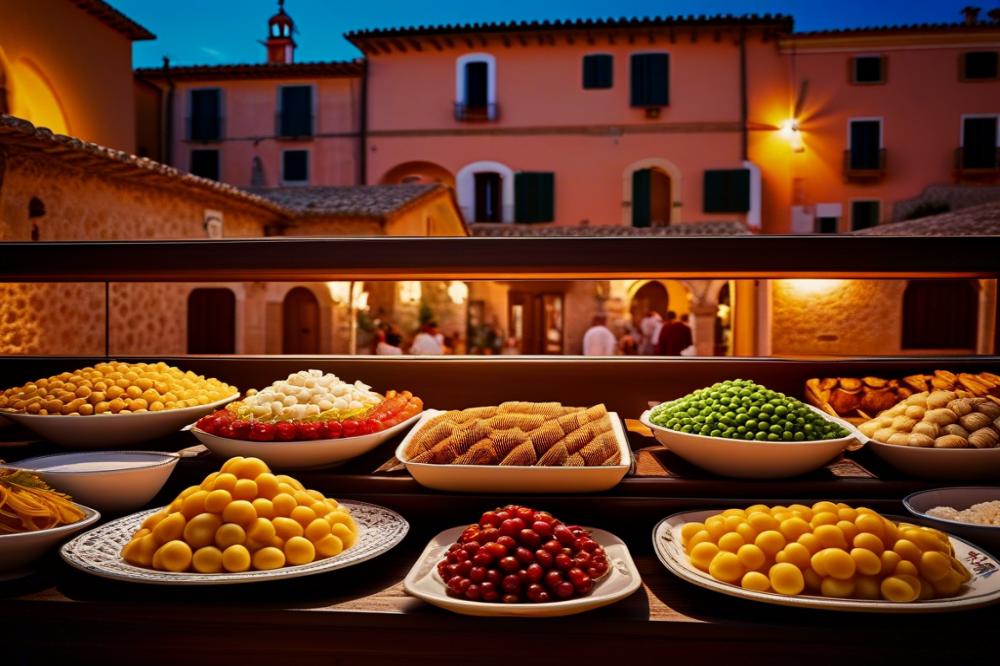
Food plays a vital role in Sardinia. Each meal tells a story deeply rooted in regional pride. Specialties such as malloreddus (Sardinian gnocchi) and porceddu (roast suckling pig) reflect the island’s agricultural heritage. Festivals celebrate these culinary delights, showcasing both food and community spirit.
Moreover, local rituals often come alive during these lively gatherings. Sardinian etiquette emphasizes hospitality. Visitors are frequently welcomed with open arms. It’s customary to share meals with your hosts, making food a bridge across diverse cultures.
Social norms can vary, especially compared to mainland Italy. Dress codes might lean toward casual yet traditional, especially during festivals. Respecting these details enhances any experience on the island. When participating in events, whether small gatherings or large festivals, it’s essential to embrace Sardinia customs.
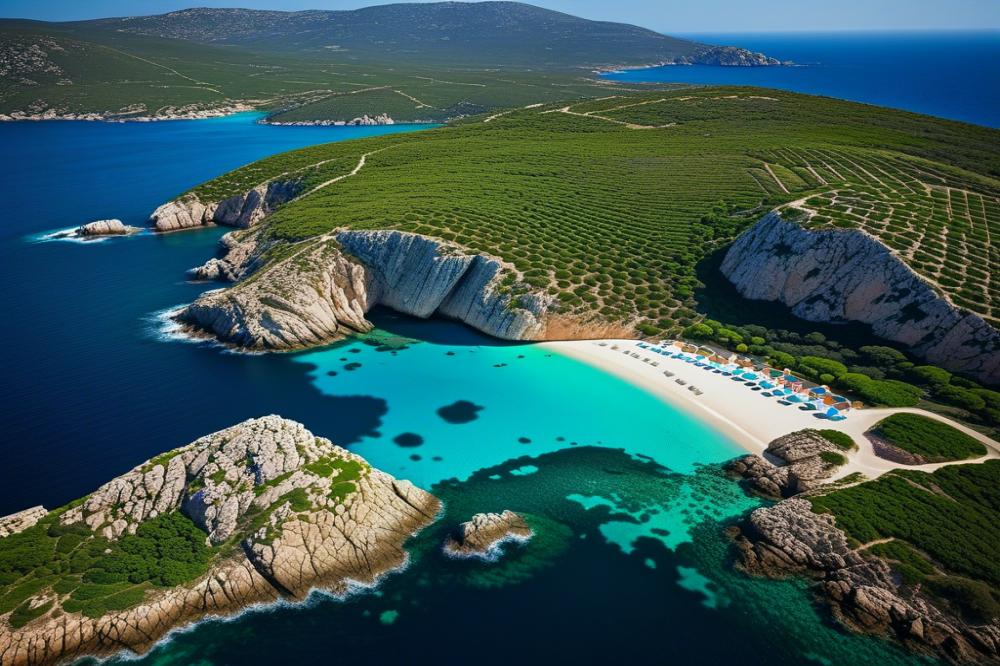
Lastly, the Sardinian landscape, characterized by both rugged mountains and pristine coastlines, mirrors the island’s allure. By remaining aware of these cultural practices, visitors will forge a deeper connection with Sardinia and its people. Engaging with the local customs will not only enrich the experience but also leave lasting memories.
Sardinia Customs and Social Norms

Sardinia is rich in traditions and culture. Visitors will notice the deep regional pride that the locals exhibit. This pride significantly influences social interactions among the Sardinians. People here share a strong connection to their island’s history and heritage, which they celebrate with excitement.
Hospitality is a core aspect of life in Sardinia. When invited to a local home, it is polite to bring a small gift, such as sweets or a bottle of wine. Guests can expect a warm welcome filled with engaging conversations and hearty laughter. Sardinians genuinely appreciate the time spent with others, making it a point to foster connections.
Food plays an essential role in Sardinian culture. Traditional meals are often served during gatherings and celebrations. Tasting local delicacies, such as culurgiones (stuffed pasta) or porceddu (roast pig), is a must. Sharing food is a way to bond and enjoy each other’s company, adding to the sense of community.
Festivals are a vibrant aspect of Sardinia’s social life. Each town holds its own unique event, showcasing local rituals that reflect the island’s traditions. Events like the Candelieri Festival and the Sartiglia include music, dance, and costumes that draw crowds from near and far. Attending these celebrations can provide visitors with insight into the local way of life.
The Sardinian landscape also influences social norms. The rugged terrain and picturesque vistas inspire appreciation for nature. Locals often engage in outdoor activities like hiking and swimming, encouraging a lifestyle that values physical health and natural beauty. This relationship with the land fosters an informal and relaxed atmosphere.
Dress code varies depending on the occasion. In casual settings, comfortable clothing is acceptable. However, attending a festival might require a more polished outfit. Traditional attire, especially during celebrations, features bright colors and intricate designs. Wearing such clothing shows respect for the culture and its traditions.
Respect is crucial in this society, particularly in how people address each other. Using first names is often reserved for close friendships. Initially, it is better to start with formal titles. This respect is a vital element in social interactions.
Overall, understanding these customs can enhance any visit. Locals appreciate when visitors engage with their culture and traditions. Being polite and respectful will lead to richer experiences and memorable moments in Sardinia. Engaging in conversations about local life can also deepen connections with the people of this beautiful island.
Sardinian Food and Culinary Etiquette

Food holds a special place in Sardinian culture. It’s more than sustenance; it represents traditions and regional pride. Sardinians take immense pride in their culinary heritage, often showcasing local ingredients and time-honored recipes passed down through generations. The landscape of Sardinia provides a wealth of fresh produce, making the food vibrant and flavorful.
Traditional dishes reflect the island’s history and geography. One must-try specialty is porceddu, a succulent roasted suckling pig served at many celebrations. Another beloved dish is culurgiones, a type of stuffed pasta that highlights local potatoes and pecorino cheese. During festivals, such as Sagra di San Giovanni, families gather to enjoy these hearty meals together.
Dining etiquette is essential in Sardinian society. Guests are often welcomed with great hospitality. It is common to start meals with an aperitivo, a drink that prepares the palate for what’s to come. When dining, using the right utensils is important, and meals usually follow a specific structure. First, antipasti are served, showcasing local cheeses and cured meats, followed by the main course.
Communal meals play a significant role in Sardinian life. Sharing food with family and friends strengthens relationships. Meals can last for hours, filled with laughter and stories. Guests are encouraged to try everything, showing respect for the host’s efforts in preparation. Refusing food may be seen as impolite, so it’s wise to eat at least a little of each dish.
Local rituals around food often highlight the connection between community and tradition. During many festivals, locals prepare giant meals in the streets. These gatherings foster a sense of unity and celebration. Everyone wears traditional dress, showcasing local customs, and enhancing the lively atmosphere.
Understanding Sardinian social norms can enhance one’s experience. Being polite and respectful during meals is crucial. It’s customary to wait for the host to start eating before digging in. Additionally, the use of proper table manners is emphasized, signaling appreciation for the shared meal and company.
Overall, Sardinia’s rich culture is beautifully intertwined with its culinary practices. From unique dishes to communal rituals, every meal tells a story. Engaging in these dining traditions offers a rare glimpse into the heart of the Sardinian way of life.
Festivals and Local Traditions
Sardinia is rich in culture, reflecting the island’s history and community spirit. Important festivals offer a glimpse into the heart of Sardinian identity. Each event showcases local customs and traditions that have been passed down through generations. Enthusiastic participants often dress in traditional outfits, highlighting the deep sense of regional pride.
La Candelora
One of the notable celebrations is La Candelora, held in February. This festival honors the Virgin Mary and attracts many visitors. The atmosphere buzzes with excitement as locals carry candles in a vibrant procession. The devotion displayed during this event emphasizes the importance of religion in Sardinian life.
Carnevale di Mamoiada
Another fascinating event is Carnevale di Mamoiada. Taking place in February, it is renowned for its colorful masks and unique costumes. This celebration involves various performances and parades, showcasing traditional music and dance. Participants embrace the spirit of fun while also connecting with the island’s ancient history.
Festa di San Giovanni
In June, Festa di San Giovanni brings the community together to honor the patron saint of Sardinia. Celebrations include bonfires that symbolize protection and purification. In addition, local delicacies are served, emphasizing the island’s rich culinary culture. This festival highlights Sardinians’ strong bond with nature and each other.
Autunno in Barbagia
The festival known as Autunno in Barbagia occurs during the fall months. This event focuses on local crafts, traditional food, and welcoming hospitality. Villages across the region participate, creating a warm atmosphere. Visitors can experience the authentic flavors of Sardinia, from hearty cheeses to delicious pastries, all while observing the beautiful Sardinian landscape.
Sa Sartiglia
Sa Sartiglia is a unique equestrian festival celebrated in Oristano. Taking place in February or early March, this event features a thrilling horse race. Riders dressed in elaborate costumes perform impressive feats. The race not only showcases skill but also highlights the community’s close-knit ties and shared traditions.
Summer Festivals
Throughout the summer, various festivals take place, celebrating everything from music to food. These events embody Sardinian social norms, promoting togetherness and joy. Vibrant street markets and folk music performances create a lively atmosphere. Each festival serves as a reminder of the island’s traditions and rich culture.
Overall, Sardinia’s festivals and local rituals encapsulate what it means to be Sardinian. They illustrate the island’s resilient spirit, deep-rooted traditions, and love for the community. Through food, music, and celebration, the customs of this beautiful island continue to thrive.
Dress Code and Regional Identity
Sardinia’s traditional dress code is more than fabric and stitches; it represents a deep connection to the island’s rich culture and history. Across the landscape, vibrant clothing is seen in various forms, reflecting local customs and pride. The attire varies by region, showcasing the island’s diverse identities.
During festivals and local rituals, wearing traditional clothing is common. People showcase beautiful costumes that have been passed down through generations. Celebrations such as the Sassari Carnival or the Sant’Efisio Festival are perfect examples. At these events, participants don outfits made of wool, silk, or linen, adorned with intricate designs. Such clothing often features bright colors, patterns, and accessories that highlight Sardinian craftsmanship.
Traditional attire holds significant meanings. It is not merely for show but a symbol of communal identity and heritage. The garments often have roots in ancient traditions, illustrating historical ties and social norms. This connection encourages a sense of belonging and pride within Sardinian communities. Locals wear these garments proudly, demonstrating their devotion to their ancestors and their homeland.
Food and hospitality play significant roles alongside the clothing. During gatherings, traditional meals often accompany the vibrant attire. This adds layers to the cultural experience, inviting both locals and visitors to engage with Sardinian life. It’s through customs like these that one can truly appreciate the beauty of the Sardinian landscape, complemented by its people’s styles and flavors.
While daily life typically sees individuals dress in modern attire, special occasions call for traditional garments. Such clothing serves as a visual reminder of the island’s diverse legacy. Whether it’s in a village square or a bustling festival, the colors and patterns evoke warmth and welcome. This dress code goes beyond aesthetics; it embodies a way of life and a strong sense of regional pride.
In summary, Sardinia’s dress code is a living expression of its customs and traditions. The interplay between clothing and identity enriches the local culture, creating a unique tapestry of history and heritage.
Sardinian Landscape and Its Influence on Customs
The geography of Sardinia plays a major role in shaping its customs and lifestyle. Mountains, hills, and coastlines create a diverse setting for the island’s people. Coastal communities thrive on fishing, while inland areas focus on agriculture. This relationship between landscape and culture is evident in various aspects of daily life.
Fishing traditions are crucial to many seaside towns. Families often come together to catch fish, sharing techniques passed down through generations. Local seafood is a central part of Sardinian food culture. It brings people together, especially during festivals celebrating the bounty of the sea. Fishermen often follow local rituals to honor the ocean before heading out to sea. Such practices reflect a deep respect for nature.
Agriculture also has deep roots in Sardinian life. The fertile plains are perfect for growing wheat, grapes, and olives. These crops are essential to Sardinian cuisine. Traditional dishes highlight regional specialties. Bread, wine, and olive oil often take center stage during family meals. Social norms dictate that these foods are shared generously, showcasing genuine hospitality.
Festivals offer a vibrant glimpse into Sardinian culture. Each town hosts events that celebrate local heritage. These gatherings often feature traditional music and dance. People dress in specific attire that reflects their community’s pride. Colorful costumes tell stories of the island’s historical influences and traditions. Participants take part in these celebrations with enthusiasm.
Moreover, the Sardinian landscape contributes to local customs. From the rugged hills to the pristine beaches, nature shapes the rhythm of life. Communities often organize gatherings based on the seasons. Spring and harvest parties encourage neighbors to celebrate together. Outdoor events strengthen bonds among residents and foster a sense of belonging.
The interplay between the land and its people is profound. Customs are not merely traditions but are deeply tied to the environment. Understanding these connections helps visitors appreciate the culture on a deeper level. It also highlights how the Sardinian landscape is vital to its identity. The beauty of the island enhances every aspect of life here.
Travel Tips for Respecting Sardinian Customs
Traveling to Sardinia offers a chance to experience rich traditions and vibrant culture. Engaging with locals can greatly enhance your visit. Begin by familiarizing yourself with the social norms that govern everyday interactions. Simple gestures go a long way in showing respect.
One of the key aspects of Sardinian hospitality is the warmth you will encounter. When invited into a home, it is customary to bring a small gift, such as local food or wine. This practice reflects the Sardinians’ appreciation for sharing and community. If you find yourself at a local gathering or festival, don’t hesitate to join in. Participating in local rituals can provide deeper insight into the regional pride that Sardinians have for their heritage.
When it comes to dress code, modesty is valued. If you attend a religious event or festival, ensure that your clothing reflects the occasion’s importance. Wearing appropriate attire shows respect for the traditions being celebrated. In contrast, casual clothing is more acceptable in everyday settings.
Exploring the Sardinian landscape can also lead to encounters with local customs. Take time to visit smaller villages, where traditions are often preserved. You may see artisan markets where locals proudly display their craft. These experiences allow visitors to appreciate the fine details of Sardinian life. The food is another gateway into the culture. Trying local dishes like porceddu or culurgiones is essential. Be mindful to savor your meal, as eating together is a cherished tradition.
Festivals are abundant throughout the year. Attending these events can provide firsthand insight into the customs and celebrations of the region. Engaging with locals during these times often reveals the vibrant spirit and pride in their history. Remember to observe before participating, as this will help you understand the significance of various activities.
Making an effort to learn a few phrases in Italian or Sardinian can also bridge the gap between cultures. Locals appreciate when visitors try to communicate in their language. It demonstrates respect for their identity and encourages positive interactions.
Always be mindful of the pace of life. Sardinians often enjoy a slower, more relaxed lifestyle. Patience will serve you well, especially in markets or restaurants. Your experience will be enriched by being open to new experiences and interactions. Understanding local customs and etiquette can turn a good trip into an unforgettable one.
Wrapping Up Your Sardinian Adventure
Traveling to Sardinia offers more than just stunning beaches and breathtaking landscapes. Gaining insight into the island’s customs and traditions can enhance your experience significantly. Learning about local etiquette helps visitors connect more with residents and fosters a spirit of mutual respect. When you appreciate the culture of Sardinia, each interaction becomes richer and more meaningful.
Hospitality is a cornerstone of life here. Sardinians take pride in welcoming guests with open arms. A simple “buongiorno” or “grazie” can go a long way in showing respect for their way of life. Observing local practices, such as sharing a meal or participating in festivals, opens doors to new friendships. These connections often lead to unforgettable memories.
Moreover, understanding local customs can guide travelers through diverse social situations. Riding the wave of traditional celebrations allows for deeper insights into Sardinian identity. From vibrant folk dances to authentic culinary experiences, every aspect is steeped in history. Enjoying these elements enriches your journey and helps you to appreciate the island’s unique narrative.
In essence, the allure of Sardinia lies in its ability to blend the old with the new. Visitors who embrace the richness of local customs often leave with more than just souvenirs; they carry a piece of the island in their hearts. As you plan your travels, remember that the key to a fulfilling experience rests in your willingness to embrace the local way of life. Sardinia awaits, ready to share its beauty and warmth with those who seek to understand it.

