
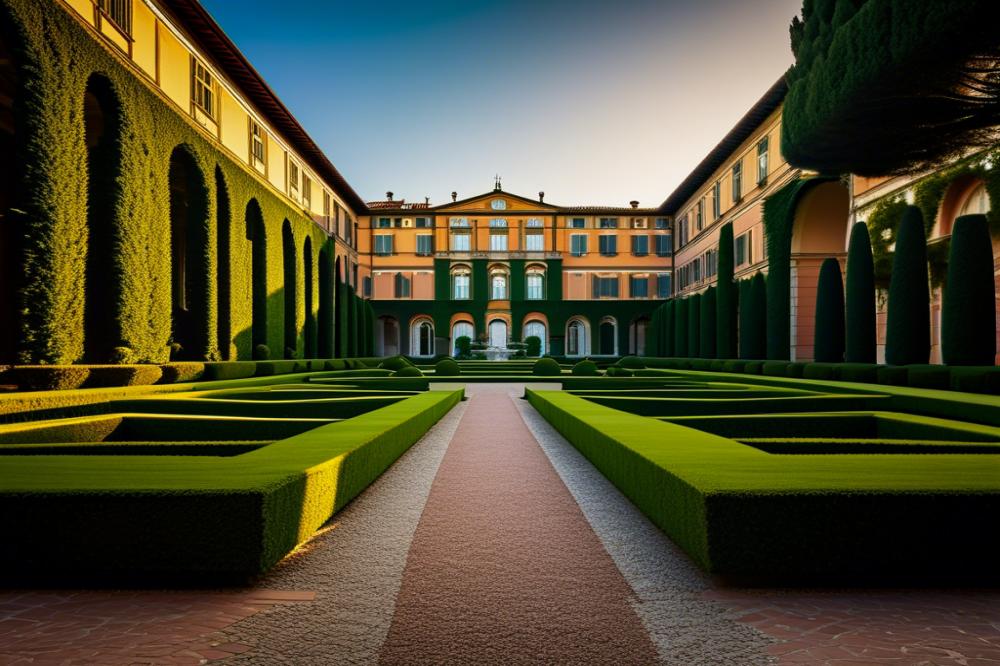
The Historic Gardens of Palazzo Pfanner in Lucca
Located in Lucca, Italy, Palazzo Pfanner stands as a significant historical site that invites visitors to explore its exquisite gardens. This location holds immense cultural heritage, attracting those fascinated by the beauty of Italian garden architecture. While touring the gardens, one can appreciate how the Baroque influences shape the landscaping and overall design.
Established during the 17th century, these gardens reflect a unique fusion of artistry and nature. The elaborate pathways, manicured hedges, and vibrant floral displays create an enchanting atmosphere. Visitors can enjoy picturesque scenic views, making this destination a perfect spot for relaxation and contemplation.
As a prominent example of Italy‘s renowned botanical gardens, these Historic Gardens exemplify the grandeur of Baroque style. They showcase not only the skill of the landscape architects of that time but also the rich traditions of the region. Tourists often marvel at the expertly designed areas, which serve as a testament to the elegance that defined the era.
Delight awaits anyone who sets foot in these gardens. It is not just a place to wander; it is an experience that connects the past and present. Lovers of history and nature alike will find inspiration among the beautifully arranged flora. The Palazzo Pfanner and its Historic Gardens offer a serene escape, rich with stories and beauty.
History of Palazzo Pfanner
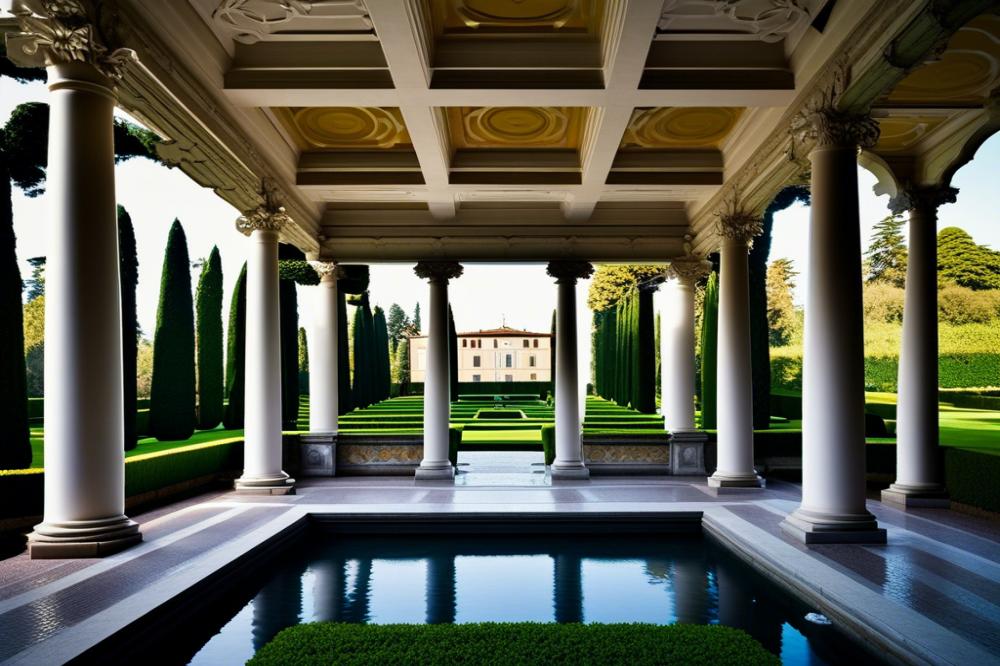
Palazzo Pfanner stands as a testament to Lucca’s rich cultural heritage. Construction of this magnificent building began in the early 18th century. Originally, the site served different purposes before transforming into the grand palace we admire today. It reflects the Baroque style, emphasizing grandeur and beauty in its design.
Notable figures contributed to the palace’s evolution. The Pfanner family, particularly Francesco Pfanner, played a significant role in its history. They were influential merchants who brought prosperity to the area. Their vision extended beyond the palace itself, leading to the development of the stunning botanical garden.
This garden features impressive landscaping and intricate garden architecture. Visitors are often struck by the scenic views it offers. Pathways lined with cypress trees guide guests through a vibrant array of plants. Statues and fountains enhance its charm, turning it into an essential part of Lucca’s tourist attractions.
Throughout the centuries, Palazzo Pfanner has hosted many events and distinguished guests. Each era left its mark, adding layers to its identity. The space echoes the historical narrative of the city, making it a crucial historical site.
Today, this palace and its gardens attract locals and tourists alike. Educational programs often highlight its botanical significance. It serves as a reminder of Lucca’s past and its continuing legacy in art, culture, and landscape design.
Garden Architecture and Design
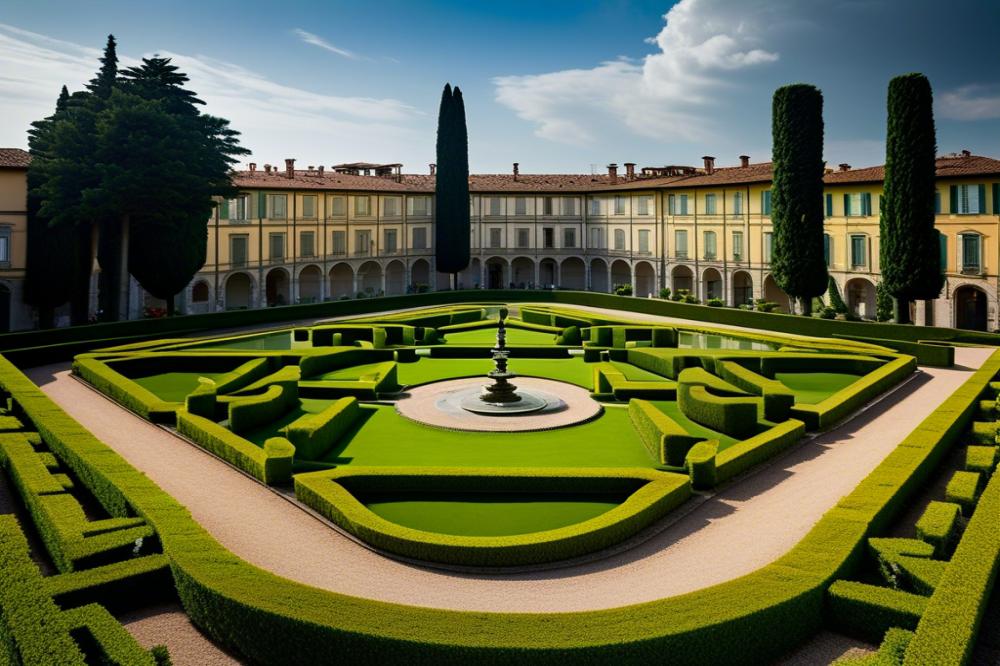
The historic gardens of Palazzo Pfanner in Lucca, Italy, showcase stunning garden architecture that draws visitors from around the world. The design reflects the Baroque style, which emphasizes grandeur and complex layouts. This creates an environment that feels both regal and inviting.
One prominent feature of Baroque gardens is the use of fountains. These waterworks not only serve as decorative elements but also symbolize abundance and vitality. Elegant fountains can be found throughout the botanical garden, creating a serene atmosphere. Sculptural elements are also significant. Statues of mythological figures and historical personalities add a layer of cultural heritage to the experience. Each piece tells a story, bringing history to life.
Flowerbeds enhance the scenic views of the garden. They are carefully arranged to offer a vibrant palette that changes with the seasons. Bold colors intermingle, creating a visual feast for the eyes. Landscaping techniques play a vital role in this design. Terracing and hedging guide the visitor’s eye towards the grand architecture of the palace. Each path leads to new surprises, encouraging exploration.
Plants are chosen not just for beauty but also for their symbolic meanings. This thoughtful selection makes each corner of the garden a part of the historical site’s narrative. The interplay of design elements makes walking through the gardens a memorable experience. Thus, it becomes an essential stop for tourism in Lucca.
Overall, the integration of architecture, landscaping, and art draws many to experience the gardens. It’s not just a place to see; it’s a living piece of history. Consequently, the gardens remain an enduring testament to the craftsmanship of a bygone era.
Botanical Diversity
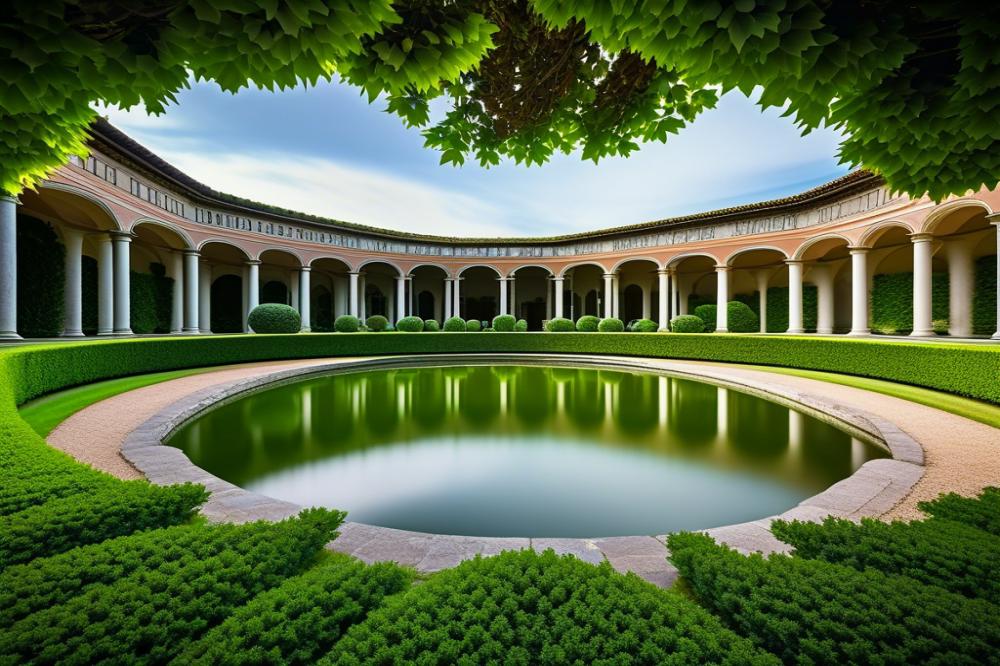
The gardens of Palazzo Pfanner in Lucca, Italy, reveal a world of impressive botanical diversity. Rare and native plant species thrive in this historic site, making it not only a visual delight but also a crucial resource for biodiversity. The landscaping combines elements of Baroque garden architecture with natural charm, creating an inviting space for visitors.
Each corner of the garden showcases an array of plants that represent the region’s cultural heritage. From fragrant herbs to vibrant flowers, each species contributes to the overall beauty. Many of these plants are essential for local wildlife, supporting ecosystems that are vital for maintaining balance within nature.
As a botanical garden, this site plays an important role in conservation. It offers a dedicated space where one can study plants and their habitats. Educational programs raise awareness about species at risk and highlight the need for sustainable practices. Tourists visiting Lucca often appreciate not just the aesthetic aspects but also the underlying environmental messages.
Exploring the grounds, one might find themselves captivated by scenic views and unexpected plantings. Each plant has a story, and together, they weave a tapestry of history and nature. The importance of preserving these gardens cannot be overstated, as they serve as a living archive of biodiversity.
Visitors can engage with the garden in various ways, making their experience both educational and enjoyable. Understanding the significance of these plants fosters a sense of responsibility toward conservation efforts. Appreciating the variety found here encourages everyone to think about their impact on the environment. Ultimately, the gardens stand as a testament to the beauty of nature and the importance of preserving it for future generations.
Tourism and Visitor Experience
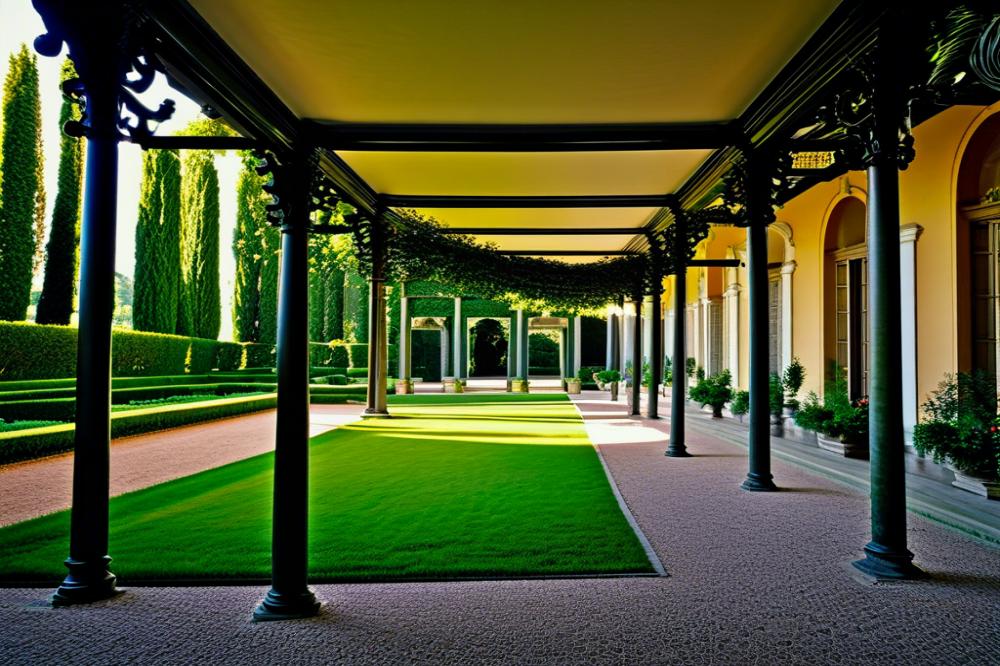
Palazzo Pfanner plays a significant role in the tourism landscape of Lucca, Italy. Each year, thousands of visitors flock to this historical site, eager to explore its beauty. Many tourists find themselves enchanted by the breathtaking gardens, often referred to as a botanical garden due to their diverse plant life. The landscaping showcases the skill of the Baroque period, captivating guests with its intricate design.
Guided tours offer an excellent way for visitors to immerse themselves in the location’s rich cultural heritage. Knowledgeable guides share fascinating stories about the estate. Guests learn about the garden’s architecture and its historical significance in the context of Lucca’s development.
Various activities attract a wide range of visitors. In addition to tours, cultural events take place throughout the year. Activities such as art exhibitions and music concerts add vibrancy to the atmosphere. Seasonal festivals also enhance the experience, inviting people to enjoy the scenic views while engaging with local traditions.
Educational programs stand out as another highlight. Schools often organize trips to the Palazzo to expose students to the history of gardening and landscape architecture. Hands-on workshops allow participants to delve deeper into gardening techniques used in the past. These programs foster a greater appreciation for the artistry involved in the creation of such a remarkable green space.
Visitors can stroll through the gardens at their own pace. The serene environment provides a welcome escape from the busy city. Many people find joy in simply lounging on a bench, taking in the beauty surrounding them. Others might prefer to capture the perfect photograph, showcasing the stunning backdrop of trees and flowers.
A visit to this enchanting destination is not just about seeing; it’s about experiencing a piece of history. The Palazzo Pfanner offers something valuable for everyone. Whether one’s interest lies in history, architecture, or nature, this site promises to delight all who enter. Enjoying the combination of art and nature makes this a must-visit for anyone exploring Lucca.
Cultural Significance and Legacy
Palazzo Pfanner and its captivating gardens hold a prominent place in Lucca’s rich cultural heritage. These gardens are not merely a collection of plants; they are a testament to the Baroque landscaping style, showcasing the artistic vision of their time. Visitors can wander through paths lined with carefully curated flora that reflect the beauty and elegance of Italian garden architecture.
Significant efforts have been made to preserve this historical site for future generations. Local organizations and dedicated individuals work tirelessly to maintain the gardens, emphasizing their importance in Lucca’s identity. Restoration projects often aim to enhance the botanical garden’s unique features while respecting its historical context. Such actions demonstrate a commitment to safeguarding the past, ensuring that it continues to inspire those who come to explore.
Tourism thrives as a direct result of the allure of the gardens and their scenic views. People from around the world travel to Lucca, drawn by the promise of experiencing this beautiful oasis. Many leave with memories of strolling through the vibrant blooms, with each step echoing the whispers of history. By attracting visitors, the gardens help to fuel the local economy and encourage appreciation for Italy’s cultural legacy.
Furthermore, Palazzo Pfanner’s gardens serve as an educational resource. They inspire an understanding of landscape design, history, and the significance of botanical diversity. School trips and family outings frequently occur here, blending leisure with learning. The garden invites all to discover the intricate relationship between nature and heritage, fostering a sense of responsibility to preserve such treasures.
As time goes on, the gardens’ legacy remains vibrant and essential. New generations walk the same paths as those who came before them, creating a link between past and present. These spaces not only bring joy and tranquility but also remind us of history’s role in shaping our cultural narratives. Amid the hustle and bustle of modern life, Palazzo Pfanner offers a peaceful retreat that honors tradition while encouraging a sustainable future.
Final Thoughts on Palazzo Pfanner and Its Gardens
The historic gardens of Palazzo Pfanner stand as a stunning example of Italy’s rich cultural heritage. Visitors to Lucca are offered a rare glimpse into the artistic beauty and skilled craftsmanship of the past. Striking hedges, vibrant flowers, and elegant fountains create a serene atmosphere. Each turn in the garden reveals another facet of its thoughtful design.
Exploring these grounds provides a deep connection to history. One can imagine the gatherings that once took place among the lush greenery. Each pathway invites guests to pause and appreciate the landscape. Such a setting not only pleases the eye but also nourishes the soul.
Tourists seeking beauty and historical insights will find this gem deeply rewarding. It’s more than just a garden; it represents a harmonious blend of nature and artistry. Through its careful preservation, visitors can appreciate the traditional aspects of Italian gardening.
In conclusion, a visit to Palazzo Pfanner is truly invaluable. The gardens are a testament to the region’s legacy. They embody the elegance of Italian garden architecture and capture the spirit of Lucca. This enchanting space deserves to be explored and cherished by all who appreciate both beauty and history.

