

Discovering the Botanical Gardens of Palermo
Botanical Gardens serve as essential green spaces fostering biodiversity and conservation. These areas play a crucial role in promoting a variety of plant species and creating a home for wildlife. In Sicily, the Botanical Gardens of Palermo stands out as a prominent attraction, captivating visitors with its diverse flora and distinctive horticulture.
nature enthusiasts and travelers should make it a priority to visit such gardens. A stroll through the vibrant paths reveals not only stunning plants but also serenity. The beauty of these gardens inspires awe and invites exploration. They are peaceful retreats in busy urban environments, perfect for relaxation and reflection.
Moreover, experiencing the unique collection of plants at the Palermo gardens is an educational journey. Knowledge about conservation and biodiversity can be gained through observation and guided tours. These green spaces tell stories of our planet’s ecological importance, linking the past with the present.
Every traveler seeking a deeper connection to nature will find inspiration in the lush landscapes. With its wide-ranging species and elaborate structures, this gem in southern Italy is unmissable. In addition to benefiting individual visitors, gardens also contribute to a broader mission of preserving our natural heritage.
Ultimately, engaging with such environments strengthens our understanding of flora and the fragile ecosystems they inhabit. Therefore, a visit to the Botanical Gardens of Palermo is not just about sightseeing. It is an investment in the future of our planet, a chance to appreciate the wonders of nature while advocating for its protection.
The History of the Botanical Gardens of Palermo

Established in the 18th century, the Botanical Gardens of Palermo hold a special place in the heart of Sicily. These gardens were created as part of a broader movement to study and classify various plant species. The vision for these green spaces was influenced by European botanical traditions that valued biodiversity and the importance of horticulture.
Notable botanists played a significant role in the garden’s development. Names like Francesco Cupani and his successors made significant strides in plant cultivation and classification. Their work contributed to our understanding of the unique flora native to this region. Through their studies, they captured the essence of Sicily’s diverse vegetation.
Cultural and scientific advancements were reflected in the layout and design of the gardens. During this era, Europe was undergoing a change, where nature became a subject of great interest. The Botanical Gardens showcased exotic plants from far-off lands, encouraging travel and exploration. They served not just as a collection of plants but as a symbol of human curiosity and knowledge.
Gardens like this one also played a critical role in conservation efforts. They became a safe haven for many species that faced the threat of extinction. By prioritizing biodiversity, these gardens laid the groundwork for future conservation initiatives. Visitors today can walk through pathways lined with a diverse array of plant life, each telling a story of the past.
As visitors stroll through the grounds, they experience a blend of nature and learning. The gardens stand as a legacy of those who sought to understand and protect the rich ecological variety of the world. Each plant has its place, creating a tapestry of flora that enchants all who come. This deep connection between people and plants continues to thrive today.
In summary, the historical significance of Palermo’s gardens cannot be overstated. They represent a time when the study of plants intertwined with the exploration of the world. This beautiful oasis serves as a reminder of our collective journey toward understanding nature and its wonders.
Exploring the Flora and Plant Collections

At the heart of Palermo lies a treasure trove of plant species waiting to be discovered. The Botanical Gardens houses collections that showcase the incredible biodiversity found both in Sicily and around the globe. Visitors can immerse themselves in a variety of gardens that present everything from familiar flora to rare finds.
Tropical greenhouses offer a delightful escape into exotic realms. Here, lush vegetation flourishes under carefully controlled conditions. Tropical flowers burst with color, and leafy plants emit fresh aromas that transport you to distant places. This section is not only visually stunning but also emphasizes the importance of horticulture in preserving these unique species.
Another fascinating area is dedicated to Mediterranean plants. This collection highlights flora adapted to dry climates and drought. Many of these species demonstrate remarkable resilience and beauty, showcasing how plants evolve to survive. Exploring this area illustrates the incredible relationship between nature and local ecosystems.
Succulents make up yet another captivating part of the gardens. Their striking shapes and vibrant colors can captivate anyone, even those new to the world of plants. Originating from various arid regions, these hardy specimens represent a different side of biodiversity. Each succulent tells a story of adaptation and survival in tough environments.
Educational programs run throughout the year at the gardens. They aim to engage visitors and foster a deeper appreciation for plants and conservation. Travelers can learn about the ecological roles of different species and the importance of preserving habitats. These experiences help ensure that future generations understand and value our natural world.
In addition to being a feast for the eyes, the Botanical Gardens serve a vital purpose in conserving plant life. The collections crucially contribute to scientific research and conservation efforts. By protecting species, the gardens play a role in maintaining biodiversity. This kind of impact resonates far beyond Palermo, touching on global environmental concerns.
Overall, the diverse plant collections in Palermo’s Botanical Gardens tell us a lot about the world’s plant life. They provide opportunities for education and exploration, enhancing appreciation for our green spaces. Each themed section invites visitors to embark on their own journey through nature’s wonders, celebrating both local and exotic flora.
Horticulture Practices and Education
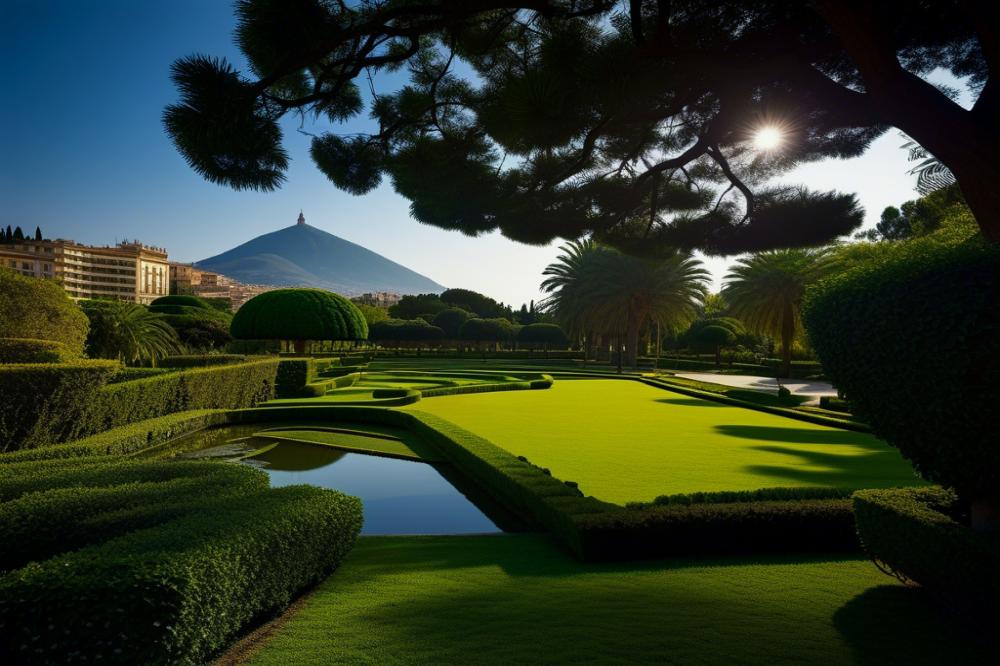
The botanical gardens play a vital role in promoting sustainable gardening. Visitors can observe various horticulture practices designed to protect our environment. Techniques such as composting, rainwater harvesting, and organic pest management are put into action. These methods not only support plant growth but also conserve vital resources. Focusing on native plants helps to maintain biodiversity, which is particularly important in the diverse ecosystems of Sicily.
Beyond cultivation, the gardens offer educational programs for all ages. Workshops cover topics like plant care and the importance of flora in our world. Participants can learn about the delicate balance of ecosystems. These sessions encourage a deeper appreciation of our green spaces and how to care for them. By engaging in hands-on activities, people gain practical skills that benefit both their own gardens and the environment.
Furthermore, the gardens nurture future generations of botanists and horticulturists. Students who participate in these programs often find their passion for nature ignited. They leave with not only knowledge but also a sense of responsibility towards conservation. Special initiatives connect young learners to the intricate web of life. This fosters a new kind of respect for plants and their role in our daily lives.
Travelers often remark on the transformative power of visiting these gardens. The experience goes beyond mere beauty; it’s about understanding our connection to the planet. Engaging with these educational resources allows individuals to reflect on their own environmental impact. When everyone embraces sustainability, it’s a step toward a greener future.
Ultimately, the emphasis on horticulture education shows a commitment to conservation for years to come. By teaching individuals about biodiversity and plant life, the gardens cultivate awareness and care. These efforts help protect invaluable ecosystems, ensuring they remain vibrant for future visitors. The gardens of Palermo are not just a place to admire; they are a living classroom for all who venture through their paths.
The Role of the Botanical Gardens in Biodiversity Conservation
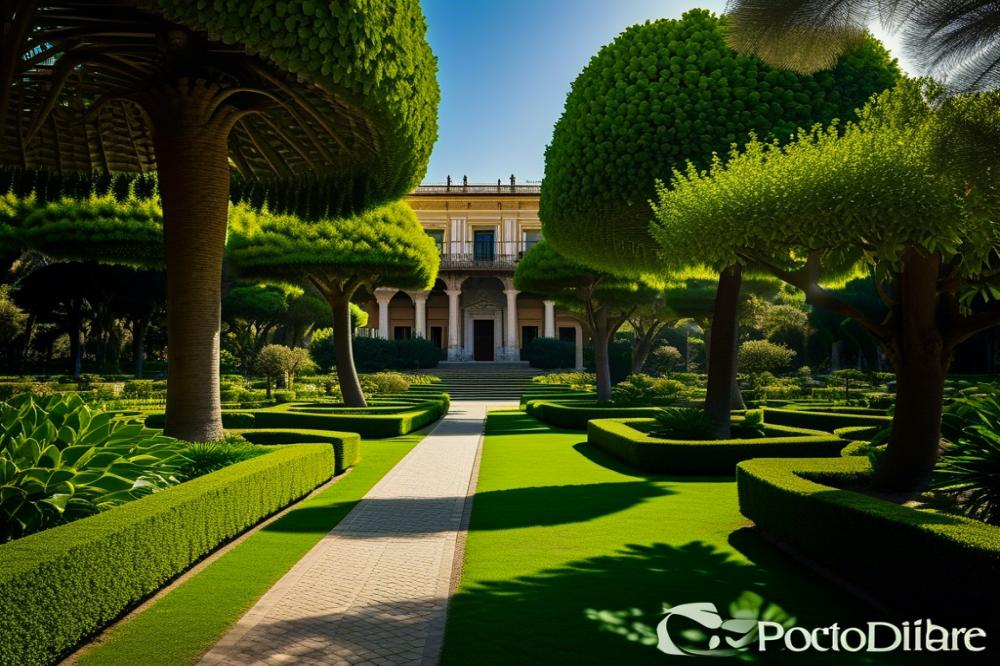
Located in Palermo, the gardens serve as a critical refuge for various species. They play an important role in habitat preservation. Plants and animals rely on green spaces like these for survival. Each section of the gardens is designed to simulate natural environments. This thoughtful arrangement helps maintain the intricate balance of local ecosystems.
Several conservation projects have been implemented to protect endangered flora. For instance, local teams work to cultivate rare plants native to Sicily. These initiatives improve the chances of survival for species at risk of extinction. By focusing on horticulture and sustainable practices, the gardens promote awareness of biodiversity. Visitors can learn about the significance of these efforts while enjoying beautiful landscapes.
Another noteworthy project involves seed banks. By collecting and storing seeds from endangered plants, the gardens become a living library of biodiversity. This collection not only preserves the genetic diversity of Sicily’s flora but also helps restore damaged habitats. Educational workshops allow visitors to engage with these initiatives, fostering a deeper understanding of environmental issues.
In the face of climate change, such efforts gain global significance. Protecting diverse plant life contributes to resilience against ecological challenges. Green spaces like the gardens act as sanctuaries amid urban development and habitat loss. Whenever travelers explore these botanical wonders, they support a vital cause. The experience fosters a connection to nature that encourages conservation.
Overall, the Botanical Gardens in Palermo symbolize hope for our planet. They remind us of the beauty and complexity of life. The diverse flora within these gardens provides a safe haven for species in need. As we face environmental challenges, initiatives in these unique gardens become even more essential. Understanding our role in nurturing biodiversity empowers us all to take action.
Visiting the Botanical Gardens of Palermo
Travelers planning to explore the stunning botanical gardens in Palermo will find a wealth of natural beauty and biodiversity. Opening hours usually run from 9 AM to 7:30 PM, but it’s wise to check closer to your visit for any changes. Entry fees are typically around €5, which is a small price to pay for the chance to wander through extensive green spaces filled with various flora. Reduced rates apply for students and seniors, making it accessible for all age groups.
Consider taking advantage of the guided tours offered at certain times throughout the week. Knowledgeable guides can share fascinating insights about the plants and horticulture found in these gardens. The experience is enriched by learning about the conservation efforts taking place, ensuring these cultivated spaces thrive for future generations.
After your visit, don’t miss nearby points of interest. The beautiful Orto Botanico is located just a short walk away, along with Palermo’s vibrant street markets. The historic Palazzo dei Normanni is also nearby, offering a glimpse into Sicily’s rich past. Each attraction reinforces the cultural essence of this captivating city.
To make the most of your time here, bring along a camera to capture the vivid colors and diverse species. Wear comfortable walking shoes, as exploring the gardens may take some time. Staying hydrated is essential, especially during the warm months, so carry a water bottle. Relax on one of the benches to soak in the serene atmosphere, allowing yourself to truly appreciate the tranquility that nature offers.
By planning your visit carefully and being open to discovery, you can create an enriching experience in Palermo’s spectacular gardens. This enchanting slice of nature serves not only as a place to admire plants but also as a reminder of the importance of preserving our environment.
Final Thoughts on the Botanical Gardens of Palermo
The Botanical Gardens of Palermo invite botanical enthusiasts and curious travelers alike to explore their vibrant collections. This stunning destination contributes significantly to plant conservation and serves as a critical resource for education. Visitors can learn about diverse ecosystems and appreciate the importance of biodiversity.
By promoting awareness of rare and endangered plant species, these gardens help foster a deeper respect for nature. Spending time here not only provides enjoyment but also inspires people to engage with environmental issues. A visit to this serene space can spark curiosity that leads to further exploration and appreciation of the natural world.
Sicily’s rich flora is on display, making it a must-see for anyone interested in plants and environmental conservation. Whether you are taking a leisurely stroll or participating in educational programs, the experience can be truly rewarding. Exploring this botanical paradise opens doors to understanding how important it is to preserve our planet’s diversity.
Make sure to include the Botanical Gardens in your travel plans when visiting Sicily. This hidden gem deserves attention for its beauty and significance. Encourage your friends and family to come along and share in the wonder of this unique destination. Together, you can create lasting memories while fostering a love for the environment.

