
Introduction
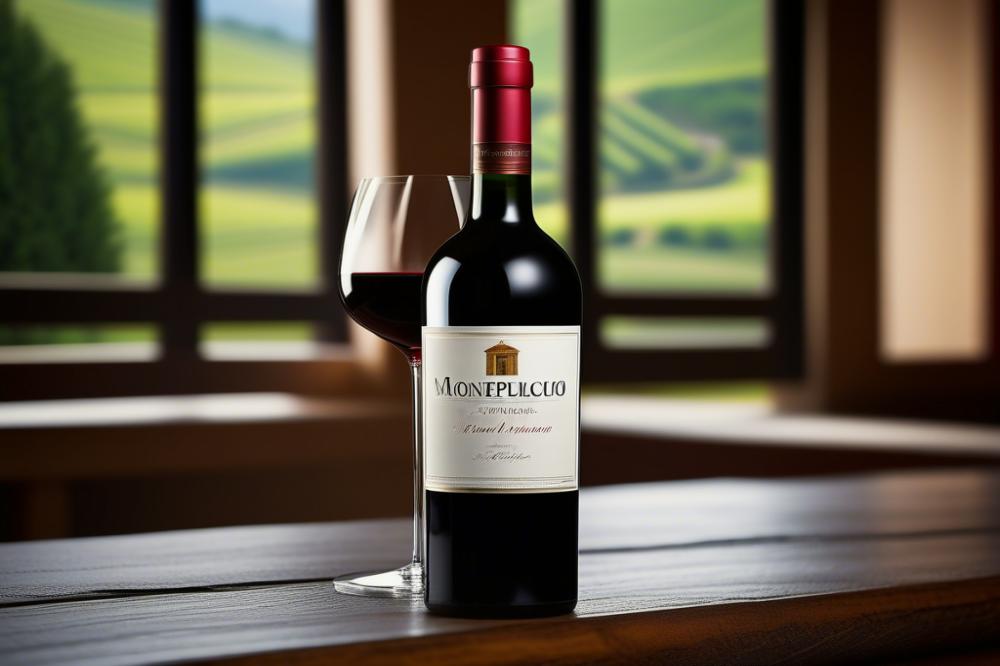
Montepulciano d’Abruzzo stands out as a classic Italian wine that encapsulates the essence of its homeland. This red wine originates from the rolling hills of Abruzzo, where vineyards thrive under the warm Mediterranean sun. It is celebrated for its deep color, bold flavors, and rich aromas. Many wine enthusiasts appreciate it not only for its quality but also for its accessibility.
The significance of Montepulciano d’Abruzzo in Italian wine culture cannot be overstated. This wine has become a staple on dining tables across Italy and beyond. Families enjoy it during meals, festivals, and gatherings. The wine’s versatility pairs well with a wide range of dishes, from pastas to grilled meats. In many ways, it embodies the spirit of Italian dining—connecting people over good food and conversation.
This article will focus on Montepulciano d’Abruzzo as an everyday wine. By exploring its character and qualities, we hope to highlight why it deserves a place in your regular wine rotation. The aim is to illustrate how an exquisite wine can also be approachable and enjoyable, making it perfect for casual sipping. Whether you are new to wine or a seasoned connoisseur, learning about this wine could offer a delightful surprise.
Join us on this journey through the world of Montepulciano d’Abruzzo. Discover its history and why it’s beloved by many. With countless options available, this wine seeks to appeal to a broad audience. Embrace the idea of taking a sip, pouring a glass, and celebrating the everyday moments of life. For those eager to learn more, let’s delve deeper into what makes this a cherished bottle in many homes. #anchor_text_1# and #anchor_text_2# await your attention.
History and Origin
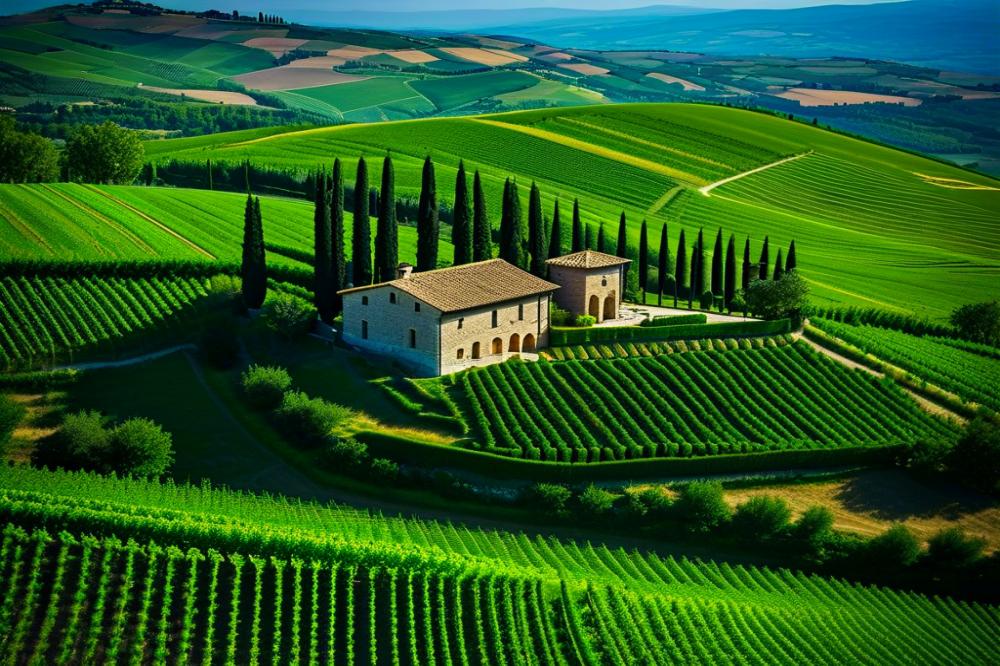
Montepulciano d’Abruzzo has a rich and fascinating background. Its roots go deep into the heart of Italy. The first vines were likely cultivated by the ancient Romans. They appreciated the robust qualities of the Montepulciano grape long before it became a staple of today’s wine culture. This red wine has survived through centuries, adapting to changes in taste and farming methods.
Regions and Vineyards
Located primarily in the Abruzzo region, this wine shines in areas like Teramo, Pescara, and L’Aquila. The hillsides of the Apennines offer perfect conditions for grape cultivation. Here, the warm climate and diverse soils produce grapes with great depth. Vineyards in this region flourish with sun-drenched days and cooler nights. Many local farmers have worked these lands for generations, passing down traditions and knowledge.
Winemaking Techniques
Techniques for crafting Montepulciano d’Abruzzo have evolved significantly over time. In the past, winemaking was a simple, rustic process. Grapes would be crushed by foot and fermented in open vats. Those early methods have given way to modern innovations. Today, temperature-controlled fermentation allows for greater precision and consistency. Use of oak aging has also developed. Many winemakers now utilize French or American oak barrels to enhance their wines. This practice adds complexity and richness, appealing to a broader audience.
As time goes on, sustainable practices are being embraced as well. Many vineyards now focus on organic farming. These methods not only help protect the environment but also improve the quality of the grapes. Enthusiasts enjoy drinking wines made from grapes grown with care. The commitment to high standards continues to elevate the reputation of this beloved Italian red.
Characteristics of Montepulciano d’Abruzzo
Flavor Profile and Aroma Descriptors
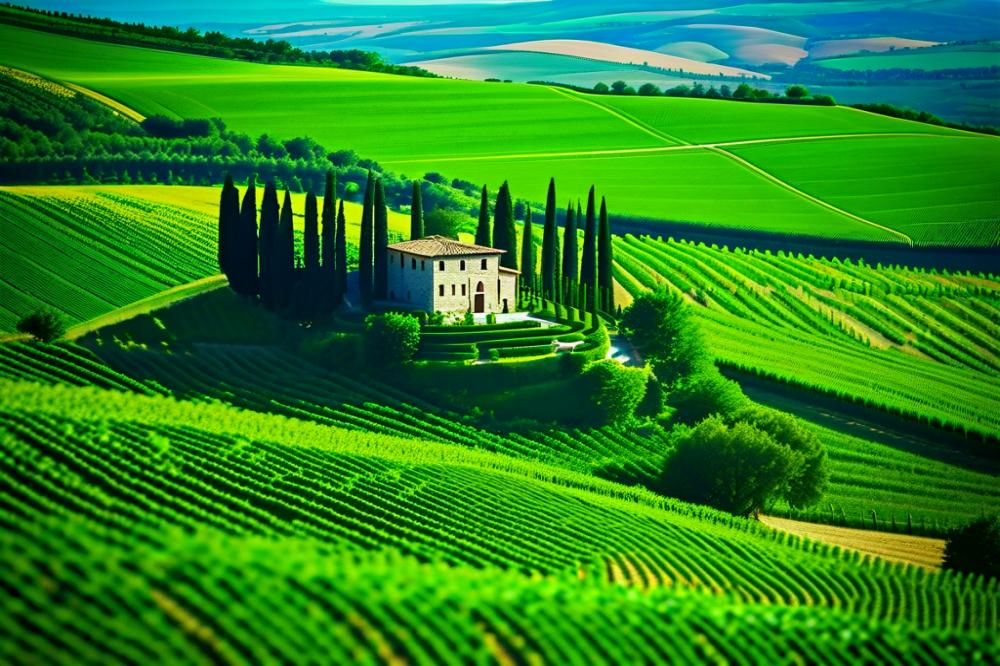
Montepulciano d’Abruzzo is known for its rich and fruity flavor. Dark cherry and plum stand out as prominent tastes. Hints of black pepper and earthy notes often accompany these fruits. Many people also detect traces of dried herbs or tobacco in the aroma. This wine’s profile offers a balance of sweetness and a slight tannic grip. Its flavor complexity makes it versatile for various pairings.
Color and Body of the Wine
The wine often showcases a deep ruby hue, drawing the eye of many enthusiasts. This intense color reflects its bold character. When tasting, drinkers may note the full-bodied nature typical of this variety. The structure feels robust yet approachable. As it opens up in the glass, you might notice how its richness enhances the overall experience.
Comparison with Other Italian Red Wines
When stacked against other Italian reds, Montepulciano d’Abruzzo holds its ground well. Compared to Chianti, it tends to be softer and less acidic. It differs from Barolo, which is known for its high tannins and aging potential. Each of these wines tells a different regional story. The vibrancy of Montepulciano can make it a delightful choice for everyday enjoyment. Casual dinners seem to welcome this wine, making it an ideal companion.
Food Pairings
Classic dishes that complement Montepulciano d’Abruzzo
Montepulciano d’Abruzzo is often paired with rich dishes. Think of hearty pastas and meats. A classic favorite is spaghetti bolognese. The wine’s bold fruit flavors match perfectly with the sauce. Osso buco, braised veal shanks, is another excellent choice. The wine enhances the savory qualities of the dish. Pizza, especially with pepperoni or sausage, also plays well with this versatile red.
Recommendations for everyday meals and occasions
Everyday meals can shine with a glass of this delightful red. Simple roasted chicken drizzled with herbs works wonders. Weeknight stir-fried vegetables and beef can become more exciting with Montepulciano. When hosting friends, a charcuterie board becomes an instant hit. Include cured meats, cheeses, and olives to create a perfect match. Late-night snacks? Try nachos with cheese and jalapeños alongside this wine. It elevates the experience without requiring much effort.
How Montepulciano d’Abruzzo pairs with regional Italian cuisine
Regional Italian cuisine brings out the best in this wine. In Abruzzo itself, lamb is a staple. Grilled or roasted, it pairs beautifully with Montepulciano. The wine balances the richness and adds a fruity note. Also, consider dishes with beans and lentils. A hearty chickpea stew complements the red’s structure and flavor. Whether it’s a rustic polenta or a marinara sauce, the wine enhances every ingredient. It feels like an integral part of the meal, not just an accompaniment.
Winemaking Process
The journey of #Montepulciano d’Abruzzo# begins in the vineyards of Abruzzo, where the Montepulciano grape thrives. The region’s climate plays a vital role. Warm days and cool nights create ideal conditions for growing this robust variety. Grapes typically ripen fully, achieving great flavor development. Farmers take care to manage the vines, ensuring they receive adequate sunlight and water.
After harvest, the next stage involves fermentation. Vinification usually occurs in stainless steel tanks or sometimes in large wooden barrels. The choice of vessel can heavily influence the wine’s character. Fermentation allows the sugars in the grapes to convert into alcohol. This process can last from a week to several weeks, depending on the desired outcome.
Aging is another critical aspect of winemaking. Many producers choose to age their wines in oak barrels. This practice imparts complexity and subtle flavors to the final product. Some winemakers opt for shorter aging periods in order to preserve the freshness of the wine. Others may prefer longer aging to develop rich, layered profiles.
Variations in Production
Different winemaking techniques lead to varying styles of Montepulciano d’Abruzzo. For instance, some producers focus on minimal intervention, allowing natural fermentation processes to take place. This practice often results in more expressive wines. Meanwhile, others use technologically advanced methods to control every aspect of fermentation. This can lead to cleaner, more consistent wines.
The choice of aging environment also varies. Traditionalists may utilize large oak casks that have been used multiple times. This method allows for a gentle integration of wood flavors. Conversely, modern winemakers sometimes favor new, smaller barrels, introducing more intense oak characteristics into their wines.
Quality can fluctuate greatly across the spectrum of production methods. Wine enthusiasts often notice differences in aroma, body, and taste based on these techniques. The variations reflect the individual philosophies of the winemakers. Environmental factors, such as soil type and vineyard elevation, also contribute significantly to the quality of each bottle. A greater understanding of these influences can enhance one’s appreciation for this everyday Italian red.
Comparison with Other Varietals
Differences between Montepulciano d’Abruzzo and Other Red Wines from Italy
Montepulciano d’Abruzzo stands out among Italian reds. Its robust body and deep color give it a characteristic presence. Many red wines from regions like Tuscany often focus on elegance, especially Sangiovese. Montepulciano, on the other hand, presents a bolder flavor profile. While Sangiovese tends to emphasize cherry and floral notes, Montepulciano leans more towards dark fruits like plum and blackberry. The tannins in Montepulciano can also be more intense, giving it a fuller mouthfeel compared to lighter varietals. This distinguishes it significantly in tasting notes from wines produced in Barolo or Chianti.
Similarities between Montepulciano and Other Varietals Like Sangiovese
Even with its differences, Montepulciano shares similarities with Sangiovese. Both grape varieties thrive in Italy’s diverse climate. The regions where they grow influence their taste profiles. For instance, both can exhibit earthy qualities, though Montepulciano often expresses these in a richer way. Additionally, they both work well with food. A Montepulciano pairs beautifully with pasta dishes, just like Sangiovese. Both wines also offer a great range of aging potential, evolving complex flavors over time.
Market Positioning of Montepulciano d’Abruzzo
In the wine market, Montepulciano d’Abruzzo holds a distinct yet approachable position. It appeals to everyday drinkers looking for value. Priced competitively, it’s often more accessible than higher-end wines from Tuscany or Piedmont. Many people appreciate its versatility with various cuisines. The wine has grown in popularity both domestically and abroad, securing a loyal consumer base. Its reputation as an everyday Italian red places it in a sweet spot for casual wine drinkers. With its affordability and flavor, it remains a staple on many dinner tables.
Final Thoughts on Montepulciano d’Abruzzo
Montepulciano d’Abruzzo stands out as a beloved choice for those seeking an everyday Italian red. This wine is not just about taste; it represents a culture and tradition that many people connect with. Its rich flavors and approachable nature make it suitable for various occasions, whether a casual dinner or a special gathering.
Wine lovers appreciate its versatility. Pairing easily with a wide array of foods, it enhances the dining experience without overpowering. From hearty pasta dishes to grilled meats, this wine complements meals beautifully. Furthermore, its affordability makes it accessible to a broad audience. Quality doesn’t always have to come with a high price tag, and this wine proves that point.
Exploring Montepulciano d’Abruzzo can lead to delightful discoveries. Many fans of Italian wines find their preferences shift after tasting this gem. Each bottle tells a story steeped in the history of the Abruzzo region, fostering a genuine connection to heritage. Wine enthusiasts and newcomers alike find comfort in this approachable red.
Encouragement is offered to anyone who hasn’t yet tried it. Don’t miss the opportunity for a classic Italian experience. The charm of Montepulciano d’Abruzzo lies in its ability to bring people together around a table. So go ahead, raise a glass. Celebrate the simplicity and richness that this wine brings to everyday life. #anchor_text_3# and #anchor_text_4# await your palate’s exploration!

