
Introduction
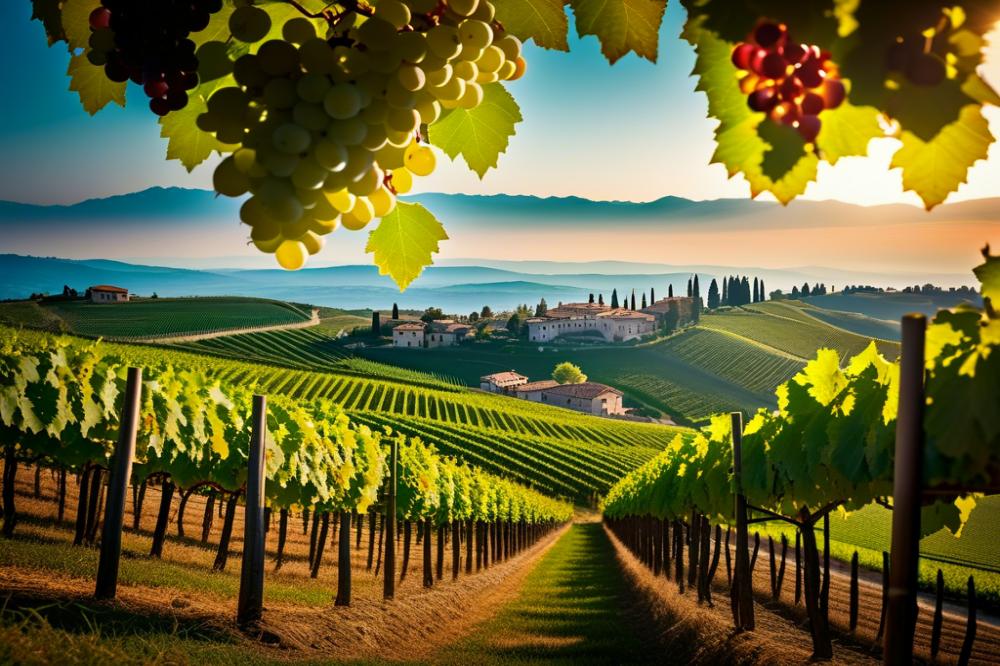
Barbaresco stands out as one of Italy’s premier red wines. Hailing from the Piedmont region, it showcases the elegance and complexity that Italian wines are known for. This delightful wine has earned a rightful place alongside other famous varieties, particularly Barolo, often considered its counterpart.
The Nebbiolo grape is at the heart of this fine wine. Renowned for producing deep flavors, it thrives in the special terroir of the region. The unique soil and climate conditions contribute enormously to the grape’s character. Farmers working these vineyards take great pride in their craft, ensuring the grapes are cultivated with care.
Classic Italian wine regions like Piedmont are known not only for their picturesque landscapes but also for their rich gastronomy. Barbaresco exemplifies this connection, prompting enjoyable wine tasting experiences that pair beautifully with local dishes. Enthusiasts often appreciate the depth and complexity found in each glass, best enjoyed after a period of aging.
In the realm of red wine, Barbaresco shines as a beacon of quality. As one explores the heritage and richness of Italian wines, the allure of this region becomes undeniable. Each sip takes one on a journey through well-cared-for vineyards, with each bottle telling its own story of the land and its people.
Barbaresco: The Jewel of Piedmont
Description of the Piedmont region
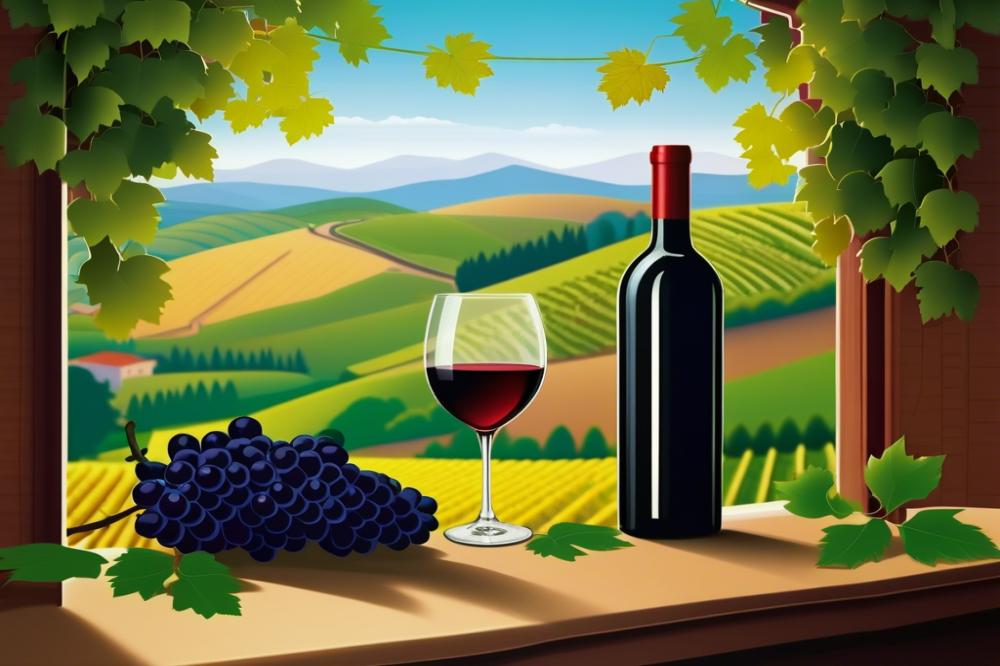
Piedmont is a beautiful area tucked away in northwestern Italy. This region is known for its rolling hills and vineyards. It’s famous for producing some of the finest Italian wines in the world. The landscape is a mix of mountains and flatlands, making it visually stunning. Rich soil and a mild climate contribute to an ideal setting for grape growing. Food lovers also adore this place; local gastronomy complements the wine perfectly. As you explore Piedmont, you will find charming villages and bustling markets. The beauty of the landscape draws many visitors each year.
Geography and terroir of Barbaresco
Barbaresco shares its location with the Tanaro River, which plays a role in its unique terroir. Vineyards here benefit from well-draining soils made up of clay, limestone, and sand. Altitude varies and creates distinct microclimates. Such diversity allows for different expressions of Nebbiolo grapes. The growing season has long, sunny days, and evenings often experience cooler temperatures. These shifts help to retain acidity while developing complex flavors in the wine. Aging in large oak barrels also shapes the characteristics of the wine, providing a balanced profile.
Comparison with nearby wine regions, particularly Barolo
The Barbaresco area is often compared to Barolo, another exceptional wine region. Both regions craft outstanding red wines from the Nebbiolo grape. However, differences do exist. Barbaresco wines tend to be softer and more approachable at an earlier age, while Barolo wines often require more aging for optimal enjoyment. The terrain in Barolo is slightly higher and has more varied soils, leading to bolder flavors. Each area offers a unique expression of Nebbiolo, shaped by their specific conditions. Wine tasting in these regions reveals the subtleties in the wines, enticing enthusiasts and newcomers alike. A visit to Piedmont would not be complete without exploring both Barbaresco and Barolo.
The Nebbiolo Grape
Characteristics of Nebbiolo Grape Variety
Nebbiolo is a grape variety that shines in the realm of red wines. Known for its robust nature, it possesses high acidity and structured tannins. Fruity notes often include cherry and raspberry, while earthy undertones like tobacco and leather emerge during aging. This uniqueness makes it staple in various regions. In addition to its aromatic complexity, the grape develops a captivating color, often a deep garnet. Over time, aging can reveal more subtle flavors, tantalizing the palate of wine enthusiasts.
The Influence of Terroir on Flavor Profile
Terroir plays a significant role in shaping Nebbiolo’s flavor profile. Soil composition, climate, and elevation contribute distinct qualities to the grape. In certain areas, limestone and clay soils lend minerality, while warmer temperatures enhance the fruitiness. The region’s microclimates directly affect ripening patterns. Some vineyards are cooler, yielding wines with a more elegant character. Others, with more sunshine, produce bolder flavors. Such variations highlight the importance of location in winemaking and enhance the overall wine tasting experience.
How Nebbiolo Thrives in Barbaresco Vineyards
This grape flourishes in the vineyards of Piedmont, particularly in Barbaresco. Elevation and slopes of these vineyards create an ideal environment. The sun exposure and breezes allow for perfect ripeness. Growers cultivate Nebbiolo with great care, understanding its needs for temperature and moisture. When placed in the right terroir, Nebbiolo produces wines that rival its famous counterpart, Barolo. The gentle hills and well-drained soils promote a harmonious maturation process. As a result, wines from this region exhibit elegance and balance, making them sought after in the world of Italian wines. Enthusiasts appreciate how this grape tells the story of its origins through every bottle.
Wine Production and Aging
Overview of Barbaresco Wine Production Process
The process of making this exceptional Italian wine starts in the vineyards of Piedmont. Grapes are hand-harvested, usually in late October. The Nebbiolo grape is sensitive to its environment, so the terroir plays a crucial role in flavor development. After harvesting, grapes undergo a process called crushing, followed by fermentation. Fermentation generally takes about two to four weeks. Post-fermentation, the new wine is transferred to oak barrels for aging, where it continues to develop complex flavors.
Regulations Governing Barbaresco Wine
Strict regulations exist for producing Barbaresco. Only certain areas within the Barbaresco wine region can grow Nebbiolo for this specific wine. Producers must adhere to guidelines set by the Consorzio del Barbaresco. The yield per hectare is limited. This is to maintain high quality. In fact, only wines that meet these regulations can display the Barbaresco name on the label. This ensures that consumers receive only the best from this renowned region.
Aging Requirements and Its Impact on Flavor
Aging is vital in developing a wine’s character. Barbaresco must age for a minimum of two years. This includes at least nine months in wooden barrels. The flavors deepen during this time. Some producers choose to age their wines longer. This longer aging further enhances the complexity. Through aging, tannins soften, and fruity flavors marry with earthy notes, creating a balanced experience.
Differences Between Standard Barbaresco and Barbaresco Riserva
Understanding the difference between Standard Barbaresco and Barbaresco Riserva matters. The latter is reserved for wines that age longer. A Riserva must mature for at least four years, with a minimum of 18 months in oak. This extra time adds depth of flavor. Standard wines typically feature fresher fruit scents and lighter tannins. In contrast, a Riserva often showcases richer flavors — think dark fruit, leather, and spices.
Wine tasting experiences differ widely between these two categories. It’s fascinating how aging transforms the wine. It reflects the winemaker’s dedication and the terroir’s unique characteristics while celebrating the beauty of Nebbiolo. When pairing with gastronomy, both offer delightful options, but each brings its own distinct flavor profile to the table.
Wine Tasting and Flavor Profile
Delving into the tasting notes of this renowned red, you will encounter a vibrant array of aromas. Floral scents like rose and violet often greet the drinker first. The second wave reveals layers of fruit, showcasing cherries and plums, toppling into deeper notes like chocolate and spices. Earthy undertones hint at the vineyard’s terroir, imparting a distinct character typical of this wine region.
Typical Tasting Notes and Aromas
With the first sip, the wine’s structure becomes apparent. Tannins are noticeable but not overwhelming, providing a solid backbone. Bright acidity enhances the fruit flavors, creating a pleasing balance. As the wine breathes, subtle hints of tobacco, leather, and truffle may emerge, further enriching the experience. Aging plays a vital role; often, Barbaresco can develop complexity and depth over time. While some enjoy it young, others prefer it after several years in the bottle, when new flavors unfold.
Food Pairings and Gastronomy
Cuisine from Piedmont pairs exceptionally well with this elegant red wine. Rich dishes such as braised meats and hearty stews complement its profile. Pasta dressed in rich sauces or risotto aligns beautifully with the wine’s acidity. The flavors of aged cheese can also enhance the tasting experience, making every meal a culinary delight. Understanding these pairings opens doors to enjoying Italian wines in memorable ways.
Signature Dishes That Complement Barbaresco
When considering standout dishes, the region’s famous truffle risotto deserves mention. This dish’s earthy flavor harmonizes with the wine’s complexity. Another favorite is tajarin, a delicate egg pasta often served with a rich ragù. Grilled lamb or roast beef also shine alongside this wine, creating a reunion of flavors on the palate. Each pairing not only celebrates the food but elevates the overall dining experience.
Barbaresco’s Role in Italian Red Wines
As a proud representative of Italian wines, this delightful red stands tall among its notable peers. Its origins lie in the Piedmont region, where the soil and climate create ideal conditions for producing exceptional wines. In the world of red wine, it often finds itself compared to Barolo, which hails from nearby vineyards. These two wines share many qualities, yet distinct differences separate them.
Position of Barbaresco among other notable Italian wines
Barbaresco enjoys a prestigious status in the realm of Italian wines. Yet, it often plays second fiddle to Barolo. Many connoisseurs highly regard both, but fewer people know about the qualities that make Barbaresco so special. The regions contribute to the character of these wines through their unique terroir. Wine tasting events often exhibit this lesser-known gem, highlighting how it delights the palate. Rich in flavor and depth, this wine captures the essence of the land.
Comparison with Barolo and its unique qualities
The contrast between Barolo and Barbaresco is fascinating. Each wine offers a different expression of the Nebbiolo grape, showcasing various aspects of their shared heritage. Barolo tends to be more robust and powerful, requiring longer aging to soften its flavors. In comparison, Barbaresco typically presents a more elegant and approachable profile. This makes it popular for those who enjoy a wine that can be savored sooner. Its fruit-forward notes blend beautifully with hints of floral, making every glass a new experience.
The recognition and reputation of Barbaresco globally
Globally, Barbaresco has earned a respected reputation among wine enthusiasts. Many experts praise its ability to marry well with food and enhance gastronomy experiences. Its balanced structure pairs seamlessly with rich Italian dishes, bringing out the depth of flavors on every plate. As wine regions continue to grow and evolve, awareness of this wine is increasing. Enthusiasts are discovering its complexity and charm, making it a sought-after choice worldwide.
Final Thoughts
Significance in the World of Wine
This charming red has carved out a special place in the global wine scene. Known for its elegance and complexity, the wine reflects the unique terroir of its home region, Piedmont. Each bottle tells a story of the land and the people who cultivate it. Appreciators often rank it among the finest Italian wines available today. Its appeal stems not only from the character of the Nebbiolo grape but also from the dedicated producers who craft these masterpieces.
Future and Sustainability
As climate change poses challenges to vineyards worldwide, Barbaresco’s producers remain committed to sustainability. Many are adopting eco-friendly practices while focusing on preserving the traditional methods that define this remarkable wine. Local initiatives aim to maintain the balance between production and environmental impact. Future generations depend on this commitment to sustainability. As producers innovate while respecting their heritage, the future looks promising, allowing this beloved variety to flourish.
Encouragement to Explore Through Tasting Experiences
Tasting Barbaresco can be a delightful experience. Whether at a cozy local wine bar or during a visit to the heart of Piedmont, every sip offers a glimpse into this wine’s rich legacy. Exploring different producers and vintages adds layers to the experience. Don’t hesitate to seek out wine tastings in your area. Engaging with knowledgeable staff can enhance understanding and appreciation. Discovering the nuances in flavor profiles can inspire a lifelong passion for this exquisite red. Embrace the journey and let your curiosity guide you through each glass.

