
Experiencing Culinary Adventures in Italy
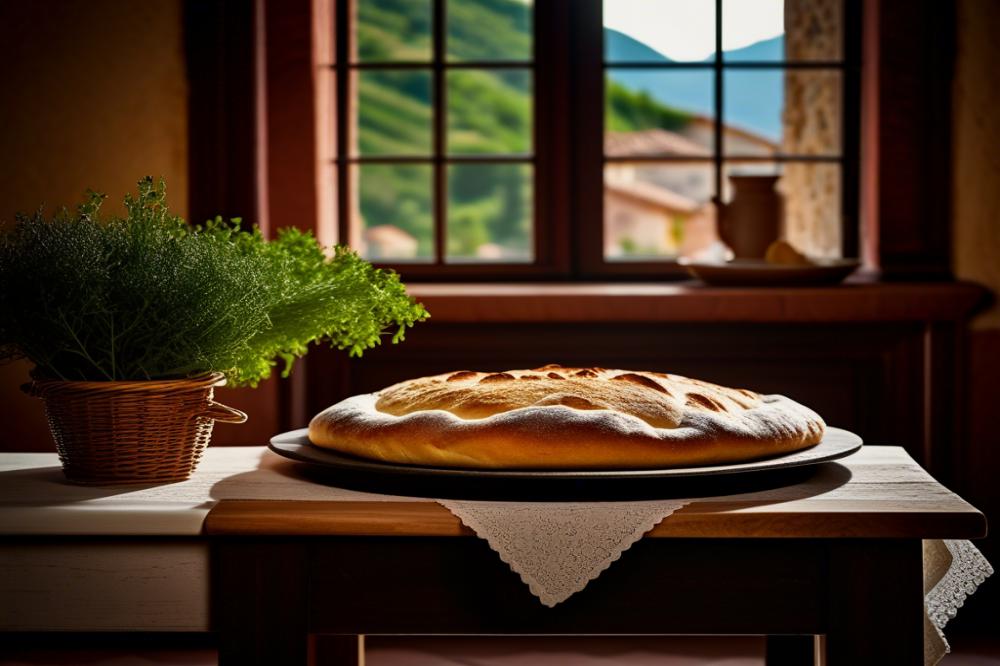
Exploring Italy can be more than just sightseeing. Culinary adventure holidays invite travelers to immerse themselves in the rich and diverse world of Italian cuisine. Among various regional delights, the opportunity to learn to bake rustic bread stands out. Known for its simplicity and flavor, focaccia represents a significant aspect of Italy’s culinary heritage.
The region of Liguria, where this bread has strong roots, adds to the allure. Baking focaccia connects participants to centuries of culinary traditions. This delicious bread is often made with fresh, high-quality ingredients. Olive oil plays a crucial role in creating the distinct flavor and texture that focaccia is famous for.
Hands-on experiences offer travelers a chance to learn authentic regional recipes. Instruction often includes valuable baking techniques and tips that enhance the baking process. Participants bond over the shared joy of making homemade bread, creating memorable moments along the way. Plus, they discover the history tied to this dish, which is full of fascinating stories and traditions.
For those who are passionate about cooking, diving into this culinary adventure is rewarding. It not only fills the belly but also enriches the soul. Learning how to create a beloved dish like Focaccia Bread in Liguria ensures a deeper appreciation of Italian food culture.
Focaccia Bread: History and Cultural Roots

Focaccia bread has deep roots in the region of Liguria, a coastal area in Italy. This bread can be traced back to ancient times when people first started baking simple flatbreads. Historically, Ligurian farmers used locally sourced ingredients, resulting in a bread that was not only practical but also delicious. With olive oil as a staple, they made use of this resource to create flavorful versions of rustic bread.
Throughout the years, focaccia has undergone many changes. Today, it is enjoyed in various forms across Italy. Each region has its distinct twist on the classic recipe. For example, in parts of Apulia, bakers use tomatoes and olives to enhance the flavors. Likewise, the recipe varies from one household to another, with families often adding their unique touches. These regional recipes show how local ingredients shape culinary practices.
As Italian cuisine evolved, focaccia kept pace, adapting to new tastes and ingredients. Many bakers developed specific baking techniques that improved texture and flavor. Techniques like long fermentation and the use of high-quality flour are common among artisan bakers. Such practices highlight the expertise involved in crafting a perfect focaccia.
The cultural significance of focaccia extends beyond mere sustenance. Families make homemade bread to celebrate gatherings or holidays. Sharing this bread brings loved ones together, creating a bond and connection. It symbolizes warmth and hospitality in Ligurian culture. Through generations, traditions of baking have been passed down, enriching the culinary landscape.
Focaccia’s history reflects the essence of Ligurian ingredients. The sunlight and fertile soil help produce exceptional olives, herbs, and vegetables. This abundance influences the way locals prepare and enjoy their food. It is not just a meal; it is part of a lifestyle that values freshness and quality. Guiding baking tips can lead to a successful baking experience, capturing the spirit of the Italian tradition.
Ligurian Ingredients and Flavors
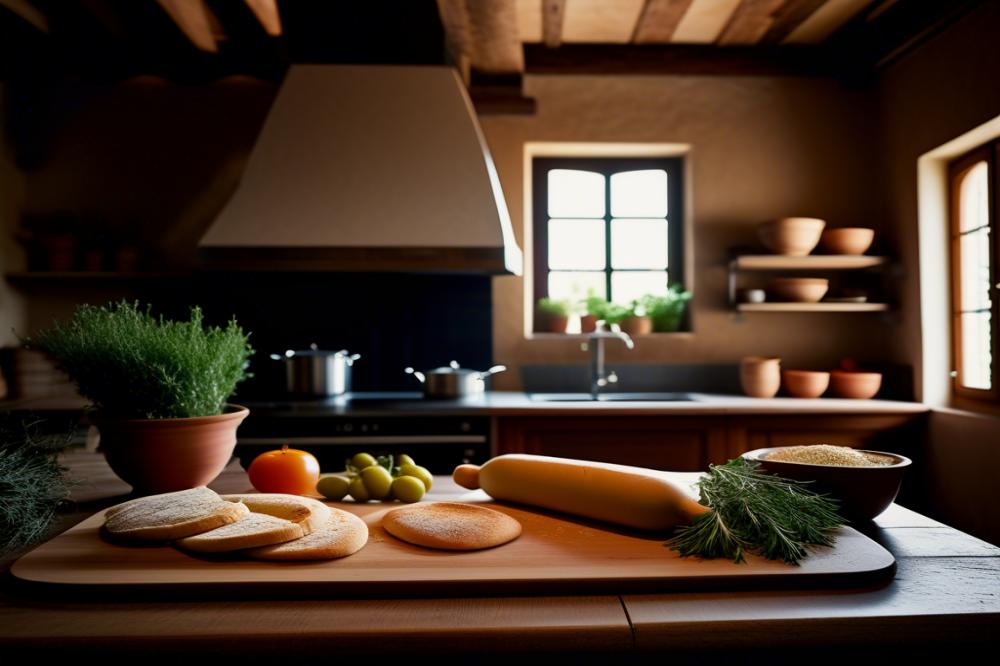
Focaccia bread from Liguria showcases the richness of regional recipes that highlight local ingredients. High-quality olive oil is fundamental to this dish. It affects both flavor and texture, making the crust golden and crispy while keeping the inside soft. In Liguria, it’s common to choose oil pressed from Taggiasca olives, known for their fruity character.
Herbs play a crucial role as well. Rosemary is perhaps the most popular choice, offering an aromatic note that pairs wonderfully with the bread’s texture. It’s often used fresh, directly sprinkled on before baking. Other herbs, like thyme or sage, can also be used for variation, according to personal preference.
Sea salt adds an essential element to the focaccia. It enhances the overall taste, bringing out the natural flavors of the other ingredients. Good quality sea salt, such as fleur de sel or Maldon, can make a noticeable difference. Incorporating a sprinkle on top just before baking not only adds flavor but also promotes that crunchy crust.
Using fresh, local ingredients is vital. When cooking Italian cuisine, the quality of components can elevate homemade bread to another level. Many Italian recipes emphasize seasonal produce, encouraging bakers to explore the nearby farmer’s markets. Herbs picked on the same day provide the best taste, connecting the dish to its terroir.
When considering baking techniques, kneading the dough well allows for the development of gluten. This process contributes to a more airy structure in the bread. Allowing the dough to rise properly is another important step. Letting it rest for longer periods can create a fluffier consistency, reminiscent of traditional focaccia history.
Incorporating these insights will not only help create a delicious product but also deepen your appreciation for coastal baking traditions. Taking the time to learn about Ligurian ingredients and flavors can transform a simple recipe into something special. With each batch, you’ll find joy in experimenting and mastering your skills.
Baking Techniques and Tips
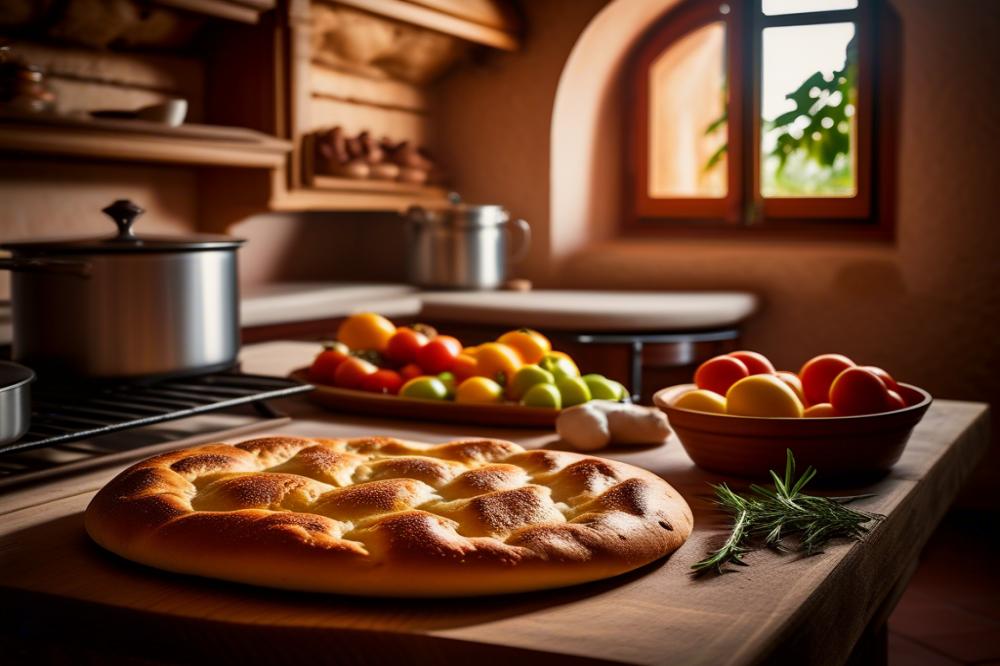
Baking focaccia bread requires a blend of fundamental techniques and traditional methods from Italian cuisine. Mastering the dough is crucial for achieving the right texture and flavor. Start by accurately measuring your ingredients. This precision forms the backbone of successful baked goods.
Kneading the dough is an essential step. Begin by mixing flour, water, yeast, and salt. The dough should feel slightly sticky at first. Kneading helps develop gluten, which gives the bread its structure. Aim to knead for about 10 minutes. A smooth, elastic dough indicates you’re on the right track.
The right consistency can be determined by touch. After kneading, the dough should stretch without tearing. This elasticity ensures the focaccia will rise beautifully. If the dough feels too dry, add a small amount of water. Conversely, if it is too wet, sprinkle in a bit more flour.
Using quality olive oil is essential. It enhances flavor and creates a delightful crust. When preparing the baking pan, don’t be shy with the oil. Generously coat the surface to prevent sticking and promote a crispy bottom. This tip can elevate your homemade bread to new heights.
Temperature plays a significant role, too. A warm, draft-free environment is best for fermentation. Cover the dough with a cloth and let it rise until it doubles in size. Depending on your kitchen’s warmth, this could take anywhere from 1 to 2 hours.
When it comes time to bake, preheat your oven to a high temperature, ideally around 425°F (220°C). This initial heat helps achieve a good rise. Placing a baking stone or a cast iron skillet inside can further mimic the traditional stone ovens of Italy.
Before baking, dimple the dough gently with your fingertips. This technique creates beautiful pockets for olive oil and toppings. Consider using regional recipes for inspiration. Fresh herbs, olives, or even tomatoes can transform the flavor profile and highlight Ligurian ingredients.
During the last moments of baking, keep an eye on the focaccia. The goal is a golden crust. Once it reaches the desired color, remove it from the oven. Allow it to cool slightly before slicing. This wait ensures that the texture finalizes perfectly.
Finally, remember that baking is as much art as it is science. Practice and patience are vital. Your journey through the focaccia history will reveal delicious rewards with each attempt.
Regional Recipes: Variations of Focaccia
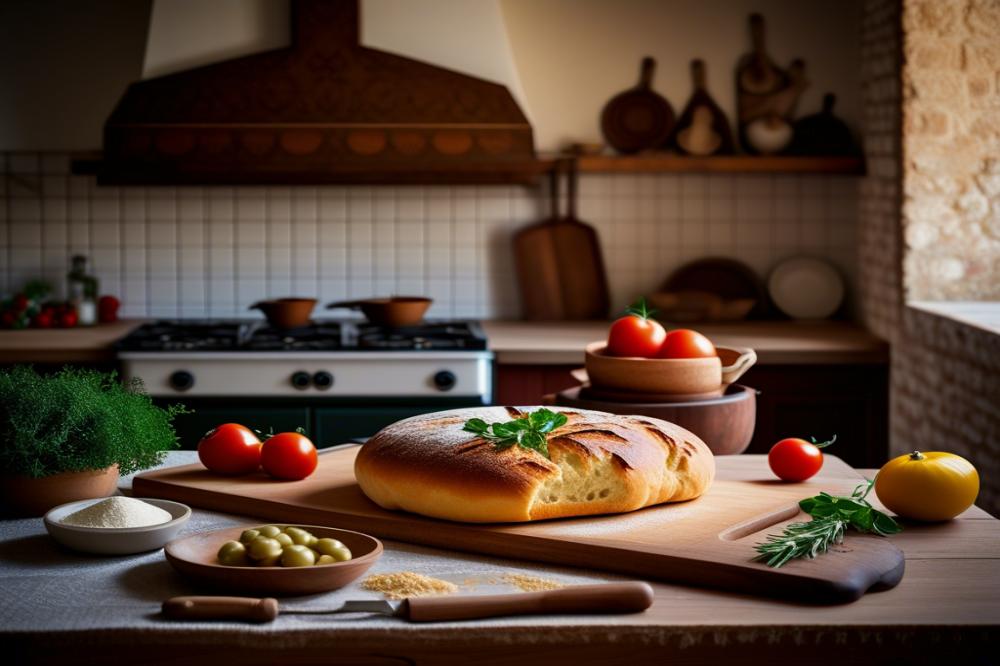
Focaccia is much more than just a rustic bread. In Liguria, various recipes reflect the diverse culinary traditions of this beautiful coastal region. Focaccia di Recco is one of the most cherished varieties. This unique dish is different because it uses thin layers of dough filled with creamy, rich cheese. It comes from the town of Recco, where locals take pride in their expert baking techniques. Many families have been making it for generations. The cheese oozes out as it bakes, creating a mouth-watering aroma.
Another popular version is focaccia con le cipolle, which translates to focaccia with onions. This recipe incorporates sweet, caramelized onions mixed with olive oil. People often enjoy it as a snack or appetizer. The combination of flavors is simple yet delightful, highlighting the importance of fresh, local ingredients. Many families gather to make this dish during special occasions. They share stories and laughter as they prepare the dough and spread the onions.
Beyond these, other regional variations exist. The use of different toppings can create many kinds of focaccia. For example, in nearby regions, one might find focaccia topped with herbs like rosemary, or even olives. Each ingredient adds its distinct character to the bread. When baking focaccia, gentle stretching of the dough allows for air bubbles to form, giving it that desirable texture.
Traditional Ligurian focaccia can also adapt to home kitchens. Baking tips suggest using high-quality olive oil, as it enhances the flavor significantly. Many home bakers experiment with ingredients too. Some add cheese, while others mix in vegetables or spices. Every family can claim their own special recipe, built on their history and personal tastes.
In Liguria, the history of focaccia embodies the spirit of the region. It serves both as a staple food and a symbol of communal bonding. Locals often share their recipes with friends and tourists alike. During a visit, it’s common to be invited to enjoy homemade bread alongside a glass of wine. Experiencing this hospitality is a highlight for many travelers.
Understanding the regional recipes of focaccia reveals more than just a dish. It highlights the heart of Italian cuisine and showcases the importance of community. As these recipes are passed down, they evolve while maintaining their roots. Each bite tells a story, connecting people to the land and its traditions. Liguria’s focaccia varieties offer a delicious glimpse into a rich culinary heritage.
Culinary Adventure: Baking Workshops in Liguria
Participating in a baking workshop in Liguria is an unforgettable experience. The atmosphere buzzes with excitement and warmth. Participants are often a mix of locals and travelers, all eager to learn about the art of homemade bread. In the heart of a rustic kitchen, the rich scent of olive oil fills the air, setting the stage for an incredible culinary adventure.
Local chefs guide each session. Their passion for Italian cuisine is contagious, and they share insightful stories about focaccia history and regional recipes. By demonstrating various baking techniques, they help everyone feel comfortable in the kitchen. Expect to learn how to knead dough properly, shape loaves of rustic bread, and add the perfect amount of toppings.
Hands-on learning is a key part of these workshops. Each participant gets to work with freshly sourced Ligurian ingredients. Imagine mixing flour, water, and a splash of olive oil to create the perfect dough. As you work alongside others, you’ll also be exchanging tips and tricks for the best bread-making practices. These baking tips often come from years of family traditions passed down through generations.
Each step becomes more enjoyable as the day unfolds. The joy of creating something delicious enhances everyone’s appreciation for Italian cuisine. Participants find themselves immersed in the local culture, bonding over shared experiences and flavors. The laughter that echoes through the workshop creates memorable moments, making it clear that cooking is more than just a task—it’s a celebration.
Throughout the process, chefs emphasize the importance of patience and attention to detail. The dough requires time to rise, allowing the flavors to develop fully. This aspect highlights the culinary traditions of Liguria, where quality often takes precedence over speed. As the workshop nears its end, students gather around the oven, eagerly awaiting the first golden loaves to emerge.
The final moment is incredibly rewarding. Participants marvel at the warm, inviting smell of freshly baked bread. Together, they slice into the crusty focaccia and share tastes, discussing what they learned about both the process and each other. This shared experience creates a sense of camaraderie, making it perfectly clear that baking in Liguria isn’t just about the bread—it’s about forming connections and immersing oneself in the heart of Italian culture.
Final Thoughts on Your Focaccia Journey
Learning to bake focaccia bread in Liguria is not just about following a recipe; it is a delightful journey into a cultural heritage rich in flavors and traditions. The process takes you through the heart of Italian cuisine, where each step reveals the passion locals have for their food.
As you knead the dough and discover the essence of baking techniques passed down through generations, a connection to the landscape emerges. The fragrant herbs, olive oil, and simple ingredients tell stories of the region’s history. This connection enhances the joy of homemade bread, creating a sense of accomplishment that feels deeply satisfying.
Ultimately, the experience goes beyond just baking. It’s about embracing the community and the lifestyle that celebrates food. Sharing a loaf with family or friends creates moments of joy and connection. These shared experiences are what fine-tune any culinary adventure.
For those inspired by this journey, consider exploring your own culinary adventures in Italy. Whether it’s trying your hand at fresh pasta in Bologna or savoring gelato in Florence, each experience offers a chance to learn and grow. The beauty of Italian cooking lies in its simplicity and the love behind every dish.
Take the first step and let the flavors guide you. Each bite of freshly baked bread will remind you of Liguria’s traditions and the warmth of its people. Bon appétit!

