
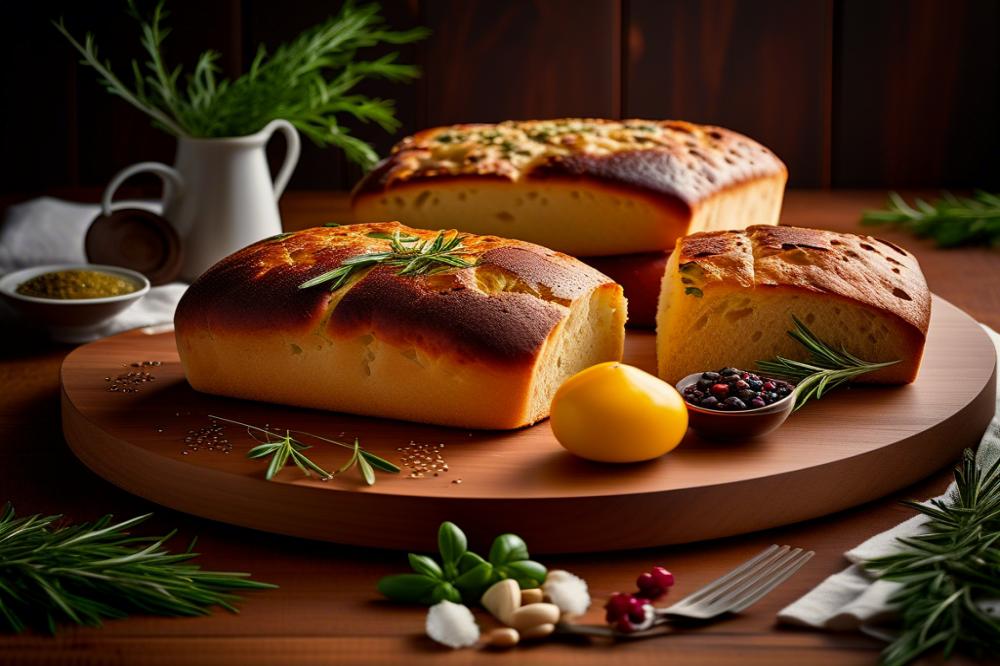
The Art of baking Italian Focaccia Bread
Focaccia holds a special place in the heart of Italian cuisine. This delightful bread is more than just food; it reflects the soul of Italian culture. Families often gather in kitchens, sharing stories and laughter while kneading dough and waiting for it to rise. The act of baking is a cherished tradition, embodying warmth, care, and a sense of belonging.
Within Italian culinary practices, bread signifies comfort and sustenance. Each region has its unique take, but none captures the essence of simplicity and flavor quite like this flatbread. Traditionally, it features a crust that is golden brown and crispy, while the inside remains soft and airy. Home bakers often experiment with various methods, blending creativity with age-old techniques passed down through generations.
Creating this Italian bread involves several key ingredients. Quality flour serves as the base, while yeast brings the dough to life, allowing it to rise. Olive oil enhances flavor and contributes to a beautiful texture. Fresh herbs, such as rosemary or sage, add aromatic notes that elevate the bread’s profile. These elements combine harmoniously to create a dish that is not only versatile but also deeply satisfying.
Focaccia can stand alone or accompany a meal. It often serves as a side at dinner tables or as a base for sandwiches. The richness of flavors and textures makes this bread a favorite among many. To bake the perfect loaf, following a well-crafted recipe is essential. Attention to detail and a dash of patience can lead to a rewarding experience in the kitchen.
Understanding Focaccia

Focaccia is a delightful Italian bread known for its rich flavor and soft texture. This type of bread often features a crust that is both crispy and chewy. It typically involves simple ingredients such as flour, water, yeast, salt, and olive oil. The oil not only enhances the flavor but also contributes to the bread’s golden-brown crust.
History and Traditional Methods of Making Focaccia
The origins of this bread can be traced back to ancient times. It dates back to Roman soldiers who baked a simple flatbread on their shields. Over centuries, the recipe evolved. Traditional baking methods emphasize hand-kneading and long fermentation. Many recipes recommend using high-quality olive oil and fresh herbs.
In the past, families would gather to prepare the dough together. This sense of community remains an essential part of the focaccia-making process. Today, some bakers still follow age-old techniques to create genuine Italian flavors. They often use a starter fermented with wild yeast for a more complex profile.
Variations Across Different Regions of Italy
Italy boasts a range of focaccia styles, each with unique characteristics. In Liguria, for instance, you’ll find focaccia al rosmarino topped with rosemary and coarse sea salt. This version highlights the herb’s aromatic qualities and is frequently enjoyed fresh from the oven. Other regions may add tomatoes or olives to the dough.
In Puglia, bakers use durum wheat flour, which gives the bread a distinct flavor and texture. Focaccia barese is often adorned with cherry tomatoes and olives, creating a burst of color and taste. Each area incorporates local ingredients, which reflects the rich culinary traditions across the Italian landscape.
Culinary enthusiasts often experiment with these variations at home. Adding different toppings, such as cheese or vegetables, offers new flavors and experiences. Regardless of the method or region, focaccia remains a beloved staple that brings people together around the table.
Key Ingredients for Focaccia

High-quality flour and yeast are crucial for a successful baking experience. Flour forms the base of the recipe. Choosing a type with higher protein content, like bread flour, helps create a strong structure and a great crust. Yeast is essential for the dough to rise and develop flavor. Active dry yeast or instant yeast are popular choices for many bakers. Freshness matters; make sure to check expiration dates for the best results.
Additionally, olive oil plays a remarkable role in enhancing both flavor and texture. Its rich, fruity notes contribute depth to the finished bread. Using generous amounts during mixing and drizzling over the top before baking can create a beautifully crisp crust. This oil also aids in keeping the bread moist, making each bite enjoyable. A high-quality extra virgin olive oil is often recommended for the best taste.
When it comes to herbs and toppings, options are nearly limitless. Traditional choices like rosemary or thyme add aromatic qualities that complement the bread beautifully. Experimenting with different ingredients, such as sun-dried tomatoes or olives, introduces unique flavors. Prosperous focaccia often features a mosaic of toppings, ranging from sea salt to garlic, offering varied textures and tastes.
Methods of mingling these ingredients together influence the final product. Kneading the dough properly ensures that gluten develops fully, which improves the texture. A simple sprinkle of coarse salt before baking can elevate the flavors to new heights. Each ingredient contributes to creating a tasty and artisanal experience that delights the senses.
The Baking Process

Baking Italian bread requires specific techniques to achieve the right result. Proper kneading and proofing are crucial steps. Kneading develops gluten, giving the bread its strength. Aim for a smooth and elastic dough. Use your hands or a mixer fitted with a dough hook. Knead for about 10 minutes, until the dough is soft and stretchy. When it comes to proofing, the goal is to let the dough rise. This can take one to two hours, depending on the room temperature. A warm, draft-free area is ideal for this process.
Tips play an important role in creating the perfect crust. Start by using a high-quality olive oil in the baking pan. Not only does this create a delightful flavor, but it also prevents sticking. Preheat the oven to a high temperature, around 425°F to 450°F (220°C to 230°C). A hot oven helps achieve a golden, crispy crust. Consider placing a pan of water in the oven for added steam. This moisture aids in crust formation.
Incorporating Flavors
Methods for adding flavors to the dough can elevate the bread. Fresh herbs like rosemary or thyme are traditional choices. Sprinkle them onto the dough before baking for an aromatic experience. Alternatively, infuse some olive oil with garlic or chili for a more intense flavor. This can be drizzled over the top before baking. Adding toppings such as sea salt or cheese also enhances taste. Use what you enjoy; variations can make the recipe your own.
The key to a delightful texture lies in the mix of ingredients. Don’t shy away from experimenting with different types of flour. Whole wheat offers a different flavor and texture than all-purpose flour. Yeast is another important factor, as it contributes to the bread’s lightness. Be patient and pay attention to the rising times. The dough should nearly double in size before baking for the best results.
Experimenting with Focaccia
Baking Italian focaccia offers a world of possibilities. Each recipe can be adjusted to create something new. You might find it fun to try various toppings and flavors. Seasonal adaptations not only change the taste but also celebrate what’s fresh. Imagine biting into a piece topped with ripe tomatoes and fresh basil in summer, or enjoying roasted garlic and hearty greens in fall.
Creative Variations and Toppings
Some prefer traditional toppings like rosemary and flaky sea salt. Others get adventurous with their choices. Think about using caramelized onions, olives, or even cheese. Local ingredients can play a big role here. Farmers’ markets are great places to find inspiration. Fresh herbs add layers of flavor that’s hard to resist. Bake with regional products for personalized touches.
Seasonal Adaptations and Local Ingredients
Embracing the seasons can guide your baking journey. In spring, consider using young asparagus and lemon zest for a bright flavor. During winter, heartier ingredients like root vegetables can shine. These adaptations reflect not only personal taste but also the local bounty. Discovering what’s available around you can lead to extraordinary results.
Cooking Methods: Oven vs. Grill
Many people think of the oven as the main method for baking. With the right temperature, the crust achieves a beautiful golden color. The texture from oven-baking is often soft on the inside with a satisfying crunch outside. However, grilling can offer a different experience. Cooking on a grill gives a smoky flavor that is unique. This method can create a nice char. It’s important to keep an eye on the dough, as it may cook faster than in an oven.
Regardless of the method, the role of yeast is crucial in creating the desired rise. The addition of olive oil can enhance both flavor and texture. Trained bakers will tell you that the quality of ingredients makes a significant difference. Proper mixing and kneading are keys to achieving the perfect dough consistency.
Serving and Enjoying Focaccia
Pairing Focaccia with Italian Dishes
Focaccia complements many Italian dishes beautifully. The bread’s texture and flavors work well with pasta, soups, and salads. Topping it with fresh herbs or sea salt enhances its taste. Consider pairing it with a classic marinara or a hearty minestrone. Both options provide a delightful contrast to its crust. A light drizzle of olive oil can elevate these combinations further. Experimenting with different toppings can lead to a whole new culinary experience.
Ideas for Serving as Appetizers or Snacks
Serving focaccia as an appetizer can impress guests. Cut it into bite-sized pieces and serve with a selection of dips. A mix of olive oil and balsamic vinegar is always a crowd-pleaser. Adding herbs to the oil can give extra flavor. For a unique twist, spread some pesto on warm slices. This method adds a fresh element that enhances the experience of enjoying this traditional bread. Offering it alongside charcuterie or cheese boards is also a great idea. It provides a flavorful base for various ingredients.
Suggestions for Storage and Reheating
Storing leftover focaccia correctly helps maintain its texture. Wrap it in plastic wrap or foil, then place it in an airtight container. This method keeps the crust from becoming too hard. When reheating, using an oven or toaster oven is ideal. Preheat to around 350°F and warm for about 10 minutes. The goal is to revive its original crispness without drying it out. Microwaving is not recommended, as it can lead to a chewy texture instead of the desired fluffiness. Enjoy this versatile bread through various baking methods long after the first serving.
Final Thoughts
Reflecting on the journey of baking this Italian delight reveals how simple ingredients can create something truly special. The process requires care and patience, as well as an appreciation for tradition. As you master the technique, remember that every batch can tell a different story.
Exploring diverse recipes and flavors can lead to exciting discoveries. Think about incorporating toppings like roasted garlic, fresh herbs, or olives. Each addition invites personal flair and creativity into your kitchen. Experimentation is part of the joy, inspiring everyone to put their unique spin on this timeless bread.
Focaccia is more than just a dish; it holds a significant cultural place in Italy. Often enjoyed during family gatherings or festivals, it brings people together. The bread has a rich history tied to Italian life, reminding us that food can be a source of comfort and belonging.
In conclusion, let your passion for baking guide you. Whether sticking to classic flavors or venturing into bold combinations, every bite is an opportunity for connection. Embrace the art, enjoy the process, and cherish the moments made around the table.

